How to supervise a student research project as a teacher
Princeton Journal of Pre-Collegiate Research

Supervising a student research project is one of the most demanding and rewarding things a teacher can do. It requires a different skill set than classroom instruction, and most teachers receive almost no formal training for it.
This guide gives you a practical, structured framework for how to supervise a student research project as a teacher. Whether your student is conducting original fieldwork, analyzing historical documents, or running a controlled experiment, the principles here apply across every discipline.
Understand What Supervision Actually Means
Supervision is not the same as co-authorship. Your role is to guide, challenge, and support, not to conduct the research yourself. The student must own the intellectual work. This distinction matters enormously, both for the student's development and for the integrity of any eventual publication.
Good supervision means asking the right questions at the right time. It means knowing when to push back on a weak argument and when to let the student work through a problem independently. It means being available without being intrusive. The best supervisors create conditions for independent thinking, not dependence.
If you are unsure where the line falls between helpful guidance and academic overreach, review what counts as academic dishonesty in student research before the project begins. Setting those expectations early protects both of you.
Start With a Scoping Conversation
Before any research begins, sit down with your student and scope the project carefully. Ask them to articulate their research question in one sentence. If they cannot do that, the project is not ready to begin. A focused research question is the foundation everything else is built on.
Discuss the following during your scoping conversation:
What is the central research question? Is it specific, answerable, and original?
What methodology will be used? Qualitative, quantitative, archival, experimental, or mixed?
What resources are available? Data sources, lab access, interview subjects, library access?
What is the realistic timeline? Account for school breaks, exam periods, and submission deadlines.
What does success look like? A completed paper, a presentation, a journal submission?
This conversation also helps you assess whether the project is appropriately scoped for the student's skill level. An overly ambitious project that collapses halfway through teaches the wrong lessons. A well-scoped project that reaches completion builds lasting confidence and capability.
How to Supervise a Student Research Project as a Teacher: Build a Timeline That Works
One of the most common reasons student research projects fail is poor time management. Students underestimate how long each phase takes. Teachers often assume students know how to self-regulate across a long project. Neither assumption holds.
Your job as a supervisor is to build a milestone structure with the student, not for them. Collaborative timeline-building increases buy-in and accountability. Guide them through setting milestones for a long-term research project so they understand what each phase requires and when deliverables are due.
A workable milestone structure for a six-month project might look like this:
Weeks 1-2: Finalize research question and methodology
Weeks 3-6: Literature review and source collection
Weeks 7-12: Primary research, data collection, or analysis
Weeks 13-16: First draft of findings and discussion
Weeks 17-20: Revision, editing, and formatting
Weeks 21-24: Final review and submission preparation
Adjust this structure based on the discipline and scope of the project. The key is that both you and the student have agreed on what is due and when. Vague timelines produce vague results.
Also help your student think realistically about how many hours per week they can commit. A student balancing AP coursework, extracurriculars, and a part-time job cannot sustain the same pace as one with a lighter schedule. Encourage them to read about how many hours a week to spend on a research project so expectations are grounded in reality from the start.
Conduct Regular Check-Ins (Not Just Crisis Meetings)
Supervision requires consistent contact throughout the project, not just at the beginning and when something goes wrong. Schedule brief weekly or biweekly check-ins with your student. Keep them structured. A fifteen-minute meeting with a clear agenda is more productive than an hour of unstructured conversation.
At each check-in, cover three things: what the student completed since the last meeting, what obstacles they encountered, and what they plan to accomplish before the next meeting. This simple structure keeps momentum going and surfaces problems early, when they are still manageable.
Use check-ins to ask probing questions, not to provide answers. Ask the student to defend their methodology choices. Ask them to explain why they selected certain sources over others. Ask them what they would do differently if they had more time or resources. These questions sharpen analytical thinking and prepare students for the kind of scrutiny their work will face in peer review.
Address Stalls and Setbacks Directly
Every long research project hits a wall at some point. The student loses motivation, the data does not behave as expected, or the original research question turns out to be unanswerable with available resources. These moments are not failures. They are part of the research process. How you respond as a supervisor shapes whether the student pushes through or gives up.
When a project stalls, resist the urge to solve the problem for the student. Instead, help them diagnose what went wrong. Is the methodology flawed? Is the scope too broad? Is the student simply overwhelmed? Each cause has a different solution. A student who learns to troubleshoot their own research becomes a more capable scholar. One who relies on the supervisor to fix every problem does not.
For practical strategies to share with your student, point them toward guidance on how to restart a research project that has stalled. And if motivation is the core issue, the resource on how to stay motivated during a long research project offers concrete approaches that students can apply on their own.
How to Supervise a Student Research Project as a Teacher: Give Feedback That Builds Skills
Feedback is the most powerful tool in your supervision toolkit. But not all feedback is equally useful. Comments like "this section needs work" or "be more specific" do not teach the student anything. Effective feedback identifies the problem, explains why it is a problem, and points toward a solution without providing the solution outright.
When reviewing a student's draft, focus your feedback on these areas:
Argument structure: Is the thesis clear? Does the evidence support the claims?
Methodology: Is the research design sound? Are the limitations acknowledged?
Source quality: Are the sources credible, current, and appropriately cited?
Writing clarity: Is the prose precise? Does the student define key terms?
Academic conventions: Is the citation format consistent? Are figures and tables properly labeled?
Prioritize your feedback. A student who receives thirty comments on a first draft will feel overwhelmed and may disengage. Identify the three to five most important issues and address those first. Later drafts can address finer points of style and formatting.
Also recognize that your feedback should evolve across drafts. Early feedback should focus on structure and argument. Later feedback should address clarity, precision, and presentation. Treating every draft the same way wastes both your time and the student's.
Help Students Balance Research With School Commitments
One of the most practical contributions you can make as a supervisor is helping students integrate their research into their existing schedule. Students who treat research as an afterthought, squeezed in between other commitments, produce inconsistent work and burn out quickly.
Encourage your student to read about how to plan a research project around their school schedule. Help them identify protected time blocks each week that are dedicated exclusively to research. Even four to six focused hours per week, consistently applied, produces substantial progress over a semester.
Be realistic about the impact of exam periods, holidays, and extracurricular demands. Build buffer time into the project timeline. A student who falls two weeks behind a rigid schedule may abandon the project entirely. A student with a flexible but structured plan can absorb setbacks and keep moving forward.
Know When to Expand the Scope of Supervision
Some projects will exceed your own area of expertise. This is not a problem. It is an opportunity to model intellectual humility and collaborative scholarship. When a student's research moves into territory you are not equipped to evaluate, bring in additional expertise.
Connect your student with a university faculty member, a graduate student, or a subject-matter expert who can provide discipline-specific guidance. Many researchers are willing to offer brief consultations with motivated high school students. Your role in these arrangements is to facilitate the connection and maintain overall project oversight, not to disappear from the supervision relationship.
If your student is working in a specialized area, point them toward discipline-specific research resources. For example, students working in the humanities might benefit from guidance on how to do art history research as a high school student, while those in social science fields might explore anthropology research topics for high school students. Directing students to quality resources is itself a supervisory skill.
How to Supervise a Student Research Project as a Teacher: Prepare Students for Publication
If your student's research reaches publication quality, guiding them through the submission process is the final and most consequential phase of your supervision. Publication in a peer-reviewed journal is not just a credential. It is evidence that the student's work meets the standards of the academic community (a meaningful distinction in an era of participation trophies and inflated recognition).
Help your student understand what peer review actually involves. Reviewers will evaluate the originality, methodology, and rigor of the work. They will not pass it because the student worked hard or because the topic is interesting. Preparing your student for this reality is not discouraging. It is honest, and it motivates the kind of thorough revision that produces genuinely strong work.
If your student conducted their research as part of a science fair or summer program, help them understand how to adapt that work for a formal journal submission. The resource on how to publish a science fair project as a research paper and guidance on how to adapt a summer program research project for journal submission are both directly relevant here.
The Standard You Are Holding Students To
Effective supervision is not about making the research process easier for students. It is about making them more capable of doing rigorous, original work independently. Every intervention you make should move the student toward greater competence and confidence, not toward reliance on your guidance.
The students who benefit most from strong supervision are the ones who go on to conduct even stronger research in college and beyond. That outcome is worth the investment of time and attention that genuine supervision requires.
Support Student Research With the Right Publication Partner
When your student is ready to submit their work for peer review, the Princeton Journal of Pre-Collegiate Research offers a rigorous, credible venue for high school researchers across all disciplines (STEM, humanities, social sciences, and interdisciplinary fields). Every submission undergoes genuine blind peer review. Every published paper receives a DOI. No shortcuts, no rubber stamps.
If you are supervising a student whose work is approaching publication readiness, explore the PJPCR blog for additional guidance on research methods, publication preparation, and discipline-specific resources. And when the work is ready, submit it to a journal that holds student research to the same standard as the field itself.
Learning how to supervise a student research project as a teacher is an investment in the next generation of scholars. The students you guide today are building the habits of mind that will define their academic careers. That work starts with you.
Read More

Can high school students be peer reviewers
By
Princeton Journal of Pre-Collegiate Research
Read more

What reviewing other papers teaches you about your own
By
Princeton Journal of Pre-Collegiate Research
Read more
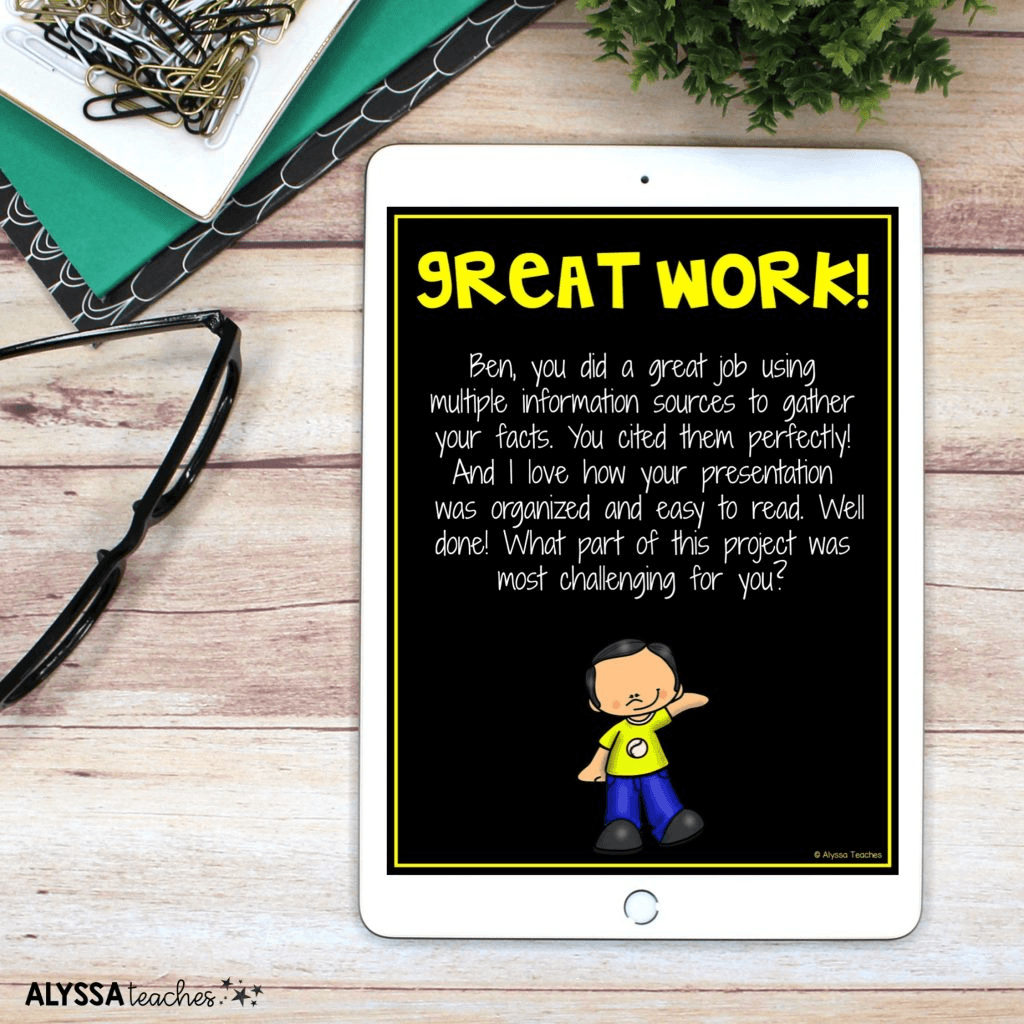
How to give useful feedback on a classmate's paper
By
Princeton Journal of Pre-Collegiate Research
Read more

Student editorial boards: how they work
By
Princeton Journal of Pre-Collegiate Research
Read more
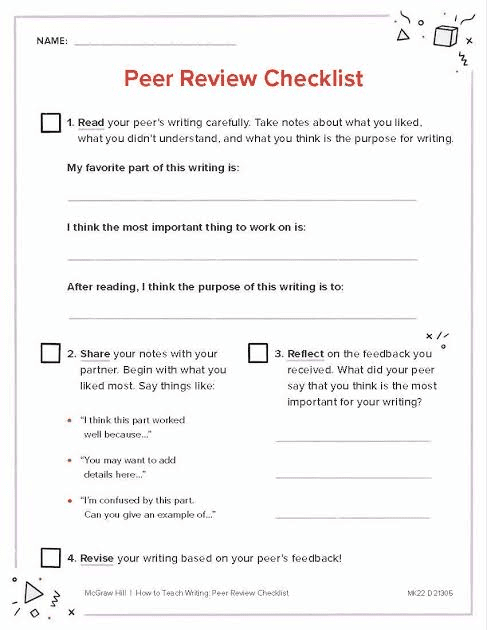
How to write a peer review as a student
By
Princeton Journal of Pre-Collegiate Research
Read more

Peer review etiquette: tone, structure, fairness
By
Princeton Journal of Pre-Collegiate Research
Read more

Version control for research documents
By
Princeton Journal of Pre-Collegiate Research
Read more

Digital vs paper lab notebooks for students
By
Princeton Journal of Pre-Collegiate Research
Read more

Data management basics for student researchers
By
Princeton Journal of Pre-Collegiate Research
Read more

How to keep a lab notebook that reviewers trust
By
Princeton Journal of Pre-Collegiate Research
Read more

How to organize research files across a year-long project
By
Princeton Journal of Pre-Collegiate Research
Read more

How to document your data so you can defend it
By
Princeton Journal of Pre-Collegiate Research
Read more

How to write a grant proposal as a student
By
Princeton Journal of Pre-Collegiate Research
Read more
Free resources that replace research funding
By
Princeton Journal of Pre-Collegiate Research
Read more
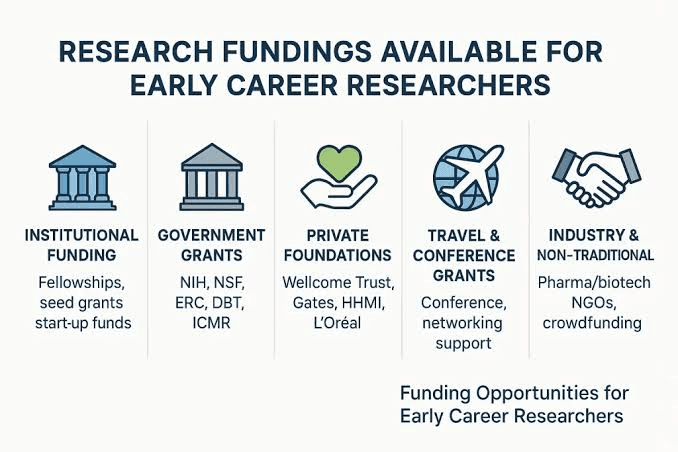
Corporate and nonprofit programs that fund student research
By
Princeton Journal of Pre-Collegiate Research
Read more

Science fair grants and material stipends explained
By
Princeton Journal of Pre-Collegiate Research
Read more

Crowdfunding a student research project: does it work
By
Princeton Journal of Pre-Collegiate Research
Read more

How much does a research project actually cost
By
Princeton Journal of Pre-Collegiate Research
Read more

How to ask your school to fund your project
By
Princeton Journal of Pre-Collegiate Research
Read more

Grants for high school research projects: what exists
By
Princeton Journal of Pre-Collegiate Research
Read more

How to start a research club at your school
By
Princeton Journal of Pre-Collegiate Research
Read more