Classroom research projects that can lead to publication
Princeton Journal of Pre-Collegiate Research

Classroom research projects that can lead to publication represent one of the most exciting opportunities available to students and educators today. When a school assignment transforms into a published work, it validates the effort invested and opens doors to academic and professional opportunities that can shape an entire career. This guide explores how to identify, develop, and execute classroom research projects that can lead to publication in peer-reviewed journals, academic magazines, and online platforms.
Whether you are a high school student, an undergraduate, or a graduate researcher, the pathway from classroom assignment to published work is more accessible than most people realize. With the right topic, methodology, and guidance, your next research project could appear in print.
Why Classroom Research Projects That Can Lead to Publication Matter
Publishing academic work while still in school offers benefits that extend far beyond a line on a resume. Students who publish research develop critical thinking skills, learn to communicate complex ideas clearly, and gain confidence in their intellectual abilities. For educators, guiding students through the publication process reinforces course material and demonstrates real-world applications of academic skills.
Universities and scholarship committees increasingly value published research. Admissions officers at competitive programs look favorably on applicants who have contributed original knowledge to their field, even at an early stage. The experience of navigating peer review teaches resilience, attention to detail, and the ability to accept and incorporate constructive criticism.
Beyond personal benefits, student-led research can make genuine contributions to knowledge. Young researchers often bring fresh perspectives to established problems, and their proximity to certain social phenomena, such as technology use among teenagers or learning experiences in modern classrooms, makes them uniquely qualified observers.
Identifying Topics Suitable for Publication
Not every classroom assignment has publication potential, but many do with the right framing and execution. The key is identifying a research question that is specific, original, and relevant to an existing body of literature. Broad topics rarely succeed in publication; narrow, focused inquiries that address a clear gap in knowledge are far more likely to attract editorial interest.
Consider these characteristics of publishable research topics:
Originality: The research should offer new data, a new analysis, or a new perspective on an existing question.
Relevance: The topic should connect to current conversations in the field and cite recent literature.
Feasibility: The methodology should be achievable within the constraints of a classroom setting.
Ethical compliance: Research involving human subjects must follow institutional review board guidelines.
Strong candidates for classroom research that leads to publication include local environmental studies, analysis of historical documents, surveys of peer attitudes or behaviors, replication studies of established experiments, and literary or rhetorical analyses of contemporary texts.
Designing a Rigorous Research Methodology
Editors and peer reviewers evaluate methodology before almost anything else. A well-designed study with modest results is far more publishable than an ambitious study with flawed methods. Students should spend considerable time planning their approach before collecting any data.
Quantitative research requires clear hypotheses, appropriate sample sizes, and statistical analysis that matches the research question. Qualitative research demands transparent data collection procedures, careful attention to researcher bias, and systematic coding or thematic analysis. Mixed-methods approaches can be powerful but require proficiency in both paradigms.
Educators can support rigorous methodology by requiring students to submit a research proposal before beginning data collection. This proposal should include a literature review, a clear statement of the research question, a description of the methodology, and a plan for analysis. Peer review of proposals within the classroom mirrors the professional publication process and helps students identify weaknesses early.
Journals and Platforms That Publish Student Research
One of the most important steps in pursuing publication is identifying appropriate venues. Many journals specifically welcome or prioritize student submissions, and targeting these outlets significantly increases the likelihood of acceptance.
For high school students, options include:
Journal of Emerging Investigators: A peer-reviewed journal dedicated to publishing middle and high school science research.
Concord Review: Publishes exceptional history essays written by high school students.
Young Scientists Journal: Accepts research across scientific disciplines from students aged 12 to 20.
Scholastic Art and Writing Awards: While not a journal, this competition publishes winning work and carries significant prestige.
For undergraduate and graduate students, the landscape is broader:
Undergraduate Research Journals: Most universities maintain their own undergraduate research publications.
PLOS ONE: An open-access journal that accepts rigorous research across scientific disciplines.
Inquiries Journal: A multidisciplinary social sciences and humanities journal that publishes undergraduate work.
Field-specific journals: Many disciplines have journals that welcome submissions from early-career researchers.
Educators should familiarize themselves with publication options in their subject area and share these resources with students at the beginning of a research unit. Knowing that publication is a realistic goal can significantly motivate students throughout the research process.
The Role of the Educator in Supporting Publication
Teachers and professors play a critical role in helping students navigate the path from classroom project to published work. This support takes several forms, from helping students refine their research questions to reviewing drafts and assisting with submission logistics.
Effective educator support includes:
Teaching students how to conduct a thorough literature review using academic databases such as JSTOR, PubMed, and Google Scholar.
Modeling the writing conventions of academic publication in the relevant discipline.
Providing detailed feedback on multiple drafts before submission.
Helping students understand and respond to peer reviewer comments.
Connecting students with faculty mentors who have publication experience.
Some educators choose to co-author papers with students, which can be appropriate when the teacher has made substantial intellectual contributions to the work. However, educators should be careful to ensure that student voice and intellectual ownership remain central to the project.
Writing for Academic Publication: Key Principles
Academic writing follows conventions that differ significantly from other forms of writing students encounter in school. Learning these conventions is essential for anyone pursuing publication through classroom research projects that can lead to publication.
The structure of most academic papers follows the IMRAD format: Introduction, Methods, Results, and Discussion. Each section serves a specific purpose and should be written with clarity and precision. The introduction situates the research within existing literature and articulates the research question. The methods section provides enough detail for another researcher to replicate the study. The results section presents findings without interpretation. The discussion interprets results, acknowledges limitations, and suggests directions for future research.
Beyond structure, academic writing demands precise language, appropriate citation practices, and a formal tone. Students should study published papers in their target journal to understand the specific conventions of that publication. Reading widely in the field also helps students internalize the vocabulary and rhetorical moves that characterize strong academic writing.
Navigating the Submission and Review Process
Submitting a paper for publication is both exciting and nerve-wracking. Understanding the process in advance helps students approach it with realistic expectations and appropriate resilience.
Most journals require authors to create an account on a submission platform and upload their manuscript along with a cover letter. The cover letter should briefly describe the research, explain its significance, and confirm that the work has not been submitted elsewhere simultaneously. Students should follow the journal's author guidelines precisely, as failure to do so is a common reason for immediate rejection.
After submission, papers typically undergo initial screening by an editor who determines whether the work falls within the journal's scope and meets basic quality standards. Papers that pass this stage are sent to peer reviewers, usually two or three experts in the field who evaluate the work anonymously. The review process can take anywhere from a few weeks to several months.
Possible outcomes include acceptance, acceptance with revisions, rejection with invitation to resubmit, or outright rejection. Rejection is common even for experienced researchers, and students should understand that it does not necessarily reflect the quality of their work. Many successful papers are rejected multiple times before finding the right venue.
Classroom Research Projects That Can Lead to Publication: Success Stories and Inspiration
Hearing about students who have successfully published research can inspire others to pursue the same goal. Across disciplines and grade levels, students have made genuine contributions to knowledge through classroom-based research.
A group of middle school students in California published research on local water quality in a regional environmental journal after conducting systematic testing over an entire school year. Their work was cited by local government officials in subsequent policy discussions. An undergraduate psychology student published a replication study of a classic experiment, contributing to ongoing conversations about reproducibility in social science research. A high school student's literary analysis of contemporary young adult fiction appeared in an undergraduate journal after her teacher helped her expand and formalize the work.
These examples share common elements: a specific and feasible research question, rigorous methodology, strong writing, and persistent effort through the revision and submission process. They also benefited from educators who believed in the students' potential and provided sustained support.
Getting Started: Practical Steps for Students
If you are ready to pursue classroom research projects that can lead to publication, begin with these concrete steps:
Identify your research interest: What questions do you find genuinely compelling? Publication is a long process, and sustained motivation requires authentic curiosity.
Conduct a preliminary literature review: Determine what has already been published on your topic and identify gaps your research might address.
Consult with your teacher or a faculty mentor: Experienced guidance is invaluable at every stage of the research process.
Design your methodology carefully: Plan your data collection and analysis before beginning any research.
Write, revise, and seek feedback: Strong academic writing requires multiple drafts and honest critique.
Identify target journals: Research appropriate venues and study their submission guidelines and published content.
Submit and persist: Be prepared for rejection and view it as part of the learning process rather than a final verdict.
The journey from classroom assignment to published research is challenging, but it is one of the most rewarding intellectual experiences available to students at any level. With curiosity, rigor, and the right support, your classroom research project can make a lasting contribution to your field.
Read More

Can high school students be peer reviewers
By
Princeton Journal of Pre-Collegiate Research
Read more

What reviewing other papers teaches you about your own
By
Princeton Journal of Pre-Collegiate Research
Read more
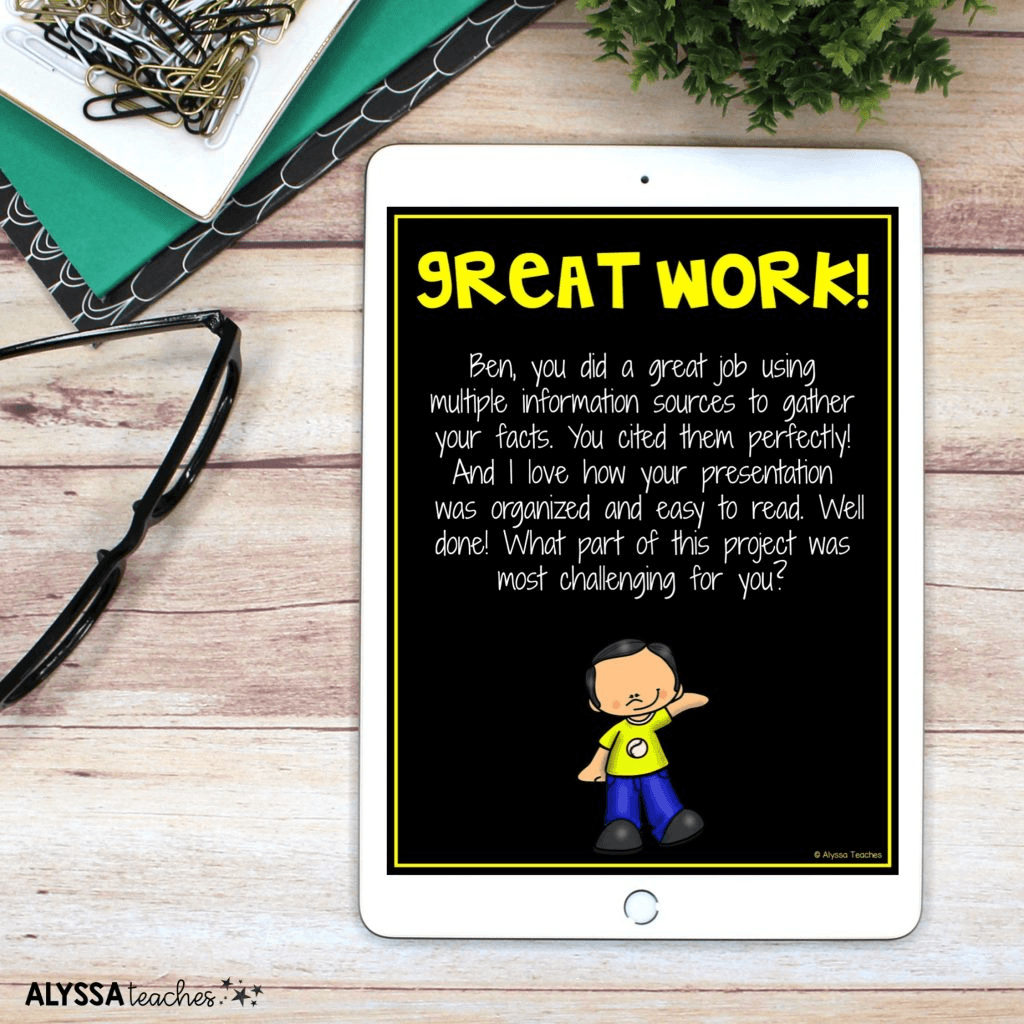
How to give useful feedback on a classmate's paper
By
Princeton Journal of Pre-Collegiate Research
Read more

Student editorial boards: how they work
By
Princeton Journal of Pre-Collegiate Research
Read more
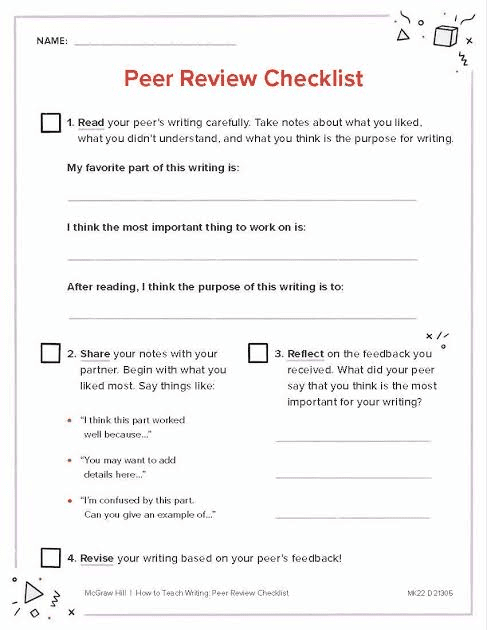
How to write a peer review as a student
By
Princeton Journal of Pre-Collegiate Research
Read more

Peer review etiquette: tone, structure, fairness
By
Princeton Journal of Pre-Collegiate Research
Read more

Version control for research documents
By
Princeton Journal of Pre-Collegiate Research
Read more

Digital vs paper lab notebooks for students
By
Princeton Journal of Pre-Collegiate Research
Read more

Data management basics for student researchers
By
Princeton Journal of Pre-Collegiate Research
Read more
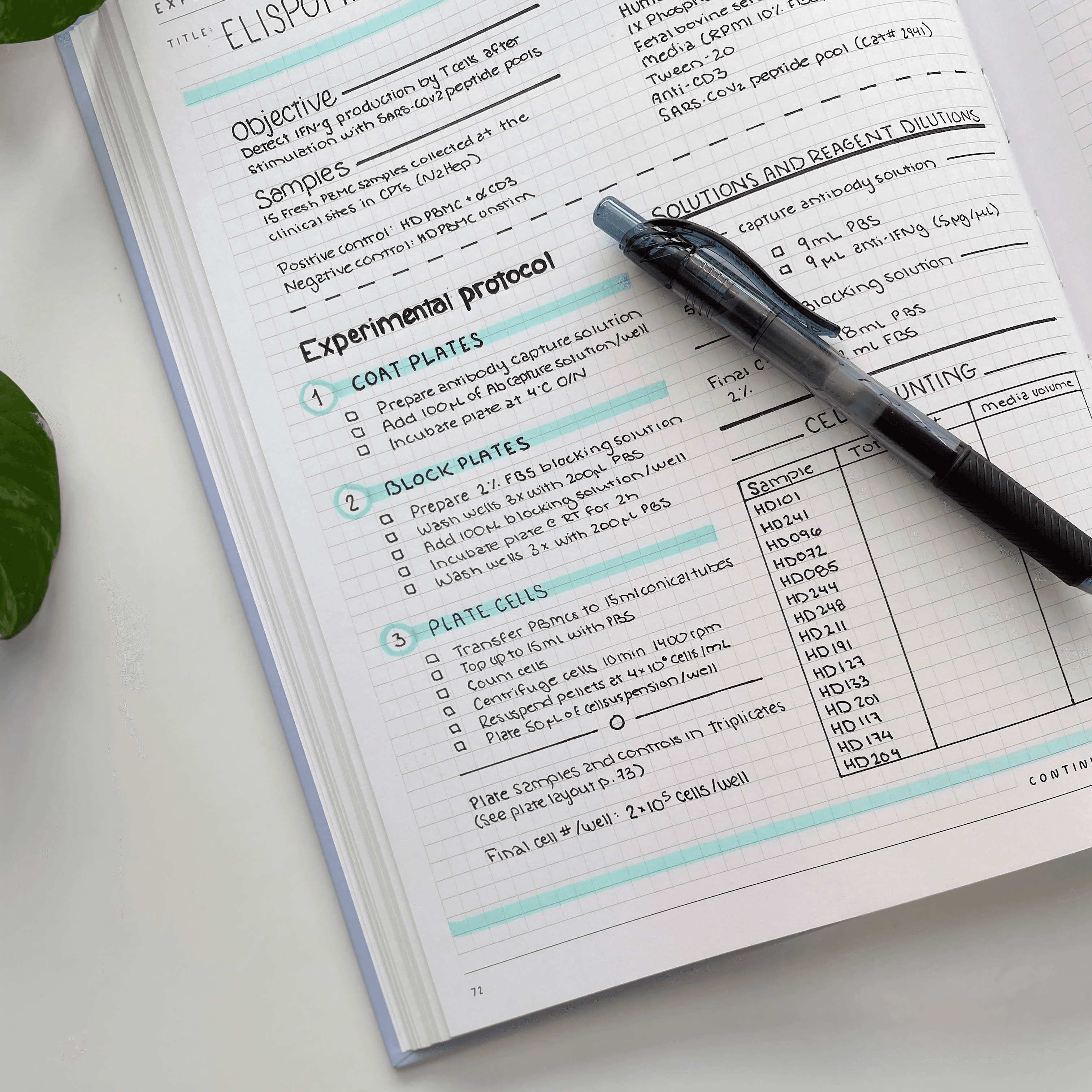
How to keep a lab notebook that reviewers trust
By
Princeton Journal of Pre-Collegiate Research
Read more

How to organize research files across a year-long project
By
Princeton Journal of Pre-Collegiate Research
Read more

How to document your data so you can defend it
By
Princeton Journal of Pre-Collegiate Research
Read more

How to write a grant proposal as a student
By
Princeton Journal of Pre-Collegiate Research
Read more
Free resources that replace research funding
By
Princeton Journal of Pre-Collegiate Research
Read more
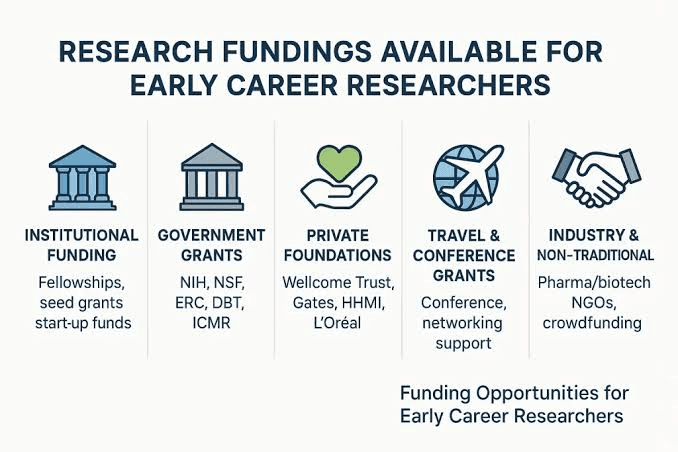
Corporate and nonprofit programs that fund student research
By
Princeton Journal of Pre-Collegiate Research
Read more

Science fair grants and material stipends explained
By
Princeton Journal of Pre-Collegiate Research
Read more

Crowdfunding a student research project: does it work
By
Princeton Journal of Pre-Collegiate Research
Read more

How much does a research project actually cost
By
Princeton Journal of Pre-Collegiate Research
Read more

How to ask your school to fund your project
By
Princeton Journal of Pre-Collegiate Research
Read more

Grants for high school research projects: what exists
By
Princeton Journal of Pre-Collegiate Research
Read more

How to start a research club at your school
By
Princeton Journal of Pre-Collegiate Research
Read more