Can a 14-year-old publish in an academic journal
Princeton Journal of Pre-Collegiate Research

The answer is yes. A 14-year-old can publish in an academic journal, and it happens more often than most students, parents, or counselors realize. Age is not the gatekeeping criterion in academic publishing. Research quality is.
This post explains exactly how pre-collegiate publication works, what journals actually evaluate, and what a 14-year-old needs to do to give their research a genuine shot at peer-reviewed publication.
Age Is Not the Barrier You Think It Is
Academic journals evaluate manuscripts, not birth certificates. When a submission enters peer review, reviewers assess the argument, the methodology, the evidence, and the writing. They do not assess whether the author is old enough to drive. Journals that specialize in pre-collegiate research exist precisely because rigorous original work is not the exclusive territory of graduate students and faculty.
That said, a 14-year-old faces real practical challenges. Access to primary data, familiarity with academic citation formats, and the ability to write with scholarly precision all require effort and mentorship. None of those challenges are insurmountable. They are simply the work.
What Academic Journals Actually Evaluate
Understanding the review process removes a lot of the mystery. Most credible journals use blind peer review, meaning reviewers do not know who wrote the paper. Your name, your school, your grade level, none of it appears in what reviewers read. The manuscript stands alone.
Reviewers typically evaluate five things:
Originality: Does the paper contribute something new, even modestly, to the existing literature?
Methodology: Is the research design sound and clearly explained?
Evidence: Are claims supported by credible, properly cited sources or original data?
Argumentation: Does the paper build a coherent, logical case from start to finish?
Writing quality: Is the prose clear, precise, and free of significant grammatical errors?
A 14-year-old who produces a paper that meets these standards on a topic appropriate to their research access is a publishable author. The bar is the bar, regardless of age.
Can a 14-Year-Old Really Produce Original Research?
Yes, and here is what that can look like in practice. A 14-year-old interested in environmental science might conduct a local water quality study using publicly accessible testing methods. A student passionate about history might produce a close-reading analysis of primary documents that advances a specific interpretive argument. A student with a background in mathematics might explore a combinatorics problem and document their reasoning rigorously.
Original research does not require a university laboratory or a faculty salary. It requires a genuine question, a disciplined approach to answering it, and honest documentation of the process and findings. Students at 14 are fully capable of that intellectual work when they take it seriously.
The Princeton Journal of Pre-Collegiate Research publishes work across STEM, humanities, social sciences, and interdisciplinary fields. Submissions come from students on six continents. The common denominator is not age. It is rigor.
The Right Journal Matters Enormously
Not every journal accepts submissions from high school students. Submitting to the wrong venue wastes time and generates discouraging rejections that have nothing to do with the quality of the work. A 14-year-old should target journals explicitly designed for pre-collegiate researchers.
When evaluating a journal, look for these markers of credibility:
A named, verifiable academic advisory board (not just a list of titles)
A documented blind peer review process
DOI assignment for published papers (this is what makes work permanently citable and discoverable)
Transparent submission and review timelines
A clear, honest editorial policy with no pay-to-publish guarantees
Understanding what makes a journal credible is foundational before submitting anywhere. The question of what an academic advisory board signals about journal credibility is worth researching before you invest months of work in a submission.
Predatory journals exist. They accept almost everything, charge fees, and produce credentials that sophisticated admissions officers and academic institutions recognize as worthless. Avoid them. A genuine publication in a rigorous journal is worth far more than a dozen vanity acceptances.
What the Research Process Looks Like at 14
Most successful young researchers do not work alone. A teacher, a parent with relevant expertise, or a university mentor can serve as a research advisor without becoming a co-author (as long as the intellectual work remains the student's). The distinction matters. Guidance is appropriate. Ghost-writing is academic dishonesty. Understanding what counts as academic dishonesty in student research protects both the student and the integrity of the work.
A realistic research timeline for a 14-year-old looks like this:
Identify a genuine question in a field you already know something about or are willing to study deeply.
Conduct a literature review to understand what has already been argued and where gaps exist.
Design and execute your research, whether that is a survey, an experiment, a textual analysis, or a data study.
Write a complete draft following the conventions of academic writing in your discipline.
Revise with feedback from a teacher, mentor, or peer before submitting.
Submit to an appropriate journal and respond professionally to reviewer feedback.
This process takes months. That is normal. Serious research is not fast, and journals that turn around acceptances in days without substantive feedback are not conducting real peer review.
Writing Quality Is Non-Negotiable
Reviewers read hundreds of manuscripts. Sloppy writing signals sloppy thinking, even when the underlying research is solid. A 14-year-old who wants to publish needs to write with clarity, precision, and grammatical correctness. This is a learnable skill, not a natural gift reserved for older students.
Two areas where student writers most commonly struggle are grammar consistency and sentence-level clarity. Reviewing common grammar mistakes in academic research papers before finalizing a manuscript is a practical step that costs nothing and protects against avoidable rejection. Similarly, learning how to write clearly and concisely in academic research will improve the manuscript's readability and reviewer reception significantly.
One specific issue worth addressing early is voice. Academic writing conventions vary by discipline, but most fields now prefer active voice for clarity and directness. Understanding active vs. passive voice in academic writing and when each is appropriate will sharpen the manuscript considerably.
Does Publishing at 14 Actually Matter?
For students thinking about college applications, the honest answer is: it depends on how it is framed and where it is published. A peer-reviewed publication with a DOI in a credible journal is a verifiable, permanent academic credential. It demonstrates intellectual initiative, disciplinary knowledge, and the ability to produce and defend original work. Those are qualities that selective institutions notice.
But the value is not purely strategic. Students who complete the publication process at 14 develop research skills, writing discipline, and resilience under critique that most of their peers will not acquire until graduate school. That foundation compounds. It shapes how they approach every subsequent academic challenge.
For students already thinking about how publication timing intersects with college applications, how to get research published before college deadlines offers a practical framework for working backward from application dates.
Frequently Asked Questions
Do I need a faculty co-author to publish at 14?
No. Many journals that publish pre-collegiate research accept sole-authored student submissions. A faculty mentor can advise without being listed as a co-author, provided the intellectual contribution is genuinely the student's. Check the specific journal's authorship policy before submitting.
What if my school does not offer research programs?
Many students who publish in pre-collegiate journals are self-directed. Online databases, public datasets, and digital archives make literature reviews and data collection accessible without institutional infrastructure. A motivated 14-year-old with internet access and a rigorous question can conduct meaningful research. The absence of a formal school program is not a disqualifier.
Can I publish my extended essay or EPQ?
Potentially, yes, but with important caveats. IB Extended Essays and EPQs are structured academic projects that can meet publication standards if the research is original and the writing is revised to meet journal formatting and citation requirements. The question of whether you can publish your IB Extended Essay in a research journal has a nuanced answer worth reading before you submit. Students with EPQs should also review whether your EPQ qualifies for journal publication specifically.
Is open-access publication legitimate?
Open-access publication means the paper is freely available to anyone online. It says nothing by itself about quality. Many of the most rigorous journals in the world are open access. What matters is the peer review process, the editorial standards, and the DOI assignment. Open access journals for high school students can be entirely credible, and many are the most appropriate venues for pre-collegiate work.
The Honest Summary
Can a 14-year-old publish in an academic journal? Yes. The conditions are the same as they are for any author: original research, sound methodology, clear writing, and submission to an appropriate, credible venue. Age creates no formal barrier in peer review. What it does create is a practical challenge that requires intentionality, mentorship, and time.
Students who approach this seriously, who do the research, revise the writing, and submit to journals that conduct genuine peer review, give themselves a real chance at publication. The process itself is the education. The credential is the proof.
If you are a 14-year-old with a research question and the discipline to pursue it, the path to publication is open. Start with a question that genuinely interests you. Build the research around evidence, not assumption. Write with precision. And submit to a journal that will evaluate your work on its merits.
The Princeton Journal of Pre-Collegiate Research exists for exactly that purpose. We hold student work to the same standards of rigor we would apply to any scholarly submission (no shortcuts, no rubber stamps). If your research meets those standards, your age will not hold you back.
Read More

Can high school students be peer reviewers
By
Princeton Journal of Pre-Collegiate Research
Read more

What reviewing other papers teaches you about your own
By
Princeton Journal of Pre-Collegiate Research
Read more
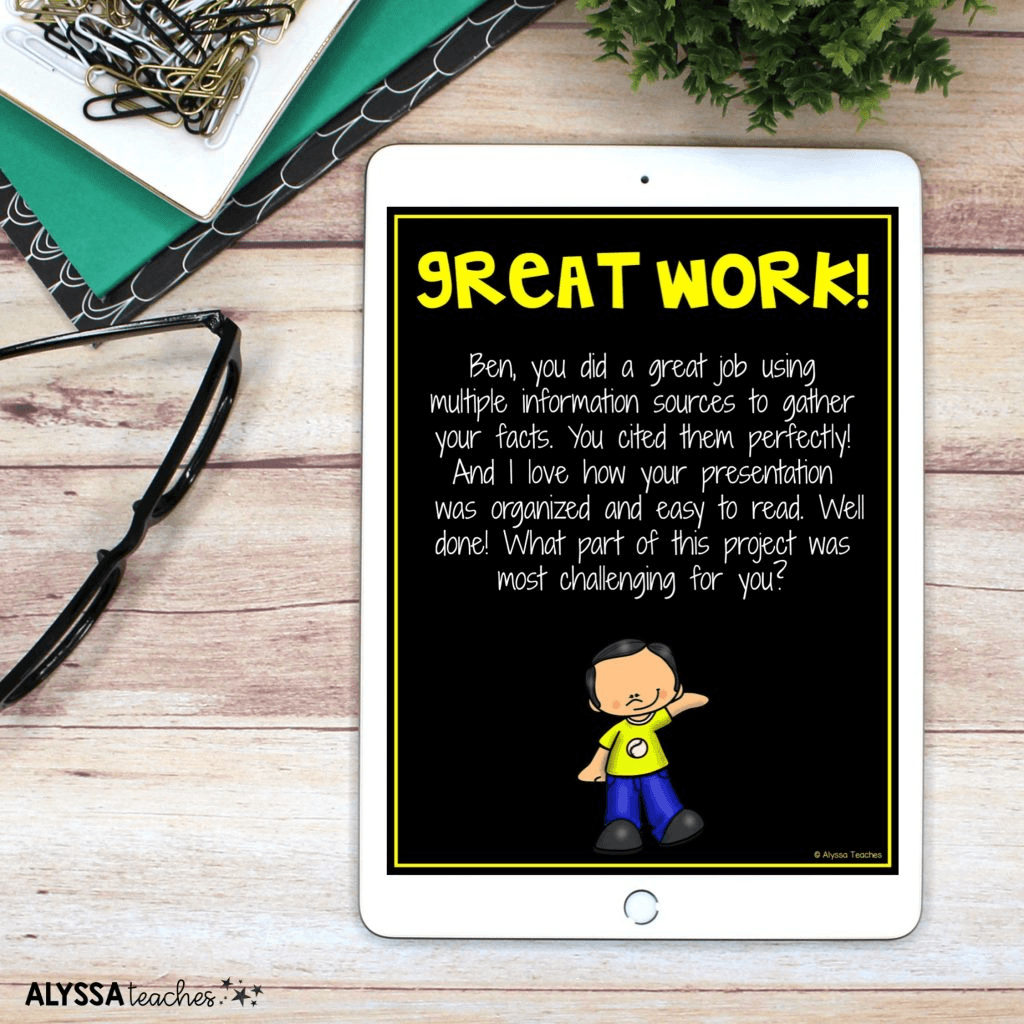
How to give useful feedback on a classmate's paper
By
Princeton Journal of Pre-Collegiate Research
Read more

Student editorial boards: how they work
By
Princeton Journal of Pre-Collegiate Research
Read more
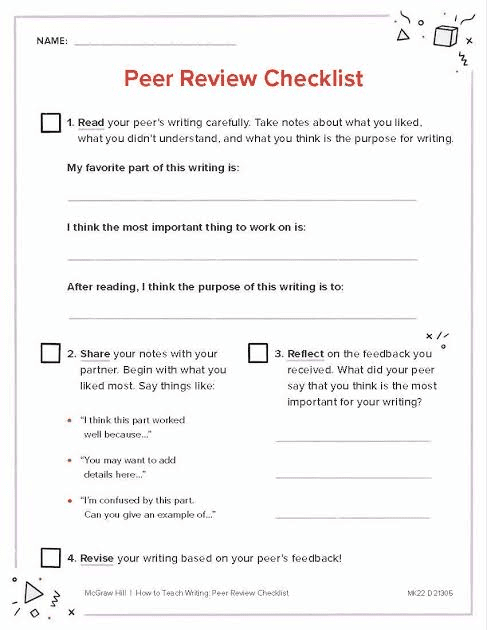
How to write a peer review as a student
By
Princeton Journal of Pre-Collegiate Research
Read more

Peer review etiquette: tone, structure, fairness
By
Princeton Journal of Pre-Collegiate Research
Read more

Version control for research documents
By
Princeton Journal of Pre-Collegiate Research
Read more

Digital vs paper lab notebooks for students
By
Princeton Journal of Pre-Collegiate Research
Read more

Data management basics for student researchers
By
Princeton Journal of Pre-Collegiate Research
Read more

How to keep a lab notebook that reviewers trust
By
Princeton Journal of Pre-Collegiate Research
Read more

How to organize research files across a year-long project
By
Princeton Journal of Pre-Collegiate Research
Read more

How to document your data so you can defend it
By
Princeton Journal of Pre-Collegiate Research
Read more

How to write a grant proposal as a student
By
Princeton Journal of Pre-Collegiate Research
Read more
Free resources that replace research funding
By
Princeton Journal of Pre-Collegiate Research
Read more
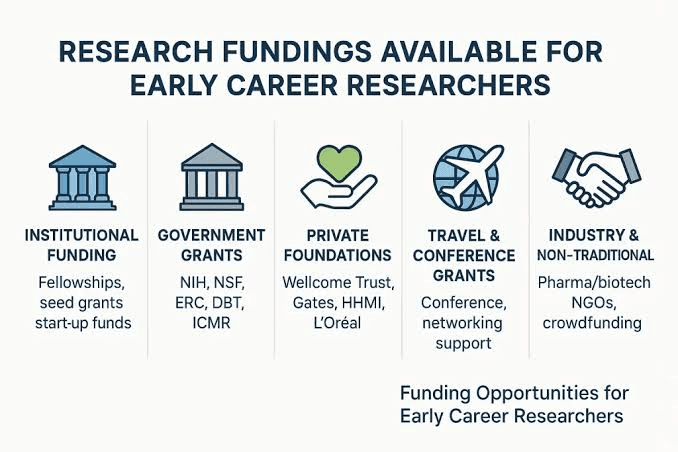
Corporate and nonprofit programs that fund student research
By
Princeton Journal of Pre-Collegiate Research
Read more

Science fair grants and material stipends explained
By
Princeton Journal of Pre-Collegiate Research
Read more

Crowdfunding a student research project: does it work
By
Princeton Journal of Pre-Collegiate Research
Read more

How much does a research project actually cost
By
Princeton Journal of Pre-Collegiate Research
Read more

How to ask your school to fund your project
By
Princeton Journal of Pre-Collegiate Research
Read more

Grants for high school research projects: what exists
By
Princeton Journal of Pre-Collegiate Research
Read more

How to start a research club at your school
By
Princeton Journal of Pre-Collegiate Research
Read more