How schools can start a research program for students
Princeton Journal of Pre-Collegiate Research

Understanding how schools can start a research program for students is one of the most valuable investments an educational institution can make. Research programs empower students to think critically, solve real-world problems, and develop skills that extend far beyond the classroom. Whether you are a principal, department head, or passionate educator, this guide walks you through every step needed to launch a successful student research program at your school. From securing funding to mentoring young researchers, the process is more achievable than many administrators realize.
Why Student Research Programs Matter
Before diving into the logistics, it is worth understanding why these programs are so impactful. Students who participate in research programs consistently outperform their peers in critical thinking assessments, college readiness evaluations, and career preparedness surveys. Research experiences teach students how to ask meaningful questions, gather and analyze data, and communicate findings clearly.
Beyond academics, research programs build confidence. When a student presents original findings at a science fair or submits a paper to a journal, they experience a sense of accomplishment that traditional coursework rarely provides. Schools that prioritize research culture also tend to attract higher-quality faculty and enjoy stronger community reputations.
Research programs also address equity. When schools create structured opportunities for all students — not just those with affluent parents who can afford private mentors — they level the playing field and open doors to college scholarships, internships, and professional networks that might otherwise remain closed.
How Schools Can Start a Research Program for Students: Initial Planning Steps
The foundation of any successful program is careful planning. Rushing into implementation without a clear roadmap leads to confusion, wasted resources, and student frustration. Here are the essential planning steps every school should follow.
Assess Your School's Current Resources
Begin by taking stock of what you already have. Do you have a science lab with basic equipment? Are there teachers with research backgrounds? Does your library offer access to academic databases? Knowing your starting point helps you identify gaps and prioritize spending.
Survey your faculty to discover hidden expertise. A history teacher might have a graduate degree in archival research. A math teacher might have industry experience in data analysis. These individuals can become invaluable mentors and program coordinators without requiring additional hires.
Define the Program's Scope and Goals
Decide early whether your program will focus on a single discipline, such as STEM, or span multiple subject areas including humanities, social sciences, and the arts. Both approaches have merit. Interdisciplinary programs tend to attract more students and foster creative thinking, while focused programs can develop deeper expertise and stronger partnerships with universities in specific fields.
Set measurable goals for your first year. These might include enrolling a minimum number of students, completing a set number of research projects, or submitting work to at least one external competition or publication. Clear goals keep the program accountable and make it easier to demonstrate value to administrators and school boards.
Build a Leadership Team
No single person can run a research program alone. Assemble a small leadership team that includes at least one administrator with budget authority, two or three faculty mentors, and ideally a community or university liaison. This team should meet regularly during the planning phase and establish clear roles before the program launches.
Securing Funding and Resources
One of the biggest obstacles schools face when starting a research program is funding. Fortunately, there are numerous sources available to schools willing to invest time in applications and outreach.
Apply for Grants
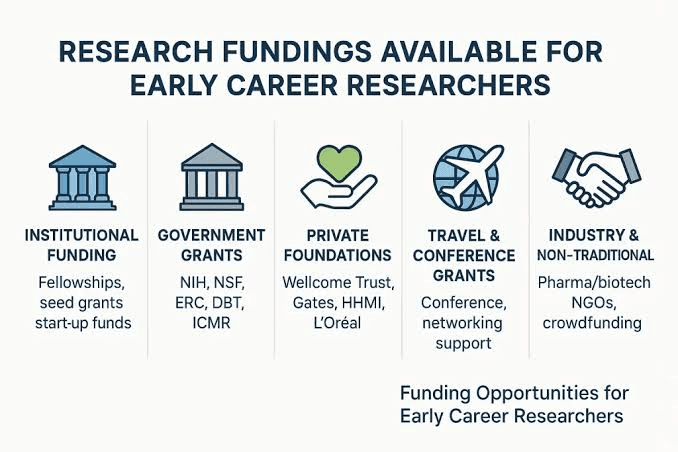
Federal agencies such as the National Science Foundation and the Department of Education offer grants specifically designed to support K-12 research initiatives. State education departments often have similar programs. Private foundations, including the Bill and Melinda Gates Foundation and local community foundations, also fund school research programs regularly.
When writing grant applications, emphasize the program's potential impact on student outcomes, equity, and community engagement. Include data from comparable programs at other schools to strengthen your case. Many grants also require a sustainability plan, so be prepared to explain how the program will continue after initial funding ends.
Partner with Universities and Businesses
University partnerships are among the most valuable resources a school research program can have. Many universities actively seek K-12 partners to help fulfill their community outreach missions. In exchange for providing mentors, laboratory access, and curriculum support, universities gain early exposure to talented students who may later enroll in their programs.
Local businesses, particularly those in technology, healthcare, and engineering sectors, often welcome the opportunity to sponsor student research. Sponsorships can range from cash donations to in-kind contributions such as equipment, software licenses, or employee volunteer hours. These partnerships also create authentic research contexts, giving students real problems to solve rather than purely academic exercises.
Designing the Curriculum and Research Process
A well-designed curriculum is the backbone of any effective student research program. Students need structured guidance, especially in the early stages, to understand what research actually involves and how to conduct it responsibly.
Introduce the Research Process Step by Step
Begin with foundational lessons on the scientific method or research methodology appropriate to your program's focus. Teach students how to identify a research question, review existing literature, design a study or investigation, collect and analyze data, and present findings. Each of these steps deserves dedicated instructional time, particularly literature review and data analysis, which students often find most challenging.
Incorporate writing instruction throughout the curriculum. Research is only as valuable as its communication, and many students struggle to translate their findings into clear, well-organized prose. Consider partnering with English teachers to provide targeted writing support within the research program.
Allow Student Choice Within a Framework
Students are most engaged when they have genuine ownership over their research topics. Provide a framework that ensures rigor and feasibility while allowing students to pursue questions they find personally meaningful. A student passionate about environmental justice will produce far better work studying local water quality than completing a prescribed experiment with no personal connection.
Create a proposal process where students submit their research ideas for faculty review before beginning. This step ensures that projects are appropriately scoped, ethically sound, and likely to yield meaningful results within the program's timeframe.
How Schools Can Start a Research Program for Students: Mentorship and Support Structures
Even the most motivated students need consistent mentorship to succeed in research. Building strong support structures is essential to program quality and student retention.
Train Faculty Mentors
Not all excellent teachers are experienced researchers, and not all experienced researchers are excellent teachers. Invest in professional development that helps faculty mentors understand both sides of their role. Training should cover how to guide students through the research process without doing the work for them, how to give constructive feedback on drafts and presentations, and how to recognize and address student frustration or discouragement.
Consider creating a mentor community of practice where faculty meet regularly to share challenges and strategies. Peer support among mentors improves program quality and reduces burnout, which is a real risk when teachers take on significant additional responsibilities.
Connect Students with External Mentors
University professors, graduate students, and industry professionals can serve as supplementary mentors, providing expertise that school faculty may not possess. Many graduate students are eager to mentor high school researchers as part of their own professional development. Establish clear expectations and communication protocols for external mentors to ensure consistency and student safety.
Create Peer Support Networks
Peer learning is a powerful tool in research programs. Pair newer students with more experienced ones, and create regular opportunities for students to share progress updates, troubleshoot problems together, and celebrate milestones. These peer networks build community within the program and help students develop the collaborative skills that are essential in professional research environments.
Showcasing Student Research
Research that never reaches an audience is incomplete. Providing students with opportunities to present and publish their work is a critical component of any successful program.
Organize an Annual Research Symposium
An annual symposium gives students a formal venue to present their findings to peers, faculty, family members, and community stakeholders. The experience of preparing a presentation, fielding questions, and receiving feedback from a live audience is invaluable. It also raises the program's profile within the school and broader community.
Submit Work to External Competitions and Publications
Encourage students to submit their research to competitions such as the Regeneron Science Talent Search, the Intel International Science and Engineering Fair, or discipline-specific contests in history, economics, or the arts. Many journals now publish work by high school researchers, providing students with a genuine publication credential that strengthens college applications.
Evaluating and Improving the Program
Continuous improvement is essential to long-term program success. Collect data on student outcomes, gather feedback from participants and mentors, and review program goals annually. Be willing to make changes based on what the evidence shows, whether that means adjusting the curriculum, recruiting new mentors, or expanding to new subject areas.
Share your program's successes widely. Publish results in school newsletters, present at district meetings, and connect with other schools running similar programs. The broader research education community is generous with resources and advice, and collaboration across schools can accelerate improvement for everyone involved.
Conclusion
Learning how schools can start a research program for students requires commitment, creativity, and collaboration, but the rewards are extraordinary. Students who engage in authentic research develop skills, confidence, and opportunities that transform their academic and professional trajectories. By planning carefully, securing diverse funding sources, designing a rigorous curriculum, and building strong mentorship structures, any school can create a research program that makes a lasting difference. The first step is simply deciding to begin.
Read More

Can high school students be peer reviewers
By
Princeton Journal of Pre-Collegiate Research
Read more

What reviewing other papers teaches you about your own
By
Princeton Journal of Pre-Collegiate Research
Read more
How to give useful feedback on a classmate's paper
By
Princeton Journal of Pre-Collegiate Research
Read more

Student editorial boards: how they work
By
Princeton Journal of Pre-Collegiate Research
Read more
How to write a peer review as a student
By
Princeton Journal of Pre-Collegiate Research
Read more

Peer review etiquette: tone, structure, fairness
By
Princeton Journal of Pre-Collegiate Research
Read more

Version control for research documents
By
Princeton Journal of Pre-Collegiate Research
Read more

Digital vs paper lab notebooks for students
By
Princeton Journal of Pre-Collegiate Research
Read more

Data management basics for student researchers
By
Princeton Journal of Pre-Collegiate Research
Read more

How to keep a lab notebook that reviewers trust
By
Princeton Journal of Pre-Collegiate Research
Read more

How to organize research files across a year-long project
By
Princeton Journal of Pre-Collegiate Research
Read more

How to document your data so you can defend it
By
Princeton Journal of Pre-Collegiate Research
Read more

How to write a grant proposal as a student
By
Princeton Journal of Pre-Collegiate Research
Read more
Free resources that replace research funding
By
Princeton Journal of Pre-Collegiate Research
Read more
Corporate and nonprofit programs that fund student research
By
Princeton Journal of Pre-Collegiate Research
Read more

Science fair grants and material stipends explained
By
Princeton Journal of Pre-Collegiate Research
Read more

Crowdfunding a student research project: does it work
By
Princeton Journal of Pre-Collegiate Research
Read more

How much does a research project actually cost
By
Princeton Journal of Pre-Collegiate Research
Read more

How to ask your school to fund your project
By
Princeton Journal of Pre-Collegiate Research
Read more

Grants for high school research projects: what exists
By
Princeton Journal of Pre-Collegiate Research
Read more

How to start a research club at your school
By
Princeton Journal of Pre-Collegiate Research
Read more