Is it too late to start research in 11th grade
Princeton Journal of Pre-Collegiate Research

Is it too late to start research in 11th grade? This is one of the most common questions students ask when they realize their peers have been working on research projects since middle school or early high school. The short answer is: absolutely not. While starting earlier does offer some advantages, 11th grade is still a fantastic time to dive into academic research, and many students have gone on to win prestigious awards, gain college admissions advantages, and develop lifelong skills by starting their research journey in junior year.
In this comprehensive guide, we will walk you through everything you need to know about starting research in 11th grade, from finding mentors and choosing topics to submitting to competitions and leveraging your work for college applications.
Is It Too Late to Start Research in 11th Grade? Understanding the Timeline
Many students feel behind when they first consider starting research in 11th grade. Social media and college counselors often highlight students who began research in 8th or 9th grade, which can make junior year feel impossibly late. However, the reality is far more encouraging than the highlight reel suggests.
Most high school research competitions, including the Regeneron Science Talent Search, Siemens Competition, and various regional science fairs, accept submissions from students in grades 9 through 12. Many of the most successful competitors started their projects in 10th or 11th grade. The quality and depth of your research matters far more than how early you began.
Consider the typical research timeline for an 11th grader. You have your entire junior year, plus the summer between 11th and 12th grade, and the first semester of senior year to develop, conduct, and present your research. That is roughly 18 months of dedicated work time, which is more than sufficient to produce meaningful results in many fields.
Why Starting Research in 11th Grade Can Actually Be an Advantage
Believe it or not, there are genuine advantages to beginning your research journey in 11th grade rather than earlier. By junior year, you have a stronger academic foundation in subjects like biology, chemistry, physics, and mathematics. This means you can tackle more sophisticated research questions and understand more complex methodologies than you could have in 8th or 9th grade.
You also have better time management skills, stronger writing abilities, and a clearer sense of your academic interests. Many students who start research too early end up switching topics or losing motivation because they chose a field that did not truly resonate with them. As an 11th grader, you are much more likely to choose a topic you are genuinely passionate about and stick with it through the inevitable challenges of the research process.
Additionally, colleges and scholarship committees understand that not every student has access to research opportunities in early high school. A compelling research project started in 11th grade, executed with rigor and enthusiasm, will impress admissions officers just as much as a project started years earlier.
How to Find a Research Mentor in 11th Grade
One of the most important steps in starting your research journey is finding a qualified mentor. This can feel daunting, but there are several effective strategies for connecting with researchers who are willing to work with high school students.
Start by reaching out to local universities and colleges. Many professors actively seek motivated high school students to assist with their ongoing research. Draft a professional email introducing yourself, explaining your academic background and interests, and asking if they have any opportunities for student involvement. Be specific about the type of research you are interested in and what you hope to contribute. Send emails to multiple professors in your area of interest, as response rates can be low.
Your school's science teachers and department heads can also be valuable resources. They often have connections to university faculty and research institutions, and they can provide recommendations or introductions on your behalf. Do not underestimate the power of a warm introduction from a trusted colleague.
Online platforms like Research Experience for Undergraduates (REU) programs, although primarily designed for college students, sometimes have affiliated high school programs. Organizations like the American Chemical Society, the American Mathematical Society, and various other professional associations maintain lists of research opportunities for high school students.
Science fairs and academic competitions are another excellent networking opportunity. Attending local and regional science fairs allows you to meet other student researchers, their mentors, and judges who are often active researchers themselves. These connections can lead to mentorship opportunities and collaborative projects.
Choosing the Right Research Topic as an 11th Grader
Selecting an appropriate research topic is crucial, especially when you are starting in 11th grade and want to make the most of your available time. The best research topics for high school students share several characteristics: they are specific enough to be manageable, they connect to existing literature, they are feasible with available resources, and they genuinely interest you.
Start by brainstorming areas of academic interest. What subjects do you find yourself reading about outside of school? What problems in the world do you wish you could help solve? What questions have come up in your classes that you wanted to explore further? Your research will be most successful when it emerges from genuine curiosity rather than a desire to impress colleges.
Once you have identified a broad area of interest, begin reading recent academic papers in that field. Google Scholar, PubMed, and arXiv are excellent free resources for accessing scientific literature. As you read, pay attention to the limitations sections of papers, where authors often suggest directions for future research. These suggestions can be goldmines for identifying tractable research questions.
Consider the resources you have available. Do you have access to a laboratory through your school or a university mentor? Do you have computational skills that would allow you to conduct data analysis or modeling research? Are there datasets publicly available that you could analyze? Matching your topic to your available resources will save you enormous frustration down the road.
Research Competitions and Opportunities for 11th Graders
One of the most motivating aspects of starting research in 11th grade is the wealth of competitions and programs available to you. These opportunities not only provide recognition and scholarship money but also give you deadlines and external accountability that can help keep your project on track.
The Regeneron Science Talent Search is often considered the most prestigious high school science competition in the United States. Applications are due in the fall of senior year, making 11th grade the perfect time to begin your project. Winners receive scholarships ranging from thousands to hundreds of thousands of dollars, and the competition has launched the careers of numerous Nobel laureates and leading scientists.
The Regeneron International Science and Engineering Fair (ISEF) is another major opportunity. Students qualify through affiliated regional and state science fairs, so researching your local fair schedule is an important first step. ISEF welcomes projects from a wide range of disciplines, including engineering, environmental science, social and behavioral sciences, and more.
The Junior Science and Humanities Symposia (JSHS) program sponsors regional symposia and a national competition, offering scholarships and the opportunity to present your research to military scientists and engineers. The Davidson Fellows Scholarship recognizes students who have completed significant projects in science, technology, engineering, mathematics, literature, music, or philosophy.
Beyond competitions, programs like Research Science Institute (RSI), PRIMES at MIT, and various university summer research programs offer structured research experiences. Many of these programs have application deadlines in the winter of junior year, so starting your research interests and background preparation in 11th grade positions you perfectly to apply.
Balancing Research with Other 11th Grade Responsibilities
Junior year is notoriously one of the most demanding years of high school, with standardized testing, challenging coursework, and the beginning of college application preparation. Adding a research project to this mix requires careful time management and realistic expectations.
Create a research schedule that fits within your existing commitments. Even dedicating five to ten hours per week to your research project can yield significant progress over the course of a year. Work with your mentor to establish clear milestones and deadlines, and communicate openly if you are struggling to meet them.
Be strategic about which activities you prioritize. Research is a high-value activity that demonstrates intellectual curiosity, independent thinking, and sustained commitment, all qualities that college admissions officers value highly. It may be worth scaling back some extracurricular activities to make room for research, particularly if those activities are not central to your academic narrative.
Take advantage of school breaks and summers. The summer between 11th and 12th grade is often the most productive period for student researchers, as you have extended blocks of uninterrupted time to focus on your project. Many students make their most significant research breakthroughs during summer months when they can work in a laboratory or on their project full time.
Is It Too Late to Start Research in 11th Grade for College Applications?
From a college admissions perspective, is it too late to start research in 11th grade? The answer is a resounding no. Admissions officers at selective universities are looking for students who demonstrate intellectual passion and the ability to pursue independent inquiry. A well-executed research project started in 11th grade speaks powerfully to both of these qualities.
Even if your project is still in progress when you submit college applications in the fall of senior year, you can describe your ongoing research in your activities list, essays, and additional information sections. Many students write compelling essays about the process of conducting research, including the setbacks and failures they encountered, which can be just as impressive as a finished project with polished results.
Research experience also strengthens your letters of recommendation. A research mentor who has worked closely with you over several months can write a detailed, enthusiastic letter that goes far beyond what a classroom teacher can offer. These letters provide admissions officers with a vivid picture of how you think, work, and engage with challenging material.
Getting Started: Your First Steps
If you are an 11th grader ready to begin your research journey, here are your immediate action items. First, identify two or three fields that genuinely interest you and spend a week reading about recent developments in each. Second, make a list of five to ten university professors or researchers in your area whose work aligns with your interests, and draft personalized outreach emails. Third, talk to your school's science teachers about available resources and potential connections. Fourth, look up the deadlines for major research competitions and work backward to create a project timeline.
Remember, the most important step is simply to begin. Every accomplished researcher started somewhere, and many of them started later than they wished they had. Your 11th grade research journey begins today.
Conclusion
Is it too late to start research in 11th grade? We hope this guide has made it abundantly clear that the answer is no. With the right mentor, a well-chosen topic, effective time management, and genuine passion for your subject, you can produce meaningful research that enriches your education, strengthens your college applications, and potentially contributes to your field. The clock is not working against you. Start today, stay committed, and let your curiosity guide you toward discoveries you cannot yet imagine.
Read More

Can high school students be peer reviewers
By
Princeton Journal of Pre-Collegiate Research
Read more

What reviewing other papers teaches you about your own
By
Princeton Journal of Pre-Collegiate Research
Read more
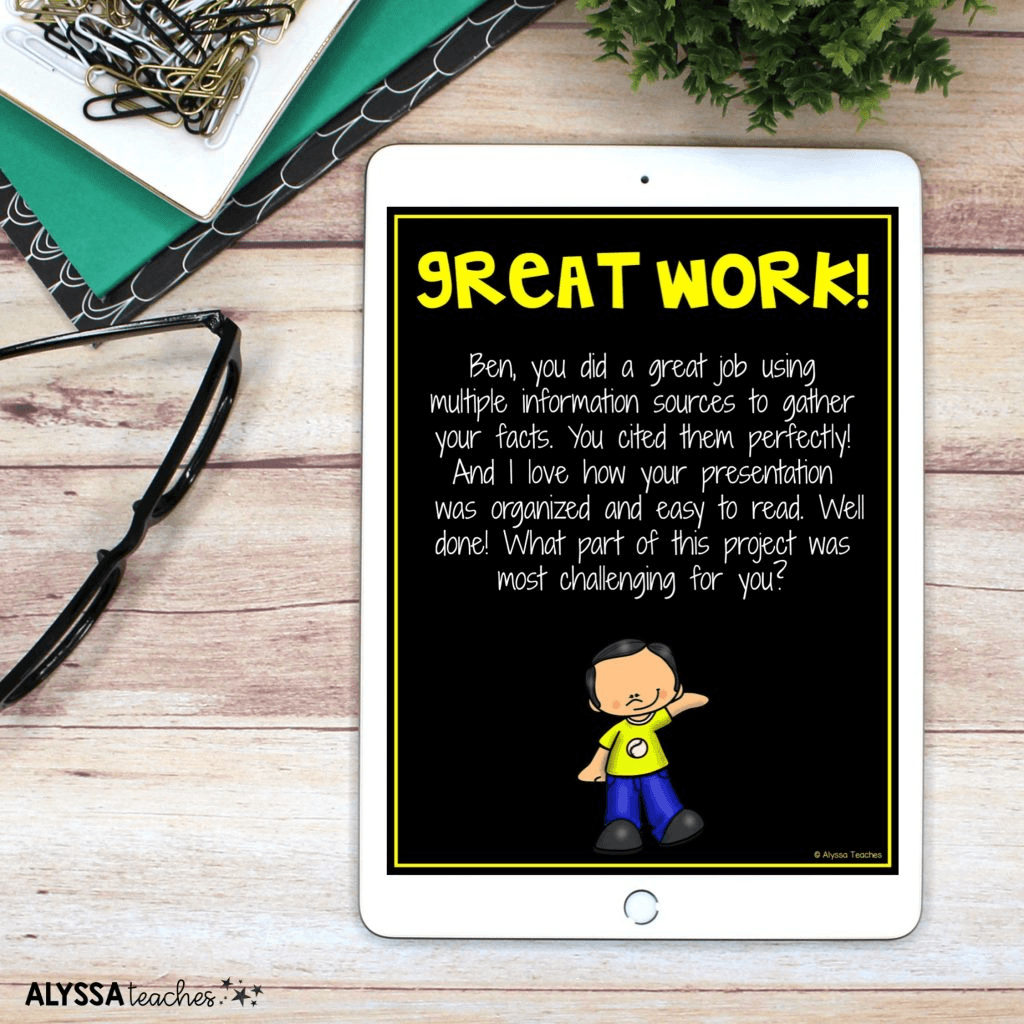
How to give useful feedback on a classmate's paper
By
Princeton Journal of Pre-Collegiate Research
Read more

Student editorial boards: how they work
By
Princeton Journal of Pre-Collegiate Research
Read more
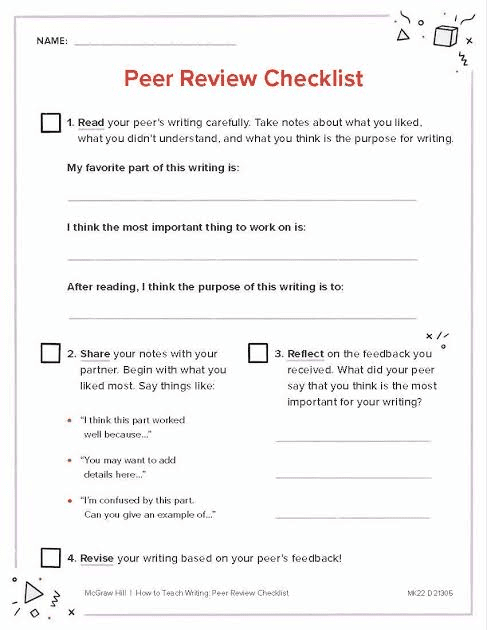
How to write a peer review as a student
By
Princeton Journal of Pre-Collegiate Research
Read more

Peer review etiquette: tone, structure, fairness
By
Princeton Journal of Pre-Collegiate Research
Read more

Version control for research documents
By
Princeton Journal of Pre-Collegiate Research
Read more

Digital vs paper lab notebooks for students
By
Princeton Journal of Pre-Collegiate Research
Read more

Data management basics for student researchers
By
Princeton Journal of Pre-Collegiate Research
Read more

How to keep a lab notebook that reviewers trust
By
Princeton Journal of Pre-Collegiate Research
Read more

How to organize research files across a year-long project
By
Princeton Journal of Pre-Collegiate Research
Read more

How to document your data so you can defend it
By
Princeton Journal of Pre-Collegiate Research
Read more

How to write a grant proposal as a student
By
Princeton Journal of Pre-Collegiate Research
Read more
Free resources that replace research funding
By
Princeton Journal of Pre-Collegiate Research
Read more
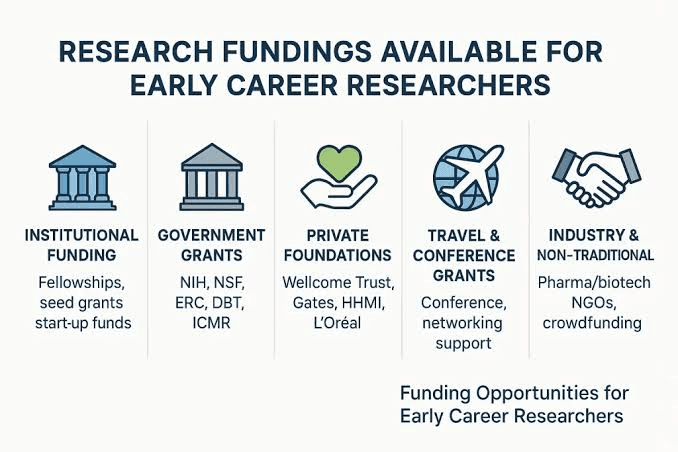
Corporate and nonprofit programs that fund student research
By
Princeton Journal of Pre-Collegiate Research
Read more

Science fair grants and material stipends explained
By
Princeton Journal of Pre-Collegiate Research
Read more

Crowdfunding a student research project: does it work
By
Princeton Journal of Pre-Collegiate Research
Read more

How much does a research project actually cost
By
Princeton Journal of Pre-Collegiate Research
Read more

How to ask your school to fund your project
By
Princeton Journal of Pre-Collegiate Research
Read more

Grants for high school research projects: what exists
By
Princeton Journal of Pre-Collegiate Research
Read more

How to start a research club at your school
By
Princeton Journal of Pre-Collegiate Research
Read more