Can sophomores publish research papers
Princeton Journal of Pre-Collegiate Research

Yes, sophomores can publish research papers. The question is not whether it is possible but whether you are ready to do the work required to make it happen.
High school students in their second year occupy a unique position. You have enough academic foundation to engage seriously with a research question. You still have two or more years before college applications close. That combination is powerful. Students who start early do not just publish sooner. They publish better, because they have time to revise, resubmit, and grow.
This post answers the question directly and gives you a clear roadmap for what sophomore-level publication actually looks like in practice.
Can Sophomores Publish Research Papers? The Short Answer
There is no age floor on original research. Pre-collegiate journals, including the Princeton Journal of Pre-Collegiate Research, evaluate submissions on the quality of the work, not the grade of the author. A well-designed study, a rigorous literature review, and a clearly argued conclusion can come from a tenth grader just as legitimately as from a twelfth grader.
What matters is the research itself. Is the question original? Is the methodology sound? Are the conclusions supported by evidence? Those are the criteria that peer reviewers apply. Your grade level does not appear on the evaluation rubric.
That said, sophomores do face real challenges. You may have less exposure to formal academic writing conventions. Your access to primary sources or laboratory equipment may be limited. Your research question may be broader than what a journal can accept. These are solvable problems, not disqualifying ones.
What Makes Sophomore Research Publishable
Publishable research at the pre-collegiate level shares a consistent set of characteristics regardless of when in high school it is produced. Understanding these characteristics is the first step toward producing work that clears the bar.
A Focused, Original Research Question
The single most common reason student submissions are rejected is scope. Sophomores often approach research with ambitious, sweeping questions that cannot be answered within a single paper. A publishable research question is narrow enough to be addressed with the data and methods available to you. It is also original, meaning it contributes something new rather than summarizing what others have already found.
You do not need to solve a global problem. You need to ask a specific question and answer it rigorously. A study examining how a particular variable affects a measurable outcome in a defined population is more publishable than a broad survey of an entire field.
A Methodology That Matches the Question
Your methodology must be appropriate for your question and transparent enough for a reviewer to evaluate. This means explaining how you collected data, why you chose your approach, and what limitations exist. Journals do not expect sophomore researchers to have access to university-grade equipment. They do expect intellectual honesty about what your methods can and cannot prove.
Computational research, survey-based social science, historical analysis, literary criticism, and mathematical modeling are all areas where a motivated sophomore can produce rigorous work without institutional resources. The barrier is intellectual, not financial.
Proper Citation and Academic Formatting
Academic publishing has conventions. You need to follow them. Learn the citation format required by your target journal (APA, MLA, Chicago, or another style) and apply it consistently. A paper with strong ideas but sloppy citations signals that the author is not yet familiar with scholarly norms. That impression costs you credibility before a reviewer reads your argument.
If you are unsure where to start, review published papers in your target journal and replicate their structure. That is not imitation. That is how academic writing is learned.
Why Starting in Sophomore Year Is a Strategic Advantage
Students who wait until senior year to pursue publication are working against the clock. The peer review process takes time. Revisions take time. Resubmissions take time. If you begin in tenth grade, you have a realistic window to publish before your college application deadlines arrive.
For a detailed look at how the timeline works when you start later, read our guide on Publishing Research Summer Before Senior Year Timeline. The contrast makes the sophomore advantage clear.
Starting early also gives you something that late starters cannot replicate: the opportunity to publish more than once. A sophomore who publishes in tenth grade can pursue a second, more sophisticated project in eleventh or twelfth grade. Two publications in different disciplines or at increasing levels of complexity tell a compelling story about intellectual development. That story is not available to students who wait.
There is also the question of depth. Early publication gives you something concrete to discuss in college essays, interviews, and recommendation letters. Your teachers and mentors will have had more time to observe your research process. The evidence of your commitment will be richer and more specific.
Common Concerns About Sophomore-Level Research
Is My Research Sophisticated Enough?
This is the most common concern, and it is worth addressing honestly. Some sophomore research will not be ready for publication on the first attempt. That is normal. Peer review exists precisely to identify gaps and guide revision. A submission that comes back with reviewer feedback is not a failure. It is a tutorial delivered by subject-matter experts.
The question to ask yourself is not whether your research is perfect but whether it is original, evidence-based, and honestly argued. If the answer is yes, submit it. You will learn more from the review process than from waiting another year to feel ready.
Do I Need a Faculty Mentor?
A faculty mentor is not required, but it is often helpful. A teacher, professor, or professional researcher who can review your methodology and give feedback on your drafts will strengthen your work. If your school has a research program or an independent study option, use it. If not, reach out to local universities or professionals in your field of interest. Many are willing to advise motivated students.
What you should not do is allow the absence of a mentor to become a reason for inaction. Plenty of published pre-collegiate researchers have worked independently. The research is what matters.
What If I Am Homeschooled or Outside the United States?
Publication is not restricted by school type or geography. Pre-collegiate journals accept research from students regardless of whether they attend a traditional school, a charter school, or learn at home. Our contributors come from six continents. If you are navigating this process outside a traditional school environment, see our guide on How To Publish Research Homeschooled High School Student for specific guidance.
What Subjects Can Sophomores Research?
The short answer is any subject you can investigate rigorously. STEM fields are well represented in pre-collegiate journals, but they are not the only options. Humanities research, social science studies, interdisciplinary projects, and mathematical work are all legitimate and publishable. The discipline matters less than the rigor.
Some sophomores already have a clear research interest from a science fair project, a class assignment, or independent reading. If you have competed in a science competition and produced substantial original work, that research may already be closer to publication-ready than you think. See our post on Can You Publish Research From A School Science Competition for more on that path.
Others are starting from scratch. In that case, begin by identifying a question in a subject you know well and care about. The best research comes from genuine curiosity. Forced topics produce forced arguments, and reviewers notice.
The Role of Peer Review in Your Development
One thing that distinguishes credible pre-collegiate journals from vanity publications is genuine peer review. At PJPCR, every submission goes through blind review by qualified evaluators. That means reviewers assess your work without knowing your name, your school, or your background. The work stands alone.
This process is not designed to be punishing. It is designed to be instructive. Reviewer feedback identifies weaknesses in your argument, gaps in your literature review, and methodological concerns you may not have considered. Engaging with that feedback and revising accordingly is itself a graduate-level skill. Sophomores who go through this process emerge as stronger writers and thinkers.
The feedback you receive from peer review is not a grade. It is a professional assessment of your scholarly work. Treat it accordingly.
How to Get Started as a Sophomore Researcher
The path from idea to publication follows a consistent sequence. Here is what that looks like in practical terms for a tenth grader.
Identify your research question. Start narrow. A question you can actually answer is worth more than a question that sounds impressive but cannot be investigated with available resources.
Conduct a literature review. Read what has already been published on your topic. Google Scholar, JSTOR, and your school library are starting points. Understanding the existing conversation is how you find the gap your research can fill.
Design your methodology. Decide how you will gather evidence and why that approach is appropriate for your question. Document every decision.
Collect and analyze your data. Execute your methodology carefully. Keep detailed records. Acknowledge limitations as they arise rather than hiding them.
Write your paper. Follow the structure of academic papers in your target journal: abstract, introduction, literature review, methodology, results, discussion, conclusion, references.
Revise before you submit. Get feedback from a teacher, mentor, or peer. Address every concern you can before the paper goes to review.
Submit and engage with feedback. If your paper is returned with reviewer comments, treat revision as part of the process, not a setback.
For a broader view of the publication process and how it intersects with college application timelines, our guide on How To Get Research Published Before College Deadlines is a useful companion resource.
Does Publishing in Sophomore Year Help College Admissions?
Published research is a demonstrable academic achievement. It is not a guarantee of admission to any institution, but it is evidence of intellectual initiative, disciplinary depth, and the ability to produce original work. Those qualities matter to selective colleges.
A publication that appears in a journal with genuine peer review (no shortcuts, no rubber stamps) carries more weight than a credential from a program that accepts every submission. Admissions officers are increasingly sophisticated about the difference. Publishing through a credible, rigorous journal is the version that actually counts.
For a direct look at how research publication intersects with admissions, see our post on Is Published Research Paper Worth It College Admissions.
Can Sophomores Publish Research Papers? Yes. Here Is Your Next Step.
The answer to the question has not changed: yes, sophomores can publish research papers. The journals that publish original pre-collegiate research evaluate submissions on merit, not on grade level. The students who succeed are not necessarily the most advanced. They are the most deliberate.
If you are a sophomore with a research question and the willingness to pursue it rigorously, you are already ahead of most of your peers. The process is demanding. It is also entirely within reach. Start with a focused question, commit to a sound methodology, and submit your work to a journal that takes it seriously.
The Princeton Journal of Pre-Collegiate Research publishes original research by high school students across all disciplines. We exist because serious student research deserves serious publication. Explore our Blogs for more guidance on every stage of the research and publication process, and when your work is ready, submit it to a journal that will evaluate it on its merits.
Tenth grade is not too early. For most students, it is exactly the right time to begin.
Read More

Can high school students be peer reviewers
By
Princeton Journal of Pre-Collegiate Research
Read more

What reviewing other papers teaches you about your own
By
Princeton Journal of Pre-Collegiate Research
Read more
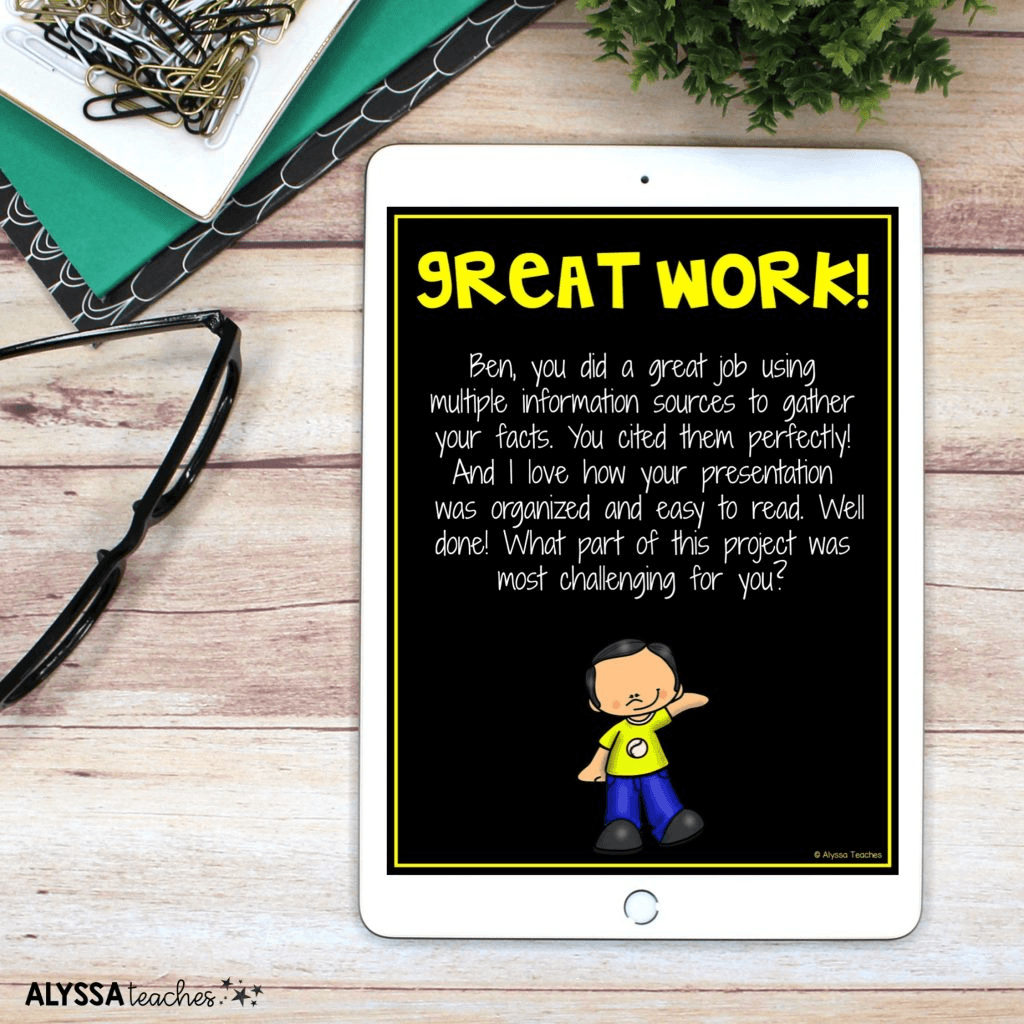
How to give useful feedback on a classmate's paper
By
Princeton Journal of Pre-Collegiate Research
Read more

Student editorial boards: how they work
By
Princeton Journal of Pre-Collegiate Research
Read more
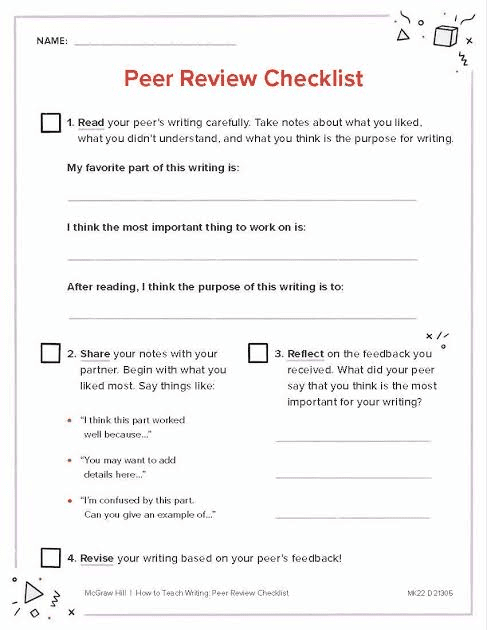
How to write a peer review as a student
By
Princeton Journal of Pre-Collegiate Research
Read more

Peer review etiquette: tone, structure, fairness
By
Princeton Journal of Pre-Collegiate Research
Read more

Version control for research documents
By
Princeton Journal of Pre-Collegiate Research
Read more

Digital vs paper lab notebooks for students
By
Princeton Journal of Pre-Collegiate Research
Read more

Data management basics for student researchers
By
Princeton Journal of Pre-Collegiate Research
Read more
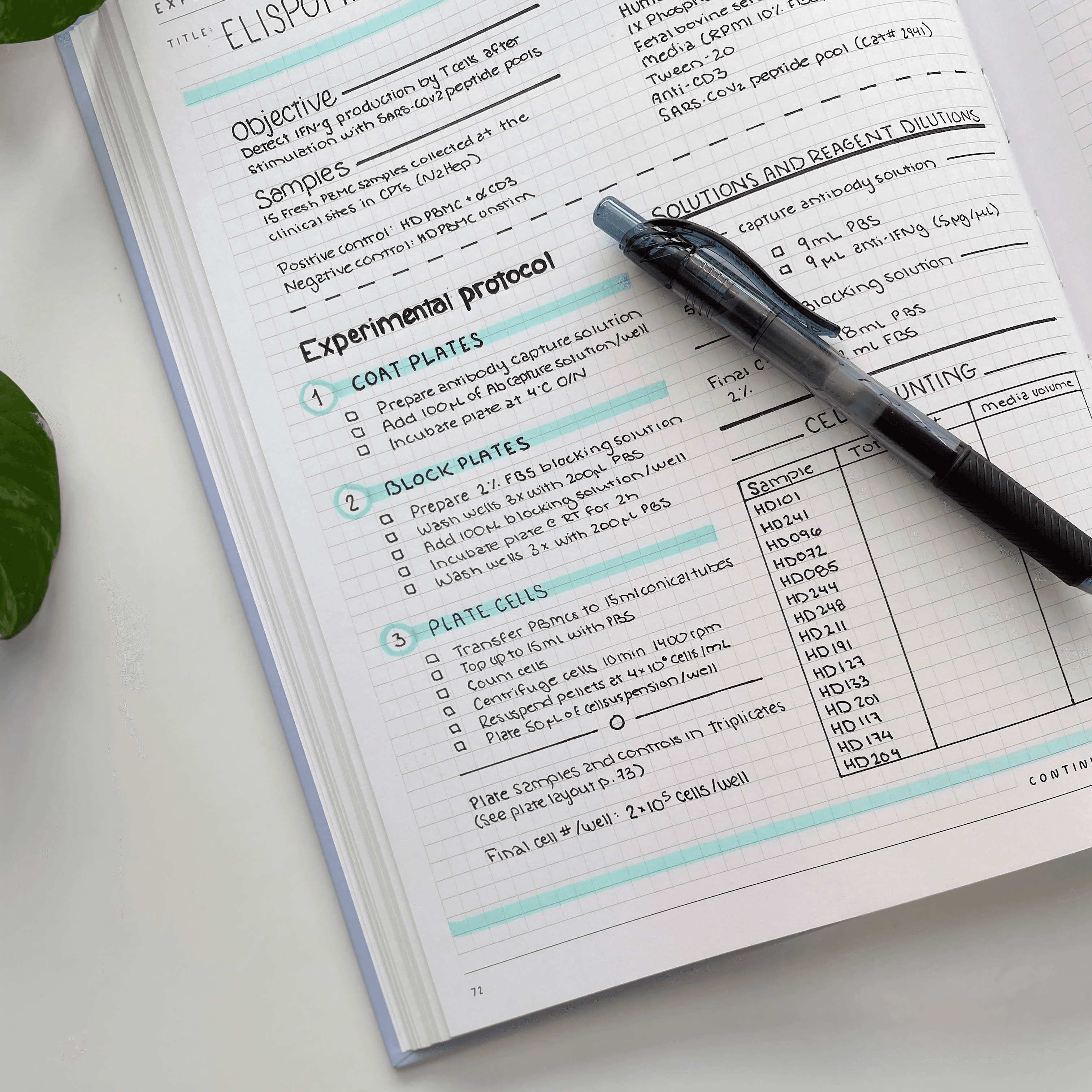
How to keep a lab notebook that reviewers trust
By
Princeton Journal of Pre-Collegiate Research
Read more

How to organize research files across a year-long project
By
Princeton Journal of Pre-Collegiate Research
Read more

How to document your data so you can defend it
By
Princeton Journal of Pre-Collegiate Research
Read more
How to write a grant proposal as a student
By
Princeton Journal of Pre-Collegiate Research
Read more
Free resources that replace research funding
By
Princeton Journal of Pre-Collegiate Research
Read more
Corporate and nonprofit programs that fund student research
By
Princeton Journal of Pre-Collegiate Research
Read more

Science fair grants and material stipends explained
By
Princeton Journal of Pre-Collegiate Research
Read more

Crowdfunding a student research project: does it work
By
Princeton Journal of Pre-Collegiate Research
Read more

How much does a research project actually cost
By
Princeton Journal of Pre-Collegiate Research
Read more

How to ask your school to fund your project
By
Princeton Journal of Pre-Collegiate Research
Read more

Grants for high school research projects: what exists
By
Princeton Journal of Pre-Collegiate Research
Read more

How to start a research club at your school
By
Princeton Journal of Pre-Collegiate Research
Read more