Can you publish research without your school's involvement
Princeton Journal of Pre-Collegiate Research

Yes, you can publish research without your school's involvement. Thousands of high school students do it every year, and the process is more accessible than most students realize.
This is one of the most common questions we receive at the Princeton Journal of Pre-Collegiate Research. Students have done the work. They have a finished paper, a real research question, and original findings. Then they wonder whether they need a teacher's signature, an institutional affiliation, or a faculty sponsor before they can submit anywhere credible. The short answer is no. The longer answer is worth understanding fully.
The Myth of Institutional Gatekeeping
Academic publishing at the university level typically requires institutional affiliation. A professor submits under their university's name. That convention exists because universities fund the research, provide the labs, and carry professional accountability. High school research operates under entirely different conditions.
Most high school students conduct research independently, at home, in public libraries, through online datasets, or in community settings. Their school did not fund the project. Their school did not design the methodology. Their school did not write the paper. Requiring institutional sign-off in that context adds bureaucratic friction without adding scholarly value.
Journals focused on pre-collegiate research understand this. They evaluate the work on its own merits. The question is not where you attend school. The question is whether your research is original, methodologically sound, and clearly communicated.
What Independent Research Actually Looks Like
Independent research does not mean unsupported research. It means research you initiated, designed, and executed without being assigned to do so by a class or teacher. You identified the question. You chose the method. You collected and analyzed the data. You wrote the paper.
Many students conduct this kind of research in areas their school does not even offer as a course. A student interested in computational linguistics, marine ecology, or behavioral economics is unlikely to find a formal classroom home for that work. That does not make the research less valid. It makes independent publishing the natural outlet.
If you are curious about what independent research looks like in a specific field, our guide on How To Do Marine Biology Research Without Lab Access walks through exactly how students approach field-based research without institutional infrastructure. The same principles apply across disciplines.
Can You Publish Research Without Your School's Involvement: The Practical Answer
Here is what the submission process actually requires at a journal like PJPCR. You need a completed research paper. You need to follow the journal's formatting and submission guidelines. You need to disclose any conflicts of interest honestly. That is the core of it.
You do not need a teacher co-author. You do not need a school letterhead. You do not need your principal's approval. You do not need to be enrolled in an AP Research course or an IB program, though students from those programs do publish here regularly.
What matters is the research itself. Peer reviewers evaluate your paper on the strength of your argument, the rigor of your methodology, and the clarity of your writing. They do not evaluate your school's ranking or your GPA. That is what meritocratic review means in practice.
What About Mentors and Advisors
Having a mentor is different from requiring institutional involvement. Many students work with a mentor, a graduate student, a professor they contacted independently, a professional in a relevant field, or a parent with subject expertise. That is encouraged. Acknowledging a mentor in your paper is standard academic practice.
But a mentor is not a gatekeeper. They do not need to co-sign your submission or formally approve your work through an institution. Their role is to support your thinking, not to authorize your right to publish. You retain authorship and agency throughout the process.
When Schools Do Get Involved (And When That Helps)
Some students choose to involve their school, and that can be genuinely useful. A teacher who reviewed your draft can be acknowledged in your paper. A school science competition that gave your project its first external feedback is worth mentioning in your research context. An AP Research or IB Extended Essay that evolved into a publishable paper is a legitimate pathway to submission.
If you completed an IB Extended Essay and are wondering whether that work qualifies for journal submission, our post on Can You Publish Your Ib Extended Essay In A Research Journal addresses the specific considerations involved. School-originated work and independently originated work are both welcome here, provided the research meets the standard.
The key distinction is this: school involvement can be a resource. It should never be a requirement. If your school is supportive, use that support. If your school is indifferent or unaware of what you are doing, that is not an obstacle to publication.
Does Your Grade Level Matter
Students sometimes assume that publishing is only realistic for juniors and seniors with years of coursework behind them. That assumption is worth challenging directly. The relevant variable is the quality of the research, not the year on your transcript.
We have published work from students at multiple grade levels. If you are an underclassman wondering whether this is even possible for you, our post on Can A Freshman Publish A Research Paper answers that question with specifics. Younger students who produce rigorous, original work are evaluated by the same standard as older students. Age is not a criterion.
For students approaching graduation and wondering about timing, our guide on Can You Publish A Research Paper In Senior Year outlines what is realistic given typical review timelines. Planning matters, but it is not too late at any stage of high school.
What Independent Publishing Signals to Colleges
Publishing research independently carries a specific signal in college applications. It demonstrates initiative. It demonstrates that your intellectual curiosity extends beyond what was assigned to you. It demonstrates that you pursued a question seriously enough to produce work that survived external peer review.
That signal is different from, and in many ways stronger than, research conducted as part of a class requirement. Admissions readers understand the difference between a graded assignment and a voluntarily submitted, independently reviewed paper. The latter reflects intrinsic motivation. That is exactly what selective institutions are looking for.
For a deeper look at how published research functions in the admissions context, our post on Is Published Research Paper Worth It College Admissions addresses the question directly and honestly, including what it does and does not accomplish in a competitive applicant pool.
Can You Publish Research Without Your School's Involvement: Common Scenarios
You Conducted a Survey or Data Analysis Project
Survey-based research and data analysis projects are among the most common forms of independent student research. You designed the survey, collected responses, cleaned and analyzed the data, and drew conclusions. No lab was required. No school funding was involved. This work is absolutely publishable, provided the methodology is sound and the analysis is honest about its limitations.
You Participated in a Science Fair or Competition
Science fair projects and competition entries are often strong candidates for journal submission. The research already exists in structured form. You have already received some form of external evaluation. Converting that work into a formal research paper requires attention to academic formatting and literature review, but the core intellectual work is done. Our guide on Publish Science Fair Project As Research Paper walks through the conversion process step by step.
You Conducted a Humanities or Social Sciences Project
Not all publishable research involves data collection. Literary analysis, historical argument, philosophical inquiry, and policy analysis are all legitimate research forms. If you built an original argument, engaged seriously with existing scholarship, and produced a well-structured paper, you have something worth submitting. PJPCR publishes across all disciplines, not just STEM.
You Used Publicly Available Datasets
Access to original data is not always necessary for original research. Many significant student papers have been built on publicly available datasets from government agencies, academic repositories, or open-source platforms. Applying a new analytical lens or research question to existing data constitutes original scholarly contribution. If you are wondering how to approach this in a technical field, our post on How To Do Data Science Research Without A Phd provides a practical framework.
The Submission Process at PJPCR
Submitting to PJPCR does not require institutional affiliation. It requires a completed, original research paper that meets our submission guidelines. Every submission undergoes double-blind peer review, meaning reviewers do not know your identity and you do not know theirs. The review is based entirely on the work.
Every published paper receives a DOI, a Digital Object Identifier, which makes your work permanently citable and indexed in academic databases. That is the same infrastructure used by professional academic journals. Your paper, if accepted, enters the scholarly record in a meaningful and lasting way.
We exist because original research by high school students deserves rigorous evaluation and credible publication. Not because students happen to attend schools that endorse their work. The research is what matters.
Can You Publish Research Without Your School's Involvement: The Bottom Line
You do not need your school's permission, endorsement, or participation to publish original research. You need a research question, a sound methodology, honest analysis, and a well-written paper. Those are things you can produce on your own.
If you are ready to take the next step, explore our Blogs section for guidance on every stage of the research and publishing process. And when your paper is ready, submit it to the Princeton Journal of Pre-Collegiate Research for blind peer review by graduate-level scholars who will evaluate your work on its merits alone.
Your research deserves to be read. Independent publication is how you make that happen.
Read More

Can high school students be peer reviewers
By
Princeton Journal of Pre-Collegiate Research
Read more

What reviewing other papers teaches you about your own
By
Princeton Journal of Pre-Collegiate Research
Read more
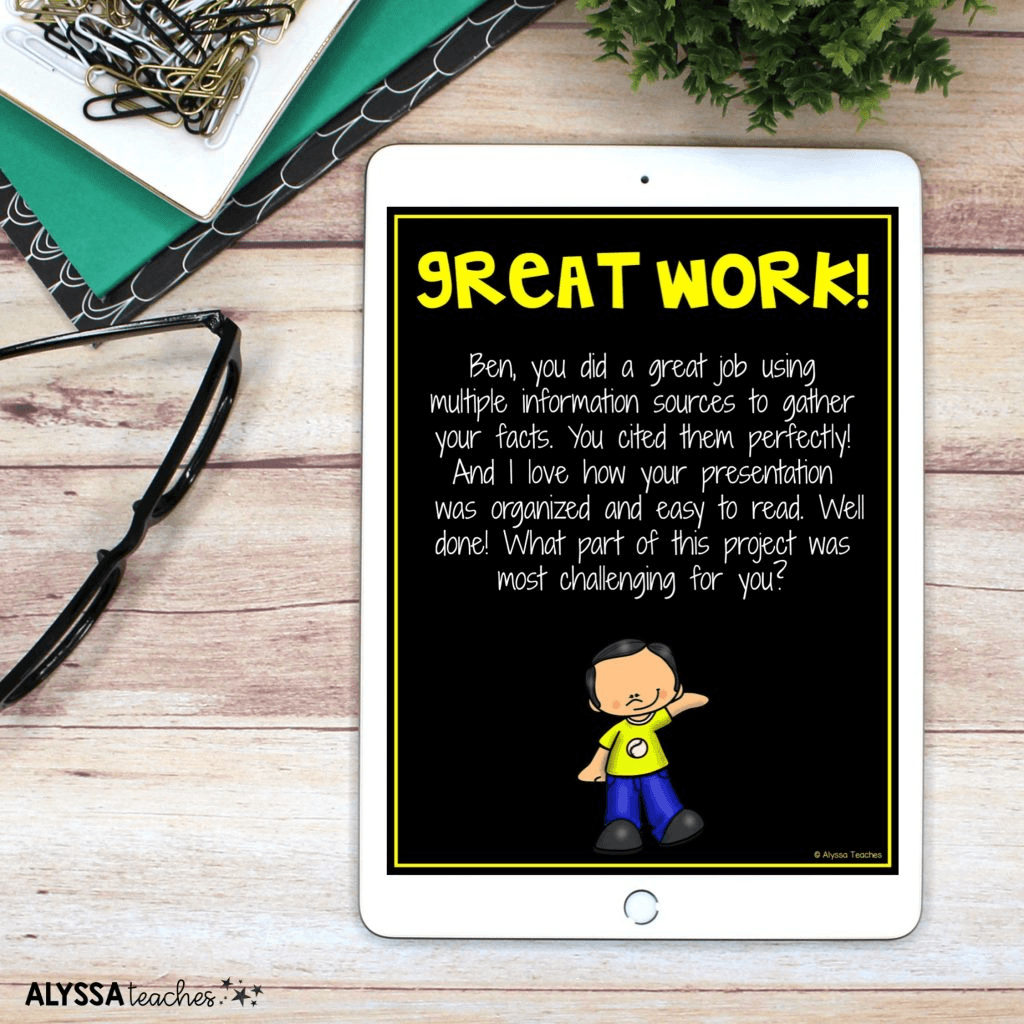
How to give useful feedback on a classmate's paper
By
Princeton Journal of Pre-Collegiate Research
Read more

Student editorial boards: how they work
By
Princeton Journal of Pre-Collegiate Research
Read more
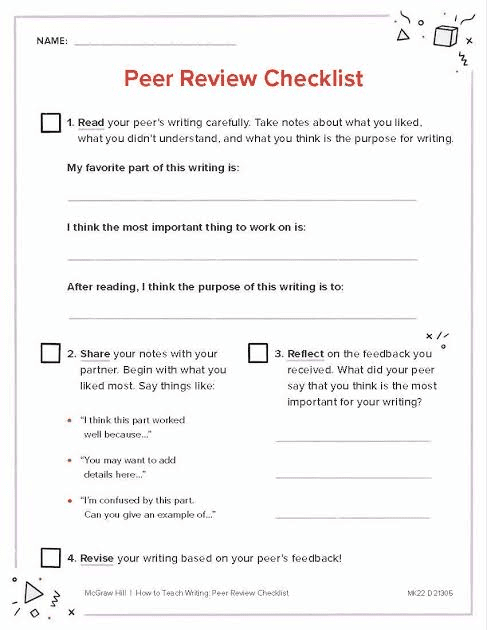
How to write a peer review as a student
By
Princeton Journal of Pre-Collegiate Research
Read more

Peer review etiquette: tone, structure, fairness
By
Princeton Journal of Pre-Collegiate Research
Read more

Version control for research documents
By
Princeton Journal of Pre-Collegiate Research
Read more

Digital vs paper lab notebooks for students
By
Princeton Journal of Pre-Collegiate Research
Read more

Data management basics for student researchers
By
Princeton Journal of Pre-Collegiate Research
Read more

How to keep a lab notebook that reviewers trust
By
Princeton Journal of Pre-Collegiate Research
Read more

How to organize research files across a year-long project
By
Princeton Journal of Pre-Collegiate Research
Read more

How to document your data so you can defend it
By
Princeton Journal of Pre-Collegiate Research
Read more

How to write a grant proposal as a student
By
Princeton Journal of Pre-Collegiate Research
Read more
Free resources that replace research funding
By
Princeton Journal of Pre-Collegiate Research
Read more
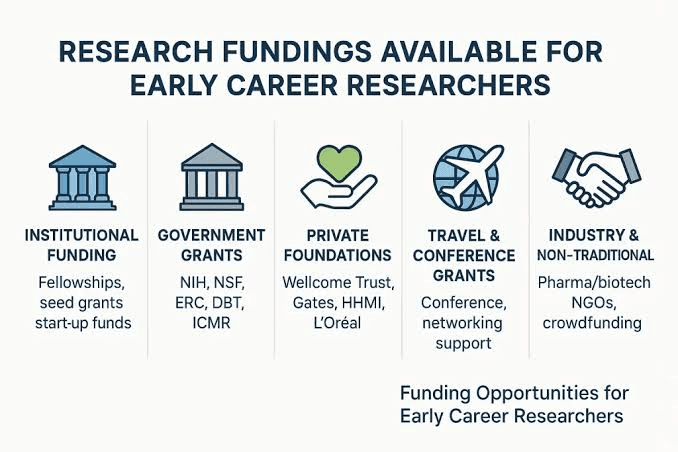
Corporate and nonprofit programs that fund student research
By
Princeton Journal of Pre-Collegiate Research
Read more

Science fair grants and material stipends explained
By
Princeton Journal of Pre-Collegiate Research
Read more

Crowdfunding a student research project: does it work
By
Princeton Journal of Pre-Collegiate Research
Read more

How much does a research project actually cost
By
Princeton Journal of Pre-Collegiate Research
Read more

How to ask your school to fund your project
By
Princeton Journal of Pre-Collegiate Research
Read more

Grants for high school research projects: what exists
By
Princeton Journal of Pre-Collegiate Research
Read more

How to start a research club at your school
By
Princeton Journal of Pre-Collegiate Research
Read more