Publishing research the summer before senior year: a realistic timeline
Princeton Journal of Pre-Collegiate Research

The summer before senior year is the most valuable academic window a high school student has. Publishing research the summer before senior year, with a realistic timeline in hand, is not only possible but achievable with the right structure.
This is not a guide about cramming. It is a guide about executing deliberately. The students who succeed do not work harder than everyone else. They work in sequence.
Why This Summer Is Different
By the time junior year ends, most students have accumulated enough coursework, curiosity, and academic exposure to identify a genuine research question. That matters. Research that originates from real intellectual interest is almost always stronger than research manufactured for a resume line.
Senior year itself is brutal for research. College applications, standardized testing, extracurricular obligations, and the emotional weight of senior fall compress every timeline. Students who wait until September to begin a research project rarely finish it before December. Students who finish it in August arrive at senior year with a completed, submitted manuscript (and that is a different kind of confidence).
The case for starting in June is not just strategic. It is structural. You have time. Use it.
The Full Timeline: Week by Week
What follows is a realistic, field-tested breakdown of how publishing research the summer before senior year can unfold on a practical timeline. Adjust for your discipline and starting point, but treat these phases as non-negotiable in sequence.
Weeks 1 to 2: Define the Question
The single most common reason student research fails is a poorly scoped question. Too broad, and the paper becomes a literature review with no original contribution. Too narrow, and there is nothing meaningful to say.
Spend the first two weeks doing three things. First, read existing work in your area of interest. Not exhaustively, but enough to understand what has already been argued. Second, identify a gap, a contradiction, or an underexplored angle. Third, write one sentence that captures your research question. If you cannot write that sentence in one try, the question is not ready.
If you have a mentor, this is the moment to engage them. Knowing the questions to ask your research mentor before starting will save you weeks of misdirection later.
Weeks 3 to 4: Build the Literature Foundation
Original research does not exist in a vacuum. Your paper must demonstrate awareness of what came before it. A literature review is not a summary. It is an argument about the state of existing knowledge and where yours fits.
Aim to read and annotate 15 to 25 credible sources during this phase. For STEM disciplines, that means peer-reviewed journal articles. For humanities and social sciences, that may include books, policy documents, and academic essays. Keep a running document of citations formatted correctly from day one (fixing citation formatting at the end costs more time than it should).
Weeks 5 to 6: Conduct the Research or Analysis
This phase looks different depending on your discipline. A biology student may be running experiments or analyzing datasets. A history student may be conducting primary source analysis. An economics student may be building a quantitative model or interpreting existing survey data.
Whatever the method, the goal by the end of week six is a complete set of findings or results. Not polished. Not written up. Just complete. You need something to argue from before you can write.
If you are wondering whether a summer timeline is even feasible for your type of project, the answer is yes for most disciplines. The guide on whether you can do a research paper over the summer addresses this directly for different research types.
Weeks 7 to 8: Write the First Draft
A first draft is not a final draft. Write without stopping to perfect individual sentences. The goal is to get the argument on paper in its complete form: introduction, literature review, methodology, findings, analysis, and conclusion.
Most student papers in the 3,000 to 6,000 word range can be drafted in two focused weeks if the research phase is truly complete. If you are still gathering sources or running analysis during the writing phase, you are behind. Return to the previous phase and finish it.
Do not skip the methodology section. Reviewers at rigorous journals will reject papers that cannot clearly explain how conclusions were reached. Clarity of method is not optional.
Weeks 9 to 10: Revise and Self-Edit
The difference between a submitted paper and a publishable paper is almost always revision. First drafts contain structural problems, unclear arguments, redundant sections, and inconsistent evidence. This is normal. It does not mean the paper is bad. It means the paper is a draft.
Read your paper aloud. Every awkward sentence becomes obvious when spoken. Cut anything that does not advance the argument. Tighten your introduction. Strengthen your conclusion. Make sure every claim is supported by evidence cited in the text.
A detailed guide on how to edit your own research paper before submission walks through this process step by step. Use it.
Week 11: Seek External Feedback
No researcher publishes without external input. That is not a weakness. It is the structure of academic knowledge production. At this stage, share your paper with a teacher, mentor, or peer who can evaluate it critically.
Ask for specific feedback, not general impressions. Is the argument clear? Is the evidence sufficient? Are there logical gaps? Does the conclusion follow from the findings? Vague feedback like "it reads well" is not useful at this stage.
If you are not sure how to solicit useful critique, the resource on how to get feedback on a research paper before submitting offers a structured approach.
Week 12: Choose a Journal and Submit
Not all journals are equal. A peer-reviewed journal with a double-blind review process, a DOI on every published paper, and a clear editorial standard is categorically different from a publication that accepts everything submitted. The distinction matters for your academic record and your credibility.
Before submitting, understand what you are submitting to. The guide on how to compare journals before you submit research gives you a framework for evaluating your options. Do not skip this step.
Format your paper to the journal's submission guidelines. Read them carefully. Submission errors are avoidable and signal carelessness to editors.
What Happens After You Submit
Submission is not the end of the process. It is the beginning of peer review. At Princeton JPCR (not affiliated with Princeton University), every submission undergoes rigorous double-blind peer review. Reviewers do not know your name, your school, or your background. Your work is evaluated on its merits.
Peer review takes time. For most journals, expect a decision in four to eight weeks. That means a paper submitted in late July or early August may receive a decision in September or October, which is still within the college application window.
If the decision is a revise-and-resubmit, that is not a rejection. It is an invitation to strengthen the work. If the decision is a rejection, that is also not the end. Understanding what to do if a research paper gets rejected is part of the process. Every working researcher has been rejected. The response to rejection defines the researcher.
The College Admissions Dimension
It would be dishonest to pretend that college applications have nothing to do with why many students pursue publication the summer before senior year. They do. And there is nothing wrong with that.
A published paper with a DOI is a permanent, verifiable credential. It exists in the academic record. Admissions readers can find it, read it, and evaluate it independently. That is different from a self-reported extracurricular activity or an award on a resume.
The full analysis of whether publishing research helps with college admissions is worth reading before senior year begins. The short version: it helps when the work is genuine, rigorous, and clearly your own.
Common Timeline Failures and How to Avoid Them
Publishing research the summer before senior year on a realistic timeline requires protecting the schedule from predictable disruptions. Here are the most common failures and their solutions.
Starting without a defined question. Students who begin by writing before they have a clear research question spend weeks producing text they later discard. Define the question first. Always.
Treating the literature review as optional. Skipping or thinning the literature review is the fastest way to receive a rejection from a rigorous journal. Reviewers notice immediately.
Waiting for perfect conditions to write. The first draft does not need to be good. It needs to exist. Write it.
Submitting without external review. Every paper benefits from a reader who is not the author. Build feedback time into the schedule, not as an afterthought.
Choosing a journal based on acceptance rate alone. A publication in a journal with no peer review process adds nothing to your academic record. Choose rigor over speed.
A Note for Parents and Advisors
If you are supporting a student through this process, the most valuable thing you can do is protect their time and resist the urge to direct the content. Research that a student genuinely owns, intellectually, is stronger than research shaped by adult intervention. Your role is logistical and emotional, not editorial.
If you are evaluating programs or journals on behalf of a student, the checklist on what to look for before your child submits to a research journal is a practical starting point. Not all journals that accept student work are credible. The ones that are worth pursuing have transparent review processes, clear editorial standards, and a track record of published work.
Publishing Research the Summer Before Senior Year: The Realistic Expectation
Publishing research the summer before senior year on a realistic timeline is achievable. It requires twelve focused weeks, a genuine research question, rigorous execution, and a willingness to revise. It does not require a laboratory, a university affiliation, or an elite program. It requires work.
The students who complete this process arrive at senior year with something most of their peers do not have: a finished, peer-reviewed contribution to their field. That is not a resume line. That is a credential. It signals intellectual maturity, follow-through, and the ability to produce original work under real academic standards.
Princeton JPCR publishes original research by high school students across 50+ academic disciplines. Every submission undergoes rigorous double-blind peer review. Every accepted paper receives a DOI. If your work is ready, submit it. If it is not ready yet, use this timeline to get it there.
The summer is finite. The published record is permanent. Start now.
Read More

Can high school students be peer reviewers
By
Princeton Journal of Pre-Collegiate Research
Read more

What reviewing other papers teaches you about your own
By
Princeton Journal of Pre-Collegiate Research
Read more
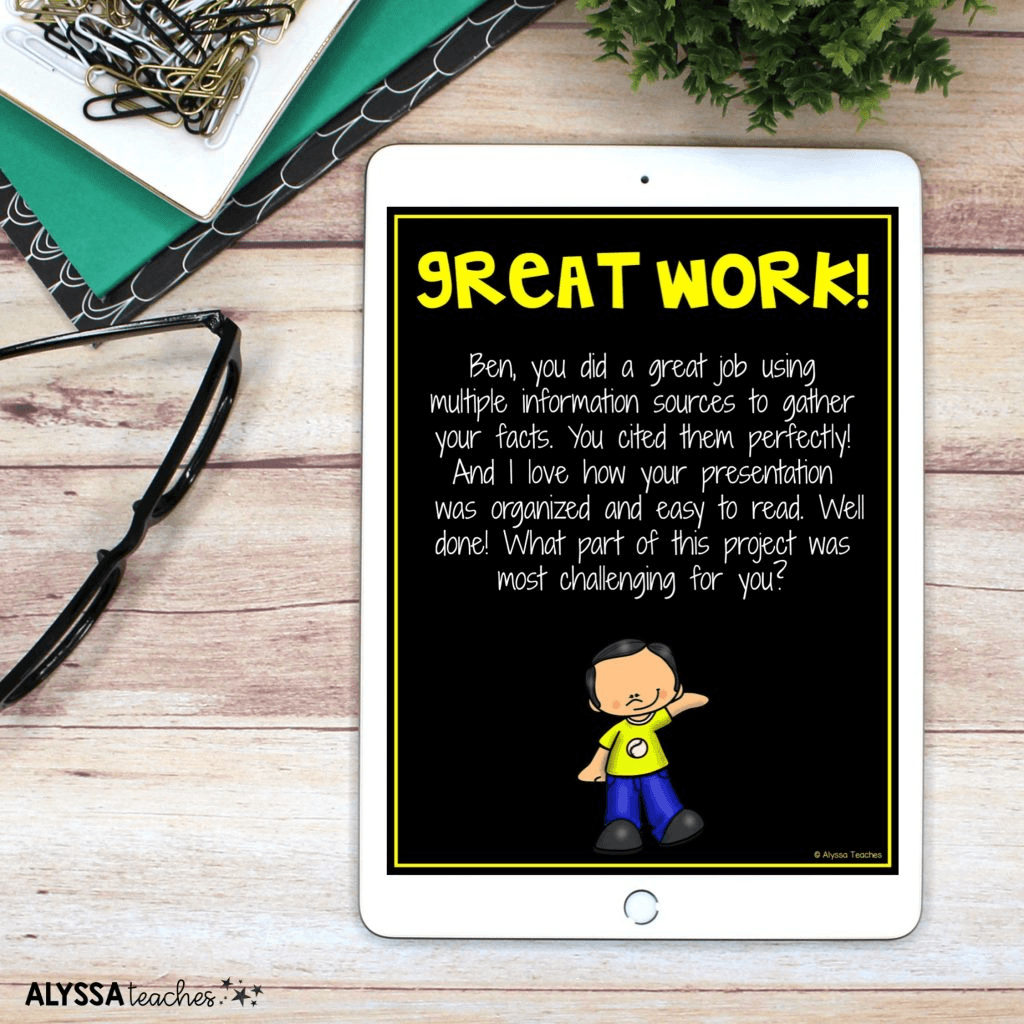
How to give useful feedback on a classmate's paper
By
Princeton Journal of Pre-Collegiate Research
Read more

Student editorial boards: how they work
By
Princeton Journal of Pre-Collegiate Research
Read more
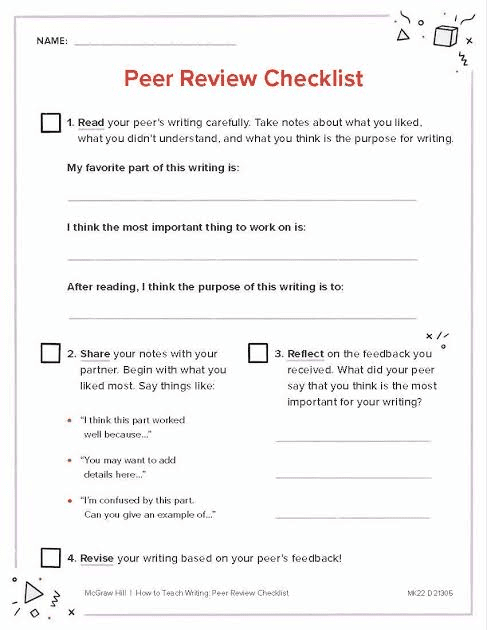
How to write a peer review as a student
By
Princeton Journal of Pre-Collegiate Research
Read more

Peer review etiquette: tone, structure, fairness
By
Princeton Journal of Pre-Collegiate Research
Read more

Version control for research documents
By
Princeton Journal of Pre-Collegiate Research
Read more

Digital vs paper lab notebooks for students
By
Princeton Journal of Pre-Collegiate Research
Read more

Data management basics for student researchers
By
Princeton Journal of Pre-Collegiate Research
Read more
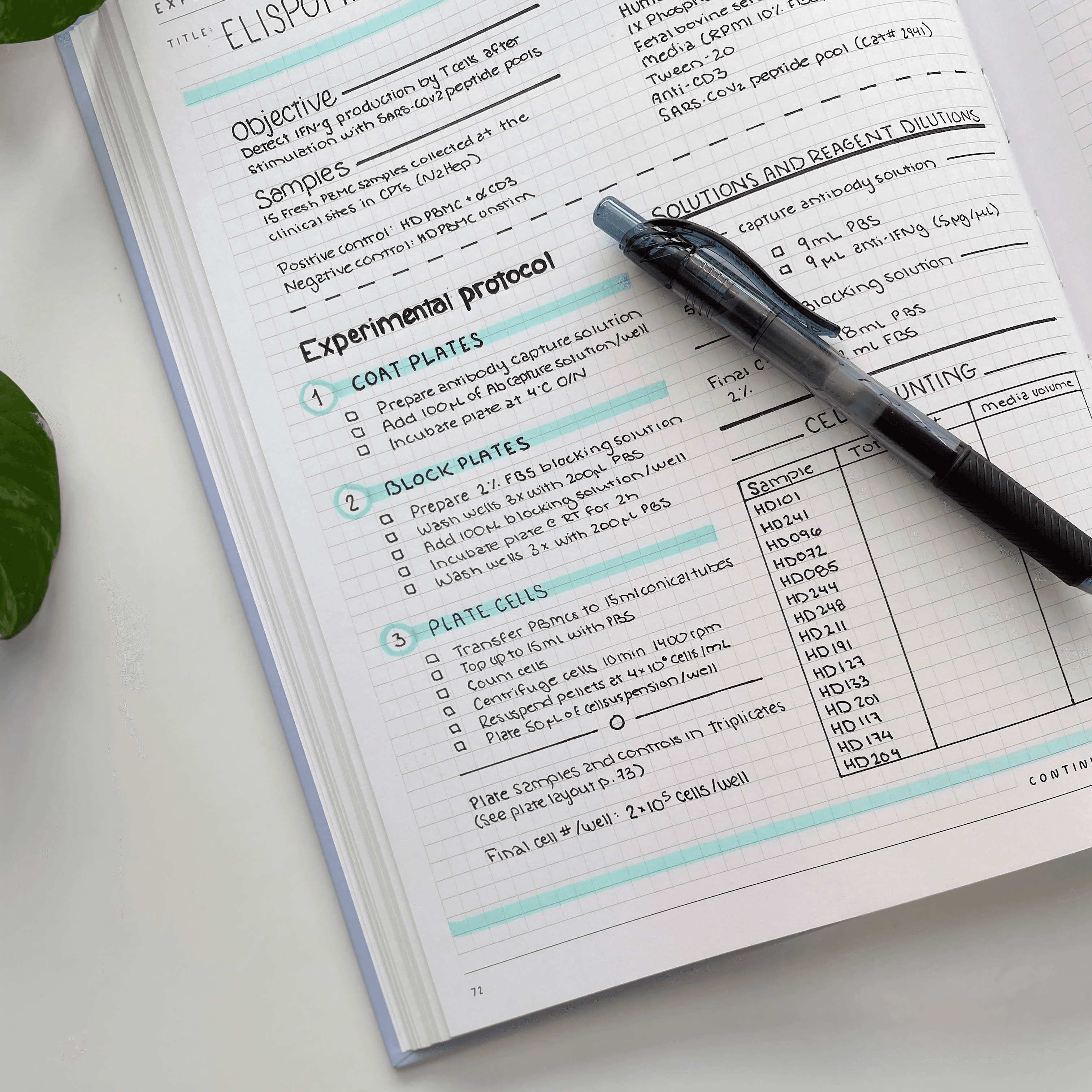
How to keep a lab notebook that reviewers trust
By
Princeton Journal of Pre-Collegiate Research
Read more

How to organize research files across a year-long project
By
Princeton Journal of Pre-Collegiate Research
Read more

How to document your data so you can defend it
By
Princeton Journal of Pre-Collegiate Research
Read more
How to write a grant proposal as a student
By
Princeton Journal of Pre-Collegiate Research
Read more
Free resources that replace research funding
By
Princeton Journal of Pre-Collegiate Research
Read more
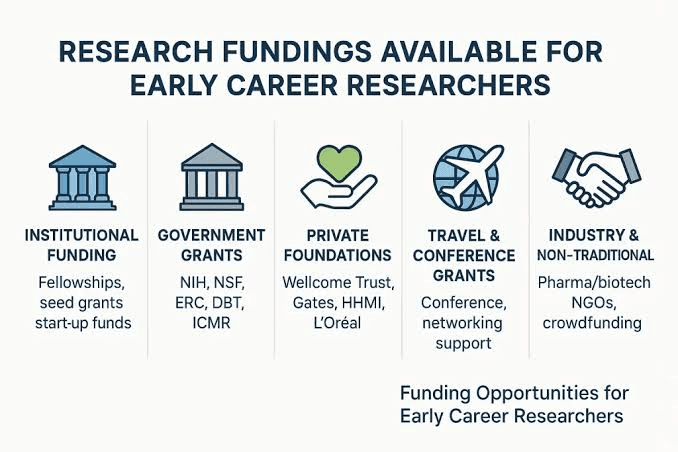
Corporate and nonprofit programs that fund student research
By
Princeton Journal of Pre-Collegiate Research
Read more

Science fair grants and material stipends explained
By
Princeton Journal of Pre-Collegiate Research
Read more

Crowdfunding a student research project: does it work
By
Princeton Journal of Pre-Collegiate Research
Read more

How much does a research project actually cost
By
Princeton Journal of Pre-Collegiate Research
Read more

How to ask your school to fund your project
By
Princeton Journal of Pre-Collegiate Research
Read more

Grants for high school research projects: what exists
By
Princeton Journal of Pre-Collegiate Research
Read more

How to start a research club at your school
By
Princeton Journal of Pre-Collegiate Research
Read more