A counselor's guide to high school research publication
Princeton Journal of Pre-Collegiate Research

Your students are producing original research. The question is whether that work disappears into a folder or earns a permanent, citable place in the academic record. This counselor's guide to high school research publication gives you the framework to answer that question confidently, for every student you advise.
Publication is no longer reserved for graduate students or tenured faculty. Rigorous, peer-reviewed journals now accept original work from pre-collegiate researchers across every discipline. Your role as a counselor is to help students identify the right venue, understand the process, and submit work that meets genuine scholarly standards.
Why Research Publication Matters for High School Students
A published paper is evidence. It demonstrates that a student's work survived independent expert scrutiny, not just a classroom grade. Admissions committees, scholarship reviewers, and future mentors all recognize the difference between a research project and a peer-reviewed publication.
The benefits extend beyond college applications. Students who publish learn to accept structured criticism, revise under pressure, and communicate complex ideas to audiences outside their immediate classroom. These are graduate-level professional skills acquired years ahead of schedule.
For first-generation students or those without access to elite academic networks, publication levels the playing field in a concrete way. A DOI-indexed paper is portable, verifiable, and institution-neutral. If you advise students from under-resourced schools, this matters enormously. Our high school research journal guide for first-generation students addresses this directly and is worth sharing with families navigating the process for the first time.
What Counselors Need to Understand About the Publication Landscape
Not all journals are equal. The pre-collegiate publishing space includes rigorous peer-reviewed outlets alongside predatory journals that accept nearly any submission for a fee. Counselors who cannot distinguish between the two are poorly positioned to advise students effectively.
A credible journal for high school researchers shares several characteristics. It conducts blind peer review by qualified reviewers (graduate students, faculty, or subject-matter experts). It assigns DOIs to published papers, making them permanently citable and indexed. It publishes an editorial board and maintains transparent submission policies. And it does not guarantee acceptance in exchange for payment.
Understanding publication costs is also part of your responsibility. Some legitimate journals charge modest article processing fees; others are entirely free to submit. Families deserve honest guidance on what is reasonable. Our resource on how much research publication should cost gives you a practical benchmark to share with parents who are understandably skeptical of fees.
A Counselor's Guide to High School Research Publication: The Submission Process Step by Step
Walking a student through submission for the first time is easier when you understand each stage. Here is what the process typically looks like at a rigorous pre-collegiate journal.
Stage One: Manuscript Preparation
The student must have a complete, original research paper before approaching any journal. This sounds obvious, but many students attempt to submit prematurely. The paper needs a clear research question, a documented methodology, analyzed results or arguments, and a properly formatted bibliography.
Formatting requirements vary by journal but generally follow established academic style guides (APA, MLA, Chicago, or a journal-specific template). Encourage students to read submission guidelines carefully before they format a single page. Our detailed walkthrough on how to format a research paper for publication is a practical starting point for students who have never navigated this process.
Stage Two: Journal Selection
Help students match their work to the right venue. A history paper belongs in a journal that publishes humanities research. A physics investigation belongs somewhere that can recruit qualified STEM reviewers. Submitting to a mismatched journal wastes time and often results in desk rejection before peer review even begins.
Turnaround time is another legitimate factor. Some students are working against application deadlines. Faster journals are not necessarily less rigorous, but students should understand the tradeoffs. Our comparison of the fastest high school research journals for publication gives a useful overview of timeline expectations across different outlets.
Stage Three: Peer Review
Blind peer review means reviewers evaluate the paper without knowing the author's identity or school affiliation. This is the mechanism that makes publication meaningful (and the reason a student from a rural public school can publish alongside students from elite private institutions). Reviewers assess the quality of the research, the validity of the methodology, and the clarity of the writing.
Students should expect one of three outcomes: acceptance, revision requests, or rejection. Revision requests are not failures. They are the normal outcome of rigorous review and an opportunity to strengthen the work. Counsel students in advance so that a revision request does not feel like a setback.
Stage Four: Revision and Resubmission
Reviewer feedback is specific and actionable in a well-run journal. Students address each comment systematically and resubmit with a response letter explaining every change made. This stage teaches intellectual humility and precision in a way that classroom feedback rarely does.
Stage Five: Publication and DOI Assignment
Upon acceptance, the paper is formatted for publication and assigned a DOI (Digital Object Identifier). The DOI is permanent and makes the paper citable by other researchers. This is what transforms a student project into a contribution to the scholarly record.
Discipline-Specific Guidance for Counselors
Students often assume research publication is only available to STEM researchers. This is incorrect. Original research in history, social sciences, humanities, and interdisciplinary fields is equally publishable when it meets methodological standards.
For students writing in the humanities, the research question and argument structure are paramount. A student working on a history paper should understand primary source analysis, historiography, and proper citation conventions. Our guide on writing a history research paper in high school walks through these requirements in detail.
For STEM students, methodology documentation and data integrity are non-negotiable. A physics paper that cannot clearly describe its experimental setup will not survive peer review regardless of how interesting the results are. Direct students to our physics research paper guide for high school students before they begin drafting.
Students in emerging or interdisciplinary areas, including criminology, nutrition science, urban planning, and art history, may not realize that their work is publishable. These fields have well-established research methodologies and legitimate publication venues. Broadening a student's sense of what counts as research is one of the most valuable things a counselor can do.
Common Mistakes Counselors Should Help Students Avoid
Submitting to multiple journals simultaneously is considered unethical in academic publishing. Students must submit to one journal at a time and wait for a decision before approaching another outlet. Make this clear before they submit anything.
Plagiarism, including self-plagiarism from a previous class paper, will result in immediate rejection and can damage a student's academic reputation. Originality is not optional; it is the foundation of the entire enterprise.
Overpromising in the abstract or introduction is another common error. Students who claim sweeping conclusions that their data does not support will face pointed criticism from reviewers. Train students to let the evidence lead and to scope their claims appropriately.
Finally, watch for journals that charge large upfront fees and guarantee publication without review. These are predatory outlets. A publication credit from a predatory journal provides no credible signal and can actually raise red flags for sophisticated admissions readers.
Connecting Publication to the College Application
A peer-reviewed publication is a verifiable academic credential. It belongs on the Common App, in scholarship applications, and in any academic portfolio. Students should know how to present it accurately and compellingly.
The key is specificity. Listing a publication with its full title, journal name, DOI, and publication date is far more credible than a vague mention of research experience. Admissions readers who encounter a properly cited publication can verify it in seconds. Our guide on how to include research publications on the Common App gives students a step-by-step approach to presenting this credential effectively.
Students who completed AP Research or a similar structured research program are often sitting on publishable work without realizing it. A polished AP Research paper may need targeted revision to meet journal standards, but the foundational work is already done. Help these students understand that their existing work has additional value. Our post on how to turn an AP Research paper into a journal publication makes this pathway explicit.
A Counselor's Guide to High School Research Publication: Choosing the Right Journal
Princeton JPCR (the Princeton Journal of Pre-Collegiate Research) is an international, peer-reviewed journal publishing original work by high school students across all academic disciplines. Every submission goes through blind peer review. Every published paper receives a DOI. Feedback is substantive and designed to teach, not just gatekeep.
PJPCR publishes work across STEM, humanities, social sciences, and interdisciplinary fields. The journal accepts submissions from students on six continents and holds student research to the same methodological standards applied to graduate-level work (no shortcuts, no rubber stamps). The journal is independently operated and is not affiliated with Princeton University.
For counselors building a sustainable research publication pipeline at their school, PJPCR offers a credible, accessible, and rigorous destination for student work. Explore the full range of resources available at the PJPCR blog to support your advising practice.
Building a Research Culture at Your School
Individual publication advising is valuable. Systematic culture change is transformative. Counselors who integrate research publication into the school's academic identity create compounding benefits over time: students who see peers publish become motivated to produce their own original work.
Start with the students who are already doing research. Help one student publish. Then make that success visible to the broader student body. The demonstration effect is powerful. Achievement-oriented students respond to concrete evidence that publication is possible for someone like them, at a school like theirs.
Partner with faculty who are already assigning research projects. A rigorous senior thesis or extended essay is often one structured revision away from submission-ready. You do not need to build a new program from scratch; you need to extend what already exists.
Conclusion: Your Role in This Counselor's Guide to High School Research Publication
Publication is achievable. The process is learnable. And your guidance is the variable that most often determines whether a capable student takes the step or does not. This counselor's guide to high school research publication is designed to give you the confidence to advise clearly and the resources to back it up.
Students who publish original peer-reviewed research in high school arrive at university with a credential that most of their peers will not earn until graduate school. That advantage is real, and it is available to any student willing to do the work.
Start with one student. Point them to a credible journal. Walk them through the process. The rest follows from there. Visit Princeton JPCR to learn more about submission guidelines, review standards, and what rigorous pre-collegiate publication looks like in practice.
Read More

Can high school students be peer reviewers
By
Princeton Journal of Pre-Collegiate Research
Read more

What reviewing other papers teaches you about your own
By
Princeton Journal of Pre-Collegiate Research
Read more
How to give useful feedback on a classmate's paper
By
Princeton Journal of Pre-Collegiate Research
Read more

Student editorial boards: how they work
By
Princeton Journal of Pre-Collegiate Research
Read more
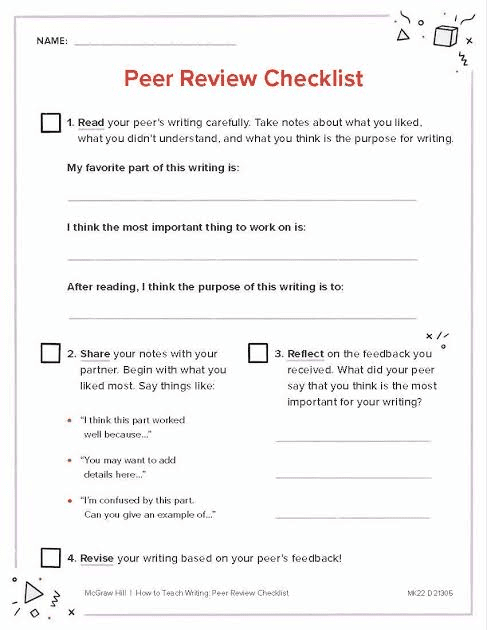
How to write a peer review as a student
By
Princeton Journal of Pre-Collegiate Research
Read more

Peer review etiquette: tone, structure, fairness
By
Princeton Journal of Pre-Collegiate Research
Read more

Version control for research documents
By
Princeton Journal of Pre-Collegiate Research
Read more

Digital vs paper lab notebooks for students
By
Princeton Journal of Pre-Collegiate Research
Read more

Data management basics for student researchers
By
Princeton Journal of Pre-Collegiate Research
Read more
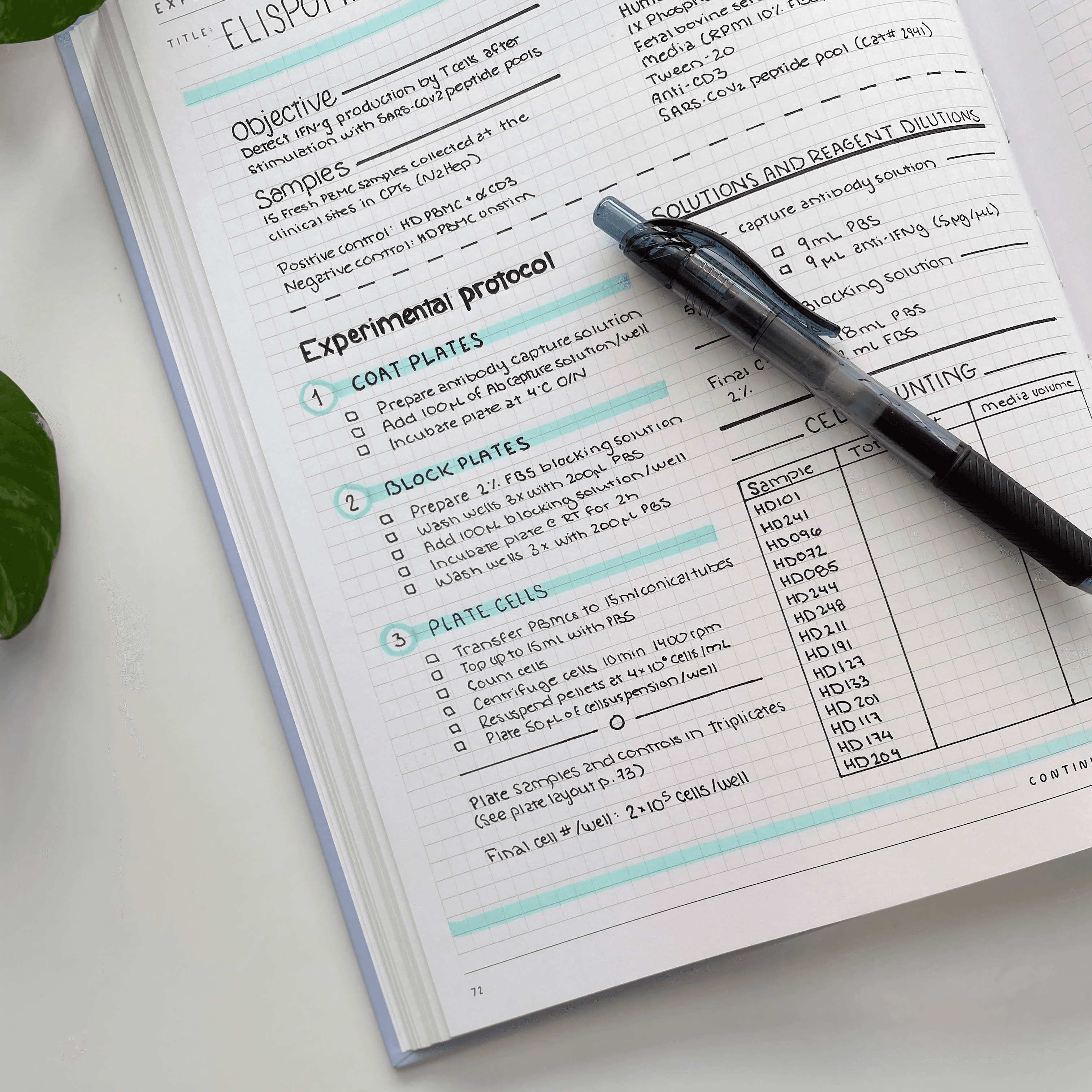
How to keep a lab notebook that reviewers trust
By
Princeton Journal of Pre-Collegiate Research
Read more

How to organize research files across a year-long project
By
Princeton Journal of Pre-Collegiate Research
Read more

How to document your data so you can defend it
By
Princeton Journal of Pre-Collegiate Research
Read more

How to write a grant proposal as a student
By
Princeton Journal of Pre-Collegiate Research
Read more
Free resources that replace research funding
By
Princeton Journal of Pre-Collegiate Research
Read more
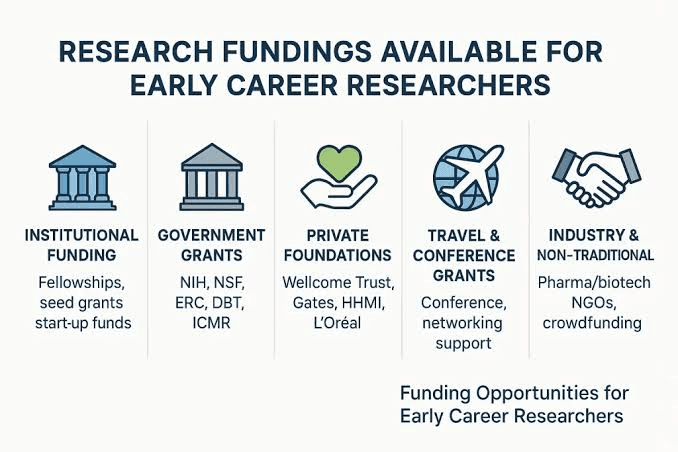
Corporate and nonprofit programs that fund student research
By
Princeton Journal of Pre-Collegiate Research
Read more

Science fair grants and material stipends explained
By
Princeton Journal of Pre-Collegiate Research
Read more

Crowdfunding a student research project: does it work
By
Princeton Journal of Pre-Collegiate Research
Read more

How much does a research project actually cost
By
Princeton Journal of Pre-Collegiate Research
Read more

How to ask your school to fund your project
By
Princeton Journal of Pre-Collegiate Research
Read more

Grants for high school research projects: what exists
By
Princeton Journal of Pre-Collegiate Research
Read more

How to start a research club at your school
By
Princeton Journal of Pre-Collegiate Research
Read more