Can you publish a research paper in senior year
Princeton Journal of Pre-Collegiate Research

Senior year is already packed. College applications, standardized tests, final grades, and the quiet pressure of figuring out what comes next. And yet, the question keeps surfacing: can you publish a research paper in senior year, or is it simply too late?
The short answer is yes. The longer answer is that senior year is not only possible, it is one of the most strategically valuable times to do it. A published paper in your senior year demonstrates intellectual initiative at exactly the moment admissions offices are paying the closest attention.
This guide breaks down how it works, what the timeline actually looks like, and what stands between you and a peer-reviewed publication before graduation.
The Timeline Is Tighter Than You Think (but Not Impossible)
Most students assume academic publishing takes years. For professional journals targeting faculty researchers, that is often true. But student-focused, peer-reviewed journals operate on a different timeline, one designed with the academic calendar in mind.
At Princeton JPCR (not affiliated with Princeton University), the submission-to-decision process is structured to move efficiently. Peer review is rigorous, but it does not drag on for eighteen months. Students who submit a polished, complete manuscript can receive a decision within weeks, not semesters.
The realistic breakdown looks like this: drafting and revising your paper takes two to six weeks depending on your starting point. Submission and peer review adds several more weeks. Revisions based on reviewer feedback, if required, add additional time. From a finished draft to a published paper with a DOI, the process is achievable within a single academic term.
Senior year has two natural windows. The first is the fall semester, before early decision deadlines. The second is the spring semester, after applications are submitted but before graduation. Both windows are viable. The fall window carries more admissions weight. The spring window still produces a credential that follows you into college and beyond.
Can You Publish a Research Paper in Senior Year if You Have Not Started Yet?
This is the question most students are actually asking. Not whether it is theoretically possible, but whether it is possible for them, right now, without months of prior preparation.
The honest answer depends on one thing: do you have a research question you care about? Publication does not require a laboratory, a university mentor, or access to expensive equipment. It requires original thinking, a defensible methodology, and the willingness to write with precision and rigor.
Students publish original research across every discipline imaginable. Literature analysis, historical argument, sociological observation, environmental data collection, mathematical modeling, psychological theory review, policy critique. If you have spent time thinking seriously about a topic, you likely have the foundation of a paper already.
What you need to add is structure. A clear research question. A methodology section that explains how you approached the question. A literature review that situates your work within existing scholarship. A findings or analysis section. A conclusion that does not overreach. These are learnable components, and the process of assembling them is itself an education.
If you are wondering whether your science fair project could become something more, the answer is often yes. Turning a science fair project into a published research paper is a common and effective path for students who already have data but have not yet formalized their findings into a manuscript.
What Peer Review Actually Means for Your Paper
Not all student publications are equal. A certificate from a program that reviews submissions internally and publishes everything submitted is not the same as a double-blind peer review process where independent reviewers evaluate your work without knowing your name, your school, or your background.
Princeton JPCR uses double-blind peer review. That means your paper is judged on its intellectual merit, not your credentials. A student from a rural public school and a student from a competitive private academy submit on the same terms (no shortcuts, no rubber stamps). Reviewers do not know who you are. You do not know who they are. The paper either meets the standard or it does not.
This matters for two reasons. First, it means the publication carries genuine academic credibility. Second, it means the feedback you receive is honest and instructive. Reviewers identify weaknesses, ask clarifying questions, and push you to defend your methodology. That process makes you a better researcher, regardless of whether the paper is ultimately accepted.
Every accepted paper at Princeton JPCR receives a DOI, a digital object identifier. That DOI is permanent. It makes your paper findable in academic databases by anyone, anywhere, indefinitely (it exists forever, findable by anyone). That is categorically different from a school project or a program certificate.
Does Publishing in Senior Year Actually Help with College Admissions?
This question deserves a direct answer. Yes, publishing a research paper strengthens a college application, but the mechanism matters more than the credential itself.
Admissions officers at selective universities are not checking a box when they see a published paper. They are reading a signal. The signal says: this student identified a question worth investigating, pursued it with discipline, submitted to external evaluation, and produced work that met a rigorous standard. That signal is rare. Most applicants cannot send it.
For a deeper look at how admissions officers interpret research credentials, publishing research and college admissions covers the landscape with specificity. And for students curious about elite institutions specifically, the question of whether Stanford cares about high school research publication has a nuanced but encouraging answer.
The caveat is authenticity. A paper that was written by a parent, a tutor, or an AI tool and submitted under a student's name is not a credential. It is a liability. Admissions officers are trained to identify inconsistencies between application essays, interviews, and submitted work. The paper has to be yours.
Can You Publish a Research Paper in Senior Year Across Different Countries?
Senior year looks different depending on where you are. In the United States, it typically means Grade 12. In Canada, it may be Grade 12 or OAC. In India, it is Class 12. In Australia, Year 12. The academic calendar, the exam pressures, and the college application cycles vary. But the opportunity to publish does not.
Princeton JPCR publishes student researchers from six continents. The journal accepts submissions from students regardless of their country, school system, or access to institutional resources. If you are navigating this process from outside the United States, there are specific guides worth reading.
For students in Canada, getting research published as a high school student in Canada addresses the specific context of the Canadian academic calendar. For students in Australia, publishing research as a high school student in Australia covers Year 12 timing and submission strategy. For students in India, publishing research as a high school student in India addresses Class 12 pressures and board exam timing.
The process is the same regardless of geography. The timeline considerations differ. Plan accordingly.
What Happens if Your Paper Gets Rejected?
Rejection is part of academic publishing. It is not a verdict on your intelligence or your future. It is feedback, often specific and actionable feedback, about how your paper can be strengthened.
Most first submissions require revision. Peer reviewers identify gaps in the literature review, ask for clearer methodology descriptions, or challenge conclusions that outrun the evidence. This is the process working as intended. A paper that survives rigorous review and emerges stronger is more valuable than a paper that sailed through without scrutiny.
If your paper is rejected outright, that is not the end either. Rejection often comes with reviewer comments that tell you exactly what needs to change. Revise, strengthen, and resubmit. Many published papers were rejected at least once before finding their final form. For parents navigating this with their students, what to do when your child's research paper gets rejected offers a practical and grounded perspective.
The Question of Cost
A publication fee applies for accepted papers at Princeton JPCR. This is standard practice for many peer-reviewed journals, particularly those operating open-access models where the research is freely available to anyone without a subscription paywall.
The fee covers editorial infrastructure, peer review coordination, DOI registration, and permanent hosting. It does not guarantee acceptance. Papers are reviewed blindly and accepted or rejected on merit alone. The fee is only charged if the paper meets the standard and is accepted for publication.
For parents evaluating whether this investment makes sense, whether it is worth paying for your child's research to be published addresses the question directly and honestly.
How to Start Right Now
Senior year is not the time for paralysis. If you are asking whether you can publish a research paper in senior year, the question itself is a signal that you are ready to try. Here is how to move from intention to submission.
Identify your research question. It should be specific, arguable, and genuinely interesting to you. Broad topics produce weak papers. Narrow, well-defined questions produce strong ones.
Review existing literature. Understand what has already been written on your topic. Your paper needs to add something, a new angle, a new dataset, a new argument, not simply summarize what others have said.
Choose your methodology. How are you answering your research question? Through data analysis, textual analysis, experimental observation, comparative case study? Name it explicitly and defend it.
Write the draft. Do not wait for the perfect draft. Write the complete draft first. Revision comes after.
Revise with rigor. Read your paper as a skeptical reviewer would. Where are the gaps? Where does the argument weaken? Fix those before submission.
Submit to Princeton JPCR. Follow the submission guidelines exactly. A paper rejected for formatting reasons is a preventable loss.
The process is not easy. But it is doable in senior year, and the students who do it carry something into college that no grade, no test score, and no extracurricular list can replicate: a published, peer-reviewed, permanently indexed contribution to their field.
Can You Publish a Research Paper in Senior Year? Yes. Here Is What to Do Next.
Senior year is not too late. It is not too early. It is exactly the right moment to demonstrate that you are not just preparing for college, you are already doing the work that college is supposed to teach you to do.
Princeton JPCR publishes original research by high school students across 50+ disciplines, from every corner of the world, through a rigorous double-blind peer review process that takes your work seriously (you leave a better researcher than you arrived). Every accepted paper receives a permanent DOI. Every submission receives substantive feedback.
If you are ready to find out what your research can become, start with a submission. The window is open. Senior year is not the obstacle. It is the opportunity.
Explore more on the Princeton JPCR blog for guides on every stage of the research and publication process.
Read More

Can high school students be peer reviewers
By
Princeton Journal of Pre-Collegiate Research
Read more

What reviewing other papers teaches you about your own
By
Princeton Journal of Pre-Collegiate Research
Read more
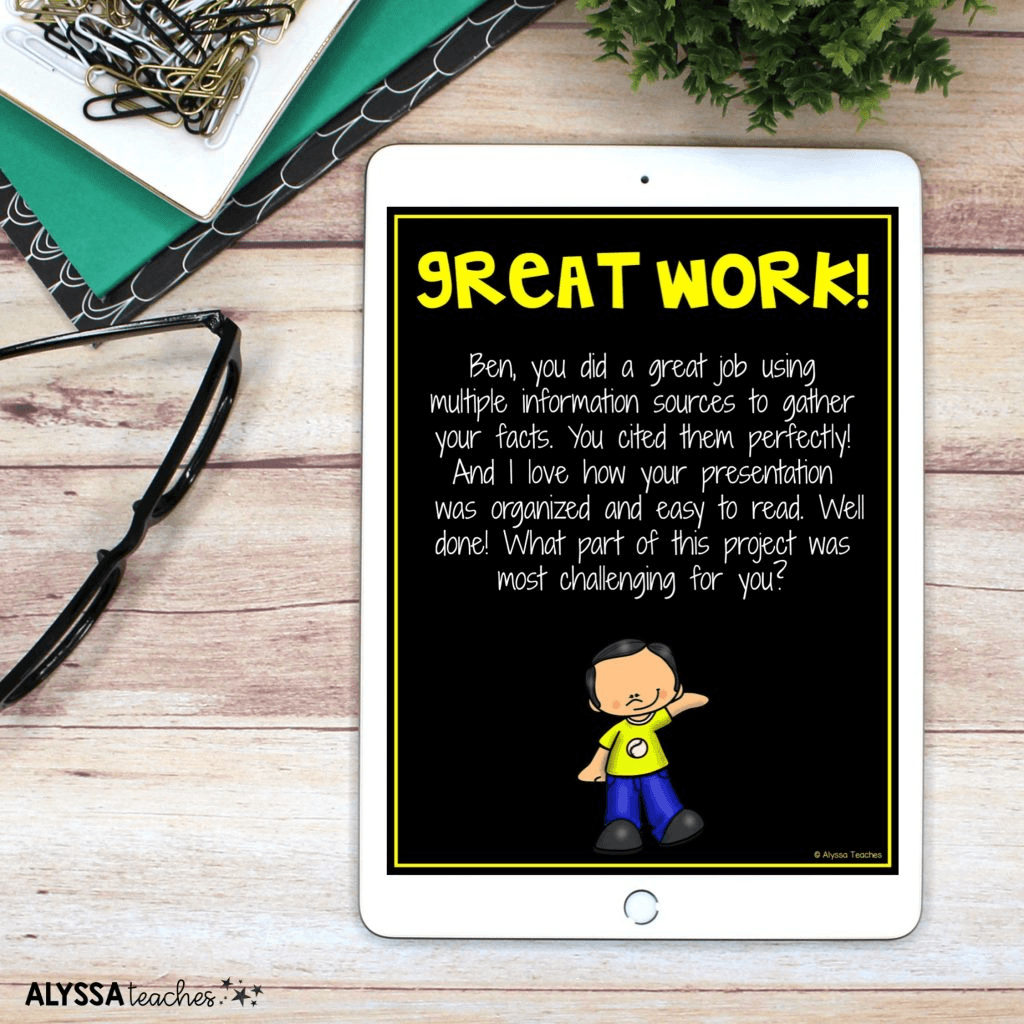
How to give useful feedback on a classmate's paper
By
Princeton Journal of Pre-Collegiate Research
Read more

Student editorial boards: how they work
By
Princeton Journal of Pre-Collegiate Research
Read more
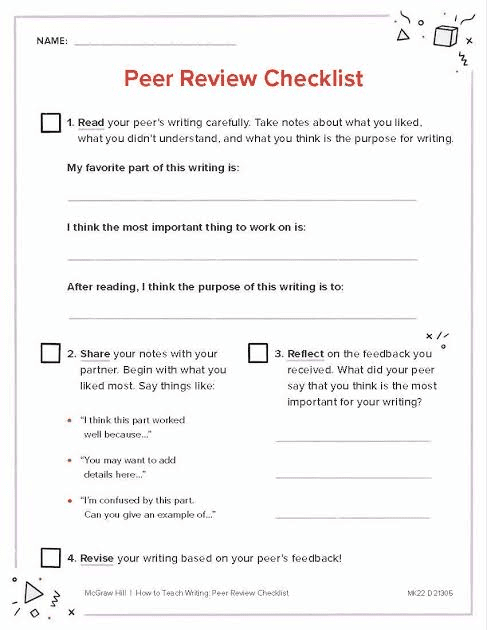
How to write a peer review as a student
By
Princeton Journal of Pre-Collegiate Research
Read more

Peer review etiquette: tone, structure, fairness
By
Princeton Journal of Pre-Collegiate Research
Read more

Version control for research documents
By
Princeton Journal of Pre-Collegiate Research
Read more

Digital vs paper lab notebooks for students
By
Princeton Journal of Pre-Collegiate Research
Read more

Data management basics for student researchers
By
Princeton Journal of Pre-Collegiate Research
Read more
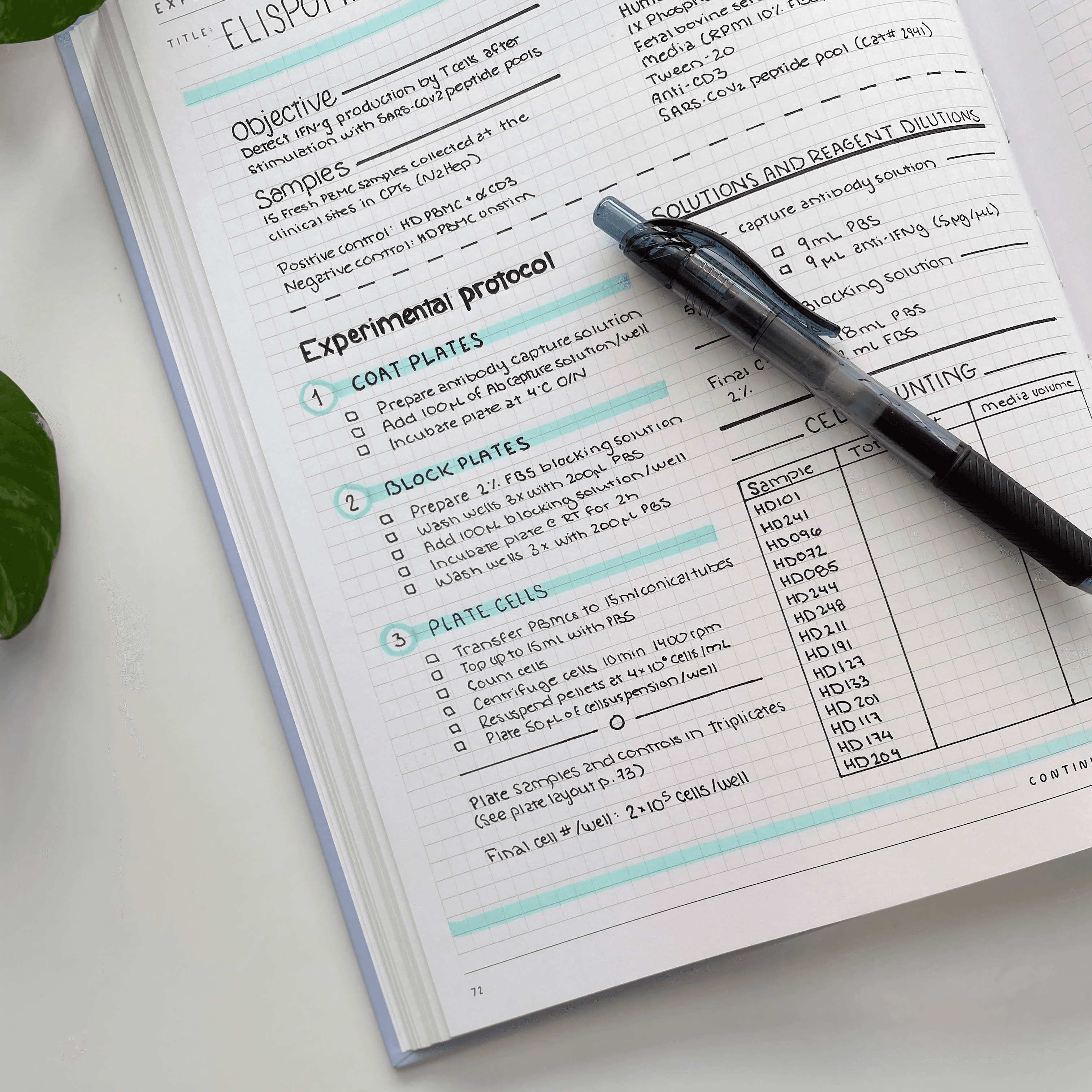
How to keep a lab notebook that reviewers trust
By
Princeton Journal of Pre-Collegiate Research
Read more

How to organize research files across a year-long project
By
Princeton Journal of Pre-Collegiate Research
Read more

How to document your data so you can defend it
By
Princeton Journal of Pre-Collegiate Research
Read more

How to write a grant proposal as a student
By
Princeton Journal of Pre-Collegiate Research
Read more

Free resources that replace research funding
By
Princeton Journal of Pre-Collegiate Research
Read more
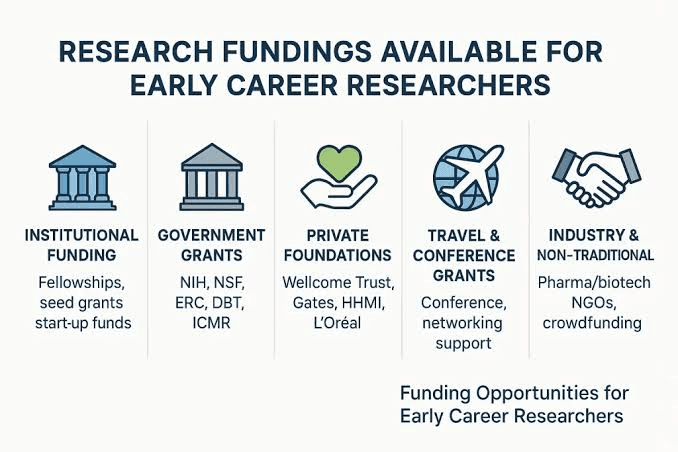
Corporate and nonprofit programs that fund student research
By
Princeton Journal of Pre-Collegiate Research
Read more

Science fair grants and material stipends explained
By
Princeton Journal of Pre-Collegiate Research
Read more

Crowdfunding a student research project: does it work
By
Princeton Journal of Pre-Collegiate Research
Read more

How much does a research project actually cost
By
Princeton Journal of Pre-Collegiate Research
Read more

How to ask your school to fund your project
By
Princeton Journal of Pre-Collegiate Research
Read more

Grants for high school research projects: what exists
By
Princeton Journal of Pre-Collegiate Research
Read more

How to start a research club at your school
By
Princeton Journal of Pre-Collegiate Research
Read more