How to plan a research project around your school schedule
Princeton Journal of Pre-Collegiate Research

Learning how to plan a research project around your school schedule is one of the most valuable skills you can develop as a student. Whether you're tackling a science fair project, a history paper, or an independent study, balancing research with classes, extracurriculars, and personal life can feel overwhelming. But with the right strategies, you can complete high-quality research without burning out or falling behind in your other subjects. This guide walks you through every step of the process, from initial planning to final submission.
Why You Need a Plan Before You Start
Many students dive into research projects without a clear roadmap, only to find themselves scrambling at the last minute. A well-structured plan saves time, reduces stress, and produces better results. Before you write a single note card or open a single browser tab, take time to map out your entire project from start to finish.
Start by identifying your deadline and working backward. If your project is due in six weeks, you need to know exactly what needs to happen in weeks one through six. This reverse-engineering approach ensures that every phase of your research gets adequate attention rather than being rushed at the end.
Consider the scope of your project carefully. A ten-page research paper requires significantly more time than a two-page summary. Be honest with yourself about how much time each task will realistically take, and then add a buffer of at least 20 percent to account for unexpected delays.
How to Plan a Research Project Around Your School Schedule: Setting Up Your Timeline
The foundation of successfully managing a research project alongside your coursework is a detailed, realistic timeline. Here's how to build one that actually works.
Step 1: Audit Your Current Schedule
Before adding anything new, take a hard look at your existing commitments. List all your classes and their workloads, any clubs or sports you participate in, part-time work if applicable, family responsibilities, and time for sleep and self-care. Be brutally honest. Many students underestimate how much time their current obligations take.
Step 2: Identify Available Research Windows
Look for consistent blocks of time in your week that could be dedicated to research. Even 30-minute windows add up significantly over several weeks. Common opportunities include free periods during the school day, time between classes, early mornings before school, and weekend afternoons. Aim to find at least five to seven hours per week for a substantial research project.
Step 3: Break Your Project into Phases
Divide your research project into distinct phases and assign each phase to a specific week or set of days. A typical research project might include the following phases:
Topic selection and narrowing your focus
Background reading and preliminary research
Developing your thesis or research question
In-depth source gathering and note-taking
Outlining your paper or project structure
Writing the first draft
Revising and editing
Final formatting and submission preparation
Assign realistic time estimates to each phase based on your audit from Step 1. Write these deadlines into your planner or digital calendar immediately.
Choosing the Right Research Topic for Your Schedule
Your choice of topic has a direct impact on how manageable your project will be. A topic that requires access to rare physical archives or expensive databases will take far more time than one with abundant online resources. When selecting your topic, consider the following factors.
First, think about resource availability. Can you access the sources you need through your school library, public library, or free online databases? Topics with limited accessible sources will eat up your time just in the searching phase.
Second, consider your existing knowledge. A topic you already know something about will require less background reading, freeing up time for deeper analysis. If you're passionate about environmental science, a research project in that area will feel less like a chore and more like an extension of your interests.
Third, evaluate the scope. A topic that is too broad will be impossible to cover thoroughly in the time you have. A topic that is too narrow may not have enough sources. Aim for the sweet spot where your topic is specific enough to be manageable but broad enough to have ample research material.
Smart Research Strategies for Busy Students
Once your timeline is set and your topic is chosen, it's time to research efficiently. Busy students cannot afford to spend hours wandering through irrelevant sources. Here are strategies that maximize your research time.
Use Academic Databases First
Google is a starting point, not a research tool. Begin with academic databases like JSTOR, Google Scholar, PubMed, or your school library's database system. These sources are peer-reviewed and credible, which means less time verifying information and more time actually using it.
Master the Art of Skimming
You do not need to read every source from cover to cover. Learn to skim abstracts, introductions, conclusions, and section headings to determine whether a source is relevant before committing to a full read. This skill alone can save you hours over the course of a project.
Take Notes Strategically
Develop a consistent note-taking system before you start gathering sources. Whether you use index cards, a digital tool like Notion or OneNote, or a simple spreadsheet, having a system means you won't waste time reorganizing your notes later. Always record the full citation information when you save a note so you're not hunting for it during the writing phase.
Batch Similar Tasks Together
Instead of switching between researching, reading, and writing in the same session, batch similar tasks together. Spend one session purely on finding sources, another on reading and taking notes, and another on writing. This approach reduces mental switching costs and helps you get into a productive flow state more quickly.
How to Plan a Research Project Around Your School Schedule: Managing Competing Deadlines
One of the biggest challenges students face is managing a research project when other assignments are also due. Here's how to handle the inevitable conflicts.
Use a Master Calendar
Keep a single master calendar that includes all your academic deadlines, not just your research project milestones. When you can see everything in one place, you can anticipate crunch periods and adjust your research schedule accordingly. If you know that week four will be heavy with midterms, plan to do extra research work in weeks three and five.
Communicate with Your Teacher or Advisor
If you're genuinely overwhelmed, talk to your teacher or research advisor early. Most educators appreciate proactive communication and may be able to offer extensions, additional resources, or guidance that makes your project more manageable. Waiting until the last minute to raise concerns rarely ends well.
Practice the Two-Minute Rule
If a research task will take less than two minutes, do it immediately rather than adding it to your to-do list. This might mean quickly saving a source, jotting down a citation, or sending an email to a librarian. Small tasks that pile up become significant time drains.
Protect Your Research Time
Treat your scheduled research sessions like class time. Don't cancel them for social activities or non-urgent requests. Consistency is the key to steady progress. Even on days when you don't feel motivated, showing up for your scheduled session and doing even a small amount of work keeps the momentum going.
Staying Motivated Throughout the Project
Long research projects are marathons, not sprints. Maintaining motivation over several weeks requires intentional strategies.
Set small, achievable milestones and reward yourself when you reach them. Finishing your outline might earn you an evening off. Completing your first draft might mean a special treat. These small rewards keep you motivated without derailing your overall schedule.
Track your progress visually. A simple checklist or progress bar showing how much of your project is complete can be surprisingly motivating. Seeing tasks move from the to-do column to the done column provides a sense of accomplishment that fuels continued effort.
Find an accountability partner if possible. A classmate working on a similar project, or even a friend who simply checks in on your progress, can provide the external accountability that makes it harder to procrastinate.
The Final Push: Revision and Submission
Many students make the mistake of treating the first draft as the final draft. Revision is where good research projects become great ones. Build at least one full week of revision time into your schedule.
During revision, check for logical flow, clarity of argument, proper citation formatting, and grammatical errors. Read your work aloud to catch awkward phrasing. If possible, have a teacher, parent, or trusted peer review your work before final submission.
Prepare your submission materials well in advance. If your project requires a physical component, a presentation, or specific formatting, handle these details at least two days before the deadline. Technical problems, printing issues, and last-minute formatting fixes are common sources of unnecessary stress.
Building Research Skills That Last Beyond School
The habits you develop while learning how to plan a research project around your school schedule will serve you far beyond your academic years. Time management, strategic thinking, and the ability to synthesize complex information are skills that employers, graduate schools, and life in general will demand of you.
Every research project you complete makes the next one easier. You'll develop a personal system that works for your learning style, your schedule, and your strengths. Over time, what once felt like an overwhelming challenge will become a manageable, even enjoyable, part of your academic life.
Start your next research project with a plan, protect your scheduled work time, research efficiently, and revise thoroughly. These four principles, applied consistently, will transform how you approach academic research and help you produce work you're genuinely proud of.
Read More

Can high school students be peer reviewers
By
Princeton Journal of Pre-Collegiate Research
Read more

What reviewing other papers teaches you about your own
By
Princeton Journal of Pre-Collegiate Research
Read more

How to give useful feedback on a classmate's paper
By
Princeton Journal of Pre-Collegiate Research
Read more

Student editorial boards: how they work
By
Princeton Journal of Pre-Collegiate Research
Read more
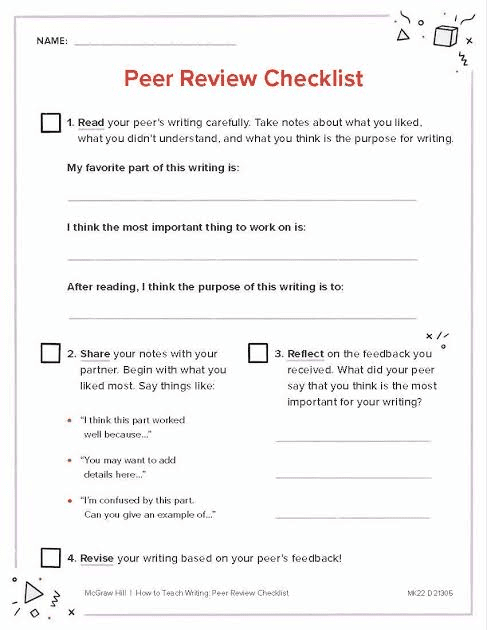
How to write a peer review as a student
By
Princeton Journal of Pre-Collegiate Research
Read more

Peer review etiquette: tone, structure, fairness
By
Princeton Journal of Pre-Collegiate Research
Read more

Version control for research documents
By
Princeton Journal of Pre-Collegiate Research
Read more

Digital vs paper lab notebooks for students
By
Princeton Journal of Pre-Collegiate Research
Read more

Data management basics for student researchers
By
Princeton Journal of Pre-Collegiate Research
Read more
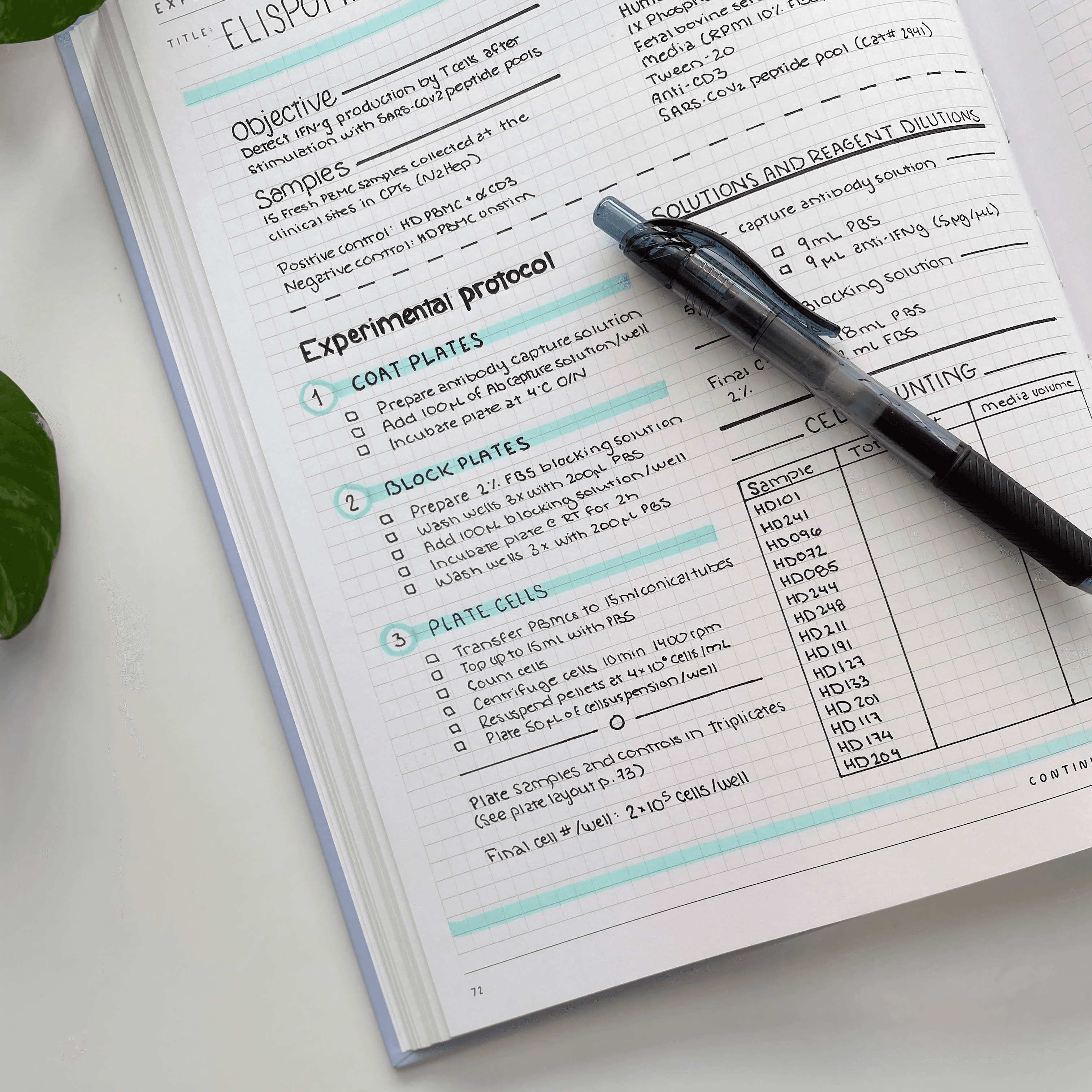
How to keep a lab notebook that reviewers trust
By
Princeton Journal of Pre-Collegiate Research
Read more

How to organize research files across a year-long project
By
Princeton Journal of Pre-Collegiate Research
Read more

How to document your data so you can defend it
By
Princeton Journal of Pre-Collegiate Research
Read more

How to write a grant proposal as a student
By
Princeton Journal of Pre-Collegiate Research
Read more
Free resources that replace research funding
By
Princeton Journal of Pre-Collegiate Research
Read more
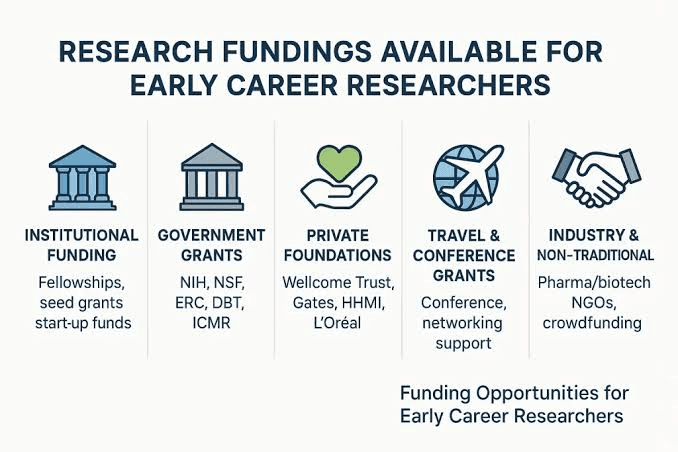
Corporate and nonprofit programs that fund student research
By
Princeton Journal of Pre-Collegiate Research
Read more

Science fair grants and material stipends explained
By
Princeton Journal of Pre-Collegiate Research
Read more

Crowdfunding a student research project: does it work
By
Princeton Journal of Pre-Collegiate Research
Read more

How much does a research project actually cost
By
Princeton Journal of Pre-Collegiate Research
Read more

How to ask your school to fund your project
By
Princeton Journal of Pre-Collegiate Research
Read more

Grants for high school research projects: what exists
By
Princeton Journal of Pre-Collegiate Research
Read more

How to start a research club at your school
By
Princeton Journal of Pre-Collegiate Research
Read more