How to stay motivated during a long research project
Princeton Journal of Pre-Collegiate Research

Most research projects do not stall because the student lacks ability. They stall because motivation runs out before the finish line appears. If you are a high school researcher three months into a six-month project, this post is written for you.
Knowing how to stay motivated during a long research project is not a personality trait reserved for exceptional students. It is a set of learnable strategies, and the researchers who finish strong are the ones who treat motivation as a skill rather than a feeling they either have or do not have.
Why Long Research Projects Feel So Difficult
A science fair project has a deadline on the calendar and a poster board at the end. A genuine research project is different. The timeline is longer, the standards are higher, and the finish line keeps moving as you learn more about your topic. That ambiguity is not a flaw in the process. It is the process. But it does create a specific kind of fatigue that short assignments never produce.
The initial excitement of choosing a topic fades quickly. You hit your first methodological wall. Your literature review turns up three papers that seem to contradict your hypothesis. Your mentor is slow to respond. These are not signs that your project is failing. They are signs that your project is real. The students who understand that distinction keep moving. The ones who do not tend to abandon strong ideas at exactly the wrong moment.
How to Stay Motivated During a Long Research Project: The Foundational Strategies
Break the Project Into Phases, Not Tasks
A to-do list of 40 items is demoralizing. A project divided into four clear phases is manageable. Think in terms of: literature review complete, methodology finalized, data collected, draft written. Each phase has a defined endpoint you can actually reach. When you complete a phase, you have something real to acknowledge (not just a checkbox, but a genuine milestone). This shift in framing changes how your brain processes progress.
Within each phase, keep your weekly targets specific and small. "Work on my paper" is not a target. "Write the first two paragraphs of the methodology section" is a target. Specificity removes the paralysis that comes from staring at a large, undefined obligation.
Reconnect With Your Original Question Regularly
You chose your research question for a reason. At some point during a long project, that reason gets buried under citation formatting, data cleaning, and revision cycles. Build a habit of returning to your original question at least once every two weeks. Read the first paragraph you ever wrote about why this topic matters. Talk to someone outside your field and explain what you are trying to find out.
That reconnection is not sentimental. It is functional. Purpose is one of the most reliable drivers of sustained effort, and purpose erodes when you spend too long in the weeds of execution. Pull yourself back up to the level of meaning, and the weeds become more tolerable.
Track What You Have Done, Not Just What Remains
Researchers have a tendency to focus on the gap between where they are and where they need to be. That gap is always visible. What becomes invisible is how far they have already traveled. Keep a running document, even a simple one, that logs what you have completed each week. A paragraph written. A source analyzed. A section revised. Looking backward at real progress is one of the most underused tools for sustaining forward momentum.
Managing the Mental Weight of Research
Normalize the Difficulty
Every researcher, at every level, experiences periods of doubt, confusion, and diminished motivation. This is not a signal to stop. It is a signal that you are doing work that is genuinely hard. Published researchers with decades of experience describe the same feelings you are experiencing right now. The difference is that they have learned to interpret those feelings as part of the process rather than evidence that they do not belong in it.
If you are working on a project rigorous enough to be submitted for peer review, you are operating at a level that demands real intellectual effort. That effort is supposed to feel difficult sometimes. Normalize it, and it loses much of its power to derail you.
Build in Structured Breaks
Working without rest does not produce better research. It produces diminishing returns and eventual burnout. Schedule breaks the same way you schedule work sessions. A 20-minute walk between two focused writing blocks is not wasted time. It is part of the system that makes the writing blocks possible. Students who treat rest as a reward they have not yet earned consistently underperform compared to those who treat it as a required input.
Longer breaks matter too. If you have been working intensively for three weeks, a weekend away from the project is not falling behind. It is maintenance. Return with fresh eyes and you will often solve problems in an hour that had you stuck for days.
Find One Other Person Who Understands What You Are Doing
Isolation is one of the most common reasons long research projects collapse. When no one around you understands what you are working on or why it matters, the project starts to feel arbitrary. Find at least one person, a classmate, a mentor, a teacher, or a peer researcher, who can engage with your work at a meaningful level. Share your progress with them. Ask for their reaction to your findings. Let them challenge your conclusions.
That kind of intellectual companionship is not a luxury. It is a structural support for the kind of sustained effort research requires. Knowing that someone else is genuinely interested in what you find makes the finding feel worth the effort.
Practical Habits That Sustain Motivation Over Months
Set a Non-Negotiable Minimum
On the days when motivation is lowest, have a non-negotiable minimum already defined. It might be 20 minutes of focused work, or reading one source, or writing one paragraph. The minimum is not your goal. It is your floor. More often than not, starting with the minimum leads to doing significantly more. But even on the days it does not, you have maintained continuity. Continuity across a long project is worth more than sporadic bursts of high productivity.
Use Deadlines You Did Not Create
Self-imposed deadlines are easy to move. External deadlines are not. Submit to a journal with a defined review cycle. Enter a research competition with a fixed submission date. Share a draft with a mentor and ask for feedback by a specific date. These external structures create accountability that your own willpower cannot reliably sustain over months. They also force you to produce something finished, which is the only real antidote to perfectionism-driven stalling.
If publication is a goal, understanding the submission process early helps you plan backward from a real deadline. Resources like How To Edit Your Own Research Paper Before Submission and How To Get Feedback On A Research Paper Before Submitting can help you prepare without losing momentum in the final stretch.
Invest in Your Writing Skills Alongside Your Research Skills
One of the most demoralizing experiences in a long research project is having strong findings and not being able to articulate them clearly. The frustration of knowing what you mean but not being able to write it erodes motivation fast. Treat writing as a parallel skill to develop throughout the project, not something you address only at the drafting stage.
Practical guides on How To Write Clearly And Concisely In Academic Research and How To Structure An Argument In A Research Paper are worth working through before you reach the drafting phase. When the writing comes more easily, the project feels more manageable overall.
Knowing How to Stay Motivated During a Long Research Project Means Knowing When to Adapt
Sustained motivation does not mean unchanging commitment to a fixed plan. Sometimes the most motivated thing you can do is change your methodology, narrow your scope, or revise your research question entirely. Researchers who treat their original plan as sacred often spend enormous energy defending a direction that no longer serves the work. Flexibility is not weakness. It is responsiveness to evidence, which is the entire point of research.
If your data is not supporting your hypothesis, that is a finding, not a failure. If your original scope was too broad, narrowing it is progress, not retreat. The ability to adapt without losing momentum is one of the most important skills a researcher can develop, and it is one that will serve you long after this project is complete.
The Finish Line Is Worth Reaching
A completed, well-executed research project is not a minor accomplishment for a high school student. It is evidence of intellectual endurance, methodological discipline, and genuine contribution to a body of knowledge. Those qualities are visible to university admissions committees, to future mentors, and to anyone who reads your published work.
If your project is strong enough to publish, the record it creates is permanent. A paper with a DOI exists in the scholarly record indefinitely (it exists forever, findable by anyone). The effort you invested in staying motivated through the hard months is the effort that makes that permanent record possible.
For students working across disciplines, from social science to STEM to humanities, the path to publication starts with finishing what you started. Guides like How To Turn A Science Fair Project Into A Published Research and How To Analyze Data In A High School Research Project can help you bridge the gap between raw work and a submission-ready paper.
Conclusion: Stay in the Work
Knowing how to stay motivated during a long research project comes down to a few core commitments: break the work into phases, reconnect with your purpose regularly, track your progress backward as well as forward, build in structured rest, and use external accountability to replace willpower when it runs low. None of these strategies require exceptional discipline. They require consistent, deliberate application.
The researchers who finish strong are not the ones who never doubted themselves. They are the ones who kept working anyway. That is the standard, and it is one you can meet.
If you are ready to take your completed research to the next level, explore what peer-reviewed publication looks like for high school students at Princeton JPCR. And for more guidance on every stage of the research process, visit our full Blogs library.
Read More

Can high school students be peer reviewers
By
Princeton Journal of Pre-Collegiate Research
Read more

What reviewing other papers teaches you about your own
By
Princeton Journal of Pre-Collegiate Research
Read more
How to give useful feedback on a classmate's paper
By
Princeton Journal of Pre-Collegiate Research
Read more

Student editorial boards: how they work
By
Princeton Journal of Pre-Collegiate Research
Read more
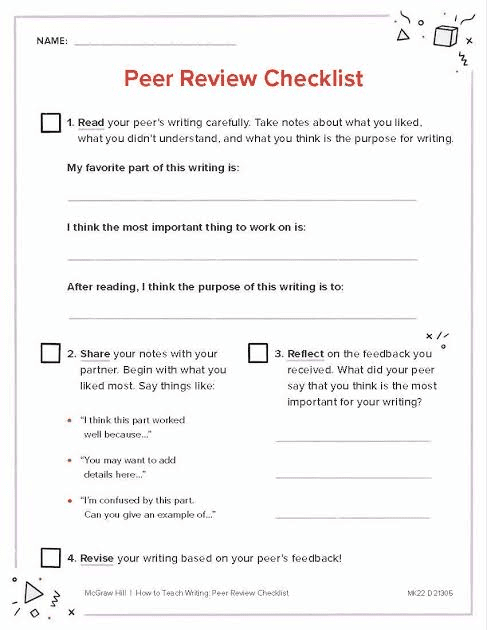
How to write a peer review as a student
By
Princeton Journal of Pre-Collegiate Research
Read more

Peer review etiquette: tone, structure, fairness
By
Princeton Journal of Pre-Collegiate Research
Read more

Version control for research documents
By
Princeton Journal of Pre-Collegiate Research
Read more

Digital vs paper lab notebooks for students
By
Princeton Journal of Pre-Collegiate Research
Read more

Data management basics for student researchers
By
Princeton Journal of Pre-Collegiate Research
Read more

How to keep a lab notebook that reviewers trust
By
Princeton Journal of Pre-Collegiate Research
Read more

How to organize research files across a year-long project
By
Princeton Journal of Pre-Collegiate Research
Read more

How to document your data so you can defend it
By
Princeton Journal of Pre-Collegiate Research
Read more

How to write a grant proposal as a student
By
Princeton Journal of Pre-Collegiate Research
Read more
Free resources that replace research funding
By
Princeton Journal of Pre-Collegiate Research
Read more
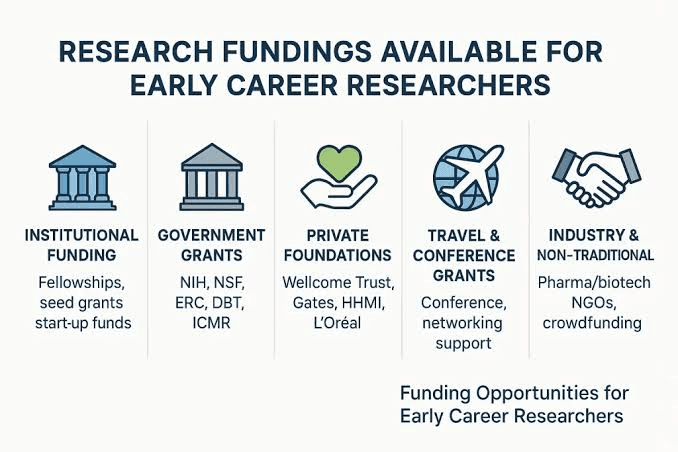
Corporate and nonprofit programs that fund student research
By
Princeton Journal of Pre-Collegiate Research
Read more

Science fair grants and material stipends explained
By
Princeton Journal of Pre-Collegiate Research
Read more

Crowdfunding a student research project: does it work
By
Princeton Journal of Pre-Collegiate Research
Read more

How much does a research project actually cost
By
Princeton Journal of Pre-Collegiate Research
Read more

How to ask your school to fund your project
By
Princeton Journal of Pre-Collegiate Research
Read more

Grants for high school research projects: what exists
By
Princeton Journal of Pre-Collegiate Research
Read more

How to start a research club at your school
By
Princeton Journal of Pre-Collegiate Research
Read more