How long before applications should you submit to a journal
Princeton Journal of Pre-Collegiate Research
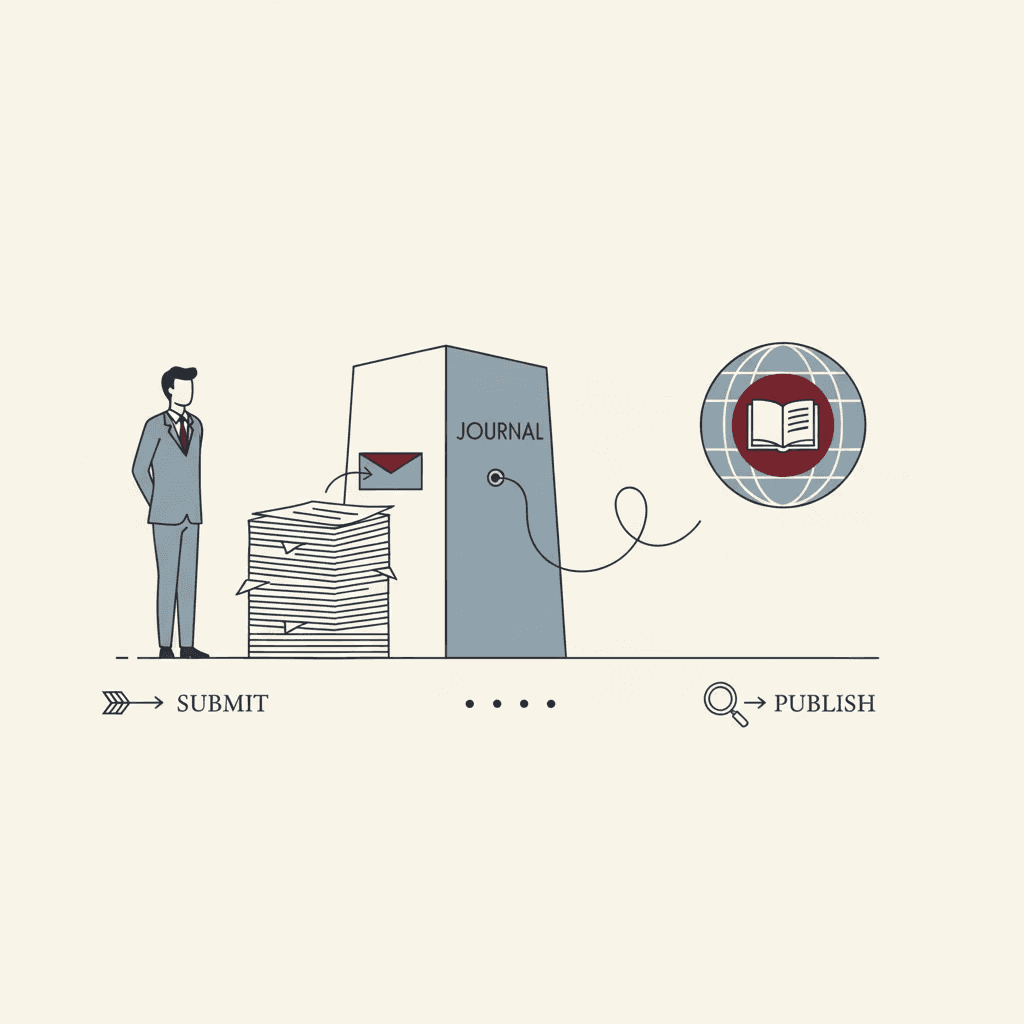
The answer is not six weeks before your deadline. Students who treat journal submission as a last-minute checkbox miss the entire strategic point of publishing research. How long before applications should you submit to a journal is one of the most consequential timing questions in the high school research process, and most students get it wrong.
This post breaks down the real timeline, the reasons behind it, and what happens when you cut corners on the sequence.
The Short Answer: Submit at Least 12 Months Before Your Application Deadline
If you are applying to college in the fall of your senior year, your journal submission should happen no later than the summer before that year begins. Earlier is better. Twelve months is the floor, not the ceiling. (this is not a suggestion, it is the minimum viable timeline)
Here is why that number matters. The peer review process at a rigorous journal takes time. Double-blind review, editorial feedback, revision rounds, and final acceptance decisions do not happen overnight. A realistic timeline from submission to publication runs anywhere from six to fourteen weeks at a well-run journal. Add to that the time you need to revise and resubmit if reviewers request changes, and you can easily be looking at four to six months from first submission to a published DOI.
That published DOI is what you actually want to reference in your application. A paper under review is not the same credential as a published paper. Admissions readers know the difference.
Breaking Down the Timeline Month by Month
18 to 24 Months Before Applications: Conduct and Complete Your Research
Serious research takes time. If you are in 10th or early 11th grade, this is when you should be doing the actual intellectual work: designing your study, collecting data, running experiments, or developing your argument. Rushing this phase to meet a submission window produces weak papers that do not survive peer review. You can read more about when to start in our post on What Grade Should You Start Research College Applications.
The research phase is not something you compress. It is the foundation everything else sits on. A paper built on six weeks of rushed work reads like a paper built on six weeks of rushed work. (reviewers notice, every time)
14 to 18 Months Before Applications: Write, Draft, and Revise
Writing a research paper worthy of peer-reviewed publication is not the same as writing a school essay. You need multiple drafts, faculty or mentor feedback, and careful attention to structure, citations, and methodology. If you want guidance on how to get that feedback before you submit, our post on How To Get Feedback On A Research Paper Before Submitting walks through the process step by step.
This phase should take two to four months at minimum. Do not skip revision cycles. The difference between a paper that clears peer review on the first round and one that requires three rounds of revisions is almost always the quality of pre-submission editing.
12 to 14 Months Before Applications: Submit to the Journal
This is the submission window. You have completed your research, written a strong draft, and incorporated feedback from mentors or teachers. Now you submit. Choosing the right journal matters here. Not all journals offer the same rigor, visibility, or credentialing value. Our guide on How To Choose A Research Journal To Submit To covers the key criteria you should evaluate before you send anything.
Submit to a journal that conducts genuine double-blind peer review, assigns DOIs to published papers, and has a documented editorial process. Those are non-negotiable features if you want the credential to carry weight.
8 to 12 Months Before Applications: Navigate Peer Review and Revisions
This is the phase most students underestimate. Peer review is not a formality. Reviewers read your paper critically and return detailed feedback. You may be asked to revise and resubmit once or twice before a final acceptance decision. Each revision round takes time on both ends: your time to revise and the journal's time to re-review.
Build this phase into your timeline deliberately. If you submitted at the 12-month mark and peer review takes three months, you are at nine months before applications when you begin revisions. Another six to eight weeks of revision and re-review puts you at roughly seven months out. That is still a workable buffer, but it leaves no room for a third revision round or an unexpected rejection that sends you to a second journal.
6 to 8 Months Before Applications: Publication and DOI Assignment
Accepted papers move through final editorial processing, formatting, and publication. A reputable journal assigns a DOI at this stage. That DOI is your permanent, citable proof of publication. (it exists forever, findable by anyone) You can now list your paper on your application with a full citation, including the DOI link.
Six to eight months before your application deadline is a comfortable publication target. It gives you time to include the citation in every part of your application where it belongs: the activities section, additional information, personal statement context, and scholarship applications.
Why the Timing Question Is About More Than Logistics
Admissions Readers Evaluate the Depth of Commitment
A published paper that appears in your junior year record tells a different story than one submitted the week before your Common App opens. Admissions readers at selective institutions are trained to assess the arc of a student's intellectual development, not just the credential itself. Research that clearly began early, went through rigorous review, and was published well before application season signals sustained commitment. That signal matters.
You can read about how elite institutions evaluate this kind of work in our post on How Mit Evaluates Research In High School Applications. The pattern is consistent across top programs: depth and authenticity outperform last-minute credential accumulation every time.
The Revision Process Makes You a Better Researcher
Peer review feedback is educational. Reviewers push back on weak methodology, unclear arguments, and unsupported claims. Engaging with that feedback seriously, revising, and resubmitting is an intellectual growth process. Students who rush the timeline to beat an application deadline often receive their feedback too late to fully engage with it. They miss the learning, not just the timing.
The goal is not just a published line on your application. The goal is to become the kind of researcher who earns that line. (you leave a better researcher than you arrived)
Scholarship Applications Have Their Own Timelines
College applications are not the only deadline that matters. Many scholarship applications open in the fall of senior year and close in November or December. Some open even earlier. A published paper strengthens scholarship applications just as it strengthens college applications. Our post on How Research Helps With Scholarship Applications details exactly how reviewers weigh published research in scholarship decisions.
If scholarships are part of your plan, the 12-month minimum timeline becomes even more critical. You need that publication in hand before scholarship season opens.
What Happens When You Submit Too Late
Students who submit to a journal in August or September of their senior year face a difficult reality. Even if a journal accepts their paper quickly, publication may not happen until December or January. By then, early decision deadlines have passed. Regular decision deadlines are weeks away. The credential exists, but it cannot be cited in the application the way a pre-application publication can.
Some students list papers as under review in their applications. This is not dishonest, but it carries less weight than a published paper with a DOI. Admissions readers cannot verify a paper under review. They can verify a published DOI in under thirty seconds.
Submitting too late is not a fatal mistake, but it is a preventable one. The timeline is entirely within your control if you plan early enough.
Choosing the Right Journal for Your Timeline
Not all journals move at the same pace. Some journals have editorial backlogs that stretch review timelines well beyond three months. Others operate with faster turnaround but less rigorous review, which undermines the credential value. The right journal is one that combines genuine peer review with a reliable, transparent timeline.
Before you submit, research the journal's average review time, its acceptance criteria, and its indexing and DOI practices. Our post on How To Compare Journals Before You Submit Research gives you a structured framework for making that evaluation. Parents and advisors who want a parallel perspective should read What To Look For Before Child Submits Research Journal, which covers the same ground from a family decision-making angle.
If you are weighing options across disciplines, our roundup of the Best High School Research Journals To Submit To is a useful starting point for identifying journals that meet the credentialing standard your application requires.
The Full Timeline at a Glance
18 to 24 months before applications: Conduct original research in your chosen discipline.
14 to 18 months before applications: Write, draft, and revise your paper with mentor feedback.
12 to 14 months before applications: Submit to a peer-reviewed journal with DOI assignment.
8 to 12 months before applications: Navigate peer review, respond to reviewer feedback, and revise.
6 to 8 months before applications: Receive acceptance, complete final editorial processing, and receive your DOI.
Application season: Cite your published paper across college and scholarship applications with full confidence.
This is not a rigid schedule. Research timelines vary by discipline, paper complexity, and journal. But the logic is fixed: you need enough buffer between submission and application deadline to absorb every realistic delay without sacrificing the credential.
How Long Before Applications Should You Submit to a Journal: The Bottom Line
Submit at least 12 months before your application deadline. Start your research at least 18 months out. Build in time for revision, re-review, and the editorial process that follows acceptance. Do not treat journal publication as a sprint to the finish line of application season. Treat it as the beginning of a research identity that your application documents, not manufactures.
How long before applications should you submit to a journal is ultimately a question about how seriously you take the work itself. The students who plan early, submit rigorously, and engage fully with peer review feedback are the ones who arrive at application season with credentials that hold up under scrutiny. (no shortcuts, no rubber stamps)
PJPCR publishes original research by high school students across 50+ academic disciplines through rigorous double-blind peer review. Every accepted paper receives a DOI. Every reviewer provides substantive feedback. If you are ready to submit, or ready to understand what submission requires, start at Princeton JPCR. Not affiliated with Princeton University.
Read More

Can high school students be peer reviewers
By
Princeton Journal of Pre-Collegiate Research
Read more

What reviewing other papers teaches you about your own
By
Princeton Journal of Pre-Collegiate Research
Read more

How to give useful feedback on a classmate's paper
By
Princeton Journal of Pre-Collegiate Research
Read more

Student editorial boards: how they work
By
Princeton Journal of Pre-Collegiate Research
Read more
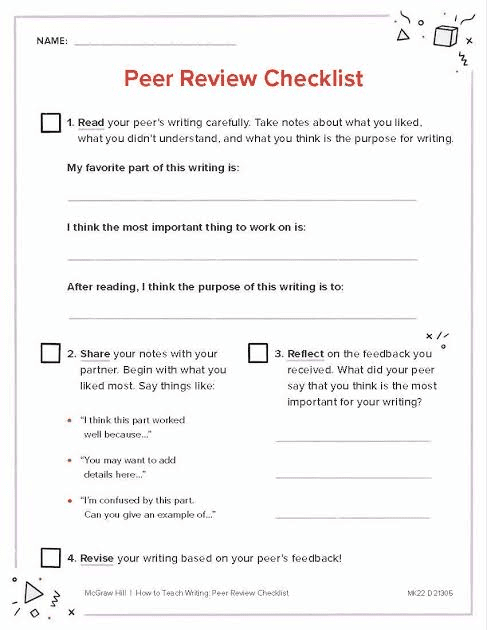
How to write a peer review as a student
By
Princeton Journal of Pre-Collegiate Research
Read more

Peer review etiquette: tone, structure, fairness
By
Princeton Journal of Pre-Collegiate Research
Read more

Version control for research documents
By
Princeton Journal of Pre-Collegiate Research
Read more

Digital vs paper lab notebooks for students
By
Princeton Journal of Pre-Collegiate Research
Read more

Data management basics for student researchers
By
Princeton Journal of Pre-Collegiate Research
Read more
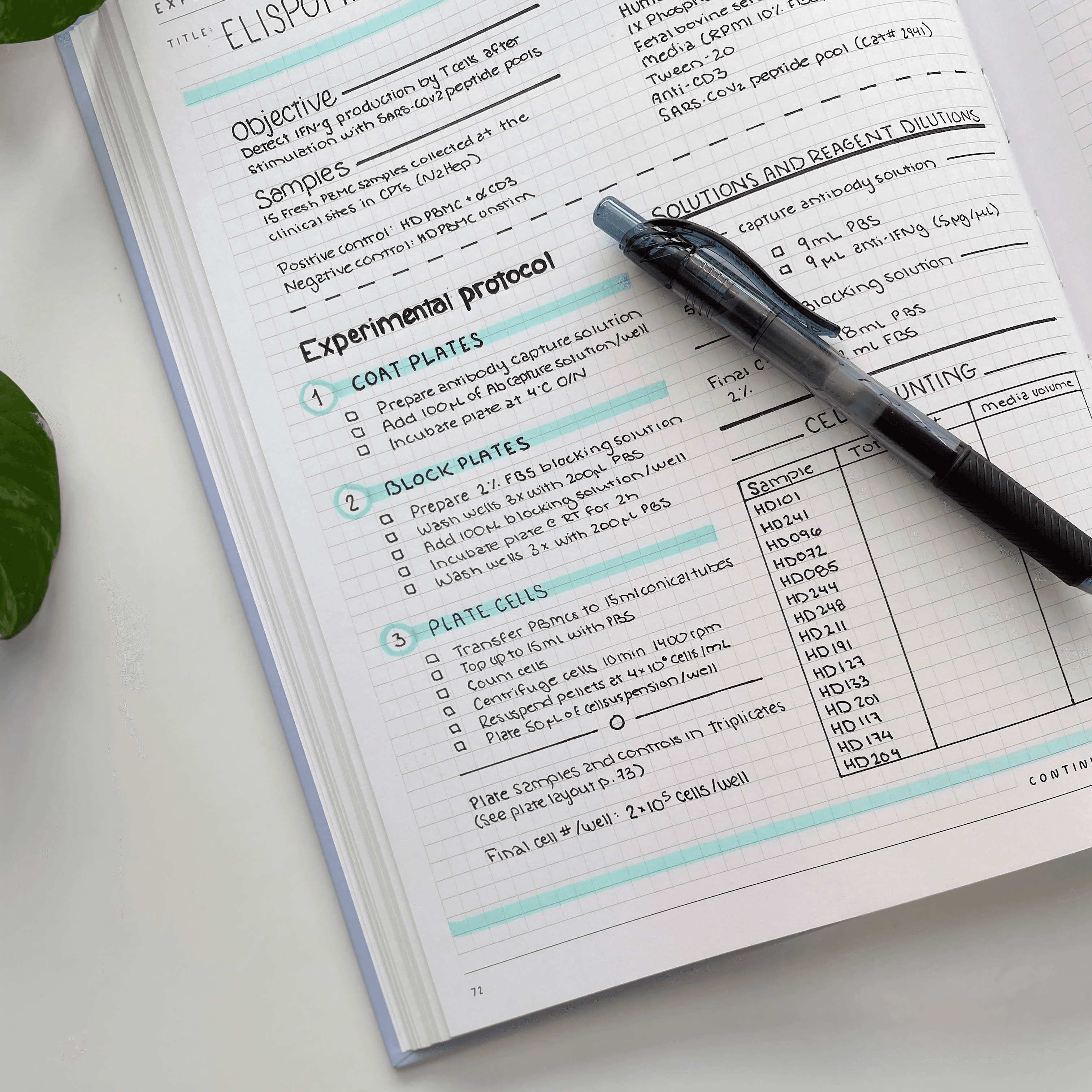
How to keep a lab notebook that reviewers trust
By
Princeton Journal of Pre-Collegiate Research
Read more

How to organize research files across a year-long project
By
Princeton Journal of Pre-Collegiate Research
Read more

How to document your data so you can defend it
By
Princeton Journal of Pre-Collegiate Research
Read more

How to write a grant proposal as a student
By
Princeton Journal of Pre-Collegiate Research
Read more

Free resources that replace research funding
By
Princeton Journal of Pre-Collegiate Research
Read more
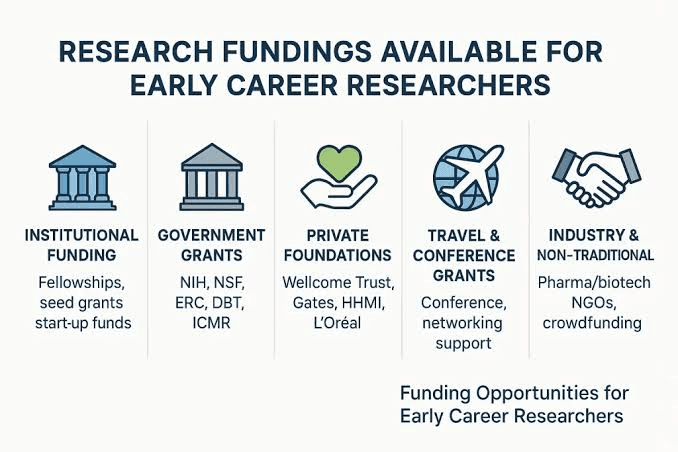
Corporate and nonprofit programs that fund student research
By
Princeton Journal of Pre-Collegiate Research
Read more

Science fair grants and material stipends explained
By
Princeton Journal of Pre-Collegiate Research
Read more

Crowdfunding a student research project: does it work
By
Princeton Journal of Pre-Collegiate Research
Read more

How much does a research project actually cost
By
Princeton Journal of Pre-Collegiate Research
Read more

How to ask your school to fund your project
By
Princeton Journal of Pre-Collegiate Research
Read more

Grants for high school research projects: what exists
By
Princeton Journal of Pre-Collegiate Research
Read more

How to start a research club at your school
By
Princeton Journal of Pre-Collegiate Research
Read more