How to set milestones for a long-term research project
Princeton Journal of Pre-Collegiate Research

Most research projects do not fail because the idea was weak. They fail because the timeline was never real. Learning how to set milestones for a long-term research project is one of the most practical skills a student researcher can develop, and it separates the papers that get finished from the ones that stall somewhere around the literature review.
This guide is for high school researchers who are serious about producing work that holds up. Whether you are writing for a class, preparing a submission to a peer-reviewed journal, or building toward a science fair, the principles here apply. Structure your project correctly from the start, and the work becomes manageable. Skip this step, and every deadline feels like a surprise.
Why Milestones Matter More Than Deadlines
A deadline tells you when something is due. A milestone tells you where you should be. These are not the same thing. Deadlines create pressure at the end. Milestones distribute the work across the entire timeline and give you early warning when something is slipping.
Think of a long-term research project as a chain. Each section depends on the one before it. You cannot write a strong discussion section if your methodology is still unclear. You cannot refine your argument if your data collection is incomplete. Milestones force you to complete each link before moving to the next (and yes, that means no jumping ahead to the conclusion before your evidence is solid).
The other reason milestones matter is accountability. When you work alone, or with minimal supervision, it is easy to convince yourself that you are making progress when you are actually just thinking about making progress. A milestone is a concrete checkpoint with a specific deliverable attached to it. Either you have it or you do not.
How to Set Milestones for a Long-Term Research Project: The Core Framework
The framework below applies to research projects spanning four to twelve weeks, which covers most high school independent research timelines. Adjust the spacing between milestones based on your actual end date, not the end date you hope to have.
Step 1: Define the End Product First
Before you set a single milestone, you need to know exactly what you are producing. A ten-page research paper, a lab report, a formal journal submission, and a science fair poster all have different requirements. The end product determines every milestone that comes before it.
Write down the final deliverable in one sentence. Be specific. "A completed research paper with an abstract, introduction, methodology, results, discussion, and references" is useful. "A finished paper" is not. Once you know the destination, you can work backward to map the route.
Step 2: Break the Project Into Phases
Most research projects move through the same broad phases regardless of discipline. Identifying these phases gives you the skeleton of your milestone plan.
Phase 1: Topic and Question Development. Narrow your topic, define your research question, and confirm that your question is answerable within your available time and resources.
Phase 2: Literature Review. Read existing research, identify gaps, and position your work relative to what has already been done. This phase is often underestimated (students routinely allocate two days for work that takes two weeks).
Phase 3: Methodology Design. Decide how you will answer your research question. This includes your data sources, your analytical approach, and your ethical considerations.
Phase 4: Data Collection or Primary Research. Execute the methodology. This phase is where delays compound fastest, so build buffer time here.
Phase 5: Analysis and Interpretation. Make sense of what you found. For guidance on this step, see our resource on How To Analyze Data In A High School Research Project.
Phase 6: Writing. Draft each section of the paper. Do not wait until all phases are complete to begin writing. Drafting the introduction and literature review can happen in parallel with data collection.
Phase 7: Revision and Editing. Revise for argument, then for clarity, then for mechanics. These are three separate passes, not one.
Phase 8: Submission Preparation. Format the paper, finalize citations, and complete any submission requirements.
Step 3: Assign a Specific Deliverable to Each Phase
A phase without a deliverable is not a milestone. It is a category. For each phase listed above, define the tangible output that signals the phase is complete.
Examples of strong deliverables: a finalized research question approved by your mentor, an annotated bibliography of fifteen sources, a completed methodology section of 400 words, a full dataset with no missing entries, a first draft of the results section. Weak deliverables sound like: "research done," "mostly finished with sources," or "started writing." Precision here is not pedantic. It is protective. You will thank yourself when week six arrives and you need to know whether you are on track.
Step 4: Map Deliverables to Dates
Take your project end date and work backward. Assign a completion date to each deliverable. Leave buffer time between phases, especially before and after data collection. Do not schedule milestones on days when you have competing obligations (exam weeks, major extracurriculars, family commitments). A milestone plan that ignores your real life will not survive contact with your real life.
A simple table works well here. Three columns: milestone name, deliverable, due date. Keep it visible. Print it, pin it, or keep it open on your desktop. A plan you cannot see is a plan you will forget.
Common Milestone Planning Mistakes
Front-Loading Research, Back-Loading Writing
Many students spend the first two-thirds of their timeline on research and reading, then panic-write the paper in the final stretch. This produces weak papers. Writing is not the last step in research. It is part of the thinking process. Build writing milestones into every phase, starting with your introduction and research question framing in week one or two.
If you are working toward a journal submission, strong writing throughout is non-negotiable. Our guide on How To Write Clearly And Concisely In Academic Research covers the principles that apply at every stage, not just the final draft.
Setting Milestones You Cannot Measure
"Make progress on literature review" is not a milestone. "Complete summaries of ten peer-reviewed sources" is. The difference is measurement. If you cannot look at a milestone and say definitively whether you have hit it, rewrite the milestone until you can.
Ignoring the Revision Phase
Revision is where research papers improve by an order of magnitude. Students who do not plan for it treat it as optional. It is not optional. Budget at minimum two weeks for revision on any paper you intend to submit for publication or formal evaluation. For a structured approach to this phase, see How To Edit Your Own Research Paper Before Submission.
Not Building in Feedback Checkpoints
Your milestone plan should include at least two points where you seek external feedback: once after your methodology is set, and once after your first complete draft. Feedback before you are too far into the project catches structural problems early. Feedback on a complete draft catches argument and clarity issues before submission. For strategies on finding and using feedback effectively, our post on How To Get Feedback On A Research Paper Before Submitting is worth reading before you finalize your timeline.
Adjusting Milestones Without Losing Momentum
No research project runs exactly on schedule. Data collection takes longer than expected. A source you needed is unavailable. A section you thought was finished needs to be rewritten. These are not failures. They are normal features of research.
The skill is adjusting without abandoning. When a milestone slips, do not simply move every subsequent milestone back by the same amount. Instead, identify which upcoming phases have flexibility and absorb the delay there. Protect your revision window above all else. Cutting revision time to recover from earlier delays is a trade you will almost always regret.
Review your milestone plan at least once per week. A five-minute check-in on Sunday evening, comparing where you planned to be against where you actually are, is enough to catch problems before they become crises (this takes discipline, and the students who do it consistently produce better work than those who do not).
Milestones and the Path to Publication
If your goal is to publish your research, milestone planning becomes even more important. Peer-reviewed publication has its own timeline requirements: submission windows, review periods, revision cycles. A paper that arrives at the submission stage underdeveloped or rushed will not survive rigorous peer review.
Building your milestones around a target submission date, rather than just a class deadline, changes how you allocate time. You will spend more time on your literature review, more time refining your argument, and more time on revision. The result is a paper that is genuinely ready for external evaluation.
If you are considering turning a completed project into a formal submission, our guide on How To Turn A Science Fair Project Into A Published Research walks through the specific steps involved. And if you are still deciding which journal to target, Fastest Vs Most Prestigious How To Choose A Research Journal offers a clear framework for that decision.
A strong thesis is also foundational to a publishable paper. If you are still refining yours, How To Write A Strong Thesis Statement Research Paper provides direct, actionable guidance that works for any discipline.
How to Set Milestones for a Long-Term Research Project: A Quick Reference
Before you close this page, here is the condensed version of the framework above. Use this as a checklist when you sit down to plan your project.
Define the final deliverable in one specific sentence.
Identify the phases your project must move through.
Assign a concrete, measurable deliverable to each phase.
Map each deliverable to a specific date, working backward from your deadline.
Build buffer time into phases where delays are most likely.
Schedule at least two external feedback checkpoints.
Review your plan weekly and adjust deliberately, not reactively.
The Researchers Who Finish Are the Ones Who Plan
Knowing how to set milestones for a long-term research project is not an administrative task you do once and forget. It is an active practice that runs alongside the research itself. The students who complete strong, publication-ready papers are not always the ones with the most sophisticated ideas. They are the ones who showed up consistently to each phase, hit their checkpoints, and gave themselves enough time to revise.
If you are ready to take your research to the next level, Princeton JPCR publishes original work by high school students across 50+ academic disciplines through rigorous double-blind peer review. Every accepted paper receives a DOI, making it permanently citable and globally discoverable. Start building your milestone plan today, and when your paper is ready, we are ready to review it. (not affiliated with Princeton University.)
Read More

Can high school students be peer reviewers
By
Princeton Journal of Pre-Collegiate Research
Read more

What reviewing other papers teaches you about your own
By
Princeton Journal of Pre-Collegiate Research
Read more
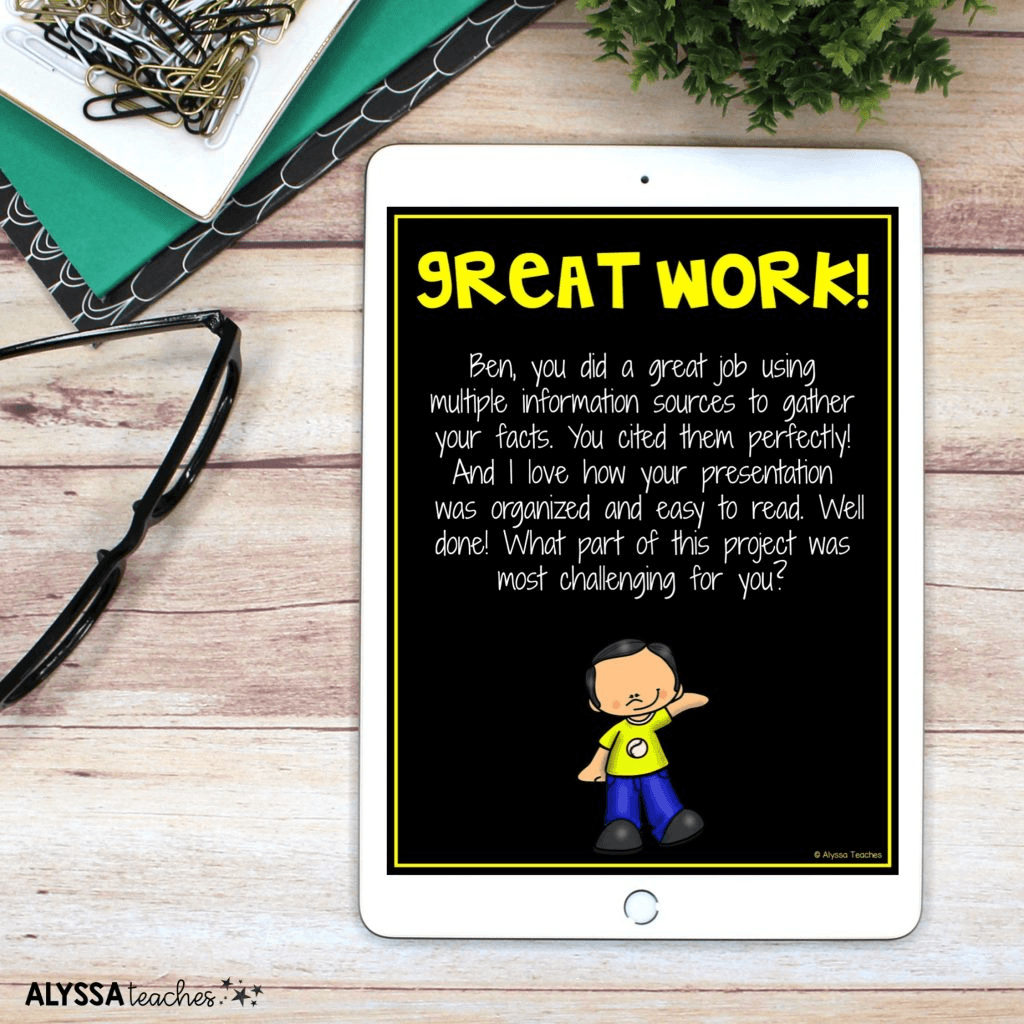
How to give useful feedback on a classmate's paper
By
Princeton Journal of Pre-Collegiate Research
Read more

Student editorial boards: how they work
By
Princeton Journal of Pre-Collegiate Research
Read more
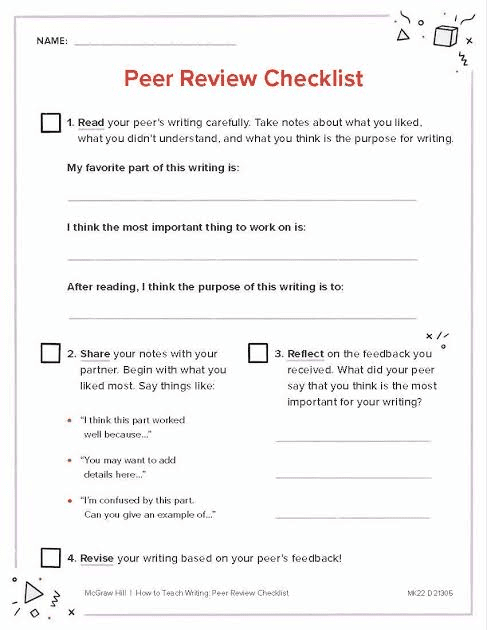
How to write a peer review as a student
By
Princeton Journal of Pre-Collegiate Research
Read more

Peer review etiquette: tone, structure, fairness
By
Princeton Journal of Pre-Collegiate Research
Read more

Version control for research documents
By
Princeton Journal of Pre-Collegiate Research
Read more

Digital vs paper lab notebooks for students
By
Princeton Journal of Pre-Collegiate Research
Read more

Data management basics for student researchers
By
Princeton Journal of Pre-Collegiate Research
Read more
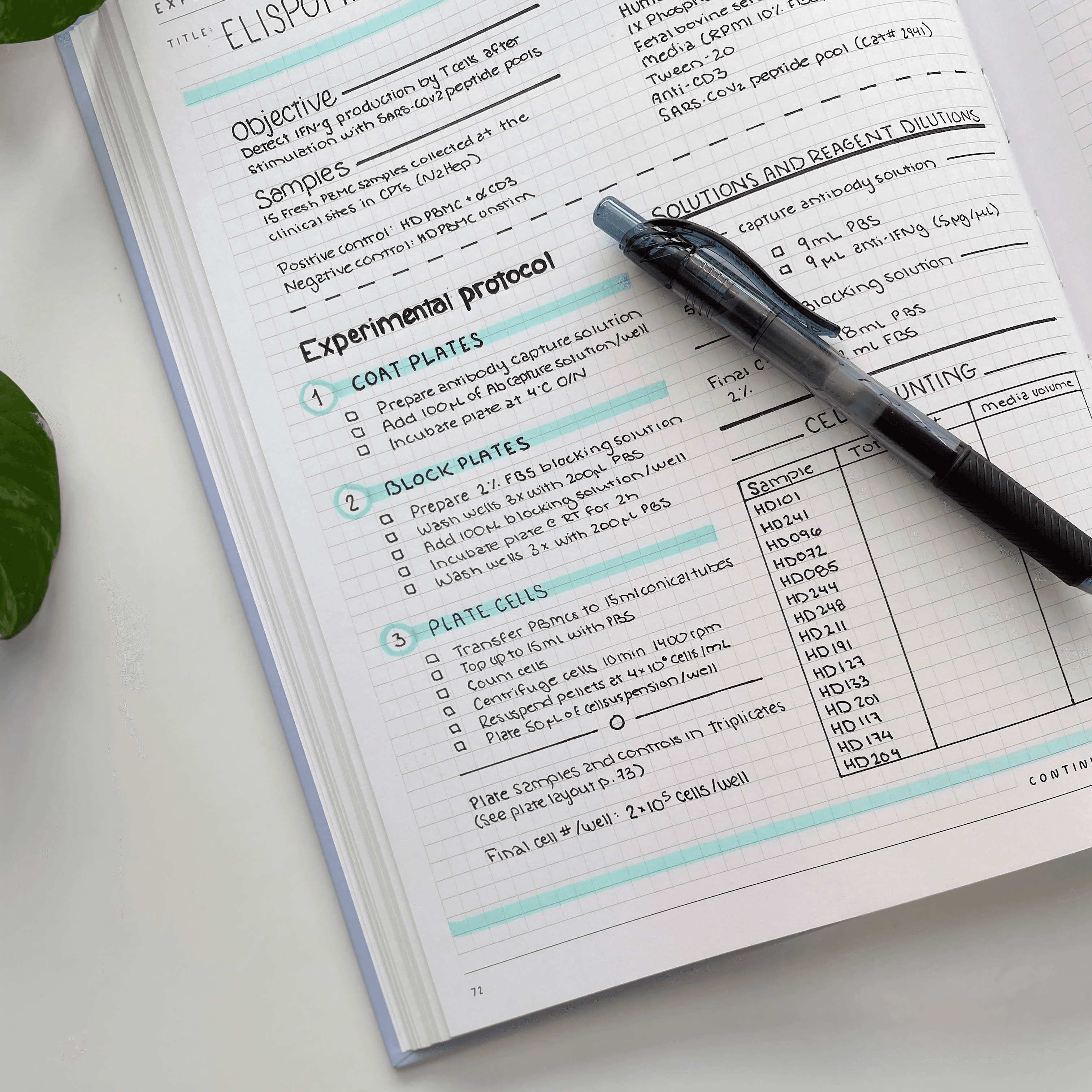
How to keep a lab notebook that reviewers trust
By
Princeton Journal of Pre-Collegiate Research
Read more

How to organize research files across a year-long project
By
Princeton Journal of Pre-Collegiate Research
Read more

How to document your data so you can defend it
By
Princeton Journal of Pre-Collegiate Research
Read more
How to write a grant proposal as a student
By
Princeton Journal of Pre-Collegiate Research
Read more
Free resources that replace research funding
By
Princeton Journal of Pre-Collegiate Research
Read more
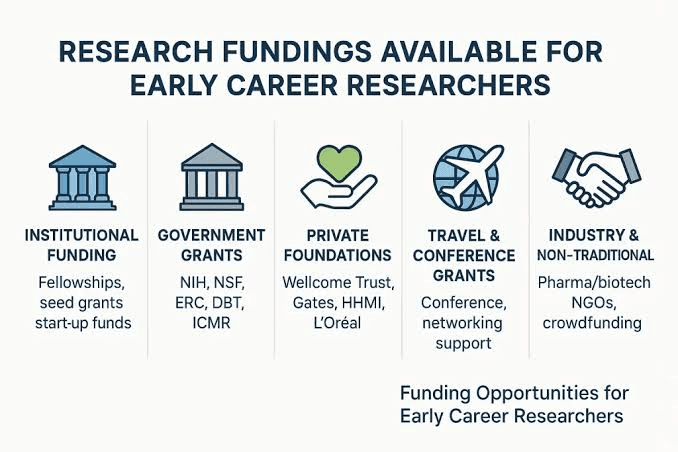
Corporate and nonprofit programs that fund student research
By
Princeton Journal of Pre-Collegiate Research
Read more

Science fair grants and material stipends explained
By
Princeton Journal of Pre-Collegiate Research
Read more

Crowdfunding a student research project: does it work
By
Princeton Journal of Pre-Collegiate Research
Read more

How much does a research project actually cost
By
Princeton Journal of Pre-Collegiate Research
Read more

How to ask your school to fund your project
By
Princeton Journal of Pre-Collegiate Research
Read more

Grants for high school research projects: what exists
By
Princeton Journal of Pre-Collegiate Research
Read more

How to start a research club at your school
By
Princeton Journal of Pre-Collegiate Research
Read more