What to do after your research paper gets rejected from a journal
Princeton Journal of Pre-Collegiate Research

Rejection stings. That is true whether you are a first-year high school researcher or a tenured professor with decades of publications behind you. But knowing what to do after your research paper gets rejected from a journal is the difference between a student who publishes and a student who quits.
This post walks you through every step, from reading the rejection letter without panic to resubmitting with confidence. The process is recoverable. Most published papers were rejected at least once before they found a home.
Read the Rejection Letter Carefully (all the way through)
The first instinct is to close the email and walk away. Resist it. Rejection letters from peer-reviewed journals contain information you need. Read the entire message before you form any conclusions about your paper or your future as a researcher.
There are two broad categories of rejection. The first is a desk rejection, which means an editor declined the paper before it reached peer reviewers. The second is a post-review rejection, which means your paper went through the full review process and reviewers found it lacking. These two outcomes require different responses.
A desk rejection often signals a mismatch between your paper and the journal's scope, formatting requirements, or submission standards. A post-review rejection usually comes with detailed feedback. That feedback is valuable, even when it is blunt (especially when it is blunt).
Separate Emotion from Evidence
Give yourself a day. Sit with the disappointment, acknowledge it, and then set it aside. What you do next must be driven by the evidence in the reviewer comments, not by how the rejection made you feel.
Peer reviewers are evaluating your work, not your worth. That distinction matters. A comment like "the methodology lacks sufficient controls" is a fixable technical problem, not a verdict on your intelligence or effort.
Parents and advisors can help here. If you are supporting a student through this process, read our guide on how to support your child through research paper rejection without minimizing the experience or amplifying the discouragement.
Understand Why the Paper Was Rejected
Before you revise anything, you need to understand the actual reason for the rejection. Reviewers and editors typically signal one of several core problems.
Scope Mismatch
The paper was well-written but did not fit the journal's focus. This is common and fixable. It means you need a different journal, not a different paper. Understanding how to find a journal that accepts your research topic is a skill that pays off every time you submit.
Methodological Weaknesses
Reviewers flagged problems with how the research was conducted or how findings were reported. This is the most common substantive rejection reason. It requires real revision work, not cosmetic editing.
Insufficient Originality
The paper summarized existing literature without contributing a new argument, finding, or framework. Journals that publish original research distinguish clearly between a literature review and a research paper. If this was the issue, read our breakdown of journals that accept literature reviews vs original research to find the right fit for what you actually wrote.
Presentation and Formatting Problems
Strong research can be rejected for poor structure, inconsistent citation style, or failure to follow submission guidelines. These are the most fixable problems of all (and the most avoidable).
If you want a full breakdown of the patterns that lead to rejection, our post on what makes a research paper get rejected covers the most common failure points in detail.
Build a Response Plan
Once you understand the reason for the rejection, you can build a structured response. Do not revise randomly. Work from the reviewer comments systematically.
Create a simple document with two columns. In the first column, paste each reviewer comment. In the second column, write what change you will make in response or why you respectfully disagree with the critique. This document serves two purposes: it keeps your revision focused, and it becomes the basis of your response letter if the journal invites resubmission.
Address every comment. Reviewers notice when their feedback is ignored. Even if you decide not to make a specific change, explain why in your response letter.
Decide Whether to Revise and Resubmit or Move to a New Journal
This is the most strategic decision in the post-rejection process. It depends on two factors: whether the journal invited resubmission, and whether the feedback is actionable.
If the journal said "reject with invitation to resubmit," treat that as a conditional acceptance. The editors see potential. Address the feedback thoroughly and return with a clean revision and a detailed response letter.
If the rejection was final with no invitation to resubmit, you have two paths. You can revise the paper based on the feedback and submit to a different journal. Or, if the feedback was minimal and the rejection was scope-based, you can submit the paper largely as-is to a more appropriate venue.
Choosing the right next journal matters. Read our guide on fastest vs most prestigious: how to choose a research journal to weigh your options based on your goals and timeline.
Revise the Paper Before Resubmitting Anywhere
Even if you are moving to a new journal, revise the paper first. The reviewer feedback you received was free, expert critique. Use it.
Focus your revision on the substantive issues first: argument clarity, methodology, evidence quality, and logical structure. Once those are solid, address presentation issues: formatting, citation consistency, abstract quality, and language precision.
Self-editing is a skill that compounds. Our guide on how to edit your own research paper before submission gives you a structured process for catching the problems that are easy to miss when you have been staring at the same document for weeks.
Ask your advisor or a trusted peer to read the revised draft before you submit again. Fresh eyes catch what familiarity hides.
Research Your Next Journal Thoroughly
A poorly matched submission wastes time for everyone involved. Before you send your revised paper anywhere, evaluate the journal against your paper's actual content and quality.
Look at what the journal has published recently. Read two or three papers from their most recent issue. If your paper fits that body of work in terms of scope, rigor, and format, it belongs there. If it does not, keep looking.
Our post on what to look for in a high school research journal outlines the criteria that separate credible, rigorous journals from low-quality venues that will not serve your academic record.
Also consider whether the journal uses double-blind peer review, assigns DOIs to published papers, and has a clear editorial process. These are signals of legitimacy (and they matter to admissions readers and future academic mentors).
What to Do If Your Paper Gets Rejected Again
Multiple rejections are not unusual. They are the norm in academic publishing. Every rejection that comes with feedback is an opportunity to produce a stronger paper.
If your paper has been rejected twice or more, step back and assess honestly. Is the core research question strong enough? Is the methodology sound? Is the argument original and clearly stated? Sometimes a paper needs more than polish. It needs a fundamental rethink of its central claim or approach.
This is not failure. This is the research process working as designed. Knowing what to do after your research paper gets rejected from a journal a second or third time means returning to the evidence, not abandoning the work.
We have a dedicated resource for parents and students navigating this situation: what to do if your child's research paper gets rejected covers the emotional and practical dimensions of repeated rejection without minimizing either.
Keep the Long View
Publication is not the only measure of a research experience. The skills you build through writing, revising, responding to critique, and resubmitting are transferable and durable. They will serve you in college, in graduate school, and in any field that requires rigorous thinking.
That said, publication does matter. A peer-reviewed publication with a DOI is a permanent, citable record of your work. It exists in the scholarly record. It is findable by anyone. That credential carries weight in college applications and beyond, which is why the effort to get there is worth making (even when the path takes longer than expected).
Understanding the full submission and review process before you submit reduces surprises. Our post on what happens after you submit your research paper walks through every stage from submission to decision, so you know what to expect and how to interpret the outcomes.
Conclusion: Rejection Is a Step, Not a Stop
Knowing what to do after your research paper gets rejected from a journal is one of the most practical skills a young researcher can develop. Read the feedback. Separate emotion from evidence. Revise with purpose. Choose the next journal strategically. Resubmit.
The researchers who publish are not the ones who never get rejected. They are the ones who treat rejection as data and keep moving. You can be one of them.
Princeton JPCR is an international, peer-reviewed journal publishing original research by high school students across STEM, humanities, social sciences, and interdisciplinary fields. Every submission receives double-blind peer review and substantive feedback. Accepted papers receive a DOI and permanent placement in our indexed archive. If your revised paper is ready, submit it to Princeton JPCR and let the review process work for you.
Princeton JPCR is not affiliated with Princeton University.
Read More

Can high school students be peer reviewers
By
Princeton Journal of Pre-Collegiate Research
Read more

What reviewing other papers teaches you about your own
By
Princeton Journal of Pre-Collegiate Research
Read more
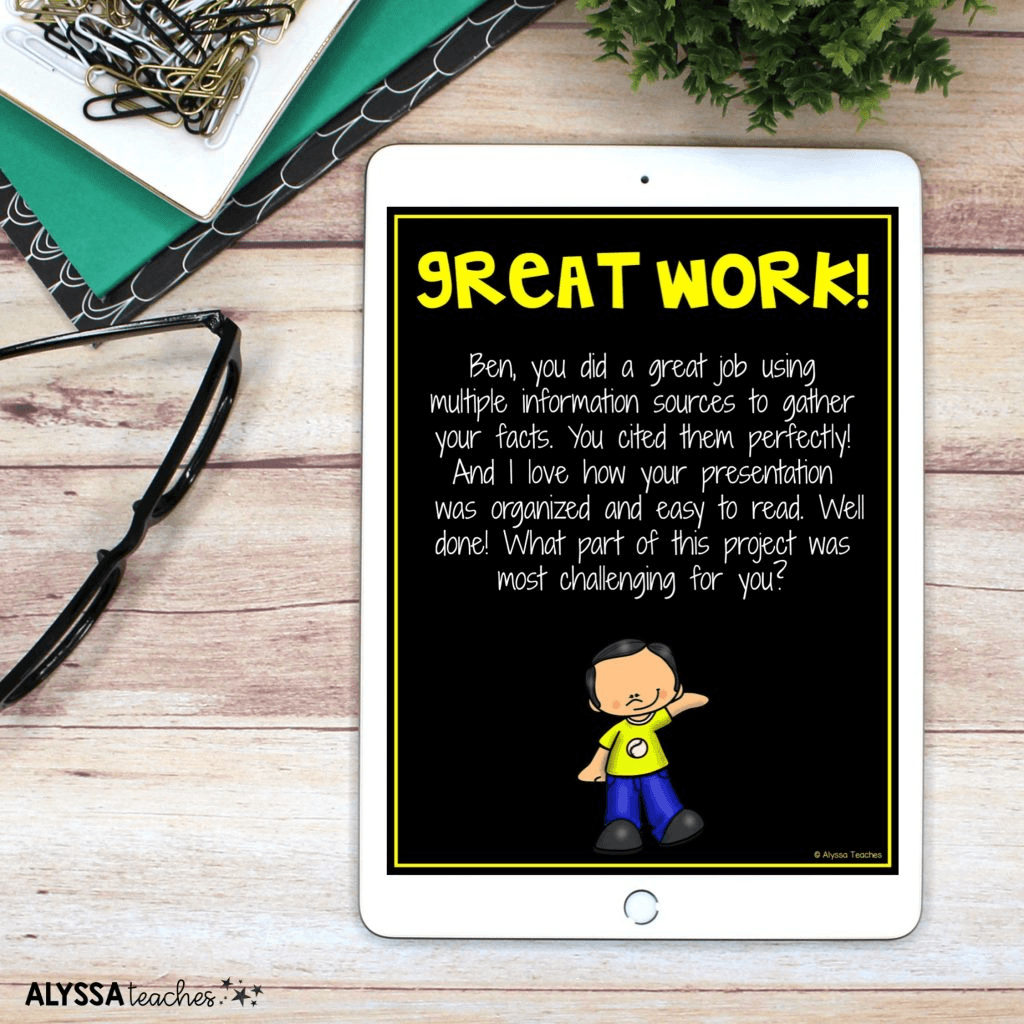
How to give useful feedback on a classmate's paper
By
Princeton Journal of Pre-Collegiate Research
Read more

Student editorial boards: how they work
By
Princeton Journal of Pre-Collegiate Research
Read more
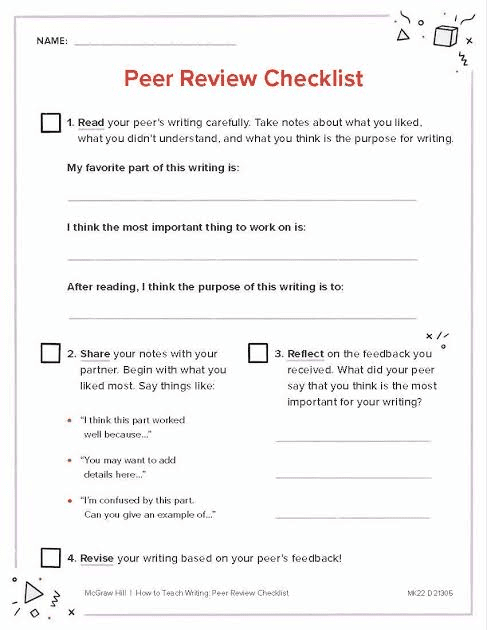
How to write a peer review as a student
By
Princeton Journal of Pre-Collegiate Research
Read more

Peer review etiquette: tone, structure, fairness
By
Princeton Journal of Pre-Collegiate Research
Read more

Version control for research documents
By
Princeton Journal of Pre-Collegiate Research
Read more

Digital vs paper lab notebooks for students
By
Princeton Journal of Pre-Collegiate Research
Read more

Data management basics for student researchers
By
Princeton Journal of Pre-Collegiate Research
Read more
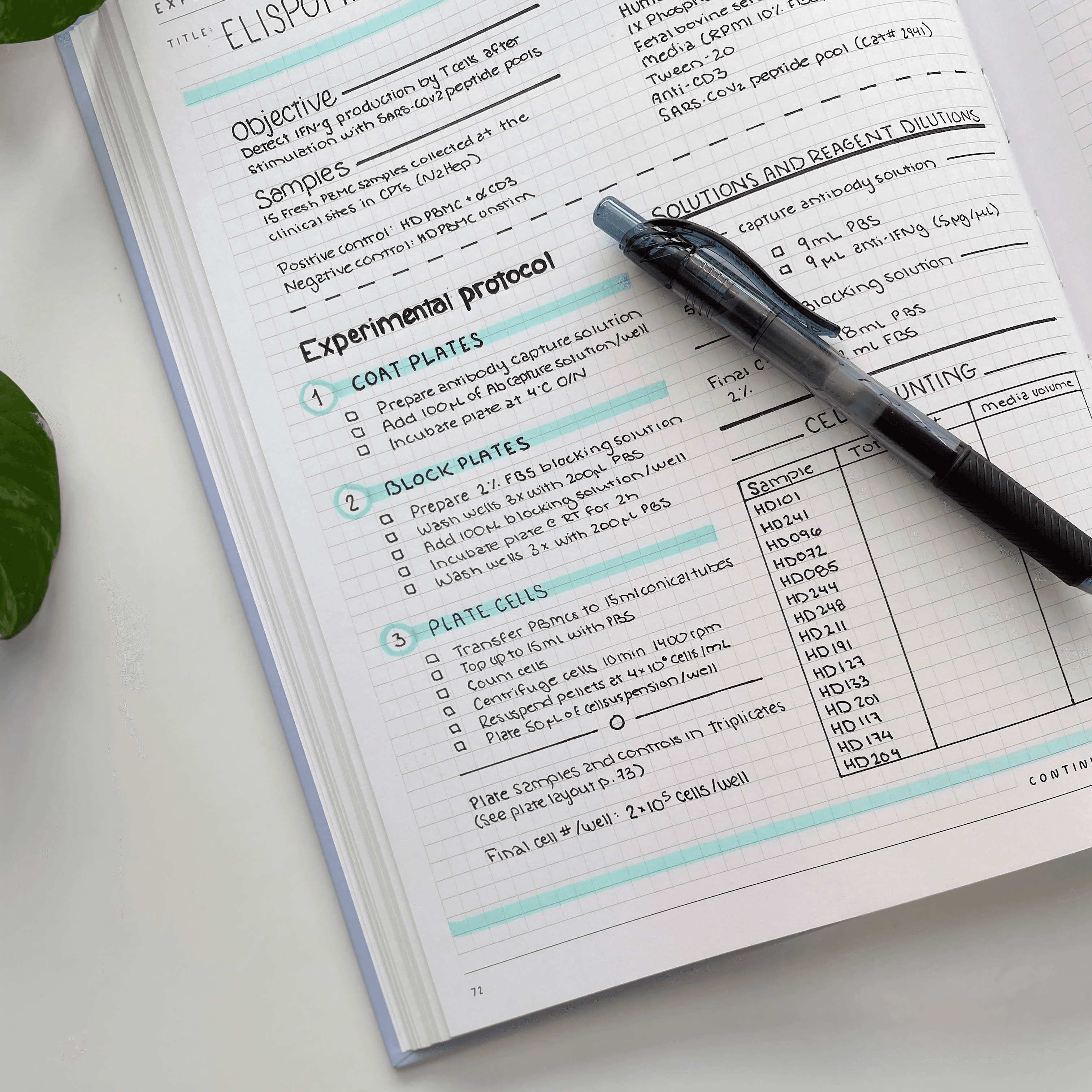
How to keep a lab notebook that reviewers trust
By
Princeton Journal of Pre-Collegiate Research
Read more

How to organize research files across a year-long project
By
Princeton Journal of Pre-Collegiate Research
Read more

How to document your data so you can defend it
By
Princeton Journal of Pre-Collegiate Research
Read more
How to write a grant proposal as a student
By
Princeton Journal of Pre-Collegiate Research
Read more
Free resources that replace research funding
By
Princeton Journal of Pre-Collegiate Research
Read more
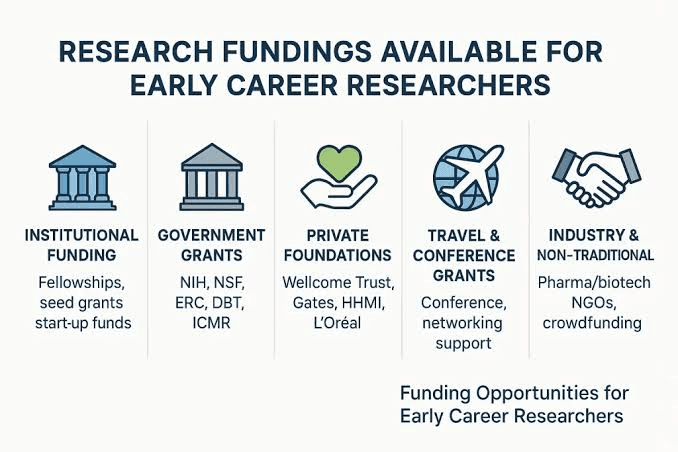
Corporate and nonprofit programs that fund student research
By
Princeton Journal of Pre-Collegiate Research
Read more

Science fair grants and material stipends explained
By
Princeton Journal of Pre-Collegiate Research
Read more

Crowdfunding a student research project: does it work
By
Princeton Journal of Pre-Collegiate Research
Read more

How much does a research project actually cost
By
Princeton Journal of Pre-Collegiate Research
Read more

How to ask your school to fund your project
By
Princeton Journal of Pre-Collegiate Research
Read more

Grants for high school research projects: what exists
By
Princeton Journal of Pre-Collegiate Research
Read more

How to start a research club at your school
By
Princeton Journal of Pre-Collegiate Research
Read more