Can you do a research paper over the summer
Princeton Journal of Pre-Collegiate Research

Yes, you can do a research paper over the summer. In fact, summer is one of the best times to do it. (no school deadlines, no competing assignments, no excuses.)
Most high school students spend summer break waiting for something to happen. The ones who get published spend it making something happen. A research paper completed over summer break is not a fantasy reserved for students at elite boarding schools with faculty mentors on speed dial. It is achievable, structured, and within reach if you know what you are doing.
This guide breaks down exactly how to do a research paper over the summer, from choosing a topic in June to submitting a polished manuscript before school starts in September.
Why Summer Is the Right Time for Independent Research
The academic calendar works against deep thinking. Classes fragment your attention across five or six subjects simultaneously. Homework crowds out the kind of sustained focus that research requires. Summer removes those constraints.
You have eight to ten weeks. A well-scoped research paper takes six to eight weeks from first draft to submission-ready manuscript. The math works. What most students lack is not time but a plan.
Summer also gives you access to resources that the school year buries. Public libraries are less crowded. University databases are accessible through library cards. Professors and researchers are more likely to respond to cold emails in July than in October. (people are genuinely more reachable when the semester is not running.)
If you are weighing whether to join a structured program or pursue independent research, that is a real decision worth thinking through carefully. The Research Summer Programs Vs Independent Research College comparison breaks down both paths honestly. But either way, the summer window is the same. Use it.
Can You Do a Research Paper Over the Summer Without a Mentor?
You can. It is harder, but it is possible. Many published student researchers worked independently, without institutional affiliation or formal supervision.
What you need instead of a mentor is a rigorous self-directed process. That means setting weekly milestones, reading primary sources rather than summaries, and building in structured self-review at every stage. It means treating your research like a job, not a hobby.
If you can find a mentor, pursue one. A teacher in your subject area, a graduate student at a nearby university, or a professional in a relevant field can all serve this role. Reach out early. A brief, specific email explaining your research question and asking for occasional feedback is far more likely to get a response than a vague request for guidance.
If no mentor materializes, do not wait. Begin without one. The research itself will teach you more than waiting for permission ever will.
A Realistic Summer Research Timeline
Weeks One and Two: Topic Selection and Research Question
This is the most important phase and the one students rush most carelessly. A weak research question produces a weak paper, regardless of how well it is written. Your question must be specific, arguable, and answerable within the scope of a student research paper.
Spend the first week reading broadly in your area of interest. Identify gaps, debates, and underexplored angles. By the end of week two, you should have a research question that is narrow enough to answer and significant enough to matter.
Building a strong argument begins with a strong thesis. Before you write a single body paragraph, read the guide on How To Write A Strong Thesis Statement Research Paper. A thesis is not a topic sentence. It is a claim that your entire paper exists to defend.
Weeks Three and Four: Literature Review and Source Collection
A research paper is a conversation with existing scholarship. You are not writing in a vacuum. You are responding to what others have already argued, found, or missed.
Use Google Scholar, JSTOR, PubMed, or discipline-specific databases to locate peer-reviewed sources. Aim for a minimum of fifteen to twenty credible sources for a substantive paper. Take detailed notes as you read, and track every source in your citation format from the start. (fixing citations at the end is painful and avoidable.)
Understand how to structure what you find before you start writing. The resource on How To Structure An Argument In A Research Paper is directly relevant here. Argument structure is not decoration. It is the architecture that holds everything together.
Weeks Five and Six: Writing the First Draft
Write the first draft without stopping to perfect every sentence. The goal of a first draft is completion, not excellence. You cannot edit a blank page.
A standard research paper includes an abstract, introduction, literature review, methodology or analytical framework, findings or argument, discussion, and conclusion. Each section has a specific job. Know what that job is before you write each section.
If your paper includes data, charts, or visual evidence, present them correctly. The guide on How To Use Figures And Tables In A Research Paper covers the conventions that reviewers actually check. Sloppy figure presentation signals an inexperienced researcher. Clean presentation signals the opposite.
Week Seven: Revision, Editing, and Integrity Checks
Revision is not proofreading. Revision means reconsidering the logic of your argument, the strength of your evidence, and the clarity of your prose. It is harder than writing the first draft. It is also where good papers become strong ones.
Read your paper aloud. Every sentence that makes you stumble is a sentence that needs rewriting. Cut every sentence that does not advance your argument. (if you cannot explain why a sentence is there, it probably should not be.)
Academic integrity is non-negotiable. Every idea that is not your own must be cited. Every quotation must be attributed. The resource on How To Avoid Plagiarism In A High School Research Paper covers both intentional and accidental plagiarism. Know the difference. Reviewers do.
Before you submit anywhere, run through the checklist in How To Edit Your Own Research Paper Before Submission. Self-editing with a structured process catches errors that casual rereading misses entirely.
Week Eight: External Feedback and Final Submission Preparation
Do not submit a paper that only you have read. External feedback is not optional for serious researchers. It is standard practice at every level of scholarship.
Share your paper with a teacher, a peer who writes well, or a subject-matter contact you reached out to earlier in the summer. Ask for specific feedback on argument clarity, logical gaps, and unsupported claims. General praise is useless. Specific critique is gold.
The guide on How To Get Feedback On A Research Paper Before Submitting outlines how to ask for feedback in a way that actually produces useful responses. Most people give vague feedback by default. The way you frame your request changes what you receive.
What Kind of Research Paper Can a High School Student Write?
The scope of student research is broader than most students assume. You do not need a laboratory to produce original research. You do not need a university affiliation. You need a genuine question, a rigorous method, and the discipline to see it through.
Empirical research papers analyze original data you collect through surveys, experiments, or observations. Analytical research papers examine existing texts, events, or phenomena through a defined theoretical lens. Review papers synthesize existing scholarship to identify patterns, contradictions, or gaps. Each type is publishable. Each type is achievable over a summer.
Discipline is not a barrier either. Princeton JPCR publishes across STEM, humanities, social sciences, and interdisciplinary fields. (not affiliated with Princeton University.) If you are working in biology, the guide on How To Write A Biology Research Paper For High School gives you a discipline-specific roadmap. If your interest is computer science, the resource on How To Write Computer Science Research Paper High School covers the structural and methodological conventions specific to that field.
Does a Summer Research Paper Actually Matter for College Admissions?
This is the question most students and parents are really asking. The honest answer is: it depends on what you produce and where you publish it.
A paper submitted to a journal with real peer review, indexed with a DOI, and accessible to anyone with an internet connection is a credential. It demonstrates intellectual initiative, sustained effort, and the ability to produce original work at a level beyond the standard high school curriculum. Admissions readers notice that.
A paper posted to a personal website or submitted to a predatory journal with no review process is not a credential. It is noise. (the difference matters more than most students realize when they are choosing where to submit.)
The full breakdown of how published research affects admissions decisions is covered in the resource on Is Published Research Paper Worth It College Admissions. Read it before you submit anywhere.
What Happens If Your Paper Gets Rejected?
Rejection is part of the process. Every working researcher has a rejection file. The question is not whether you will face rejection but what you do with it.
A rejection from a rigorous peer-reviewed journal comes with reviewer feedback. That feedback is a free education in how to strengthen your work. Revise based on it. Resubmit. The paper that gets accepted is almost never the paper that was first submitted.
For parents supporting a student through this experience, the resource on Support Your Child Through Research Paper Rejection offers a practical and honest perspective on how to frame rejection constructively. Resilience in research is a skill. It is also a signal that admissions readers value.
Can You Do a Research Paper Over the Summer? You Already Know the Answer.
The question was never really about whether it is possible. Thousands of high school students do exactly this every year. The question is whether you will do it with enough rigor to produce something worth publishing.
Eight weeks is enough time. A clear question, a disciplined schedule, credible sources, honest revision, and external feedback before submission are enough infrastructure. What separates students who finish publishable papers from students who do not is not intelligence or access. It is follow-through.
Princeton JPCR publishes original research by high school students across more than 50 academic disciplines. Every submission undergoes rigorous double-blind peer review. Every accepted paper receives a DOI and is permanently indexed and globally accessible. (it exists forever, findable by anyone.) If you spend this summer doing the work, this is where it belongs.
Start your research. Submit your best work. You leave a better researcher than you arrived.
Read More

Can high school students be peer reviewers
By
Princeton Journal of Pre-Collegiate Research
Read more

What reviewing other papers teaches you about your own
By
Princeton Journal of Pre-Collegiate Research
Read more
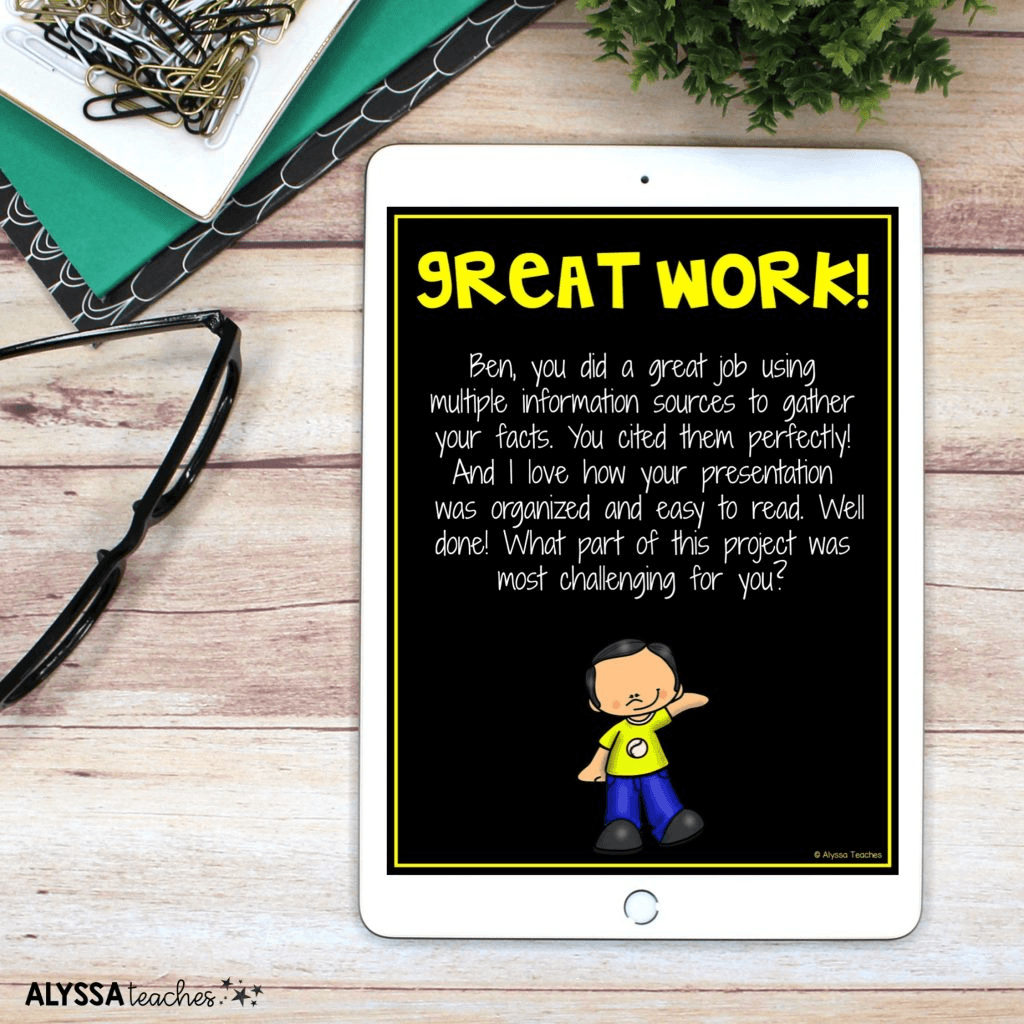
How to give useful feedback on a classmate's paper
By
Princeton Journal of Pre-Collegiate Research
Read more

Student editorial boards: how they work
By
Princeton Journal of Pre-Collegiate Research
Read more
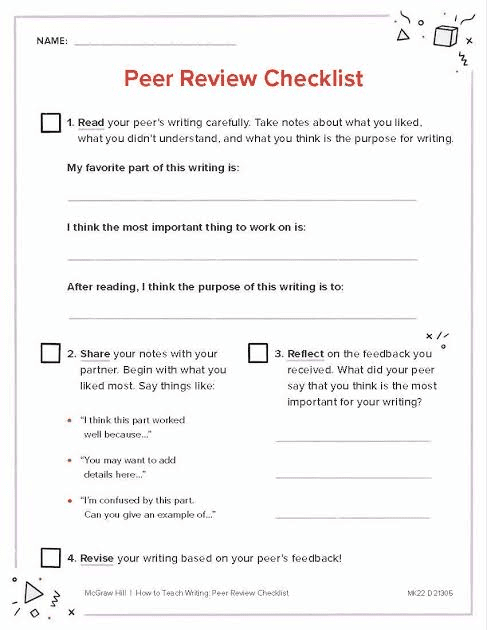
How to write a peer review as a student
By
Princeton Journal of Pre-Collegiate Research
Read more

Peer review etiquette: tone, structure, fairness
By
Princeton Journal of Pre-Collegiate Research
Read more

Version control for research documents
By
Princeton Journal of Pre-Collegiate Research
Read more

Digital vs paper lab notebooks for students
By
Princeton Journal of Pre-Collegiate Research
Read more

Data management basics for student researchers
By
Princeton Journal of Pre-Collegiate Research
Read more
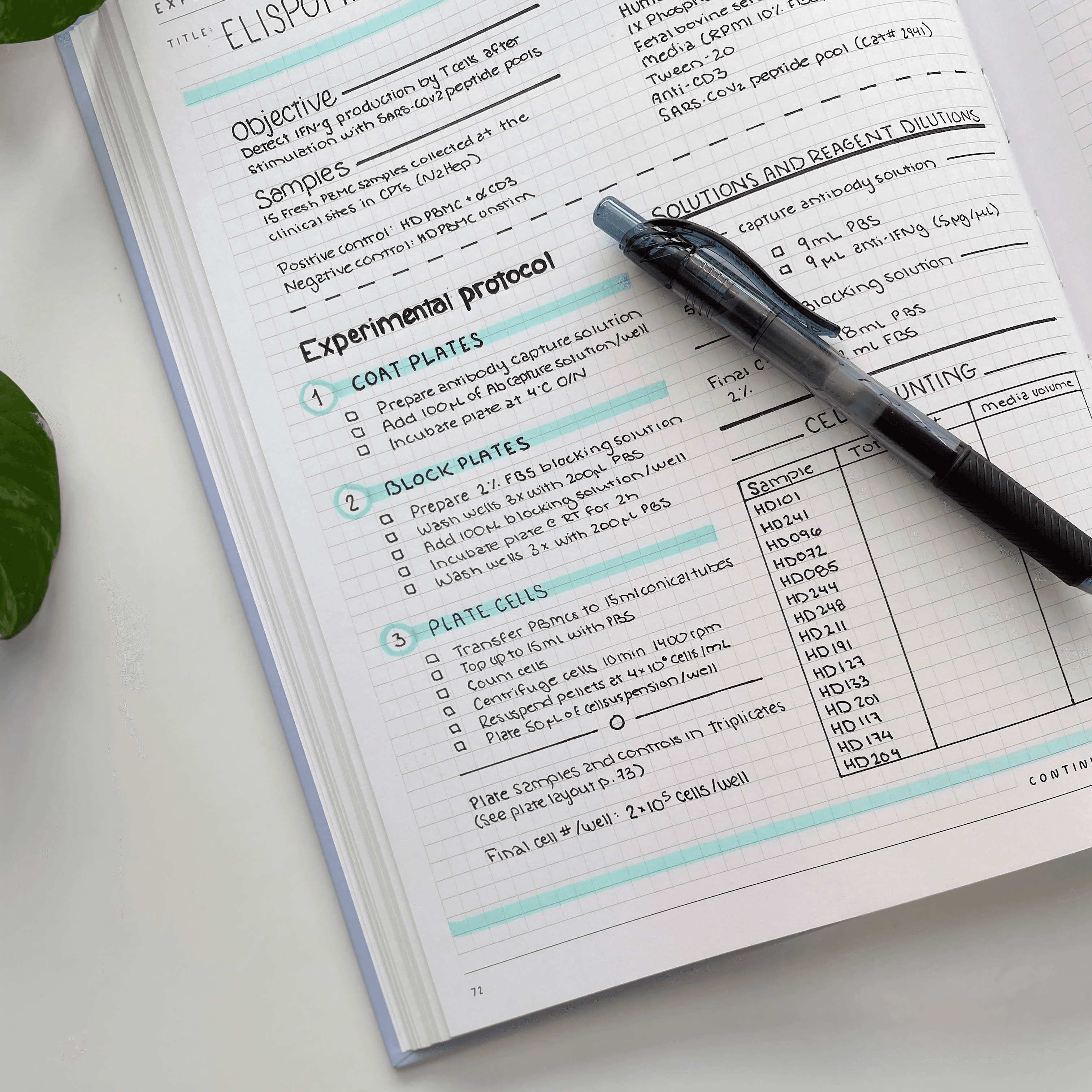
How to keep a lab notebook that reviewers trust
By
Princeton Journal of Pre-Collegiate Research
Read more

How to organize research files across a year-long project
By
Princeton Journal of Pre-Collegiate Research
Read more

How to document your data so you can defend it
By
Princeton Journal of Pre-Collegiate Research
Read more
How to write a grant proposal as a student
By
Princeton Journal of Pre-Collegiate Research
Read more
Free resources that replace research funding
By
Princeton Journal of Pre-Collegiate Research
Read more
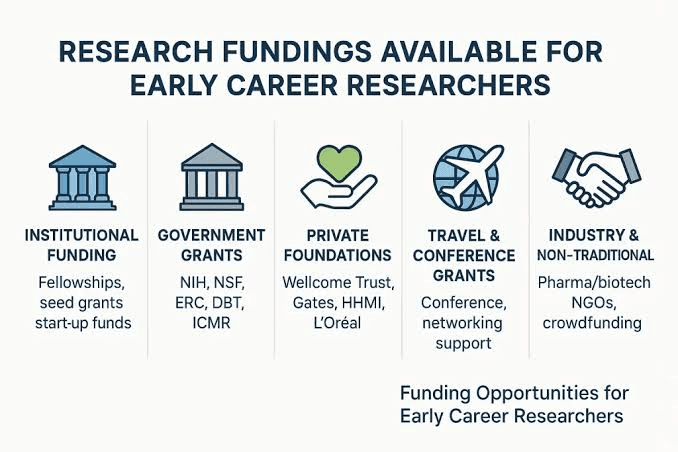
Corporate and nonprofit programs that fund student research
By
Princeton Journal of Pre-Collegiate Research
Read more

Science fair grants and material stipends explained
By
Princeton Journal of Pre-Collegiate Research
Read more

Crowdfunding a student research project: does it work
By
Princeton Journal of Pre-Collegiate Research
Read more

How much does a research project actually cost
By
Princeton Journal of Pre-Collegiate Research
Read more

How to ask your school to fund your project
By
Princeton Journal of Pre-Collegiate Research
Read more

Grants for high school research projects: what exists
By
Princeton Journal of Pre-Collegiate Research
Read more

How to start a research club at your school
By
Princeton Journal of Pre-Collegiate Research
Read more