How to revise a paper based on rejection feedback
Princeton Journal of Pre-Collegiate Research

Getting a rejection letter from a journal can feel devastating, but it doesn't have to be the end of your paper's journey. Knowing how to revise a paper based on rejection feedback is one of the most valuable skills any researcher or academic writer can develop. The truth is, most published papers were rejected at least once before finding their home in a journal. In this comprehensive guide, we'll walk you through every step of the revision process — from reading reviewer comments with a clear head to crafting a compelling response letter that gets your work accepted.
Understanding the Types of Rejection You May Receive
Before diving into the revision process, it's important to understand that not all rejections are created equal. Journals typically issue two main types of rejection:
Desk rejection: The editor rejects your paper without sending it out for peer review. This usually means the paper doesn't fit the journal's scope, lacks novelty, or has significant methodological problems.
Rejection after peer review: Reviewers have read your work and provided detailed feedback. Even though the paper was rejected, this feedback is incredibly valuable and often means the work has potential.
A rejection after peer review, while painful, is actually an opportunity. Reviewers have invested time in your work, which means they see something worth engaging with. Their critiques, however harsh they may seem, are a roadmap for improvement.
Step 1: Give Yourself Time Before Responding
The first and perhaps most important step in learning how to revise a paper based on rejection feedback is to resist the urge to respond immediately. Rejection triggers an emotional response, and reading reviewer comments while you're upset can lead to misinterpretation or defensive thinking.
Set the rejection email aside for at least 24 to 48 hours. When you return to it with fresh eyes, you'll be far better equipped to read the feedback objectively. Many experienced researchers recommend waiting a full week before beginning the revision process, especially if the rejection came as a surprise.
During this cooling-off period, remind yourself of a few key truths:
Rejection is a normal part of academic publishing, not a reflection of your worth as a researcher.
Reviewer comments, even negative ones, represent free expert consultation on your work.
Many landmark papers were rejected multiple times before publication.
Step 2: Carefully Analyze the Rejection Feedback
Once you're in the right headspace, it's time to read the feedback thoroughly and systematically. Print out the reviewer comments or copy them into a separate document. Read through everything once without taking notes, just to get the overall picture.
On your second read-through, begin categorizing the feedback:
Major concerns: Issues that fundamentally affect the validity or contribution of your research, such as methodological flaws, missing literature, or unclear research questions.
Minor concerns: Smaller issues like unclear phrasing, missing citations, or formatting problems.
Suggestions: Recommendations that aren't necessarily criticisms but could strengthen the paper.
Create a spreadsheet or table that lists each comment, its category, and a column for your planned response. This organizational step is crucial — it transforms an overwhelming wall of criticism into a manageable action plan.
Pay special attention to comments that appear from multiple reviewers. If two or three reviewers independently flag the same issue, it's a strong signal that this is a genuine weakness in your paper that needs serious attention.
How to Revise a Paper Based on Rejection Feedback: Building Your Action Plan
With your feedback categorized, you're ready to build a concrete revision plan. This is where knowing how to revise a paper based on rejection feedback becomes a strategic exercise rather than an emotional one.
Start with the major concerns. Ask yourself honestly whether each major criticism is valid. Sometimes reviewers misunderstand your work — but more often than not, if something confused a reviewer, it will confuse readers too. Even if you disagree with a critique, you need to either address it in your revision or explain clearly in your response letter why you chose not to.
For each major concern, outline the specific changes you'll make:
Methodological issues: Consider whether additional analyses, clearer descriptions of your methods, or acknowledgment of limitations can address the concern.
Literature gaps: Identify the missing references and determine where they fit into your argument.
Clarity issues: Rewrite sections that reviewers found confusing, and ask a colleague to read them before resubmission.
Scope concerns: If reviewers felt the paper tried to do too much, consider narrowing your claims or splitting the paper.
Once you've addressed major concerns, move to minor issues. These are often quicker to fix but shouldn't be neglected — leaving minor issues unaddressed signals carelessness to editors and reviewers.
Deciding Whether to Resubmit to the Same Journal or a New One
One of the most important decisions you'll face is whether to revise and resubmit to the same journal or take your revised paper elsewhere. This decision depends on several factors:
Resubmit to the same journal if:
The editor's letter suggests the door is open for resubmission (phrases like "we would consider a substantially revised version" are a green light).
The journal is the best fit for your work in terms of audience and scope.
The reviewer feedback is detailed and constructive, suggesting genuine engagement with your work.
Submit to a new journal if:
The rejection was a desk rejection based on scope or fit.
The editor's letter is final with no suggestion of reconsideration.
The reviewers' concerns are so fundamental that the revised paper will essentially be a different paper.
If you're submitting to a new journal, you still benefit enormously from incorporating the reviewer feedback into your revision. A paper that has been strengthened based on expert critique is more likely to succeed on its next submission.
Writing an Effective Response Letter
If you're resubmitting to the same journal, your response letter is just as important as the revised manuscript itself. A well-crafted response letter demonstrates that you've taken the feedback seriously and made meaningful changes.
Follow these principles when writing your response letter:
Be professional and respectful: Even if you disagree with a reviewer, maintain a courteous tone throughout. Editors notice when authors are defensive or dismissive.
Address every single comment: Go through each reviewer comment one by one. Never skip a comment, even if you think it's minor or incorrect.
Be specific about changes: Don't just say "we have revised the manuscript." Specify exactly what you changed and where. Reference page numbers and line numbers when possible.
Explain your reasoning when you disagree: If you believe a reviewer is mistaken, politely explain why with evidence or citations. Offer to make the point clearer in the manuscript even if you're not making the change the reviewer suggested.
A typical response letter structure looks like this: a brief opening paragraph thanking the reviewers, followed by a point-by-point response to each reviewer's comments, with your responses clearly distinguished from the original comments (use bold, italics, or different formatting).
Strengthening Your Revised Manuscript
Beyond addressing specific reviewer comments, use the revision process as an opportunity to strengthen your paper holistically. Read through the entire manuscript with fresh eyes and ask yourself:
Is the research question stated clearly in the introduction?
Does the literature review situate your work appropriately within the field?
Are your methods described in enough detail for replication?
Do your conclusions follow logically from your results?
Is the writing clear, concise, and free of jargon?
Consider asking a trusted colleague or mentor to read the revised version before you submit. Fresh eyes often catch issues that you've become blind to after multiple readings. If your institution has a writing center or research support services, take advantage of those resources.
Also pay attention to the technical requirements of your target journal. Ensure your formatting, citation style, word count, and figure requirements all meet the journal's specifications. Technical non-compliance is an easy reason for editors to reject a paper, and it signals a lack of attention to detail.
Maintaining Momentum and a Positive Mindset
The revision process can be long and discouraging, especially if your paper has been rejected more than once. Maintaining momentum requires both practical strategies and the right mindset.
Set a realistic timeline for your revision. Break the work into manageable chunks — perhaps one reviewer's comments per day, or one section of the manuscript per week. Having a schedule prevents the revision from languishing indefinitely while you wait for motivation to strike.
Celebrate small wins along the way. Each comment you address successfully is progress. Each section you improve brings your paper closer to publication.
Remember that persistence is the single most important factor in academic publishing success. Studies of highly published researchers consistently show that they don't receive fewer rejections — they simply keep submitting. They've internalized the understanding that rejection is part of the process, not the end of it.
Final Checklist Before Resubmission
Before you hit submit on your revised manuscript, run through this final checklist:
Have you addressed every major and minor reviewer comment?
Is your response letter complete, professional, and specific?
Have you proofread the revised manuscript for new errors introduced during revision?
Does the manuscript meet all journal formatting requirements?
Have you updated your references to include any new literature cited in the revision?
Have you had at least one other person read the revised version?
Mastering how to revise a paper based on rejection feedback is ultimately about developing resilience, strategic thinking, and a genuine commitment to improving your work. Every rejection you navigate successfully makes you a stronger researcher and a more skilled writer. The paper you submit after a thorough, thoughtful revision is almost always better than the one that was originally rejected — and that's something worth celebrating.
Take the feedback, do the work, and keep submitting. Publication is not a matter of if, but when.
Read More

Can high school students be peer reviewers
By
Princeton Journal of Pre-Collegiate Research
Read more

What reviewing other papers teaches you about your own
By
Princeton Journal of Pre-Collegiate Research
Read more
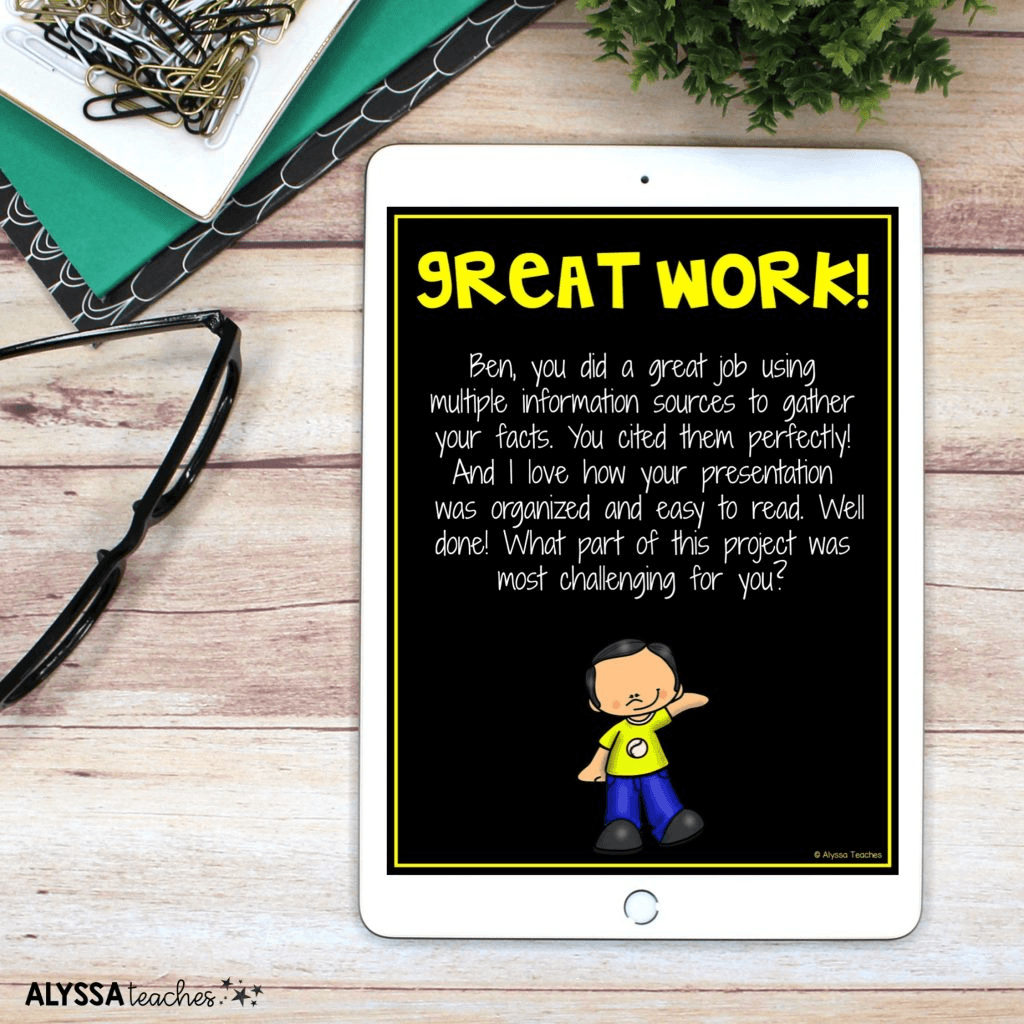
How to give useful feedback on a classmate's paper
By
Princeton Journal of Pre-Collegiate Research
Read more

Student editorial boards: how they work
By
Princeton Journal of Pre-Collegiate Research
Read more
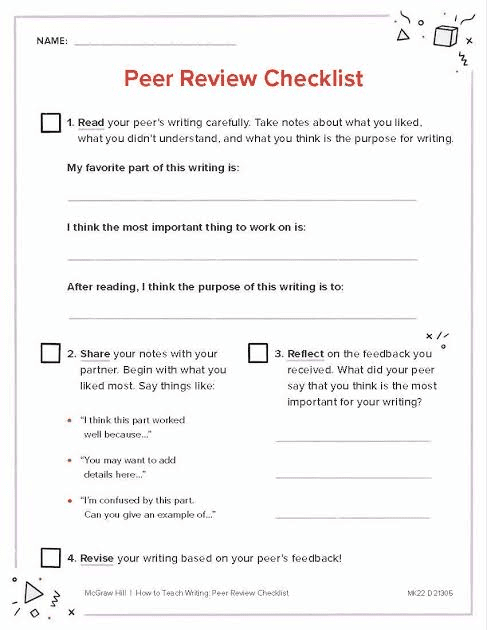
How to write a peer review as a student
By
Princeton Journal of Pre-Collegiate Research
Read more

Peer review etiquette: tone, structure, fairness
By
Princeton Journal of Pre-Collegiate Research
Read more

Version control for research documents
By
Princeton Journal of Pre-Collegiate Research
Read more

Digital vs paper lab notebooks for students
By
Princeton Journal of Pre-Collegiate Research
Read more

Data management basics for student researchers
By
Princeton Journal of Pre-Collegiate Research
Read more
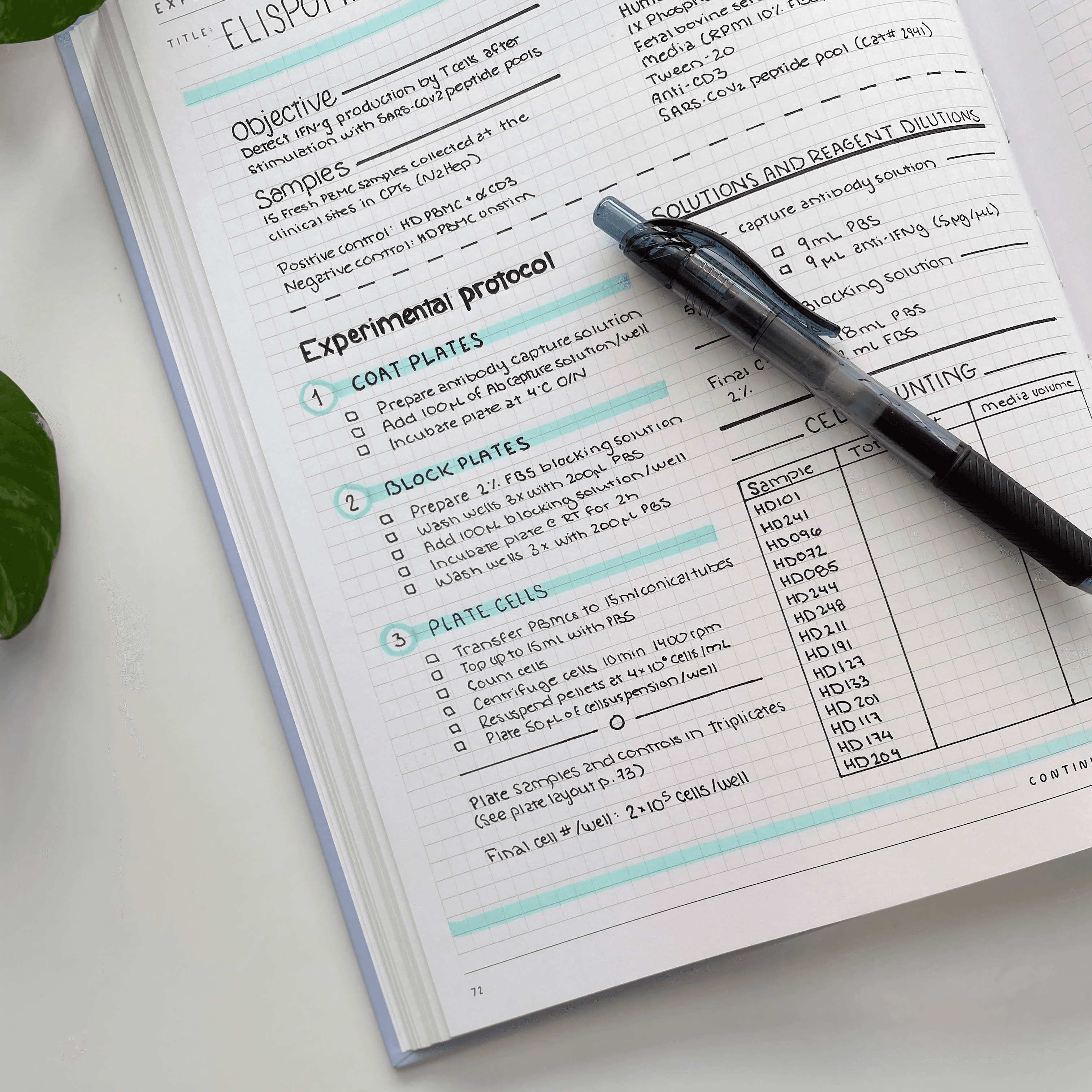
How to keep a lab notebook that reviewers trust
By
Princeton Journal of Pre-Collegiate Research
Read more

How to organize research files across a year-long project
By
Princeton Journal of Pre-Collegiate Research
Read more

How to document your data so you can defend it
By
Princeton Journal of Pre-Collegiate Research
Read more
How to write a grant proposal as a student
By
Princeton Journal of Pre-Collegiate Research
Read more

Free resources that replace research funding
By
Princeton Journal of Pre-Collegiate Research
Read more
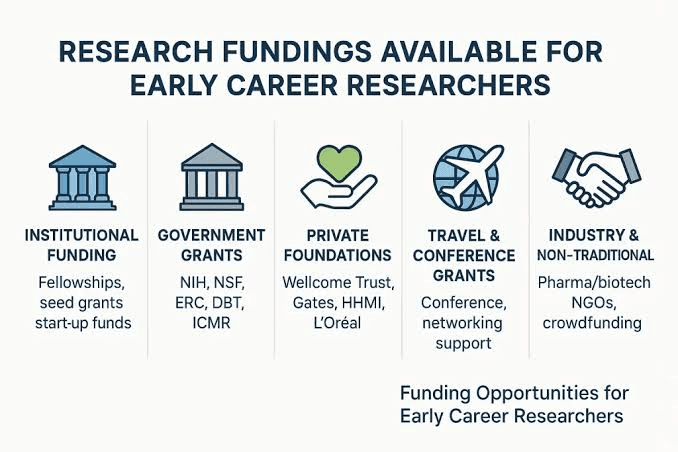
Corporate and nonprofit programs that fund student research
By
Princeton Journal of Pre-Collegiate Research
Read more

Science fair grants and material stipends explained
By
Princeton Journal of Pre-Collegiate Research
Read more

Crowdfunding a student research project: does it work
By
Princeton Journal of Pre-Collegiate Research
Read more

How much does a research project actually cost
By
Princeton Journal of Pre-Collegiate Research
Read more

How to ask your school to fund your project
By
Princeton Journal of Pre-Collegiate Research
Read more

Grants for high school research projects: what exists
By
Princeton Journal of Pre-Collegiate Research
Read more

How to start a research club at your school
By
Princeton Journal of Pre-Collegiate Research
Read more