Should you appeal a journal rejection or move on
Princeton Journal of Pre-Collegiate Research

A rejection letter from a journal stings. But the decision you make in the next 48 hours matters more than the rejection itself. Should you appeal a journal rejection or move on? The answer depends on exactly why you were rejected, and most students never stop to find out.
This guide breaks down the two paths clearly. You will know which one applies to your situation before you finish reading.
Why the Question Matters More Than You Think
Most high school researchers treat rejection as a binary outcome: try again elsewhere or give up. Neither response is always correct. An appeal filed for the wrong reasons wastes months and damages your relationship with an editor. Moving on from a rejection that was genuinely procedural wastes a paper that was already close to acceptance.
The decision to appeal a journal rejection or move on is a strategic one. It requires reading the rejection carefully, understanding the peer review process, and being honest about the quality of your work. That last part is the hardest.
What Types of Rejection Actually Exist
Not all rejections are the same. Journals reject papers for fundamentally different reasons, and each type calls for a different response.
Desk Rejection
A desk rejection happens before peer review begins. An editor reviews your submission and determines it does not meet the journal's basic scope, formatting requirements, or quality threshold. No reviewers ever read your paper. This type of rejection is rarely worth appealing (the editor has already made a scope judgment), but it is extremely worth analyzing before you submit anywhere else.
Post-Review Rejection
This is the rejection that arrives after your paper has gone through peer review. Reviewers read your work, evaluated it against the journal's standards, and recommended against publication. Their comments are usually included. This type of rejection contains the most actionable information and is the only type where an appeal has any realistic chance of succeeding.
Rejection With Invitation to Resubmit
Some journals send a rejection that is really a conditional invitation. The language often reads: "we cannot accept this paper in its current form, but we would consider a substantially revised version." This is not a rejection to appeal. This is a revision roadmap. Follow it precisely.
When You Should Appeal a Journal Rejection
Appeals are appropriate in a narrow set of circumstances. If none of the following apply to your situation, you should move on rather than appeal.
The Reviewer Made a Factual Error
Peer reviewers are human. They occasionally misread a methodology, misattribute a claim, or evaluate your paper against criteria that do not apply to your discipline. If a reviewer stated that your paper lacks a control group when your paper explicitly includes one, that is a factual error, not a judgment call. Document the specific error with page and line numbers. Write a calm, precise rebuttal that corrects the record without attacking the reviewer's competence.
The Review Was Outside the Stated Scope
Some journals publish scope statements that are broad on their website but narrow in practice. If your paper was rejected because a reviewer applied subject-specific standards to an explicitly interdisciplinary submission, and the journal's own guidelines invited interdisciplinary work, you have grounds for an appeal. Quote the journal's own language back to them. Make it factual, not emotional.
A Procedural Violation Occurred
Double-blind peer review means neither the author nor the reviewer knows the other's identity. If a reviewer's comments reveal they knew who wrote the paper, or if you received feedback that was clearly written by someone with a conflict of interest, that is a procedural violation. Most reputable journals take this seriously. Report it through the journal's official contact channel, not through a general appeal letter.
When You Should Move On Instead
The harder truth is that most rejections do not warrant an appeal. Most rejections are accurate assessments of work that is not yet ready for that particular venue. Recognizing this is not defeat. It is the beginning of a better submission strategy.
The Reviewers Identified Real Weaknesses
If the feedback mentions gaps in your literature review, insufficient sample size, weak argumentation, or unclear methodology, those are substantive critiques. No appeal will change them. An appeal that argues against legitimate criticism reads as defensive and immature to editors (and editors remember). Take the feedback, revise the paper, and find a better-matched journal.
The Paper Does Not Fit the Journal's Audience
Scope mismatch is the most common reason for rejection among student researchers. You wrote an excellent paper on behavioral economics, but you submitted it to a journal that primarily publishes experimental psychology. The paper was not wrong. The target was. Move on, and research your next submission more carefully. Our guide on how to compare journals before you submit research walks through exactly how to avoid this mistake.
The Rejection Letter Offers No Pathway Back
Some rejection letters are explicit. "We do not encourage resubmission" is a closed door. Appealing a closed-door rejection rarely produces a reversal and often produces silence. Respect the finality of the decision and redirect your energy toward a journal that is a stronger fit.
How to Write an Appeal If You Decide to Proceed
If you have evaluated your situation honestly and determined that an appeal is appropriate, the way you write it determines whether it succeeds.
Keep It Short and Specific
An appeal letter should be under 400 words. It should identify the specific error or procedural issue, provide evidence, and request a specific action (re-review by a different reviewer, correction of the record, reconsideration of scope). Do not summarize your entire paper. Do not explain how hard you worked. Editors respond to precision, not volume.
Maintain a Professional Tone Throughout
Frustration is understandable. Expressing it in an appeal letter is not useful. Every sentence should be factual and neutral. Phrases like "the reviewer clearly did not read my paper" will end the conversation immediately. Phrases like "the reviewer's comment on page 2 appears to reference a control group that is described in Section 3.2" will keep it open.
Address the Editor, Not the Reviewer
You are writing to the editor-in-chief or the handling editor, not to the reviewer. The editor is the decision-maker. Frame your appeal as a request for editorial reconsideration, not as a rebuttal directed at the reviewer. The editor will make the final call regardless of what the reviewer said.
What to Do After You Move On
Moving on is not passive. It is an active decision to use your rejection productively. The researchers who build strong publication records treat every rejection as a data point, not a verdict.
Start by reading every piece of reviewer feedback carefully, even the feedback that stings. Separate the comments into two categories: things you agree with and things you disagree with. Revise based on the first category before you submit anywhere else. For the second category, consider whether a different journal's reviewers might share the same concern. If multiple reviewers across multiple submissions flag the same issue, the issue is real.
Then research your next target journal with the same rigor you applied to your paper. Read their recently published issues. Check their stated scope against your actual topic. Look at whether they publish work at the student level or primarily publish graduate and faculty research. Our comparison of high acceptance rate vs selective journals can help you calibrate expectations before your next submission.
If you are a parent or advisor supporting a student through this process, the emotional dimension is real. Rejection at any age is difficult. Our resource on supporting your child through research paper rejection addresses how to frame the experience constructively without minimizing it.
The Bigger Picture: What Rejection Actually Tells You
Every working researcher has a rejection file. The file grows throughout a career. What separates productive researchers from discouraged ones is not the absence of rejection. It is the ability to extract signal from it and act on that signal without losing momentum.
For high school students, rejection from a rigorous peer-reviewed journal is itself a credential of seriousness. It means you submitted work to a venue with real standards. That is more than most students your age attempt. The question of whether to appeal a journal rejection or move on is ultimately a question about how seriously you take the craft of research. Taking it seriously means neither appealing reflexively nor giving up prematurely. It means reading the situation accurately and choosing the path that moves your work forward.
If you are still early in the process of choosing where to submit, our overview of the best journals for high school students in 2026 is a practical starting point. And if you are weighing what a journal's legitimacy looks like before you commit, read our breakdown of how to tell if a research journal is legitimate.
Should You Appeal a Journal Rejection or Move On: The Direct Answer
Appeal only if a reviewer made a verifiable factual error, a procedural violation occurred, or your paper was evaluated against criteria that clearly do not apply to it. In every other case, move on. Revise your paper using the feedback you received, identify a better-matched journal, and resubmit with more precision than you had the first time.
The researchers who publish are not the ones who never get rejected. They are the ones who respond to rejection with discipline rather than desperation. That discipline is learnable. Start now.
Princeton JPCR (not affiliated with Princeton University) publishes original research by high school students across 50+ academic disciplines through rigorous double-blind peer review. If your paper is ready, submit it to a journal built for researchers at your stage. If it is not ready yet, use the feedback you have received to make it stronger. Either way, keep working.
Read More

Can high school students be peer reviewers
By
Princeton Journal of Pre-Collegiate Research
Read more

What reviewing other papers teaches you about your own
By
Princeton Journal of Pre-Collegiate Research
Read more
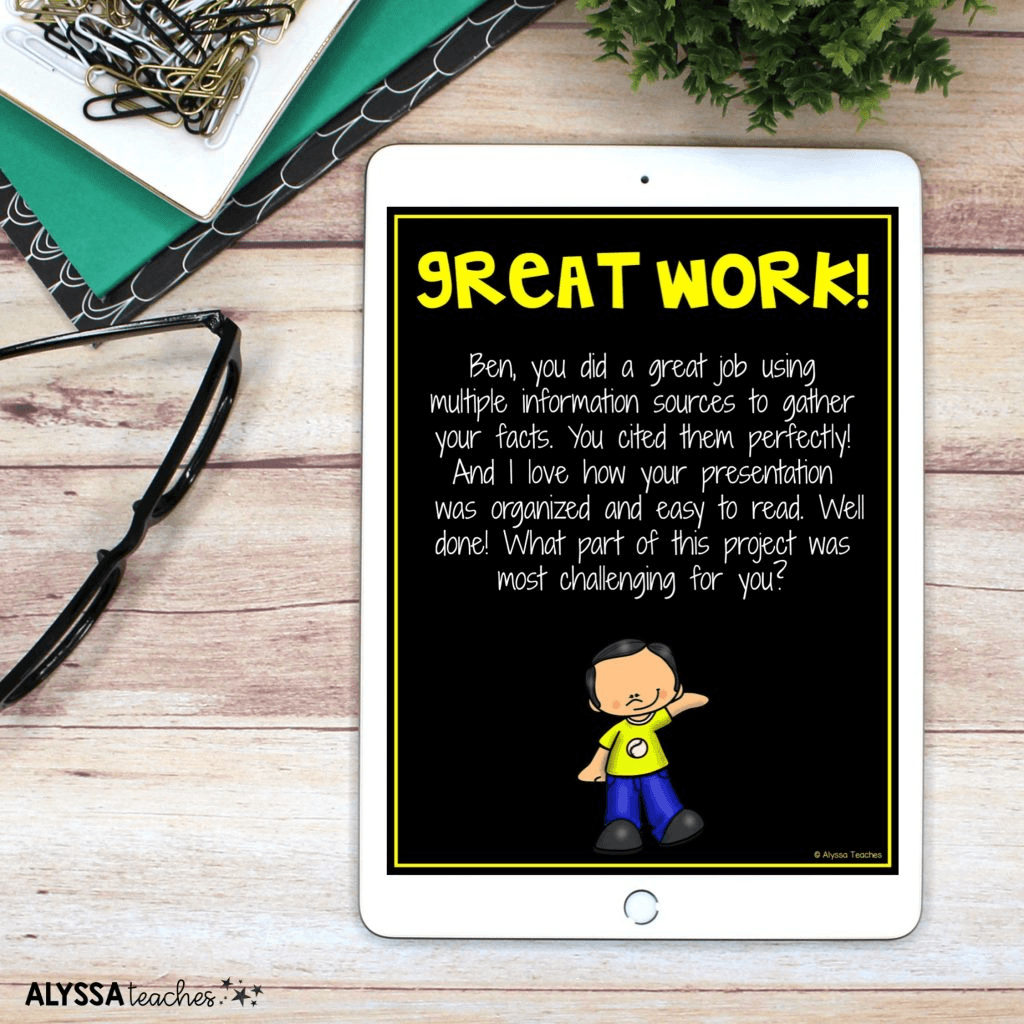
How to give useful feedback on a classmate's paper
By
Princeton Journal of Pre-Collegiate Research
Read more

Student editorial boards: how they work
By
Princeton Journal of Pre-Collegiate Research
Read more
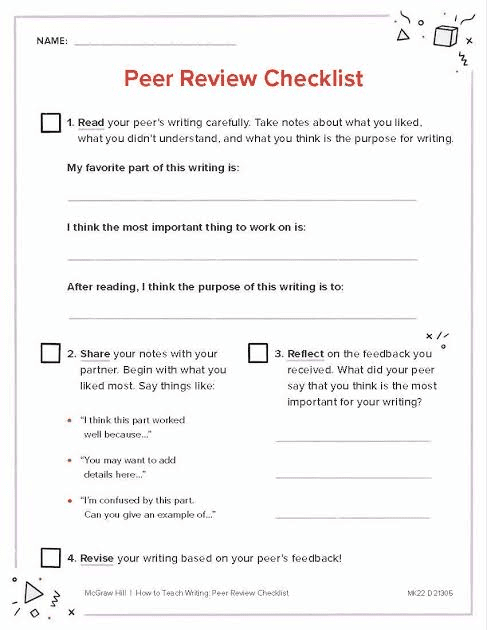
How to write a peer review as a student
By
Princeton Journal of Pre-Collegiate Research
Read more

Peer review etiquette: tone, structure, fairness
By
Princeton Journal of Pre-Collegiate Research
Read more

Version control for research documents
By
Princeton Journal of Pre-Collegiate Research
Read more

Digital vs paper lab notebooks for students
By
Princeton Journal of Pre-Collegiate Research
Read more

Data management basics for student researchers
By
Princeton Journal of Pre-Collegiate Research
Read more

How to keep a lab notebook that reviewers trust
By
Princeton Journal of Pre-Collegiate Research
Read more

How to organize research files across a year-long project
By
Princeton Journal of Pre-Collegiate Research
Read more

How to document your data so you can defend it
By
Princeton Journal of Pre-Collegiate Research
Read more
How to write a grant proposal as a student
By
Princeton Journal of Pre-Collegiate Research
Read more

Free resources that replace research funding
By
Princeton Journal of Pre-Collegiate Research
Read more
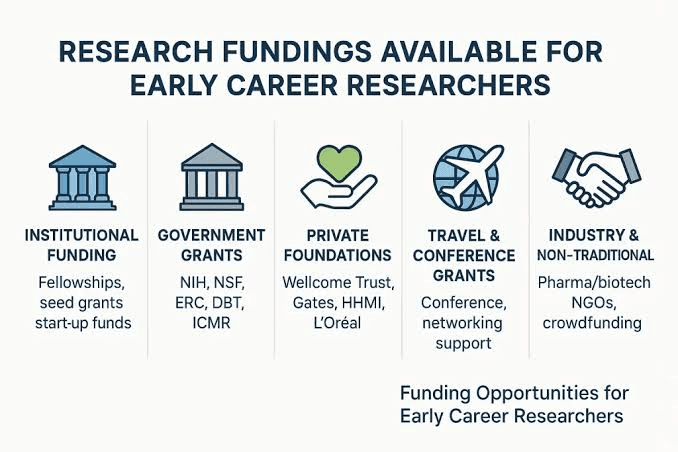
Corporate and nonprofit programs that fund student research
By
Princeton Journal of Pre-Collegiate Research
Read more

Science fair grants and material stipends explained
By
Princeton Journal of Pre-Collegiate Research
Read more

Crowdfunding a student research project: does it work
By
Princeton Journal of Pre-Collegiate Research
Read more

How much does a research project actually cost
By
Princeton Journal of Pre-Collegiate Research
Read more

How to ask your school to fund your project
By
Princeton Journal of Pre-Collegiate Research
Read more

Grants for high school research projects: what exists
By
Princeton Journal of Pre-Collegiate Research
Read more

How to start a research club at your school
By
Princeton Journal of Pre-Collegiate Research
Read more