How to know if your rejected paper is worth resubmitting
Princeton Journal of Pre-Collegiate Research

Rejection stings. But the decision you make in the 48 hours after receiving that email matters more than the rejection itself. Knowing how to evaluate whether your rejected paper is worth resubmitting is a skill that separates researchers who grow from researchers who quit.
This guide walks you through a clear, honest framework for making that call. No false comfort, no vague encouragement. Just a practical process for reading rejection correctly and acting on it with purpose.
Rejection Is Not a Verdict on Your Intelligence
The first thing to understand is what rejection actually means. A rejected paper is not a failed researcher. It is a paper that did not meet the standards of a specific journal at a specific moment in time. That distinction matters enormously.
Peer-reviewed journals reject papers for many reasons. Some are fatal to the work. Most are not. The reviewer comments you receive are data, and like all data, they need to be interpreted carefully before you act on them.
Before you decide anything, give yourself 24 hours away from the feedback. Read it cold, not raw. Emotional distance produces clearer thinking, and clearer thinking produces better decisions about next steps.
Start Here: Read the Reviewer Comments Carefully
The single most important factor in deciding whether your rejected paper is worth resubmitting is the nature of the reviewer feedback. Not all rejection letters carry the same weight or the same message.
Some rejections include detailed, substantive comments about methodology, argumentation, literature coverage, or structure. These are valuable. They tell you exactly what needs to change. A rejection with rich reviewer feedback is, counterintuitively, a strong signal that your paper has potential (reviewers do not invest that kind of effort in work they consider hopeless).
Other rejections arrive with minimal comment. A brief note that the paper does not fit the journal's scope, or that the work is not sufficiently advanced for publication at this time, is harder to act on but still informative. Scope mismatches are entirely fixable. They often have nothing to do with the quality of your research.
Read the comments once for emotional reaction. Then read them again as a checklist. Ask yourself: are these problems I can actually solve?
The Three Categories of Rejection Feedback
Not all reviewer criticism is equal. Learning to categorize feedback accurately is central to knowing how to evaluate whether your rejected paper is worth resubmitting.
Category One: Structural and Presentational Issues
These are the most fixable problems. Reviewers may flag unclear thesis statements, weak transitions between sections, insufficient citation of relevant literature, or formatting inconsistencies. None of these issues reflect a flaw in your core research. They reflect a gap between the quality of your thinking and the quality of your writing.
If the bulk of your feedback falls into this category, resubmission is almost always worth pursuing. The research is sound. The presentation needs work. That is a solvable problem. Before you resubmit anywhere, spend serious time on how to edit your own research paper before submission so the next version is genuinely stronger.
Category Two: Methodological Concerns
This is the middle ground. Reviewers may question your sample size, your analytical approach, your data sources, or the validity of your conclusions given the evidence you present. These are more serious concerns, but they are not necessarily fatal.
The key question here is whether you can actually address the concern. If a reviewer flags that your sample size is too small and you have no way to collect additional data, that is a genuine limitation. If the concern is about how you framed your methodology rather than the methodology itself, revision is possible.
Be honest with yourself. Can you genuinely fix the methodological issue, or would you be papering over a real weakness? Resubmitting a paper with unresolved methodological problems wastes everyone's time, including yours.
Category Three: Fundamental Conceptual Problems
Occasionally, reviewer feedback identifies a problem at the level of the research question itself. The argument may rest on a flawed premise. The research may duplicate existing work without adding anything new. The conclusions may not follow from the evidence presented in any version of the paper.
These rejections are the hardest to hear and the most important to take seriously. If your feedback falls primarily into this category, resubmission of the current paper is unlikely to succeed. That does not mean your effort was wasted. It means your next paper will be significantly better because of what you learned. Understanding what makes a research paper get rejected at a fundamental level is itself a form of scholarly development.
Ask the Right Questions Before Deciding
Once you have categorized the feedback, run your paper through this set of diagnostic questions. These are the questions that determine whether your rejected paper is worth resubmitting.
Is the core research question still valid? If yes, the paper has a foundation worth building on.
Can you address the specific concerns raised? Not deflect them, not minimize them. Actually address them with evidence and revision.
Do you have the time and resources to make the necessary changes? A superficial revision is worse than no revision. It signals to reviewers that you did not engage seriously with their feedback.
Was the rejection a scope issue rather than a quality issue? If the journal simply does not publish work in your area, the paper may be perfectly suitable for a different venue.
Did the feedback teach you something you did not already know? If reviewers identified genuine gaps in your thinking, that is a sign you are operating at the right level of challenge. Growth is happening.
The Scope Mismatch Problem
A significant number of rejections at student journals come down to scope rather than quality. The paper may be well-written, methodologically sound, and genuinely original, but it does not match what that particular journal publishes.
If your rejection letter explicitly mentions scope, read it as a redirection, not a dismissal. Your task is to identify a journal whose scope aligns with your work. At Princeton JPCR, we publish original research across 50+ academic disciplines, from STEM to humanities to interdisciplinary fields. Work that feels too niche for one venue may be exactly what another journal is looking for.
(not affiliated with Princeton University, but committed to the same standard of rigorous, discipline-spanning scholarship)
How Long Revision Actually Takes
One of the most common mistakes student researchers make is underestimating the time a serious revision requires. A genuine revision is not a light editing pass. It may involve restructuring entire sections, revisiting your literature review, recalculating or reframing your analysis, and rewriting your discussion to address reviewer concerns directly.
If you are wondering whether the timeline is normal, it is. It is entirely normal for a first research paper to take months from initial submission through revision and final acceptance. The researchers who succeed are the ones who treat that timeline as part of the process, not an obstacle to it.
Build your revision schedule before you start. Assign specific tasks to specific days. Do not revise in one marathon session. Sustained, structured revision produces better work than frantic last-minute rewrites.
What a Strong Resubmission Actually Looks Like
Resubmitting the same paper with minor cosmetic changes is not a resubmission. It is a signal to reviewers that you did not take their feedback seriously. That damages your credibility more than the original rejection did.
A strong resubmission addresses every substantive concern raised by reviewers, even if you ultimately disagree with some of them. When you disagree, you explain your reasoning clearly and provide evidence for your position. You do not simply ignore the comment and hope the reviewer does not notice.
Many journals ask for a revision letter alongside a resubmitted manuscript. Even when it is not required, writing one is good practice. It forces you to articulate exactly what you changed and why. That discipline makes the revision itself more rigorous.
When Resubmission Is Not the Right Move
There are situations where the most productive decision is to set the paper aside. If the fundamental research question has been superseded by more recent work, if you lack the resources to address core methodological concerns, or if the feedback reveals that the paper requires a complete reconceptualization rather than a revision, moving forward with a new project may serve you better.
That is not failure. That is judgment. The ability to assess your own work honestly and decide when to persist and when to redirect is a mark of genuine scholarly maturity. If you are a parent or advisor supporting a student through this decision, supporting your child through research paper rejection with that framing intact makes all the difference.
And if the decision is to move forward with a new paper, the experience of writing and submitting the rejected one is not wasted. Every paper you write makes the next one sharper. That is how researchers develop.
The Admissions Dimension
For high school students considering whether a revised and resubmitted paper is worth the effort, the answer is almost always yes, provided the revision is genuine. A published paper with a documented revision history demonstrates persistence, intellectual honesty, and the ability to respond to expert criticism. Those are qualities that matter in college admissions contexts.
If you are weighing the broader value of the publication itself, a published research paper is worth serious consideration in college admissions, particularly when it reflects real scholarly effort rather than a rubber-stamped submission. The distinction is visible to admissions readers who know what to look for.
What Happens After You Resubmit
Once you submit a revised manuscript, the review process begins again. Depending on the journal, your paper may go back to the original reviewers or be assigned to new ones. Either way, the standard applied is the same: does this paper meet the bar for publication?
Understanding what happens after you submit your research paper helps you manage the waiting period productively. Use the time to begin your next project, read in your field, or refine your understanding of the literature. Do not sit and refresh your email. The process takes the time it takes.
How to Know If Your Rejected Paper Is Worth Resubmitting: A Final Framework
To bring this together, here is a direct framework for making the call. Your rejected paper is worth resubmitting if the following conditions hold.
The core research question remains valid and original.
The reviewer feedback is substantive and addressable with genuine revision.
The rejection was driven by presentation, scope, or methodology, not a fundamental conceptual flaw.
You have the time and resources to revise seriously, not superficially.
You are submitting to a venue whose scope actually matches your work.
If most of these conditions are true, resubmit. Do the work. Take the feedback seriously. Submit a better paper than the one that was rejected.
If the conditions are not met, use what you learned and build something stronger from the ground up. That is not retreat. That is research.
Submit Your Best Work to Princeton JPCR
Princeton JPCR publishes original research by high school students across 50+ academic disciplines. Every submission receives rigorous double-blind peer review. Every accepted paper receives a DOI. Every author receives feedback designed to teach, not just evaluate.
(not affiliated with Princeton University, but built on the same conviction that student research deserves a serious venue)
If you have a paper worth submitting, or a revised paper ready for its second chance, this is where it belongs. Explore our research and publishing resources or visit Princeton JPCR to learn more about our submission process. You leave a better researcher than you arrived.
Read More

Can high school students be peer reviewers
By
Princeton Journal of Pre-Collegiate Research
Read more

What reviewing other papers teaches you about your own
By
Princeton Journal of Pre-Collegiate Research
Read more
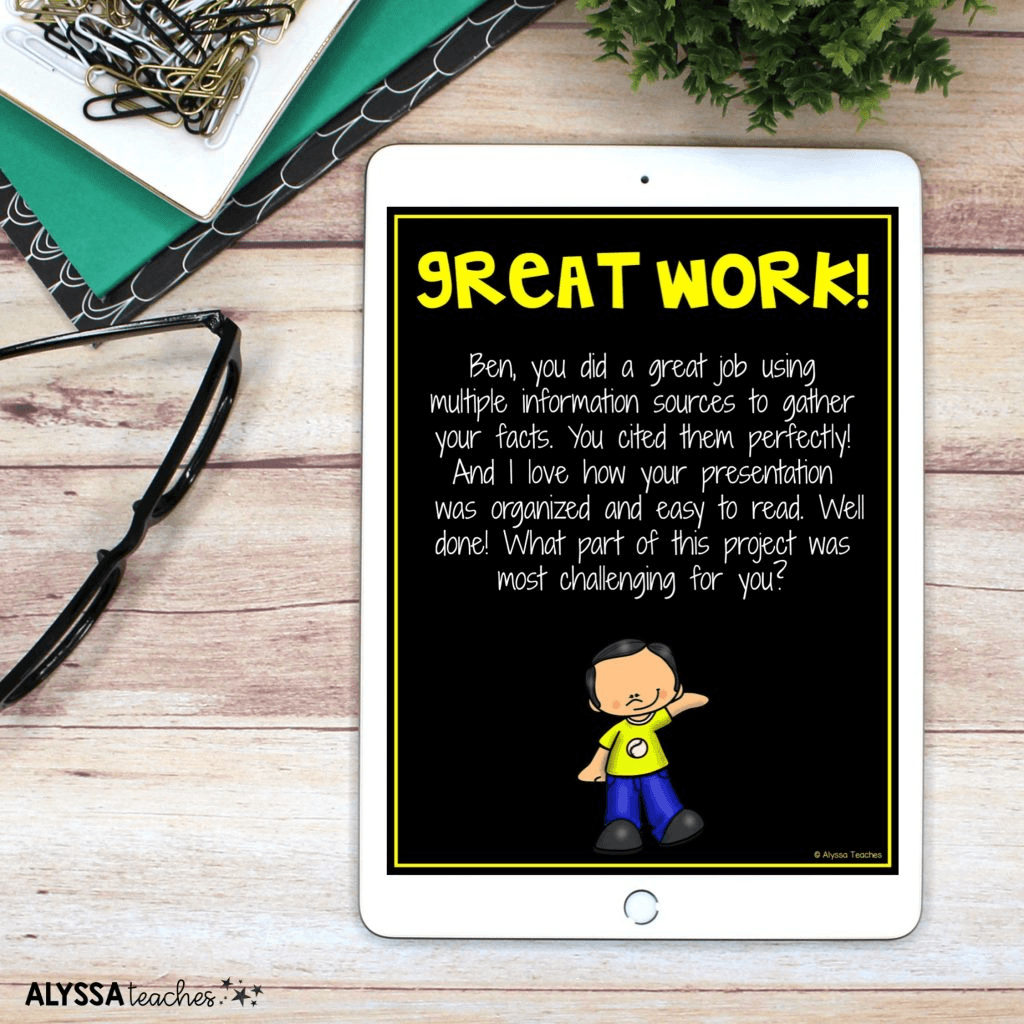
How to give useful feedback on a classmate's paper
By
Princeton Journal of Pre-Collegiate Research
Read more

Student editorial boards: how they work
By
Princeton Journal of Pre-Collegiate Research
Read more
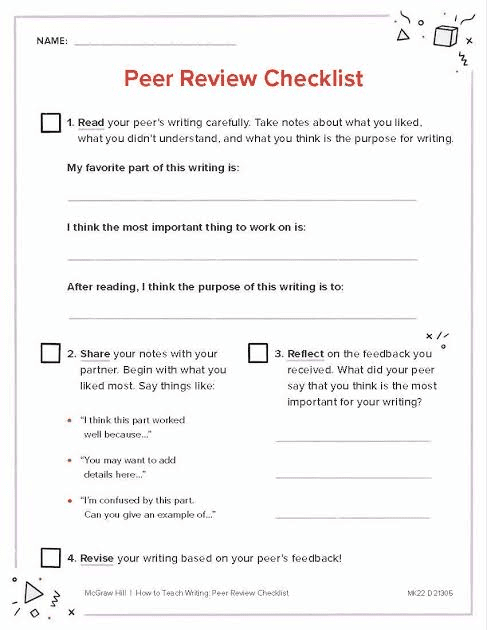
How to write a peer review as a student
By
Princeton Journal of Pre-Collegiate Research
Read more

Peer review etiquette: tone, structure, fairness
By
Princeton Journal of Pre-Collegiate Research
Read more

Version control for research documents
By
Princeton Journal of Pre-Collegiate Research
Read more

Digital vs paper lab notebooks for students
By
Princeton Journal of Pre-Collegiate Research
Read more

Data management basics for student researchers
By
Princeton Journal of Pre-Collegiate Research
Read more
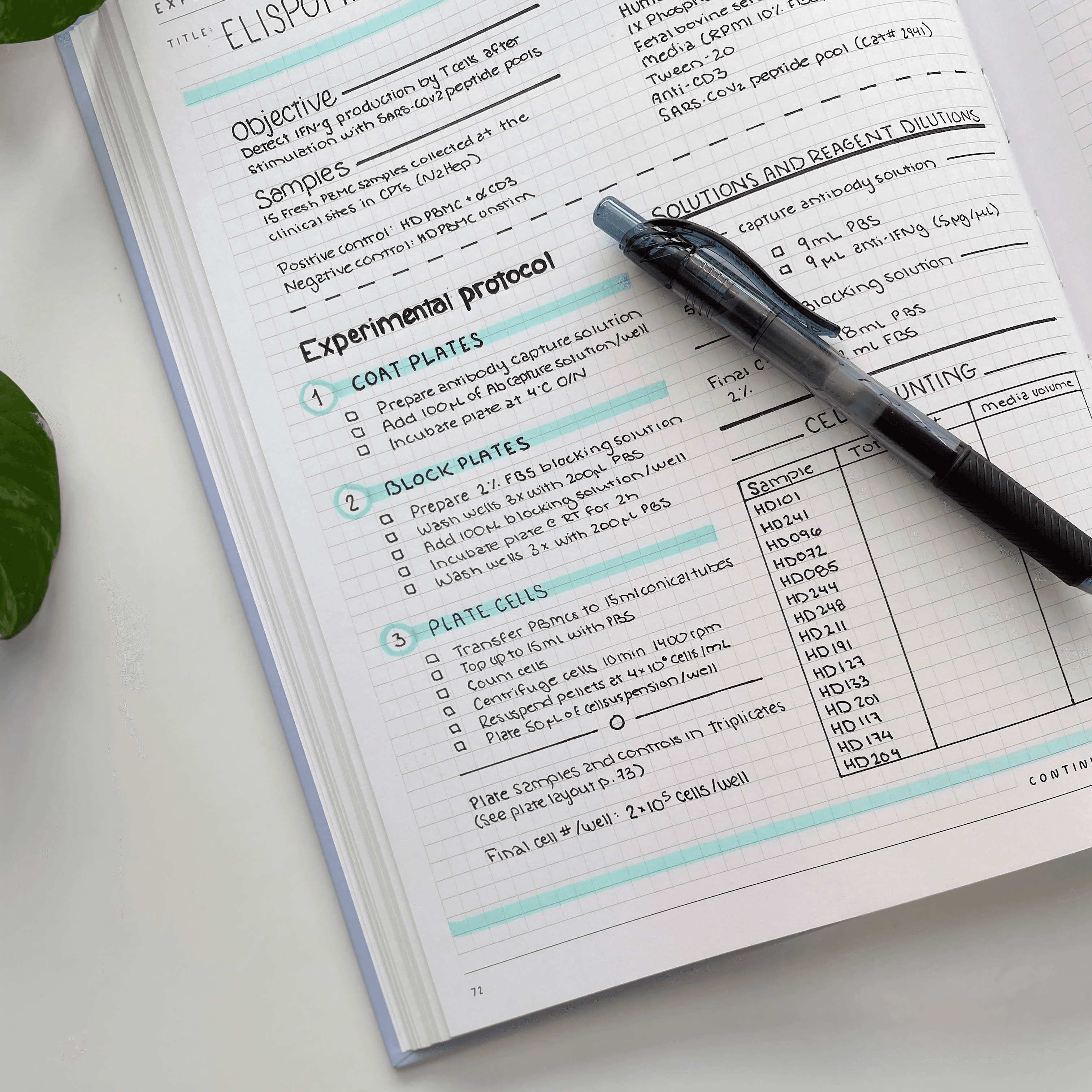
How to keep a lab notebook that reviewers trust
By
Princeton Journal of Pre-Collegiate Research
Read more

How to organize research files across a year-long project
By
Princeton Journal of Pre-Collegiate Research
Read more

How to document your data so you can defend it
By
Princeton Journal of Pre-Collegiate Research
Read more
How to write a grant proposal as a student
By
Princeton Journal of Pre-Collegiate Research
Read more
Free resources that replace research funding
By
Princeton Journal of Pre-Collegiate Research
Read more
Corporate and nonprofit programs that fund student research
By
Princeton Journal of Pre-Collegiate Research
Read more

Science fair grants and material stipends explained
By
Princeton Journal of Pre-Collegiate Research
Read more

Crowdfunding a student research project: does it work
By
Princeton Journal of Pre-Collegiate Research
Read more

How much does a research project actually cost
By
Princeton Journal of Pre-Collegiate Research
Read more

How to ask your school to fund your project
By
Princeton Journal of Pre-Collegiate Research
Read more

Grants for high school research projects: what exists
By
Princeton Journal of Pre-Collegiate Research
Read more

How to start a research club at your school
By
Princeton Journal of Pre-Collegiate Research
Read more