How to update colleges after your paper gets accepted
Princeton Journal of Pre-Collegiate Research

Your paper just got accepted. That is a significant academic achievement, and colleges need to know about it. Knowing how to update colleges after your paper gets accepted is not optional if you want admissions officers to factor this credential into their decision.
This guide walks you through exactly what to do, when to do it, and how to communicate the news in a way that lands with weight rather than noise.
Why a Published Research Paper Changes Your Application
Admissions offices read thousands of activity lists every cycle. Most of them describe participation. A peer-reviewed publication describes contribution. That distinction matters more than most students realize. (it is not just a line item, it is evidence of original thought.)
A paper accepted to an international, peer-reviewed journal signals that your work survived expert scrutiny. It was not self-published. It was not a school project. It went through a structured review process and was found to meet a scholarly standard. Understanding what colleges actually think about high school research makes it clear why this kind of credential carries real weight in competitive admissions.
The update you send is your opportunity to make sure that context reaches the right people at the right time.
When to Send the Update
Timing is everything here. Do not wait until you have a published link to share the news. Acceptance and publication are two different milestones, and both are worth communicating.
Before the Decision Is Made
If your paper is accepted while your application is still under review, send the update immediately. Do not let a week pass. Admissions cycles move quickly, and files are sometimes finalized before students realize they had relevant news to share. A prompt update gives the committee a chance to incorporate it before a decision is rendered.
After You Are Waitlisted
A research publication is exactly the kind of meaningful update that waitlist letters ask for. Schools explicitly invite applicants to submit new and significant information. A peer-reviewed acceptance qualifies without question. This is one of the strongest possible updates you can send from a waitlist position.
After You Are Admitted
If you are already admitted and your paper is accepted after the fact, still send the update. It reaches your file at the school you will attend, it builds your academic reputation before you arrive, and it may matter for merit scholarship reconsiderations at some institutions.
How to Update Colleges After Your Paper Gets Accepted: The Mechanics
Different schools have different systems. Understanding the channel matters as much as the message itself.
Use the Official Update Portal When One Exists
Many selective universities have applicant portals with a dedicated section for submitting updates after submission. Log in and look for terms like "additional information," "update my application," or "continued interest." If that option exists, use it. Updates submitted through official channels are more reliably routed to your file than emails sent to general inboxes.
Email the Admissions Office Directly
If no portal exists, email is appropriate. Address the email to the regional admissions officer assigned to your school or area if that information is available. If not, send it to the general admissions email with a clear subject line. (generic inboxes get read, just more slowly.)
Use this subject line format: Application Update: [Your Full Name] | [Your Application ID if known] | Research Publication
That structure makes the email easy to file and easy to find.
Contact Your School Counselor
Your counselor has a direct line to admissions offices at schools where they have established relationships. Inform your counselor of the acceptance and ask if they are willing to note it in a brief follow-up to the schools on your list. A counselor's corroboration adds credibility to your update. (it confirms you are not overstating what happened.)
What to Include in Your Update Email
The email should be short, specific, and professional. Admissions officers are not looking for a second personal statement. They are looking for a clear, verifiable update. Here is what to include.
Your Identifying Information
Open with your full name, the high school you attend, and your application ID if you have it. Make it effortless for the reader to pull up your file. Do not assume they will remember you by name alone.
The Name of the Journal and the Nature of the Review Process
Name the journal explicitly. State that it is peer-reviewed and international. If the journal uses double-blind review, say so. (this tells the reader that your identity did not influence the outcome, your work stood on its own.) Include the title of your paper and the discipline it falls under.
The Acceptance Date and DOI or Publication Link
If your paper has already been assigned a DOI, include it. A DOI is a permanent, verifiable identifier that makes your publication findable by anyone. It is the difference between a claim and a credential. If the paper is accepted but not yet live, state the expected publication timeline and offer to send the link once it is available.
One Sentence on Why It Matters
Do not over-explain. One sentence connecting the research to your academic interests or intended field of study is enough. Something like: "This paper reflects my sustained interest in environmental policy and represents the most rigorous academic work I have completed to date." That is sufficient. Let the publication speak for itself.
A Sample Update Email Structure
The following structure works for most schools and most situations. Adapt the language to your own voice, but keep the format clean.
Subject: Application Update: Jordan Lee | Application #1234567 | Research Publication
Opening line: I am writing to share a meaningful update to my application.
Publication detail: My research paper, titled [Paper Title], has been accepted for publication in the Princeton Journal of Pre-Collegiate Research, an international peer-reviewed journal publishing original work by high school students across 50+ academic disciplines. The journal uses double-blind review, and the paper has been assigned DOI [number].
Connection to your application: This research reflects my long-standing interest in [field] and represents original work I conducted independently over [timeframe].
Closing: I remain very interested in [School Name] and would welcome the opportunity to contribute to its academic community. Thank you for your continued consideration.
Keep the entire email under 200 words. Brevity signals confidence. (you are not begging, you are informing.)
Common Mistakes to Avoid
Overselling or Misrepresenting the Journal
Do not describe the journal in terms it does not claim for itself. If it is affiliated with a pre-collegiate research organization, say that. If it is not affiliated with a university, do not imply that it is. Admissions officers verify claims, and any misrepresentation undermines the entire update. Accuracy is not just ethical, it is strategic.
Sending the Same Generic Email to Every School
Personalize each email minimally but meaningfully. Reference the specific school by name. If the research connects to a program, lab, or faculty member at that institution, note it in one sentence. Generic updates read as mass communications and land with less impact.
Waiting Too Long
This is the most common mistake. Students wait until the paper is fully published before sending any update. Do not wait. Acceptance is the milestone that matters for admissions purposes. Send the update when the acceptance arrives, not when the link goes live.
Sending Multiple Follow-Up Emails
One update email is appropriate. One follow-up if you did not receive a confirmation after two weeks is acceptable. Beyond that, you are creating friction rather than goodwill. Trust that your update was received and let the file do its work.
How to Update Colleges After Your Paper Gets Accepted: Documenting the Achievement
Beyond the admissions update, document this achievement properly for future use. Your publication record follows you into college, graduate school applications, scholarship applications, and professional contexts.
Save the acceptance email. Save the DOI. Save the full citation in a standard academic format. If you are uncertain about the process that led to acceptance, revisiting what happens after you submit your research paper can help you articulate the review process accurately when describing it to others.
Update your resume and activity list immediately. The citation should appear in full, including journal name, volume, issue if applicable, and DOI. (a citation without a DOI is harder to verify and therefore carries less weight.)
What If You Are Still Working on Your Paper
Some students are in the middle of the submission and review process when application deadlines arrive. If your paper is under review but not yet accepted, you can note it in your application as a work in progress. Use language like "submitted for peer review" rather than "accepted" or "published." Accuracy matters, and premature claims are easily checked.
If you are still refining your manuscript, how to edit your own research paper before submission offers a structured approach to getting your work ready for review. The stronger the submission, the faster the path to an acceptance you can actually report.
If Your Paper Was Rejected Before Acceptance
Rejection is part of the research process. Many papers go through revision and resubmission before reaching acceptance. If you experienced rejection before this acceptance, that context is worth understanding. What to do if your child's research paper gets rejected outlines how to approach revision productively. The persistence required to reach acceptance after rejection is itself a story worth telling, if the timing allows for it in your application narrative.
How to Update Colleges After Your Paper Gets Accepted: Final Steps
Once you have sent your updates, track which schools received them and when. Keep a simple log with the date sent, the channel used, and any confirmation received. This is basic organization, but it prevents the anxiety of wondering whether your update was received.
Then return your focus to the work. The paper is published or soon will be. It exists permanently in the academic record. (it is findable by anyone, forever.) That permanence is the real credential. The admissions update is just the mechanism for making sure the right people know about it at the right time.
Publish First. Then Tell the Right People.
Knowing how to update colleges after your paper gets accepted is a practical skill that most students overlook entirely. They do the hard work of research, survive peer review, earn the acceptance, and then fail to communicate it effectively. Do not let that happen.
Send the update promptly. Keep it specific and verifiable. Use the right channel for each school. And let the credential carry the weight it deserves.
If you are still working toward that acceptance, explore the Blogs section for guidance on every stage of the research and publication process. And when you are ready to submit original work for peer review, Princeton JPCR publishes high school research across 50+ disciplines, with double-blind review and a DOI on every accepted paper. (no shortcuts, no rubber stamps.) Start there.
Read More

Can high school students be peer reviewers
By
Princeton Journal of Pre-Collegiate Research
Read more

What reviewing other papers teaches you about your own
By
Princeton Journal of Pre-Collegiate Research
Read more
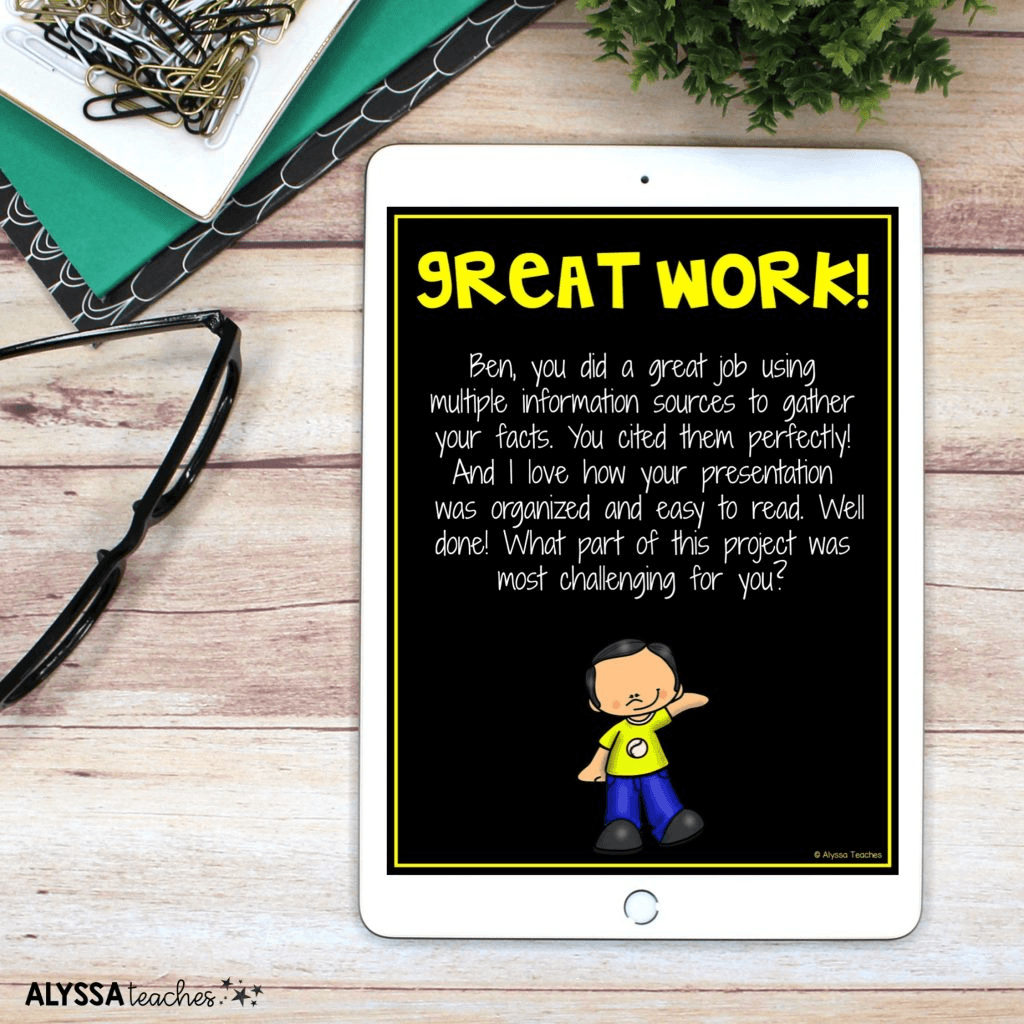
How to give useful feedback on a classmate's paper
By
Princeton Journal of Pre-Collegiate Research
Read more

Student editorial boards: how they work
By
Princeton Journal of Pre-Collegiate Research
Read more
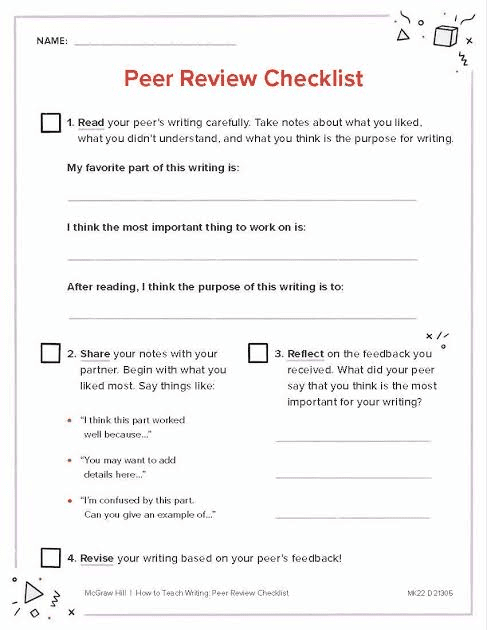
How to write a peer review as a student
By
Princeton Journal of Pre-Collegiate Research
Read more

Peer review etiquette: tone, structure, fairness
By
Princeton Journal of Pre-Collegiate Research
Read more

Version control for research documents
By
Princeton Journal of Pre-Collegiate Research
Read more

Digital vs paper lab notebooks for students
By
Princeton Journal of Pre-Collegiate Research
Read more

Data management basics for student researchers
By
Princeton Journal of Pre-Collegiate Research
Read more
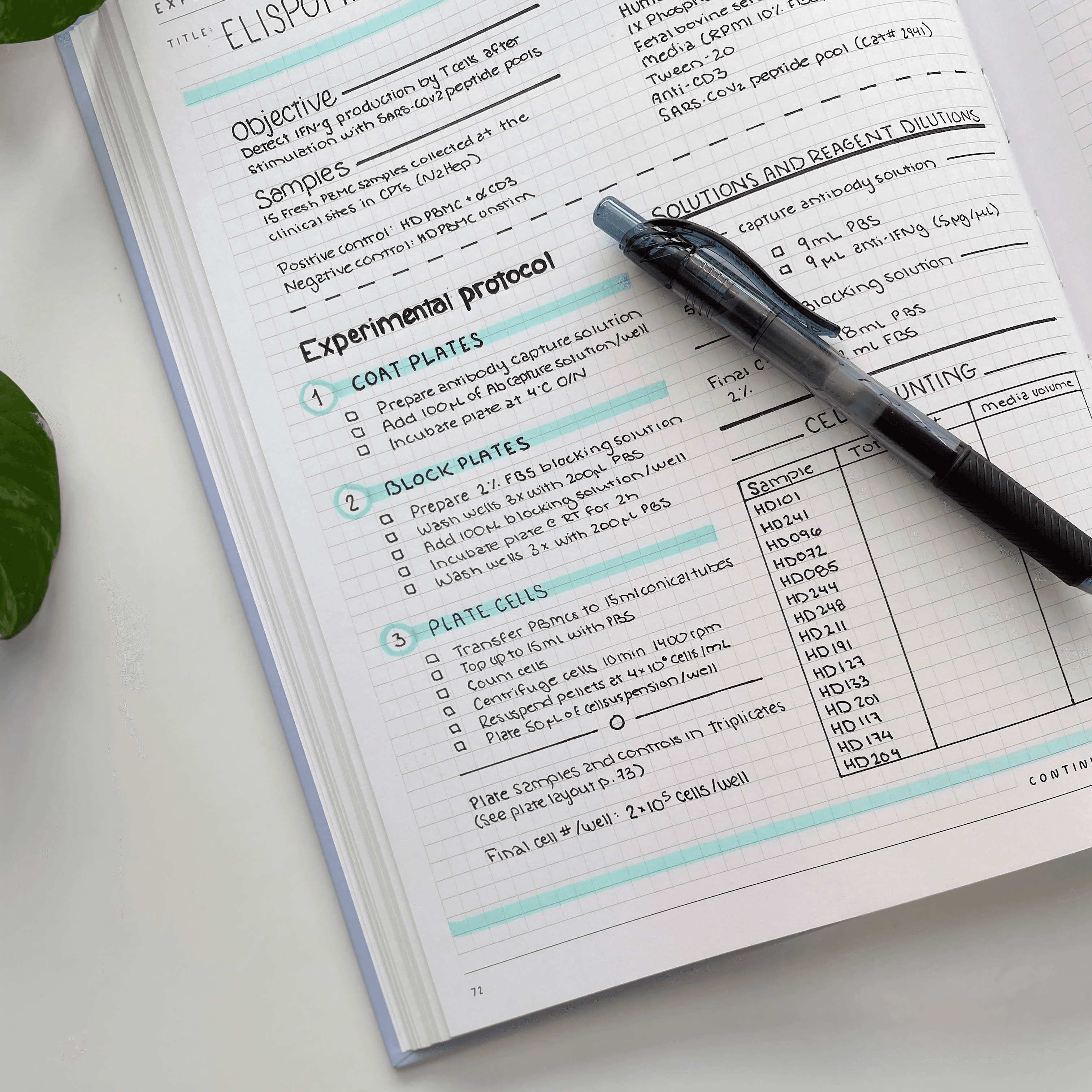
How to keep a lab notebook that reviewers trust
By
Princeton Journal of Pre-Collegiate Research
Read more

How to organize research files across a year-long project
By
Princeton Journal of Pre-Collegiate Research
Read more

How to document your data so you can defend it
By
Princeton Journal of Pre-Collegiate Research
Read more
How to write a grant proposal as a student
By
Princeton Journal of Pre-Collegiate Research
Read more

Free resources that replace research funding
By
Princeton Journal of Pre-Collegiate Research
Read more
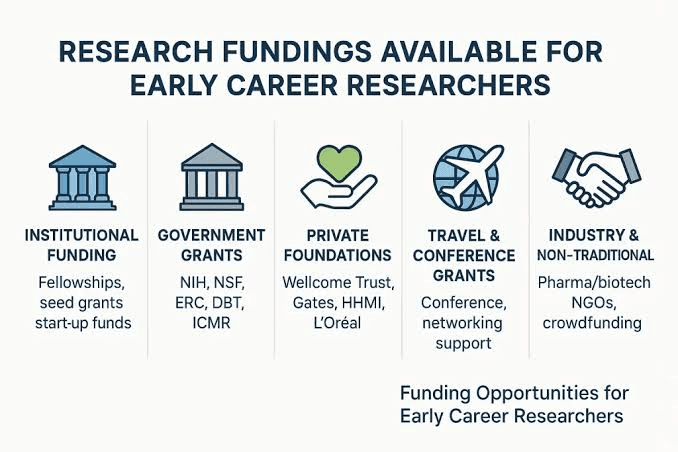
Corporate and nonprofit programs that fund student research
By
Princeton Journal of Pre-Collegiate Research
Read more

Science fair grants and material stipends explained
By
Princeton Journal of Pre-Collegiate Research
Read more

Crowdfunding a student research project: does it work
By
Princeton Journal of Pre-Collegiate Research
Read more

How much does a research project actually cost
By
Princeton Journal of Pre-Collegiate Research
Read more

How to ask your school to fund your project
By
Princeton Journal of Pre-Collegiate Research
Read more

Grants for high school research projects: what exists
By
Princeton Journal of Pre-Collegiate Research
Read more

How to start a research club at your school
By
Princeton Journal of Pre-Collegiate Research
Read more