Rejected without feedback: what it means and what to do next
Princeton Journal of Pre-Collegiate Research

You submitted your research paper, waited weeks, and received a rejection with no explanation attached. Being rejected without feedback is one of the most disorienting experiences in academic publishing, and it happens more often than most students expect. Understanding why journals do this, and what your next move should be, matters more than the rejection itself.
Why Journals Reject Without Explanation
Most journals receive far more submissions than their editorial teams can thoroughly evaluate. When volume is high, detailed feedback becomes operationally impossible for every paper that does not advance past an initial screening. This is not a personal judgment on your work. It is a structural reality of how academic publishing operates at scale.
There are several distinct reasons a journal might send a rejection with no accompanying commentary. Each reason carries different implications for what you should do next.
Desk Rejection: The Most Common Culprit
A desk rejection happens before peer review begins. An editor reviews your submission and determines it does not meet the journal's scope, formatting requirements, or baseline quality threshold. Because the paper never entered the formal review pipeline, no reviewer comments exist to share. The editor has made a unilateral call, often within days of submission, and moved on to the next manuscript in the queue.
Desk rejections are not always about quality. A technically strong paper submitted to the wrong journal will be desk-rejected without hesitation. If your submission was returned within one to two weeks, a desk rejection is the likely explanation. Review the journal's aims and scope carefully before drawing conclusions about your research itself.
Editorial Fit Failures
Some journals are highly specific about the methodologies, disciplines, or argument styles they publish. A paper that is well-executed but outside those parameters will be rejected quickly and without elaboration. The editors are not obligated to redirect you toward a better-fit venue, and most do not. That responsibility falls to you as the submitting author.
High-Volume Processing Constraints
Journals that receive thousands of submissions annually cannot provide individualized feedback to every declined paper. The editorial decision may have been substantive, based on genuine methodological concerns, but the infrastructure to communicate that reasoning to every author simply does not exist. This is a resource problem, not a reflection of your paper's potential.
What a No-Feedback Rejection Does Not Mean
Being rejected without feedback does not mean your paper is unpublishable. It does not mean your research question was invalid, your methodology was flawed, or your writing was inadequate. It means one editorial team, at one journal, at one point in time, decided not to proceed. That is a narrow data point. Treating it as a comprehensive verdict on your work is a mistake.
It also does not mean feedback is unavailable. It means the journal chose not to provide it. Those are different situations, and the second one is addressable. Understanding what makes a research paper get rejected in general terms gives you analytical tools to self-diagnose even when the journal stays silent.
Rejected Without Feedback: Immediate Steps to Take
The period immediately after a no-feedback rejection is where most students either stall or make avoidable errors. A structured response protects both your momentum and your paper's long-term prospects.
Step One: Audit Your Submission Against the Journal's Requirements
Before assuming the problem lies within the paper itself, verify that your submission met every stated requirement. Check word count limits, citation format, abstract structure, author anonymization for blind review, and file format specifications. A surprising number of desk rejections result from technical non-compliance that has nothing to do with research quality. If your submission was non-compliant in any of these areas, you have identified the issue without needing the journal to tell you.
Step Two: Reassess Journal-Paper Fit
Read the journal's published papers from the past two years. Ask whether your paper genuinely belongs in that collection. If the answer is uncertain, the journal's editors likely felt the same way. Identifying a better-fit venue is not an admission of failure. It is strategic repositioning. Knowing what makes a journal worth submitting to beyond acceptance rate helps you evaluate venues on criteria that actually predict a good outcome.
Step Three: Request Feedback Directly
Many students do not realize that politely requesting feedback after a rejection is acceptable practice. Send a brief, professional email to the editorial contact. Acknowledge the decision, express continued interest in improving the work, and ask whether any brief comments are available. Editors are under no obligation to respond, but some will, particularly at smaller or more student-focused journals. The worst outcome is silence, which is where you already are.
Step Four: Conduct a Self-Review Before Resubmitting Anywhere
Use the rejection as a forced pause rather than a setback. Read your paper as if you are encountering it for the first time. Evaluate whether the research question is clearly stated in the introduction, whether the methodology section is reproducible, whether the results are presented without overreach, and whether the conclusion stays within what the data actually supports. Many papers that receive no-feedback rejections have addressable weaknesses that a careful self-review would surface.
If your results did not fully support your original hypothesis, that is not automatically a disqualifying problem. Understanding what to do if research results do not support your hypothesis will help you frame those findings honestly and compellingly rather than defensively.
Getting Feedback When Journals Will Not Provide It
A rejection without feedback does not mean you are left without recourse. Multiple channels exist for obtaining substantive critique of your work outside the journal's editorial process.
Faculty Mentors and Research Advisors
If you worked with a teacher, professor, or research mentor during the writing process, return to them with the rejection in hand. Ask for a critical read with fresh eyes. Their proximity to your subject matter and their familiarity with academic standards in your discipline makes their feedback more targeted than a general writing review.
Peer Review Within Your School or Program
Organize a structured peer review session with classmates who are also engaged in research. Assign them specific evaluation criteria: clarity of argument, evidence quality, citation accuracy, methodological transparency. Structured peer critique often surfaces issues that self-review misses because familiarity with your own work creates blind spots.
Journals That Build Feedback Into the Process
Not all journals treat feedback as optional. Some peer-reviewed publications, particularly those focused on student researchers, build reviewer commentary into the submission process regardless of outcome. This means even a rejection comes with actionable guidance. Knowing what peer review actually verifies and what it does not helps you interpret that feedback accurately when you receive it.
At Princeton JPCR (not affiliated with Princeton University), every submission that enters the double-blind peer review process receives feedback from qualified reviewers. That feedback is part of the value of submission, not a bonus reserved for accepted papers. You leave the process knowing more about your research than when you arrived, regardless of the final decision.
Evaluating Whether to Revise or Resubmit Elsewhere
After conducting your audit and gathering whatever feedback you can access, you face a strategic decision: revise substantially before resubmitting, or resubmit to a different journal with minimal changes. The right answer depends on what your self-review uncovered.
If the audit revealed technical compliance issues or a journal-fit mismatch, resubmitting to a more appropriate venue with targeted adjustments is the efficient path. If the self-review or external feedback identified substantive weaknesses in the argument, methodology, or evidence, revision should come first. Resubmitting a flawed paper to a different journal accelerates rejection, not acceptance.
Parents and advisors supporting a student through this process should read what to do if your child's research paper gets rejected for a fuller picture of how to frame this experience constructively rather than as a permanent setback.
Protecting Your Timeline
Rejection without feedback can introduce delay that compounds if not managed deliberately. Each resubmission cycle, particularly to journals with rolling admission or longer review windows, adds weeks or months to your publication timeline. If you are working toward a college application deadline or a specific academic milestone, that timeline pressure is real.
If you find yourself behind on your research schedule as a result of a prolonged rejection and revision cycle, the guidance on what to do if you fall behind on your research timeline offers practical recovery strategies. Falling behind is recoverable. Losing confidence and abandoning the process is not.
What to Look for in Your Next Submission Target
Choosing where to submit next is a decision that deserves more deliberation than the first submission likely received. Evaluate prospective journals on scope alignment, review process transparency, indexing status, and whether they provide feedback to submitting authors. A journal indexed in Google Scholar or EBSCO ensures your work, if accepted, is permanently discoverable. Understanding what it means for a journal to be indexed in Google Scholar or EBSCO clarifies why indexing is a non-negotiable criterion for serious publication.
Also evaluate the journal's selection rate in context. A very high acceptance rate can signal low standards. A very low one can signal a mismatch in scope rather than a quality bar your work cannot clear. Knowing what a selection rate is and how to read one prevents you from using that single metric to make a submission decision.
Rejected Without Feedback: The Larger Lesson
Being rejected without feedback forces you to develop something that feedback-dependent researchers often lack: independent critical judgment about your own work. When no one tells you what went wrong, you have to figure it out. That process, uncomfortable as it is, builds the analytical self-sufficiency that distinguishes strong researchers from those who only improve when explicitly directed to.
The researchers who publish consistently are not those who avoid rejection. They are those who process rejection efficiently, extract whatever signal is available, and return to the work with clearer eyes. A rejection without feedback is not the end of your paper's story. It is a prompt to become a more rigorous, more strategic, and more resilient scholar.
Submit Where Feedback Is Part of the Process
Rejected without feedback is a frustrating experience, but it is also a navigable one. Audit your submission, reassess your target journal, seek external critique, and revise with purpose before resubmitting. Every step in that sequence makes your paper stronger and your judgment sharper.
Princeton JPCR (not affiliated with Princeton University) publishes original research by high school students across 50+ academic disciplines. Every paper that enters peer review receives reviewer feedback, regardless of outcome. Submissions are evaluated through rigorous double-blind review, and every accepted paper receives a DOI for permanent, indexed discoverability. If your research deserves a process that respects the work you put in, submit your paper to Princeton JPCR and find out what serious peer review actually looks like.
Read More

Can high school students be peer reviewers
By
Princeton Journal of Pre-Collegiate Research
Read more

What reviewing other papers teaches you about your own
By
Princeton Journal of Pre-Collegiate Research
Read more
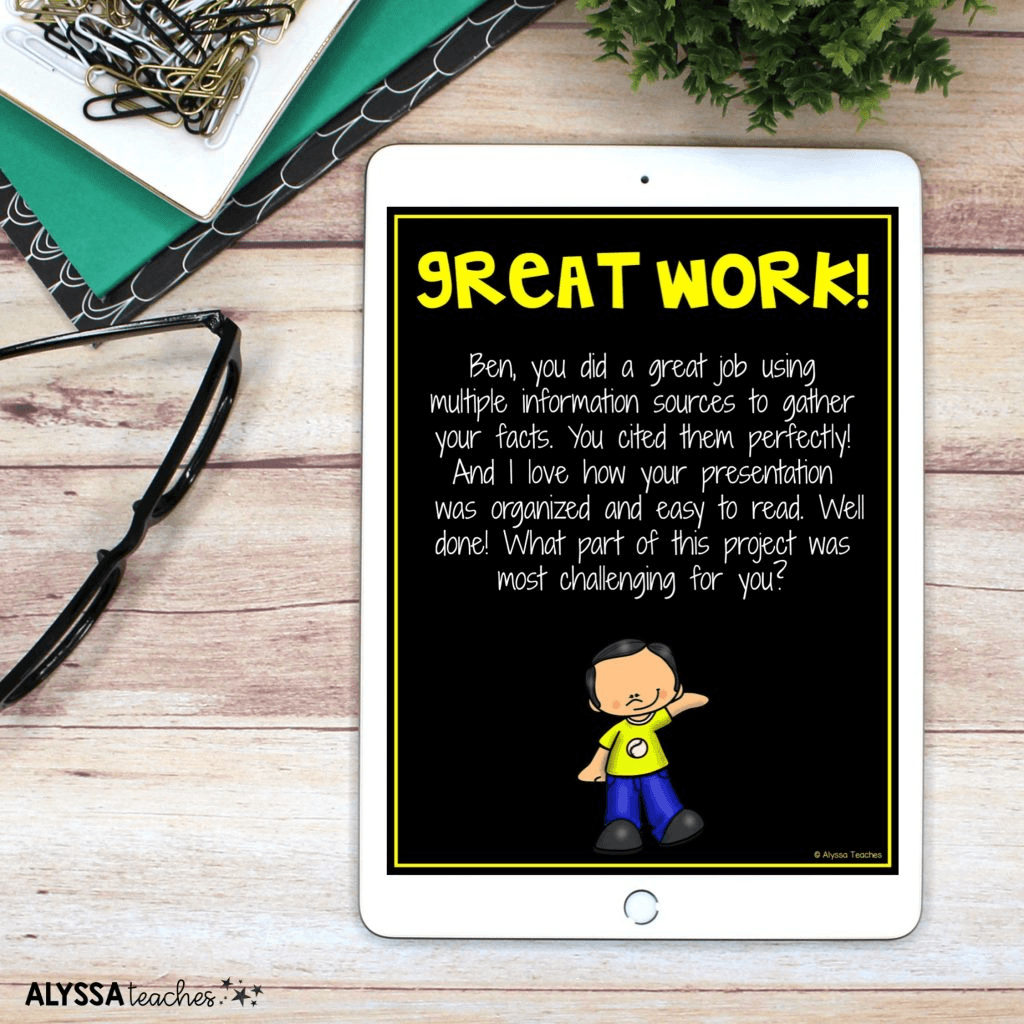
How to give useful feedback on a classmate's paper
By
Princeton Journal of Pre-Collegiate Research
Read more

Student editorial boards: how they work
By
Princeton Journal of Pre-Collegiate Research
Read more
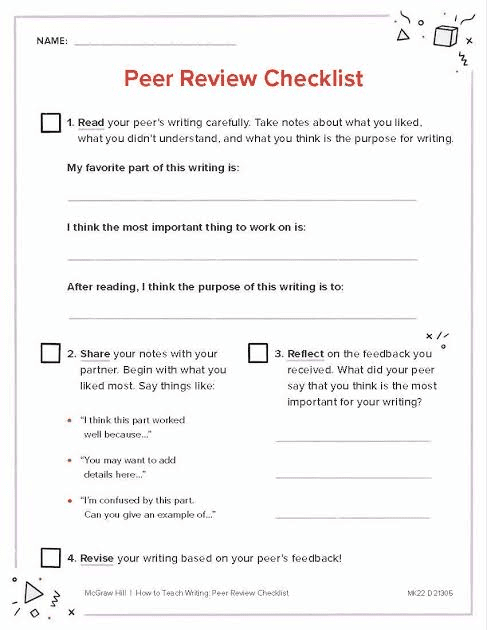
How to write a peer review as a student
By
Princeton Journal of Pre-Collegiate Research
Read more

Peer review etiquette: tone, structure, fairness
By
Princeton Journal of Pre-Collegiate Research
Read more

Version control for research documents
By
Princeton Journal of Pre-Collegiate Research
Read more

Digital vs paper lab notebooks for students
By
Princeton Journal of Pre-Collegiate Research
Read more

Data management basics for student researchers
By
Princeton Journal of Pre-Collegiate Research
Read more
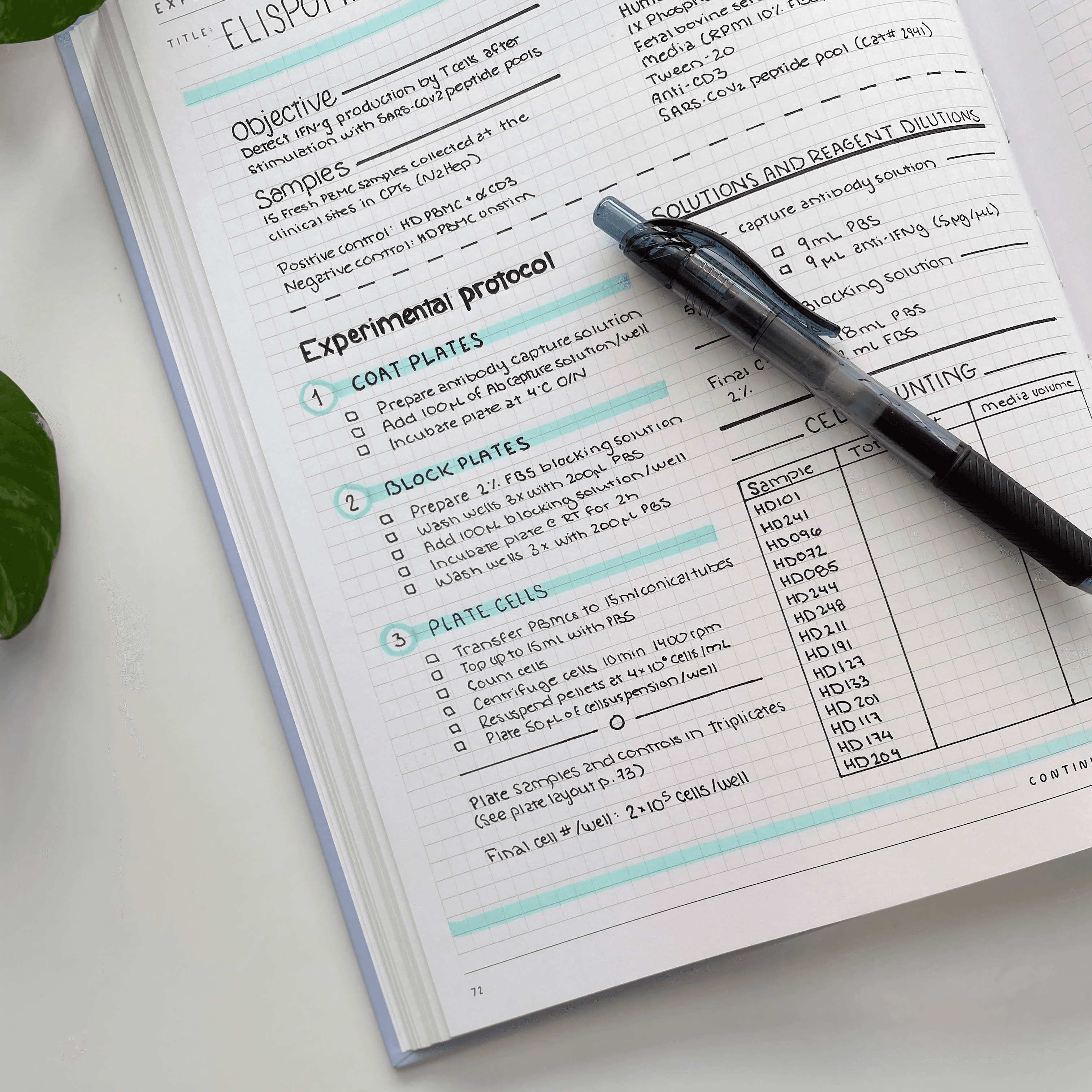
How to keep a lab notebook that reviewers trust
By
Princeton Journal of Pre-Collegiate Research
Read more

How to organize research files across a year-long project
By
Princeton Journal of Pre-Collegiate Research
Read more

How to document your data so you can defend it
By
Princeton Journal of Pre-Collegiate Research
Read more

How to write a grant proposal as a student
By
Princeton Journal of Pre-Collegiate Research
Read more

Free resources that replace research funding
By
Princeton Journal of Pre-Collegiate Research
Read more
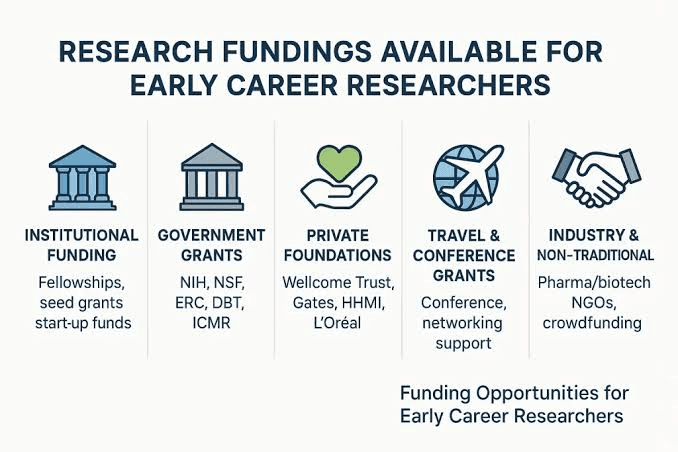
Corporate and nonprofit programs that fund student research
By
Princeton Journal of Pre-Collegiate Research
Read more

Science fair grants and material stipends explained
By
Princeton Journal of Pre-Collegiate Research
Read more

Crowdfunding a student research project: does it work
By
Princeton Journal of Pre-Collegiate Research
Read more

How much does a research project actually cost
By
Princeton Journal of Pre-Collegiate Research
Read more

How to ask your school to fund your project
By
Princeton Journal of Pre-Collegiate Research
Read more

Grants for high school research projects: what exists
By
Princeton Journal of Pre-Collegiate Research
Read more

How to start a research club at your school
By
Princeton Journal of Pre-Collegiate Research
Read more