Can you publish your National History Day project
Princeton Journal of Pre-Collegiate Research

You spent months on your National History Day project. You dug through primary sources, built an argument, and competed at the regional or national level. Now you are wondering: can you publish your National History Day project and get it into a peer-reviewed journal? The answer is yes, and more students should be asking this question.
NHD projects are not just competition entries. At their best, they are original historical scholarship. The research is real. The argumentation is real. What most students lack is a clear path from the competition stage to the publication stage. This guide lays that path out directly.
What Makes an NHD Project Publication-Ready?
Not every NHD project translates directly into a publishable research paper. That is not a criticism of the work. It is a structural reality. NHD entries come in five categories: documentary, exhibit, performance, website, and paper. Of these, the paper category is the most naturally aligned with academic publication. But projects from other categories can be converted into written research papers with the right approach.
A publication-ready paper requires a clear thesis, evidence-based argumentation, proper citation, and original analysis. If your NHD project already has those elements, you are closer than you think. The competition itself demands historical thinking at a high level, and that foundation is exactly what peer-reviewed journals evaluate.
The core question reviewers ask is this: does the paper contribute something original to the historical record or to the interpretation of a historical event? If your NHD project answered a question that has not been answered in quite the same way before, that is a publishable contribution.
Can You Publish Your National History Day Project If It Was Not in the Paper Category?
Yes, but it requires conversion work. A documentary or website project contains research, but that research is embedded in a different medium. To publish it, you need to extract the argument, reconstruct it in essay form, and add the scholarly apparatus that a journal expects: citations in a consistent format, a literature review, and a clearly stated methodology.
Think of it as translation, not reinvention. The intellectual work is already done. You are simply moving it into the format that academic publishing requires. Many students find this process clarifying (you often discover what your argument actually was once you have to write it in plain prose).
If your project was a performance or exhibit, the conversion process is more involved. You will need to reconstruct the research behind the creative choices and present it as analysis rather than presentation. That said, it is entirely achievable. The research is the asset. The format is just packaging.
How to Convert Your NHD Project Into a Research Paper
Start With Your Thesis
Every NHD project begins with a thesis. Pull it out and examine it. Is it arguable? Is it specific? Does it make a claim about causation, significance, or interpretation rather than just describing events? A strong thesis is the backbone of a publishable paper. If yours needs sharpening, sharpen it before you do anything else.
Build a Proper Literature Review
NHD projects often cite primary sources extensively but engage less thoroughly with secondary scholarship. A peer-reviewed journal will expect you to situate your argument within the existing body of historical literature. That means identifying what other historians have said about your topic and explaining how your argument agrees with, challenges, or extends their work.
This step takes time, but it is what separates a competition paper from a scholarly paper. Use your school or local library database. Google Scholar is a useful starting point. If you need guidance on structuring this kind of research, Writing A History Research Paper High School Guide walks through the process in detail.
Expand Your Analysis
NHD papers have word limits. Journal submissions typically allow more space. Use that space to deepen your analysis rather than add more events. Go further into the evidence. Explain why the sources you chose are credible and what their limitations are. Engage with counterarguments. The goal is not a longer paper. The goal is a more rigorous one.
Format Your Citations Correctly
History journals typically use Chicago style citations. If your NHD paper used a different format, convert it. Citation consistency is a basic requirement, and reviewers notice when it is absent. Tools like Zotero or Citation Machine can speed this process up considerably.
Where Can You Publish Your National History Day Project?
This is where many students get stuck. They have a strong paper, but they do not know where to send it. The landscape of academic publishing for high school students has expanded significantly in recent years, but quality varies enormously across journals.
Some journals accept student work without meaningful review. They collect fees and return a certificate. That is not publication in any meaningful sense. What you want is a journal that conducts genuine double-blind peer review, assigns a DOI to every accepted paper, and is indexed so your work is findable by anyone searching the topic.
For students curious about the broader landscape of options, High School Research Journals Accept International Students covers what to look for and what to avoid when evaluating where to submit.
Princeton JPCR Accepts History Research
Princeton JPCR (not affiliated with Princeton University) is an international, peer-reviewed journal publishing original research by high school students across all academic disciplines, including history, art history, political science, and interdisciplinary humanities. Every submission goes through rigorous double-blind peer review. Accepted papers receive a DOI and are published in a format that is indexed and globally accessible (it exists forever, findable by anyone).
History research is fully within scope. If your NHD project engaged with a historical question, developed an original argument, and drew on primary and secondary sources, it belongs in the same category as any other scholarly submission. The discipline does not limit your eligibility. The quality of the work does.
If your project touched on art history specifically, How To Do Art History Research As A High School Student offers additional guidance on framing that kind of work for academic submission.
What the Peer Review Process Looks Like for History Papers
Double-blind peer review means the reviewer does not know who you are, and you do not know who the reviewer is. Your paper is evaluated on its scholarly merits alone. That is not a formality. It is the mechanism that makes publication meaningful (no shortcuts, no rubber stamps).
For history papers, reviewers typically evaluate the strength of the thesis, the quality and range of sources, the rigor of the historical argument, the engagement with existing scholarship, and the clarity of the writing. They may request revisions. That is normal. The revision process is part of what makes the final publication credible.
Many students find that the feedback they receive through peer review is more useful than any other academic feedback they have gotten. Reviewers are subject-matter readers who engage seriously with the argument. That kind of engagement teaches you things that a grade cannot.
Does Publishing Your NHD Project Help with College Admissions?
A published, peer-reviewed paper is a concrete credential. It demonstrates that you can conduct original research, sustain an argument over an extended project, and meet the standards of scholarly review. Admissions officers at selective universities understand what peer review means. A publication in a credible journal is not a participation trophy. It is evidence of intellectual capability.
NHD itself is a respected program. But a publication takes that work a step further. It says you did not just compete. You contributed to the scholarly record. That distinction matters in a competitive admissions environment. For a fuller analysis of how publication affects admissions outcomes, Is Published Research Paper Worth It College Admissions addresses the question directly.
Parents sometimes ask whether the cost of publication is justified. That is a fair question. Is It Worth Paying For My Childs Research To Be Published breaks down what legitimate publication fees cover and how to distinguish credible journals from predatory ones.
Managing the Timeline From NHD to Submission
The conversion process from NHD project to journal submission takes time. Most students need four to eight weeks to revise, expand, and properly format their paper for submission. That timeline is manageable if you plan it deliberately.
Start immediately after your competition season ends. Your research is fresh, your sources are organized, and your argument is clear in your mind. Waiting until the fall of your senior year to begin the revision process creates unnecessary pressure. If you need help structuring the work across a busy academic schedule, How To Plan A Research Project Around Your School Schedule offers practical strategies for doing serious research without sacrificing your other commitments.
Set milestones. Revision by a certain date. Literature review complete by another. Final formatting done before submission. Projects without milestones drift. How To Set Milestones For A Long Term Research Project gives you a framework for keeping the process on track.
Common Mistakes to Avoid
Submitting the competition paper unchanged. Journal reviewers expect scholarly apparatus that NHD papers do not always include. Revise before you submit.
Choosing a journal based on acceptance rate alone. A journal that accepts everything is not peer review. It is a fee-for-certificate service.
Skipping the literature review. This is the step that most distinguishes a competition paper from a scholarly paper. Do not omit it.
Waiting too long. The longer you wait after NHD, the harder it is to return to the material with the focus it deserves.
Treating revision as failure. Peer review requests revisions. That is how the process works. Revision is not rejection. It is an invitation to make the work stronger.
Can You Publish Your National History Day Project? The Answer Is Clear.
Yes. You can publish your National History Day project. The research is real. The argument is real. The work you put into that project meets the standard that serious journals evaluate. What it needs is the scholarly framing that peer review requires, and that framing is learnable.
The students who go from NHD competitors to published researchers are not exceptional cases. They are students who decided the work was worth finishing properly. They revised. They engaged with the literature. They submitted. And they left the process as better researchers than they arrived.
If you are ready to take that step, Princeton JPCR is open to submissions across all academic disciplines, including history. Every accepted paper goes through genuine double-blind peer review, receives a DOI, and is published in a format that is indexed and globally accessible. Your NHD project deserves that kind of permanence. Submit it.
Explore more resources on the Blogs page, or visit the Princeton JPCR homepage to learn about submission guidelines and what the journal publishes.
Read More

Can high school students be peer reviewers
By
Princeton Journal of Pre-Collegiate Research
Read more

What reviewing other papers teaches you about your own
By
Princeton Journal of Pre-Collegiate Research
Read more
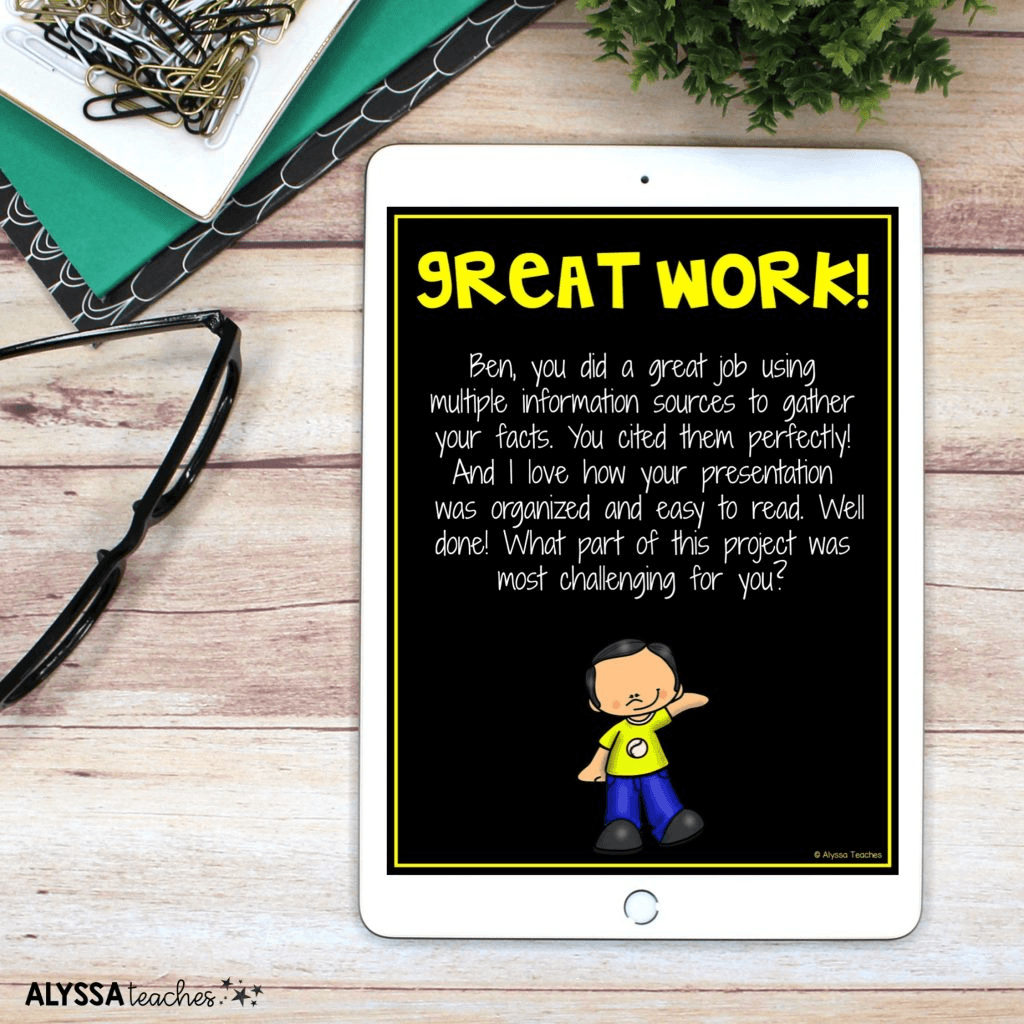
How to give useful feedback on a classmate's paper
By
Princeton Journal of Pre-Collegiate Research
Read more

Student editorial boards: how they work
By
Princeton Journal of Pre-Collegiate Research
Read more
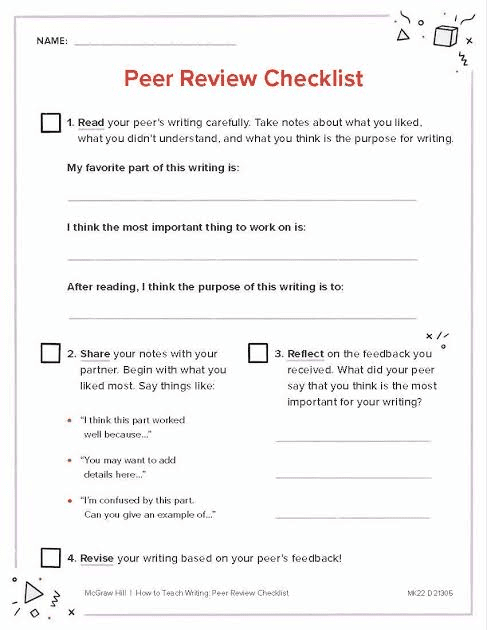
How to write a peer review as a student
By
Princeton Journal of Pre-Collegiate Research
Read more

Peer review etiquette: tone, structure, fairness
By
Princeton Journal of Pre-Collegiate Research
Read more

Version control for research documents
By
Princeton Journal of Pre-Collegiate Research
Read more

Digital vs paper lab notebooks for students
By
Princeton Journal of Pre-Collegiate Research
Read more

Data management basics for student researchers
By
Princeton Journal of Pre-Collegiate Research
Read more
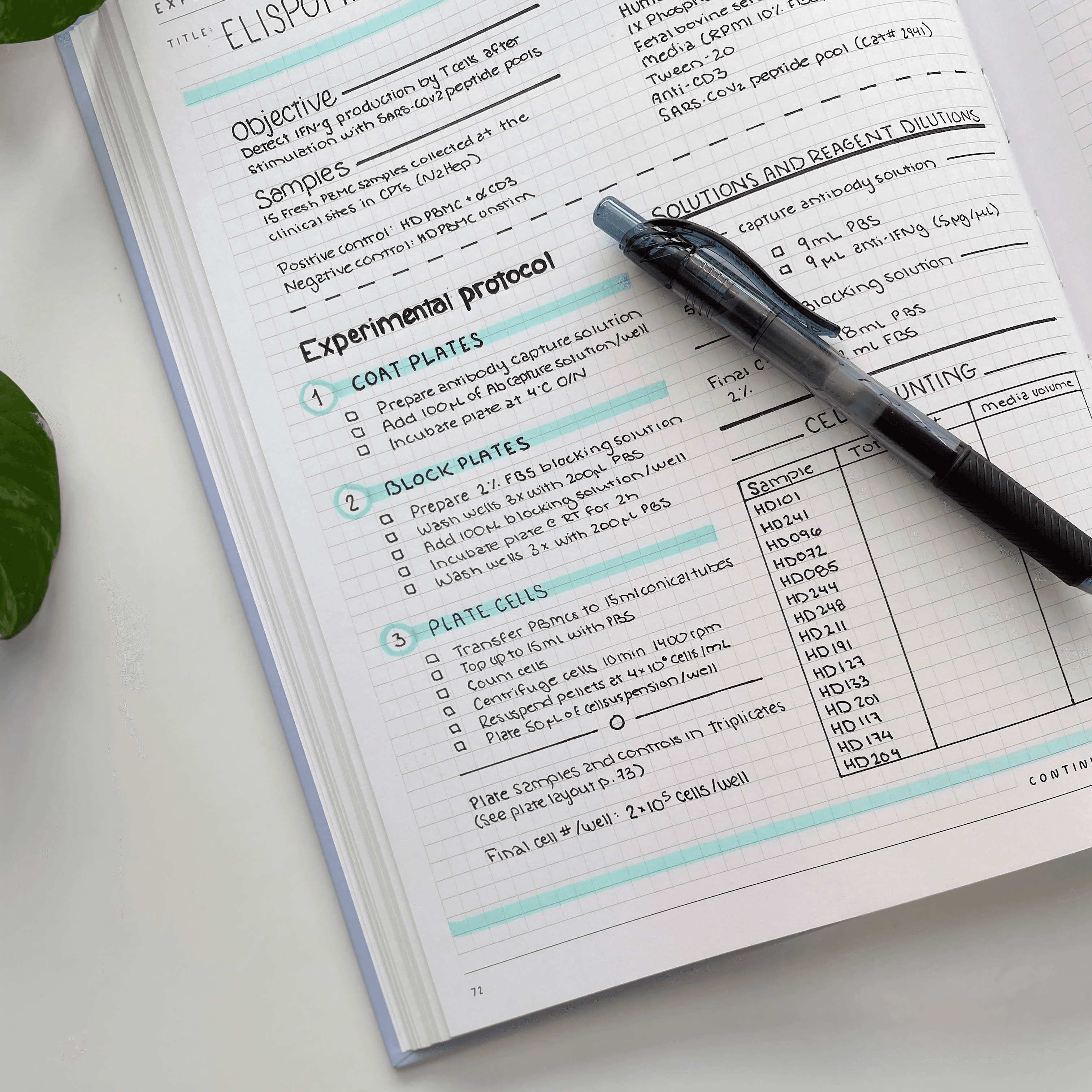
How to keep a lab notebook that reviewers trust
By
Princeton Journal of Pre-Collegiate Research
Read more

How to organize research files across a year-long project
By
Princeton Journal of Pre-Collegiate Research
Read more

How to document your data so you can defend it
By
Princeton Journal of Pre-Collegiate Research
Read more

How to write a grant proposal as a student
By
Princeton Journal of Pre-Collegiate Research
Read more

Free resources that replace research funding
By
Princeton Journal of Pre-Collegiate Research
Read more
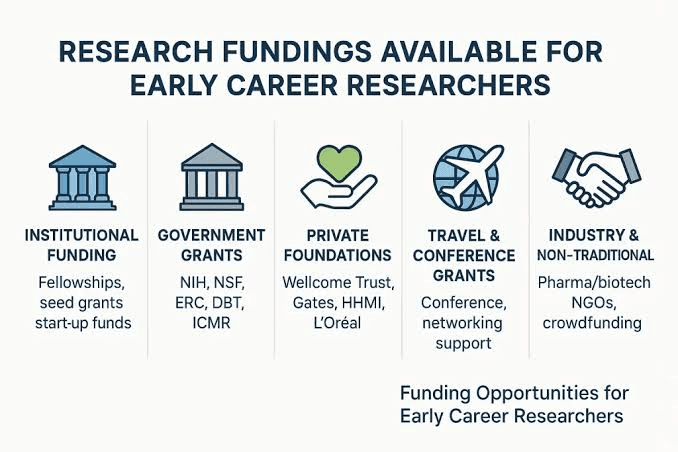
Corporate and nonprofit programs that fund student research
By
Princeton Journal of Pre-Collegiate Research
Read more

Science fair grants and material stipends explained
By
Princeton Journal of Pre-Collegiate Research
Read more

Crowdfunding a student research project: does it work
By
Princeton Journal of Pre-Collegiate Research
Read more

How much does a research project actually cost
By
Princeton Journal of Pre-Collegiate Research
Read more

How to ask your school to fund your project
By
Princeton Journal of Pre-Collegiate Research
Read more

Grants for high school research projects: what exists
By
Princeton Journal of Pre-Collegiate Research
Read more

How to start a research club at your school
By
Princeton Journal of Pre-Collegiate Research
Read more