What questions to ask a research mentor before starting
Princeton Journal of Pre-Collegiate Research

The mentor you choose will shape your research more than any textbook, database, or methodology guide ever could. Knowing what questions to ask a research mentor before starting is the difference between a productive collaboration and a frustrating dead end.
Most students spend weeks finding a mentor and then show up unprepared for the first real conversation. They accept vague commitments, skip the hard logistical questions, and discover the problems later (usually at the worst possible time). This post gives you the exact questions to ask before you commit to anything.
Why the Questions You Ask Before Starting Actually Matter
A research mentorship is a professional relationship with real stakes. Your time, your academic record, and potentially your college application are all on the line. Asking the right questions upfront is not rude or presumptuous. It is how serious researchers operate at every level.
The questions you ask also signal something to your mentor. They signal that you are organized, that you take the work seriously, and that you are thinking about outcomes rather than just credentials. Mentors respond to that. The students who ask sharp questions before starting tend to get more investment from their mentors throughout the process.
If you are still searching for a mentor, read our guide on How To Find A Research Mentor High School Student first. Once you have a potential mentor in front of you, come back here.
Questions About Their Availability and Commitment
This is the category most students skip entirely, and it causes the most problems. A mentor who is technically available but practically unreachable is not a mentor at all.
How much time can you realistically commit each month?
You need a number, not a feeling. Ask for a realistic estimate of hours per month and how that time will be structured. Some mentors prefer weekly check-ins. Others work in intensive bursts around deadlines. Neither model is wrong, but you need to know which one you are signing up for.
What is your preferred communication method and response time?
Email, video calls, in-person meetings, shared documents: the logistics matter. A mentor who takes two weeks to respond to drafts will stall your entire timeline. Get clarity on expected turnaround before you submit your first piece of writing.
Are there periods when you will be unavailable?
Conferences, sabbaticals, field work, and teaching cycles all affect availability. If your mentor is unreachable during the month you plan to finalize your paper, that is a problem you can anticipate and plan around. Ask now.
Questions About the Research Itself
Before you invest months in a project, you need to understand what you are actually building. Vague research topics produce vague papers that do not get published.
What is a realistic scope for a project at my level?
This question does two things. It forces an honest conversation about your current skills, and it prevents scope creep later. A good mentor will give you a focused, achievable question rather than a broad theme. Broad themes feel exciting and produce nothing publishable (ask anyone who has tried).
What does a strong outcome look like for this project?
Define success before you start. Is the goal a completed manuscript? A submission to a journal? A conference presentation? Knowing the target shapes every decision you make along the way, from your methodology to your writing style.
What existing research should I read before our next meeting?
This question signals initiative and gives you a concrete starting point. A mentor who cannot point you toward three to five foundational sources is a mentor who has not thought carefully about your project. The answer also tells you a lot about the intellectual depth of the work ahead.
Questions About What Questions to Ask a Research Mentor Before Starting the Writing Phase
The writing phase is where most student research projects stall. Understanding your mentor's expectations before you write a single word saves enormous revision time.
What citation style and formatting standards do you expect?
APA, MLA, Chicago, Vancouver: different disciplines use different conventions. If you are targeting a specific journal, the journal's author guidelines will dictate the format. Ask your mentor which standards apply to your field and whether they have a style guide they prefer.
How involved will you be in reviewing drafts?
Some mentors review every section as it is written. Others wait for a complete first draft. Some provide line-level edits. Others focus on structure and argument. Knowing the process in advance helps you plan your drafting schedule and manage your own expectations about feedback. For additional preparation, our guide on How To Edit Your Own Research Paper Before Submission covers what you should handle independently before passing a draft to anyone.
What are the most common mistakes you see in student research papers?
This is one of the most valuable questions on this entire list. A mentor with experience reviewing student work will have a short list of recurring errors: overclaiming results, insufficient literature review, weak methodology sections, or poor transitions between argument and evidence. Knowing these in advance lets you avoid them proactively.
Questions About Authorship and Credit
Authorship is a serious topic in academic research. It has ethical, professional, and reputational dimensions. Clarifying it before the project begins prevents conflict at the end.
How will authorship be determined if this work is submitted for publication?
Academic authorship follows specific conventions. The researcher who designs the study, conducts the analysis, and writes the manuscript is typically listed as the primary author. A mentor who provides guidance and review is typically acknowledged or listed as a secondary author, depending on their level of contribution. This should be discussed and agreed upon explicitly, not assumed.
Our resource on How To Credit A Research Mentor Or Advisor Properly explains the conventions in detail. Read it before this conversation so you can engage with the topic knowledgeably.
What are your expectations around academic integrity?
This is not an awkward question. It is a necessary one. A good mentor will have clear expectations about original work, proper citation, and the boundaries of acceptable assistance. If you are unsure what crosses the line in student research contexts, review What Counts As Academic Dishonesty In Student Research before your first meeting.
Questions About Publication and Next Steps
If your goal is publication, you need a mentor who understands the publishing landscape for pre-collegiate researchers. Not every mentor does.
Do you have experience with student research publications?
This question is direct, but it matters. A mentor who has guided students through peer review before will give you much more targeted preparation than one who is new to the process. Ask about specific journals they have worked with and what the submission experience was like.
Which journals do you think are appropriate for this type of work?
Your mentor's answer tells you whether they are thinking seriously about your publication goals. A strong answer will reference the scope, methodology, and discipline of your specific project. A weak answer will name one journal without any context. If you want to do your own comparative research, our guide on How To Compare Journals Before You Submit Research will help you evaluate options independently.
What happens if my results do not support my hypothesis?
This is a question that separates students who understand research from students who are performing it. Null results and unexpected findings are real outcomes that deserve serious treatment. A mentor who dismisses this question or says it will not happen is not preparing you for the reality of empirical work. Our post on What To Do If Research Results Dont Support Hypothesis covers this scenario thoroughly.
Questions About Timeline and Milestones
Research without a timeline is a hobby. If you are working toward a publication submission, a college application deadline, or a competition, the schedule is not optional.
What milestones should we set for the first 30, 60, and 90 days?
Breaking the project into phases makes it manageable and creates natural checkpoints for both you and your mentor. Milestones also protect you if the project starts to drift. If you are behind on a milestone, you know early enough to adjust. If you want a framework for handling delays, read What To Do If You Fall Behind On Research Timeline.
What is the realistic timeline from start to submission-ready manuscript?
Most first-time student researchers underestimate this number significantly. A realistic timeline for a rigorous, publishable paper is typically six to twelve months, depending on the discipline and methodology. If your mentor quotes something shorter without a clear rationale, push back gently and ask what assumptions they are making.
What Questions to Ask a Research Mentor Before Starting: A Summary Checklist
Before your first formal meeting, prepare answers to these questions from your own side as well. A mentor will ask you about your goals, your timeline, and your current skill level. Coming prepared to answer those questions is as important as knowing what to ask.
How much time can you commit each month, and how will it be structured?
What is your preferred communication method and expected response time?
Are there periods during the project when you will be less available?
What is a realistic scope for a project at my level?
What does a strong outcome look like for this work?
What should I read before our next meeting?
What citation style and formatting standards apply?
How involved will you be in reviewing my drafts?
What are the most common mistakes you see in student papers?
How will authorship be handled if we submit for publication?
What are your expectations around academic integrity?
Do you have experience guiding students through peer-reviewed publication?
Which journals are appropriate for this type of work?
What happens if my results do not support my hypothesis?
What milestones should we set for the first 30, 60, and 90 days?
What is the realistic timeline from start to submission-ready manuscript?
The Student Who Asks Good Questions Gets Better Research
Knowing what questions to ask a research mentor before starting is not just a practical checklist item. It reflects a mindset. Researchers ask questions before they assume. They define terms before they build arguments. They establish expectations before they measure outcomes.
The students who publish, who build real credentials, and who arrive at university with something substantive to show are the ones who treated their research like professionals from the first conversation. They asked the hard questions early. They documented the answers. They held themselves and their mentors accountable to the plan.
If you are ready to take your research to the point of publication, Princeton JPCR publishes original work by high school students across 50+ academic disciplines through rigorous double-blind peer review. Every accepted paper receives a DOI, permanent archiving, and global readership. Visit Princeton JPCR to learn more about submission standards and what it means to publish research that lasts. (not affiliated with Princeton University)
Read More

Can high school students be peer reviewers
By
Princeton Journal of Pre-Collegiate Research
Read more

What reviewing other papers teaches you about your own
By
Princeton Journal of Pre-Collegiate Research
Read more
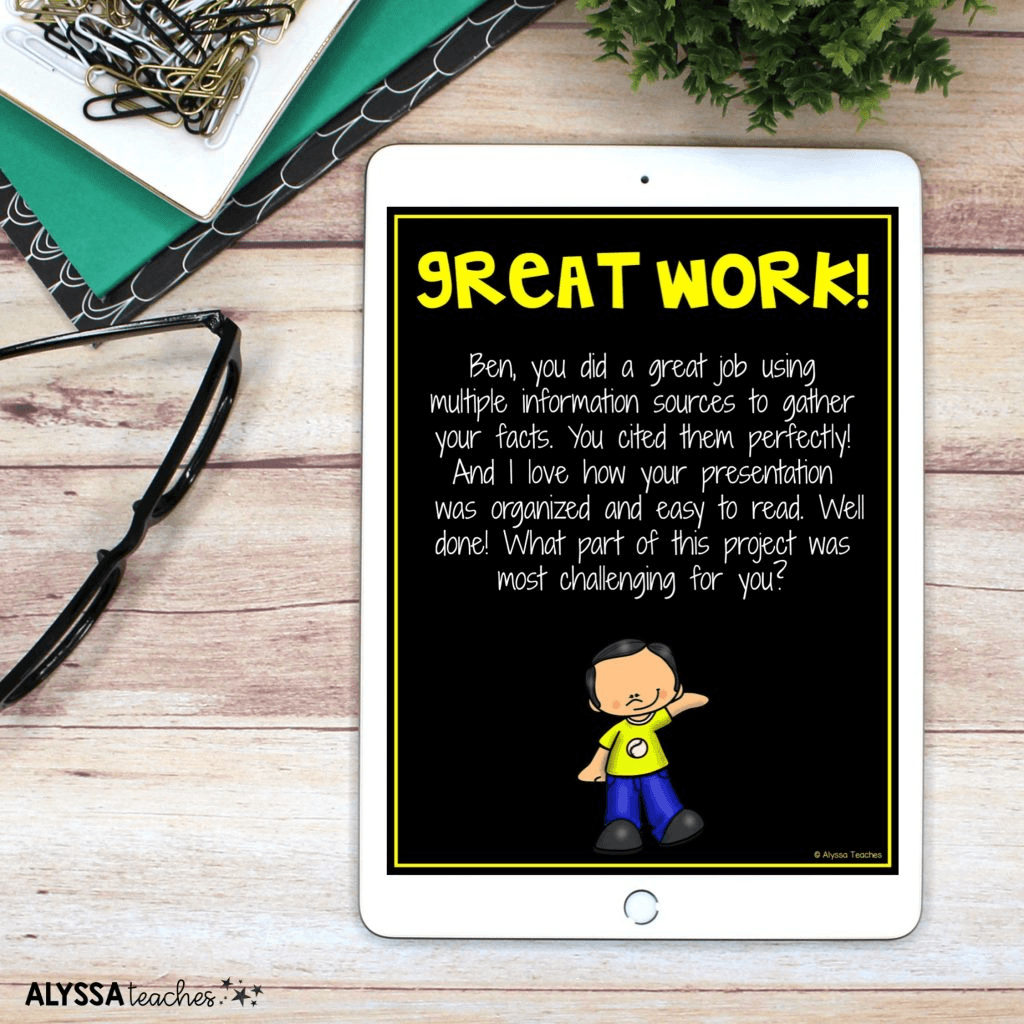
How to give useful feedback on a classmate's paper
By
Princeton Journal of Pre-Collegiate Research
Read more

Student editorial boards: how they work
By
Princeton Journal of Pre-Collegiate Research
Read more
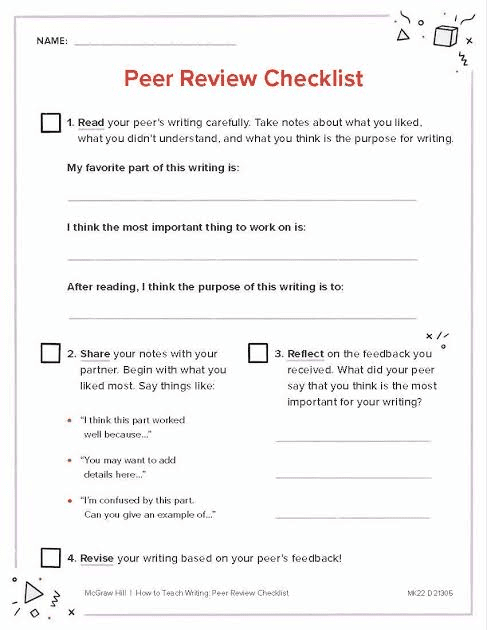
How to write a peer review as a student
By
Princeton Journal of Pre-Collegiate Research
Read more

Peer review etiquette: tone, structure, fairness
By
Princeton Journal of Pre-Collegiate Research
Read more

Version control for research documents
By
Princeton Journal of Pre-Collegiate Research
Read more

Digital vs paper lab notebooks for students
By
Princeton Journal of Pre-Collegiate Research
Read more

Data management basics for student researchers
By
Princeton Journal of Pre-Collegiate Research
Read more
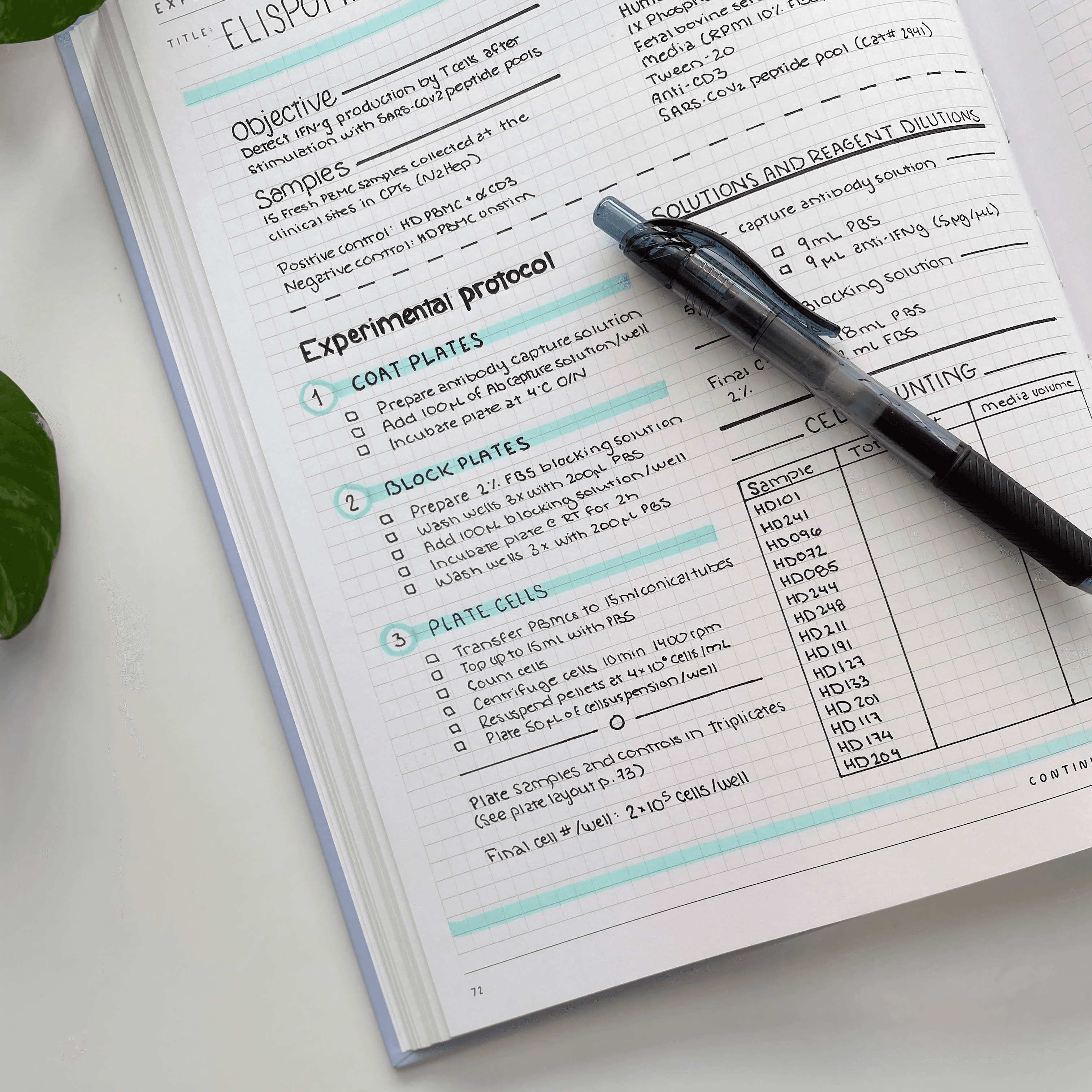
How to keep a lab notebook that reviewers trust
By
Princeton Journal of Pre-Collegiate Research
Read more

How to organize research files across a year-long project
By
Princeton Journal of Pre-Collegiate Research
Read more

How to document your data so you can defend it
By
Princeton Journal of Pre-Collegiate Research
Read more
How to write a grant proposal as a student
By
Princeton Journal of Pre-Collegiate Research
Read more
Free resources that replace research funding
By
Princeton Journal of Pre-Collegiate Research
Read more
Corporate and nonprofit programs that fund student research
By
Princeton Journal of Pre-Collegiate Research
Read more

Science fair grants and material stipends explained
By
Princeton Journal of Pre-Collegiate Research
Read more

Crowdfunding a student research project: does it work
By
Princeton Journal of Pre-Collegiate Research
Read more

How much does a research project actually cost
By
Princeton Journal of Pre-Collegiate Research
Read more
How to ask your school to fund your project
By
Princeton Journal of Pre-Collegiate Research
Read more

Grants for high school research projects: what exists
By
Princeton Journal of Pre-Collegiate Research
Read more

How to start a research club at your school
By
Princeton Journal of Pre-Collegiate Research
Read more