What to do if your child's research paper gets rejected
Princeton Journal of Pre-Collegiate Research
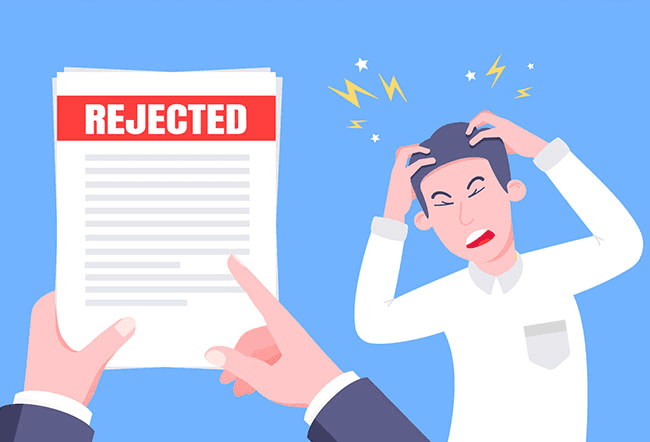
Rejection stings, especially when your child has poured months of work into a research paper. But knowing what to do if your child's research paper gets rejected is the difference between a setback that derails them and one that sharpens them into a stronger scholar.
This guide is for parents, guardians, and advisors who want to respond to rejection with clarity and purpose. The steps below are practical, sequenced, and grounded in how academic publishing actually works.
Understand What Rejection Actually Means
First, a reframe. Rejection in academic publishing is not a verdict on your child's intelligence or potential. It is feedback from a structured review process. Even professional researchers at major universities receive rejections regularly (sometimes from the same journals that later publish their most celebrated work).
Most journals operate on a double-blind peer review model. Reviewers evaluate the paper without knowing the author's identity, and the author does not know who the reviewers are. This means the decision is based entirely on the work itself. That is worth remembering when the rejection feels personal.
There are also different categories of rejection. An outright rejection with no invitation to revise is one outcome. A rejection with an invitation to revise and resubmit is another, and it is often closer to a conditional acceptance than a true rejection. Understanding which type your child received changes how you respond.
Read the Reviewer Feedback Carefully
Most journals that conduct genuine peer review send feedback alongside a rejection. This feedback is valuable. It tells your child exactly where the paper fell short and what a stronger version would look like.
Sit down with your child and read the reviewer comments together, slowly. Do not skim. Reviewers often identify structural problems, gaps in the literature review, methodological weaknesses, or issues with how conclusions are drawn from data. Each of these is a specific, addressable problem (not a personal critique).
If the rejection came with no feedback at all, that is also informative. It may mean the paper was rejected before full review, often because it did not meet basic formatting requirements, fell outside the journal's scope, or had issues that made it ineligible for review. Understanding what makes a research paper get rejected before review even begins can help you identify whether that was the case here.
Separate Emotion from Analysis
Give your child space to feel disappointed. Do not rush past the emotional response. Dismissing frustration with phrases like "it's not a big deal" or "everyone gets rejected" tends to backfire. Your child worked hard, and that deserves acknowledgment.
At the same time, the goal is to move from emotion to analysis within a few days. Once the initial sting has passed, the conversation can shift from "how do we feel about this" to "what do we do next." That transition is where your role as a parent or advisor becomes most important.
For parents who want a deeper framework on navigating this moment with their child, the guide on how to support your child through research paper rejection covers the emotional dimension in detail. This post focuses on the practical next steps.
What to Do If Your Child's Research Paper Gets Rejected: The Practical Steps
Step 1: Categorize the Feedback
Reviewer comments tend to fall into a few categories: major structural issues, methodological concerns, writing and clarity problems, citation gaps, and scope mismatches. Go through the feedback and sort each comment into one of these buckets. This transforms an overwhelming list of critiques into a manageable revision plan.
Structural issues and methodological concerns are the most significant. They usually require substantive revision. Writing and clarity problems are easier to fix but still important. Citation gaps can often be addressed by adding relevant sources. Scope mismatches may mean the paper was simply submitted to the wrong journal.
Step 2: Decide Whether to Revise or Resubmit Elsewhere
This is the most consequential decision after a rejection. There are two paths: revise the paper based on the feedback and resubmit it (either to the same journal if invited, or to a different one), or submit the current version to a different journal immediately without revision.
The second path is rarely the right one. If reviewers identified real weaknesses, submitting the same paper elsewhere does not fix those weaknesses. It just delays the next rejection. Revision is almost always the better investment.
If the journal invited a revise and resubmit, treat that seriously. It means reviewers saw merit in the work and want to see a stronger version. That is not a rejection in the conventional sense. Respond to every comment, document the changes made, and resubmit with a revision letter that addresses each point directly.
Step 3: Strengthen the Paper Before the Next Submission
Use the revision period to do more than respond to reviewer comments. This is an opportunity to improve the paper holistically. Revisit the thesis statement. Tighten the argument structure. Check every citation. Read the paper aloud to catch awkward phrasing.
If your child struggled with argument construction, the guide on how to structure an argument in a research paper provides a clear framework. If the title was vague or misleading, revisiting how to write a strong title for a research paper can sharpen the paper's first impression before the next submission.
Grammar and mechanical errors also matter more than many students expect. Reviewers notice them, and they signal carelessness even when the underlying research is strong. A thorough self-edit using the checklist in how to edit your own research paper before submission can catch issues that are easy to miss after months of working on the same document.
Step 4: Choose the Next Journal Strategically
Not all journals are the right fit for every paper. Scope, audience, and submission requirements vary significantly. Before resubmitting, research the next target journal carefully. Read its aims and scope statement. Look at papers it has published recently. Confirm that your child's paper fits the discipline, methodology, and format the journal expects.
For high school students specifically, it is worth identifying journals that are designed to publish pre-collegiate research. General academic journals often have implicit expectations about institutional affiliation and professional experience that put high school authors at a structural disadvantage. Journals that explicitly welcome student research evaluate submissions on the quality of the work itself (which is how it should be).
Step 5: Address Any Ethical or Compliance Issues
Rejection sometimes surfaces issues that go beyond the paper's argument or writing quality. If reviewers flagged concerns about research ethics, data handling, or participant consent, those must be addressed before resubmission anywhere.
For research involving human subjects, surveys, or interviews, informed consent requirements apply. If your child's paper involved any of these elements and consent documentation was not properly addressed, the guide on what informed consent is and when your research needs it clarifies what is required. Similarly, if AI tools were used during the writing or research process and were not disclosed, that needs to be corrected before the next submission. The guide on how to disclose AI assistance in a research paper explains how to handle this transparently.
What Rejection Reveals About the Process
Here is something parents and students often miss: the fact that a paper was reviewed at all is meaningful. Many journals desk-reject submissions before they ever reach a peer reviewer. If your child's paper made it through to full review and came back with substantive feedback, that means the work was taken seriously enough to evaluate carefully.
Peer review is not a pass-fail system with a single chance. It is an iterative process. Most published papers have been revised multiple times, often across multiple journals. The researchers who publish most consistently are not the ones who avoid rejection. They are the ones who treat rejection as information and act on it.
If your child understands this early, they are already ahead of most researchers who learn it much later.
When the Paper Needs More Than Revision
Sometimes rejection reveals that the paper needs more than line edits and citation additions. If the core research question was too vague, the methodology was fundamentally flawed, or the data was insufficient to support the conclusions drawn, the paper may need to be substantially rebuilt rather than revised.
This is not a failure. It is a diagnosis. Knowing that the research question needs to be sharpened is far more useful than submitting a weak question to journal after journal and wondering why it keeps getting rejected.
If your child is considering starting a new paper or restructuring the existing one from the ground up, it is worth thinking through the timeline carefully. The guide on how long it takes to write a high school research paper gives a realistic picture of what a full revision or new project requires in terms of time and planning.
The Longer View: What This Experience Builds
Academic rejection is one of the most formative experiences a young researcher can have, precisely because it demands a response. The student who revises, resubmits, and eventually publishes has demonstrated something that no grade or award can replicate: the ability to take criticism, improve under pressure, and persist through a rigorous process.
University admissions readers and faculty mentors understand this. A student who can speak articulately about how they responded to rejection and what they changed in their work is telling a story of genuine intellectual development. That story is more compelling than a paper that sailed through on the first try.
Publication is not the only outcome that matters. The process of writing, submitting, receiving feedback, and revising builds skills that carry forward into every academic and professional context your child will encounter.
What to Do If Your Child's Research Paper Gets Rejected: A Summary
Knowing what to do if your child's research paper gets rejected comes down to a clear sequence: read the feedback carefully, separate the emotional response from the analytical one, categorize the critiques, decide on revision versus resubmission, strengthen the paper systematically, and choose the next journal strategically. Skip any of these steps and the next submission is likely to face the same outcome.
Rejection is not the end of the research journey. For most published scholars, it is simply part of the path. The students who learn this early, and who have support to act on it, are the ones who build real research credentials before they ever set foot on a university campus.
If your child is ready to revise and resubmit, Princeton JPCR publishes original research by high school students across 50+ academic disciplines through rigorous double-blind peer review. Every submission is evaluated on the merit of the work alone (blind to background, blind to institution). Submit when the paper is ready. Not before, but not a moment later than that either.
Read More

Can high school students be peer reviewers
By
Princeton Journal of Pre-Collegiate Research
Read more

What reviewing other papers teaches you about your own
By
Princeton Journal of Pre-Collegiate Research
Read more
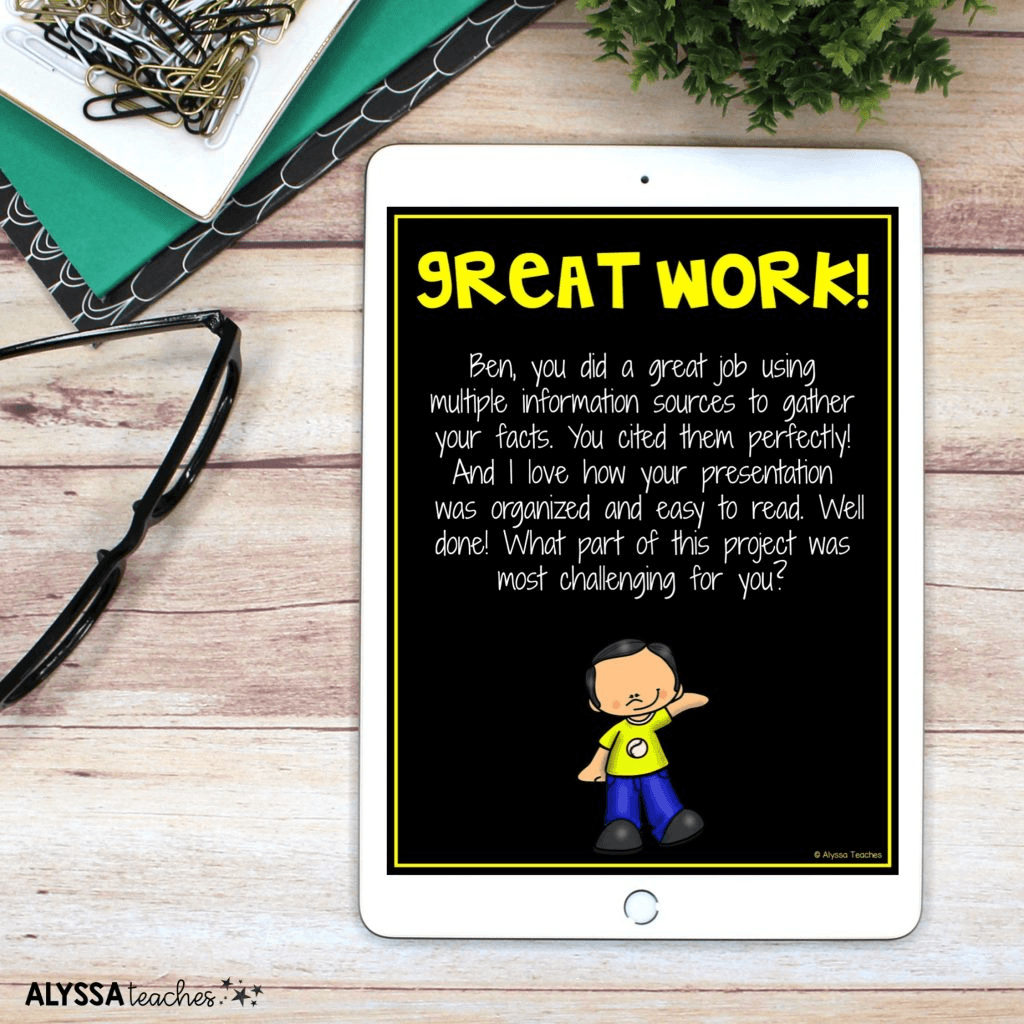
How to give useful feedback on a classmate's paper
By
Princeton Journal of Pre-Collegiate Research
Read more

Student editorial boards: how they work
By
Princeton Journal of Pre-Collegiate Research
Read more
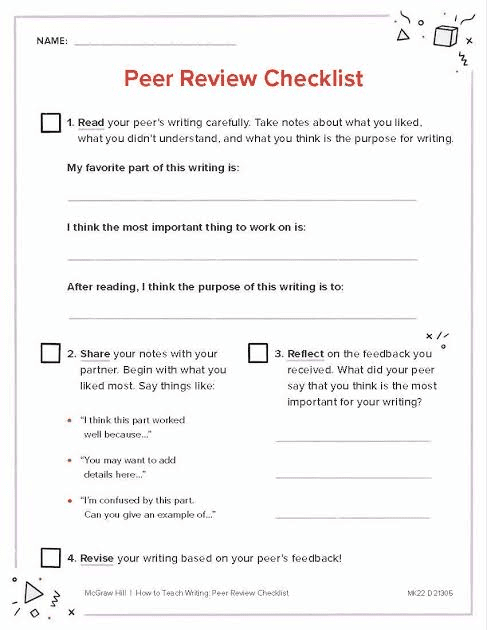
How to write a peer review as a student
By
Princeton Journal of Pre-Collegiate Research
Read more

Peer review etiquette: tone, structure, fairness
By
Princeton Journal of Pre-Collegiate Research
Read more

Version control for research documents
By
Princeton Journal of Pre-Collegiate Research
Read more

Digital vs paper lab notebooks for students
By
Princeton Journal of Pre-Collegiate Research
Read more

Data management basics for student researchers
By
Princeton Journal of Pre-Collegiate Research
Read more
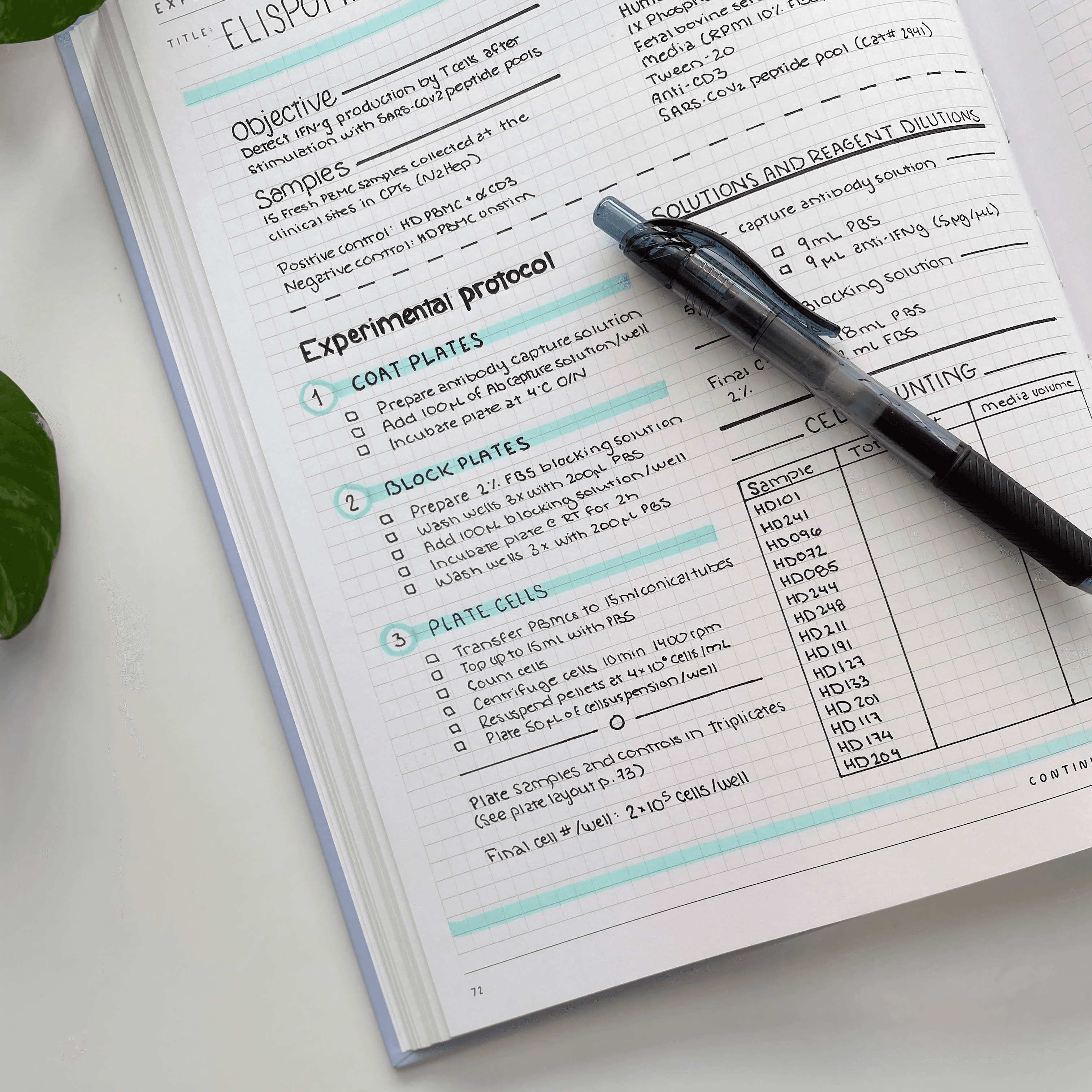
How to keep a lab notebook that reviewers trust
By
Princeton Journal of Pre-Collegiate Research
Read more

How to organize research files across a year-long project
By
Princeton Journal of Pre-Collegiate Research
Read more

How to document your data so you can defend it
By
Princeton Journal of Pre-Collegiate Research
Read more
How to write a grant proposal as a student
By
Princeton Journal of Pre-Collegiate Research
Read more
Free resources that replace research funding
By
Princeton Journal of Pre-Collegiate Research
Read more
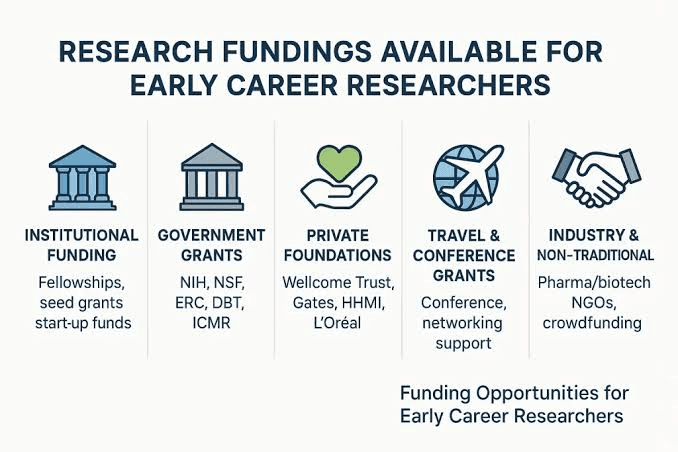
Corporate and nonprofit programs that fund student research
By
Princeton Journal of Pre-Collegiate Research
Read more

Science fair grants and material stipends explained
By
Princeton Journal of Pre-Collegiate Research
Read more

Crowdfunding a student research project: does it work
By
Princeton Journal of Pre-Collegiate Research
Read more

How much does a research project actually cost
By
Princeton Journal of Pre-Collegiate Research
Read more

How to ask your school to fund your project
By
Princeton Journal of Pre-Collegiate Research
Read more

Grants for high school research projects: what exists
By
Princeton Journal of Pre-Collegiate Research
Read more

How to start a research club at your school
By
Princeton Journal of Pre-Collegiate Research
Read more