How to get feedback on a research paper before submitting
Princeton Journal of Pre-Collegiate Research

The difference between a rejected paper and an accepted one is often not the research itself. It is what happens in the revision process before submission. Learning how to get feedback on a research paper before submitting is one of the most important skills a young researcher can develop, and it is also one of the most overlooked.
This guide walks you through every major feedback channel available to high school researchers. Use them strategically, not randomly. Your paper will be stronger for it.
Why Pre-Submission Feedback Changes Everything
Peer review is rigorous. At a journal like Princeton JPCR, every submission goes through a double-blind review process conducted by qualified reviewers who evaluate your work against real academic standards. They are not looking for effort. They are evaluating methodology, argumentation, evidence, and clarity.
Most first drafts, even strong ones, have gaps the author cannot see. You are too close to your own work. A fresh set of eyes catches logical jumps, unclear definitions, weak transitions, and unsupported claims before a reviewer does. Getting feedback before submission does not undermine your work. It sharpens it.
The researchers who publish successfully are not necessarily the most naturally gifted writers. They are the ones who build a feedback loop into their process from the start.
Start With Your Research Mentor or Supervising Teacher
If you conducted your research under the guidance of a teacher, professor, or program mentor, that person is your first and most important reviewer. They understand your research context, your methodology, and the academic standards of your discipline. Ask them to read your full draft with a critical eye, not just a supportive one.
Be specific when you ask. Do not simply send the draft and say "let me know what you think." Ask targeted questions: Is my thesis clearly stated in the introduction? Does my methodology section justify my approach? Are my conclusions supported by my data? Specific questions produce specific, useful feedback.
If your mentor has published research themselves, ask them to evaluate your paper the way a peer reviewer would. That framing shifts the feedback from encouraging to genuinely useful.
What to Do If You Do Not Have a Mentor
Not every student has access to a research supervisor. If you wrote your paper independently, reach out to a teacher in the relevant subject area. A chemistry teacher reviewing a biology paper is still more qualified to evaluate scientific reasoning than a peer with no subject background. You are looking for someone who can assess your logic, not just your grammar.
For discipline-specific writing guidance, resources like our How To Write A Biology Research Paper For High School guide can help you self-assess before you even seek external feedback. Knowing the structural expectations of your field gives you a checklist to work from.
Use Peer Review as a Deliberate Practice Tool
Asking a classmate to read your paper is not the same as peer review. Real peer feedback requires structure. Give your reviewer a framework: ask them to identify the central argument, flag any section where they lost the thread, and note any claim that felt unsupported. If they can summarize your thesis accurately after reading, your paper is communicating. If they cannot, revision is needed.
Choose peers who are willing to be honest, not just supportive. A friend who tells you the paper is great helps no one. A peer who asks hard questions about your evidence is doing you a genuine service.
Consider exchanging papers with another student who is also preparing a submission. The act of reviewing someone else's work sharpens your ability to evaluate your own. You will start to see in your own paper the same weaknesses you identified in theirs.
How to Get Feedback on a Research Paper Before Submitting Through Writing Centers
Many universities and community colleges offer writing center services that are open to the public or to pre-collegiate students. These centers employ trained writing tutors who can review your paper for structure, argumentation, and academic style. This is a resource that is widely underused by high school researchers.
When you visit a writing center, bring a printed copy of your paper and a list of specific concerns. Writing tutors are most effective when they know what you need. Tell them you are preparing a research paper for journal submission and that you want feedback on argument clarity and structural coherence. That context helps them give you targeted, relevant guidance.
Some writing centers also offer online appointments. If your local high school does not have a writing center, search for university writing centers in your area that accept outside visitors. The investment of one or two sessions can dramatically improve your submission quality.
Leverage Subject-Matter Communities and Academic Forums
Online academic communities exist for nearly every research discipline. Forums like Reddit's academic subject communities, ResearchGate, and discipline-specific Discord servers host researchers at various levels who engage with student work. Posting a draft or a specific section for feedback can yield responses from people who genuinely care about the subject matter.
Exercise judgment here. Protect your original ideas. Do not post your full paper publicly on an open forum before submission, as this can create complications with originality requirements at some journals. Instead, post a specific section or a methodological question. Ask for feedback on your research design or your literature review framing without exposing your complete argument prematurely.
If you are writing in a specialized area like political science or public health, our guides on How To Write Political Science Research Paper High School and How To Write Public Health Research Paper High School outline the structural conventions reviewers expect. Aligning with those conventions before seeking community feedback makes the feedback you receive more actionable.
Read the Journal's Published Work Before Asking for Feedback
This step is not about feedback from another person. It is about feedback from the journal itself. Before you finalize your draft, read several published papers in the journal you are targeting. Study how they structure their introductions, how they present their methodology, and how they frame their conclusions. That is the standard your paper will be measured against.
When you return to your own draft after reading published work, you will see it differently. You will notice where your argument is less developed, where your transitions are weaker, and where your evidence needs more support. This self-review process, informed by published standards, is one of the most efficient feedback mechanisms available to you.
Parents and advisors supporting a student through this process can find additional context in our resource on What To Look For Before Child Submits Research Journal, which outlines what credible publication standards look like from the outside.
Build a Structured Revision Checklist
Before you send your paper to any reviewer, run it through a structured self-review. This is not proofreading. This is a systematic evaluation of your paper's academic integrity and argumentative strength. Work through the following areas deliberately.
Thesis clarity: Can a reader identify your central argument within the first two paragraphs?
Literature review: Have you engaged with the existing scholarship in your field and positioned your work within it?
Methodology: Is your research design clearly explained and justified?
Evidence: Does every major claim have supporting evidence? Are your sources credible and properly cited?
Logical flow: Does each section connect to the next? Are your transitions explicit?
Conclusion: Do your conclusions follow directly from your findings? Have you avoided overclaiming?
Formatting: Does your paper meet the journal's submission guidelines exactly?
Only after you have completed this self-review should you send your paper to external reviewers. You will get better feedback when your draft is already as strong as you can make it independently. Reviewers should be refining a good draft, not rebuilding a weak one.
How to Respond to Feedback Without Losing Your Argument
Receiving critical feedback is uncomfortable. That discomfort is productive. The goal is not to accept every suggestion uncritically. It is to evaluate each piece of feedback against your research goals and revise accordingly.
When a reviewer flags a weakness, ask yourself two questions. First: is this a genuine gap in my argument, or a misunderstanding caused by unclear writing? Second: if I address this, does it strengthen my paper or dilute my central claim? Some feedback improves your work directly. Other feedback reveals that your writing is unclear, not that your argument is wrong. Both are useful signals.
Document the feedback you receive and track how you responded to each point. This discipline serves you well beyond the current paper. Journals that offer revise-and-resubmit decisions (rather than outright rejection) expect authors to respond to reviewer comments systematically. Building that habit now prepares you for that process. Our resource on Support Your Child Through Research Paper Rejection addresses how to reframe setbacks constructively, whether the feedback comes before or after submission.
The Timeline Question: When to Seek Feedback
Feedback is most valuable at two specific points in your writing process. The first is after you have a complete first draft. Not a partial draft, not a detailed outline. A complete draft, however rough. Reviewers cannot evaluate an argument they cannot see in full.
The second valuable moment is after your own revision cycle. Once you have addressed the weaknesses you can identify yourself, a second round of external feedback catches what you missed. Two rounds of external review, separated by your own revision work, produce a substantially stronger paper than a single review pass.
Build this timeline into your submission planning. If a journal has a submission deadline, work backward from that date and allocate at least three to four weeks for the full feedback and revision cycle. Rushing the revision process is the most common reason strong research produces weak submissions.
How to Get Feedback on a Research Paper Before Submitting: Final Checklist
Before you hit submit, confirm you have done the following.
Completed a structured self-review against academic writing standards for your discipline.
Received written feedback from at least one subject-matter expert (teacher, mentor, or professor).
Received structural feedback from at least one peer reviewer working from a clear framework.
Read published work in your target journal and compared your paper to that standard.
Documented all feedback received and tracked your responses to each point.
Completed a final proofread for grammar, citation formatting, and submission guideline compliance.
If you can check every item on that list, your paper is ready. Not perfect. Ready. No paper is perfect before submission. But a paper that has been through a rigorous pre-submission feedback process is a paper that stands a genuine chance of acceptance.
Submit With Confidence
Knowing how to get feedback on a research paper before submitting is not a supplementary skill. It is central to the publishing process. The researchers who build strong feedback loops into their work are the ones who develop faster, publish more consistently, and grow into genuine scholars.
If your paper is ready for submission, explore what publishing at a rigorous, peer-reviewed journal looks like. Browse our Blogs for discipline-specific writing guides, submission advice, and resources built specifically for pre-collegiate researchers. Your research deserves a real audience. Give it the best possible chance to reach one.
Read More

Can high school students be peer reviewers
By
Princeton Journal of Pre-Collegiate Research
Read more

What reviewing other papers teaches you about your own
By
Princeton Journal of Pre-Collegiate Research
Read more
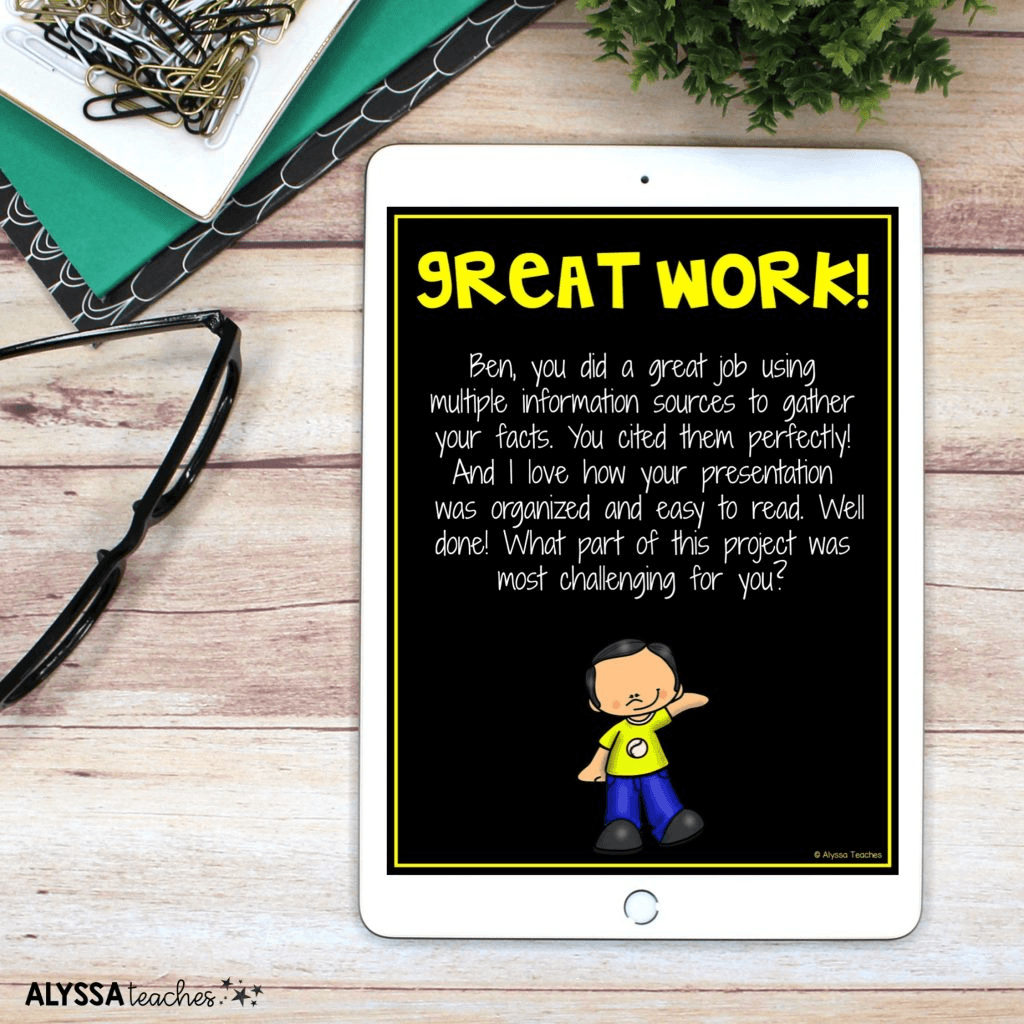
How to give useful feedback on a classmate's paper
By
Princeton Journal of Pre-Collegiate Research
Read more

Student editorial boards: how they work
By
Princeton Journal of Pre-Collegiate Research
Read more
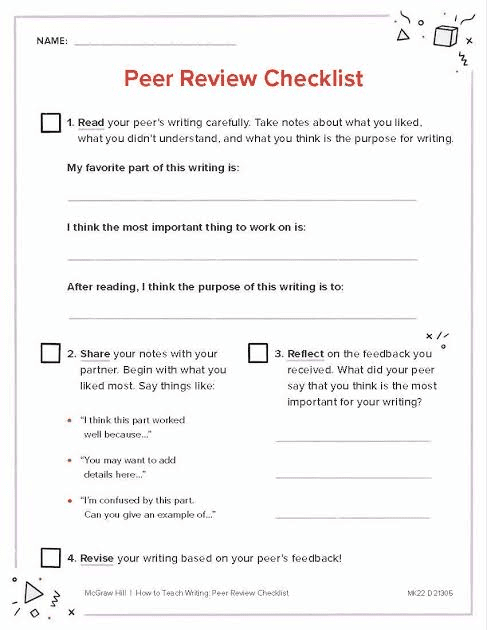
How to write a peer review as a student
By
Princeton Journal of Pre-Collegiate Research
Read more

Peer review etiquette: tone, structure, fairness
By
Princeton Journal of Pre-Collegiate Research
Read more

Version control for research documents
By
Princeton Journal of Pre-Collegiate Research
Read more

Digital vs paper lab notebooks for students
By
Princeton Journal of Pre-Collegiate Research
Read more

Data management basics for student researchers
By
Princeton Journal of Pre-Collegiate Research
Read more
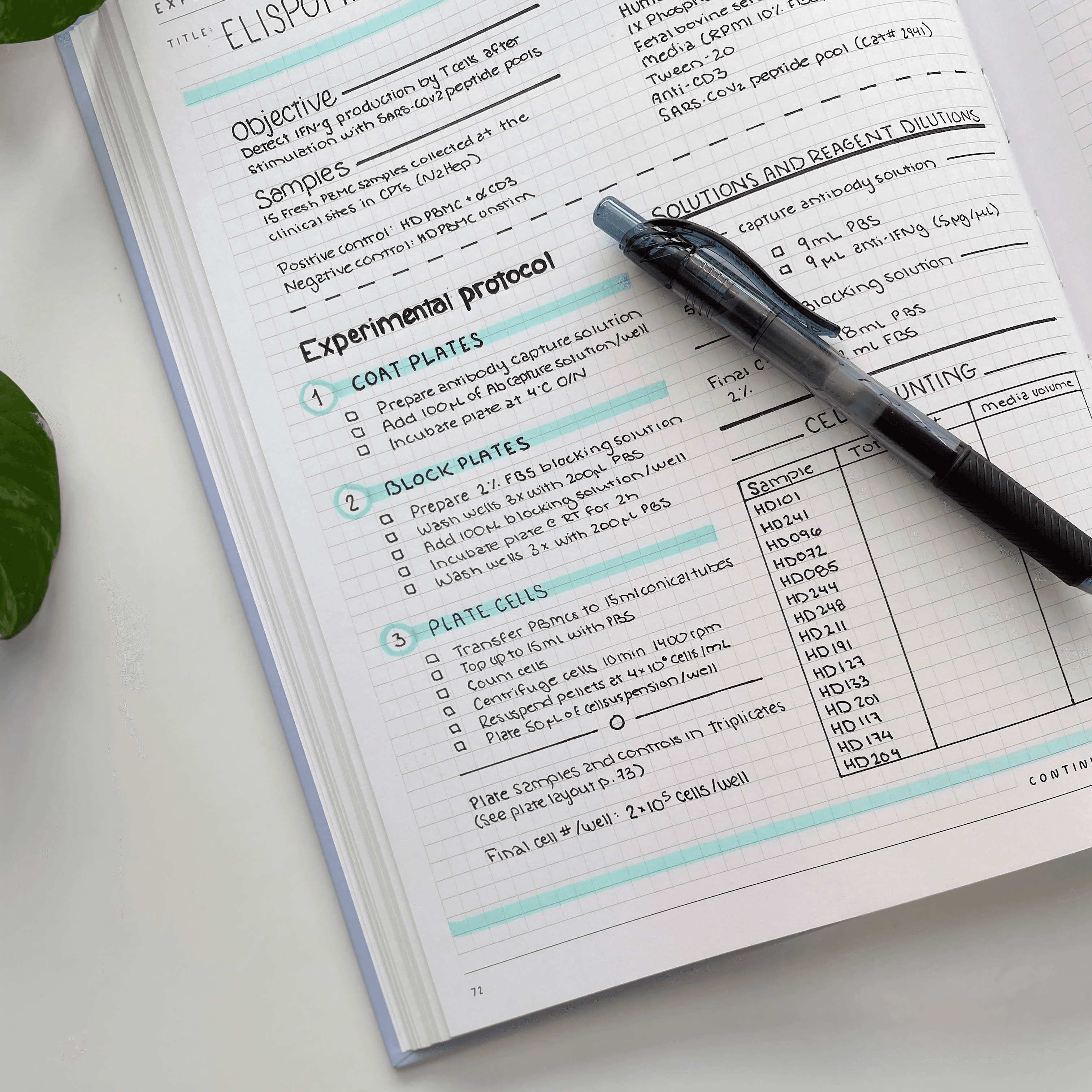
How to keep a lab notebook that reviewers trust
By
Princeton Journal of Pre-Collegiate Research
Read more

How to organize research files across a year-long project
By
Princeton Journal of Pre-Collegiate Research
Read more

How to document your data so you can defend it
By
Princeton Journal of Pre-Collegiate Research
Read more
How to write a grant proposal as a student
By
Princeton Journal of Pre-Collegiate Research
Read more
Free resources that replace research funding
By
Princeton Journal of Pre-Collegiate Research
Read more
Corporate and nonprofit programs that fund student research
By
Princeton Journal of Pre-Collegiate Research
Read more

Science fair grants and material stipends explained
By
Princeton Journal of Pre-Collegiate Research
Read more

Crowdfunding a student research project: does it work
By
Princeton Journal of Pre-Collegiate Research
Read more

How much does a research project actually cost
By
Princeton Journal of Pre-Collegiate Research
Read more

How to ask your school to fund your project
By
Princeton Journal of Pre-Collegiate Research
Read more

Grants for high school research projects: what exists
By
Princeton Journal of Pre-Collegiate Research
Read more

How to start a research club at your school
By
Princeton Journal of Pre-Collegiate Research
Read more