Is it normal for a first research paper to take several months
Princeton Journal of Pre-Collegiate Research

Yes, it is completely normal for a first research paper to take several months. If your timeline feels long, that is not a sign of failure. It is a sign that you are doing real work.
First-time researchers almost always underestimate how much is involved. Choosing a question, reviewing existing literature, designing a methodology, collecting data, drafting, revising, and preparing for submission are not tasks that collapse into a single weekend. Each stage demands focused attention. Together, they demand time.
Why a First Research Paper Takes Longer Than Expected
Most students arrive at research with a writing frame of mind. They know how to produce essays. They know how to argue a point. What they do not yet know is how to build original knowledge from scratch (and that gap is exactly where the months go). Research is not an extended essay. It is a different discipline entirely.
The learning curve is steep and front-loaded. Before a single word of the paper is written, a student must understand what has already been published on their topic, identify a genuine gap in that literature, and formulate a question that is both answerable and meaningful. That process alone can consume four to six weeks for a first-time researcher working independently.
Then comes methodology. Then data collection or primary analysis. Then the actual writing, which rarely goes smoothly the first time. If you are asking whether it is normal for a first research paper to take several months, the honest answer is: several months is often the minimum.
A Realistic Month-by-Month Breakdown
Timelines vary by discipline, scope, and available resources. That said, most high school research papers follow a recognizable arc. Understanding that arc helps students plan rather than panic.
Months One and Two: Topic Development and Literature Review
The first phase is exploratory. Students identify a broad area of interest, narrow it to a specific question, and then read extensively to understand what scholars have already said. A strong literature review is not a summary of sources. It is a map of the intellectual landscape (and drawing that map takes longer than most students expect). Expect this phase to run four to eight weeks.
This is also when students learn to evaluate sources critically, distinguish peer-reviewed work from popular commentary, and begin building a citation library. These are foundational research skills. They do not arrive fully formed. For a deeper look at how to manage the time demands of this phase, see How Long Does It Take To Write A High School Research Paper.
Months Two and Three: Methodology and Data Collection
Once the research question is locked, the student must decide how to answer it. In STEM fields, this means designing an experiment or data analysis protocol. In humanities and social sciences, it may mean selecting primary texts, designing a survey, or constructing a comparative framework. Either way, this phase requires precision (a poorly designed methodology produces results that cannot be defended under peer review).
Data collection follows. Depending on the field, this can be brief or extended. A computational analysis of existing datasets moves faster than an original survey study. Field-based research in ecology or environmental science may be constrained by seasons or access. Students should build buffer time into this phase. Unexpected complications are not the exception. They are the rule.
Months Three and Four: Drafting the Paper
Writing the first draft is where many students stall. The blank page is intimidating, and the pressure to produce something polished immediately is counterproductive. A first draft is not a finished paper. It is a thinking document (and treating it as such removes a significant amount of psychological weight).
Structure matters enormously at this stage. A well-organized argument guides the reader from question to evidence to conclusion without confusion. If you are working through how to build that structure, How To Structure An Argument In A Research Paper offers a practical framework. Similarly, a strong thesis statement anchors the entire paper. Students who struggle here should read How To Write A Strong Thesis Statement Research Paper before drafting begins.
Months Four and Five: Revision, Editing, and Feedback
Revision is not proofreading. Revision means returning to the paper with critical distance and asking whether the argument holds, whether the evidence is sufficient, and whether the structure serves the reader. This phase often involves multiple rounds of rewriting. That is normal. That is how good research papers are produced.
Seeking external feedback before submission is essential, not optional. Peers, teachers, and mentors catch problems the author cannot see. For guidance on how to approach this process strategically, see How To Get Feedback On A Research Paper Before Submitting. After incorporating feedback, a final self-edit pass should address grammar, citation accuracy, and formatting. Common errors at this stage are documented in Common Grammar Mistakes In Academic Research Papers.
Is It Normal for a First Research Paper to Take Several Months If You Are Working Alone?
Working without institutional support extends every phase. Students at schools without dedicated research programs often lack access to academic databases, faculty mentors, and structured feedback loops. They are building the plane while flying it (and that takes time). This is not a disadvantage to be ashamed of. It is a context to plan around.
Independent researchers should be especially deliberate about scheduling. Setting weekly milestones for each phase prevents the project from drifting indefinitely. A six-month timeline with clear checkpoints is far more productive than an open-ended commitment with no structure. If summer is the primary window available for independent work, Can You Do A Research Paper Over The Summer addresses how to use that time effectively.
Common Reasons First Papers Take Longer Than Planned
Understanding the specific bottlenecks helps students address them proactively rather than losing weeks to confusion.
Topic scope is too broad. A research question that could fill a doctoral dissertation cannot be answered in a high school paper. Narrowing the scope early saves months of misdirected effort.
Literature review is incomplete. Students who skip thorough source review often discover mid-draft that their argument duplicates existing work. Returning to the literature at that stage is costly.
Methodology is underdeveloped. A research design that has not been stress-tested before data collection produces unusable results. Planning time here is never wasted.
Drafting is treated as a one-pass process. Students who expect to write a publishable paper in a single draft are setting themselves up for frustration. Multiple drafts are standard, not exceptional.
Submission preparation is underestimated. Formatting citations, writing an abstract, crafting a title, and meeting journal-specific requirements all take time. These are not afterthoughts. For title construction specifically, see How To Write A Strong Title For A Research Paper.
What a Long Timeline Signals to Admissions Readers and Reviewers
A multi-month research project signals sustained intellectual commitment. That is one of the most credible signals a high school student can send. Essays can be written in days. Research papers cannot be faked at scale (peer reviewers notice, and double-blind review is unforgiving).
Students who complete a rigorous research paper over several months demonstrate the capacity to manage a complex, long-horizon project independently. They demonstrate intellectual curiosity that extends beyond coursework. They demonstrate the ability to produce original knowledge rather than simply consume it. These are precisely the qualities that university admissions readers are trained to identify and value.
The length of the timeline is not the story. The quality of the work produced within that timeline is the story. A six-month paper that earns publication in a peer-reviewed journal carries far more weight than a two-week paper that does not.
Is It Normal for a First Research Paper to Take Several Months Even With Guidance?
Yes. Even students working with experienced mentors, access to university libraries, and structured research programs routinely spend four to six months on a first paper. Mentorship accelerates learning and reduces dead ends, but it does not compress the fundamental work. The literature still must be read. The methodology still must be designed. The argument still must be built and defended.
What mentorship changes is the quality of the outcome, not the length of the journey. Students with strong guidance produce better papers in roughly the same time as students working alone (sometimes longer, because they are held to higher standards at each stage). That is a feature, not a flaw.
Preparing for Submission After Several Months of Work
When the paper is complete, preparation for submission requires its own attention. Self-editing is a distinct skill from writing, and it deserves a dedicated pass. How To Edit Your Own Research Paper Before Submission provides a structured approach. Students using AI tools at any stage of the process should also understand current disclosure norms, documented in How To Disclose Ai Assistance In A Research Paper.
Plagiarism checks should be completed before any submission. Academic journals take originality seriously, and even unintentional citation errors can create problems. How To Avoid Plagiarism In A High School Research Paper covers the most common pitfalls and how to avoid them.
Is It Normal for a First Research Paper to Take Several Months? The Short Answer.
Yes. Unambiguously yes. A first research paper that takes several months is not behind schedule. It is on schedule for what the work actually requires. Students who rush the process produce papers that reflect that rush. Students who commit to the full timeline produce work they can stand behind, submit with confidence, and build a research identity around.
The months you invest in a first paper are not months lost to academics or extracurriculars. They are months spent developing a skill set that compounds. Every subsequent paper takes less time. Every subsequent argument comes more naturally. Every subsequent submission arrives better prepared.
Princeton JPCR (not affiliated with Princeton University) publishes original research by high school students across 50+ academic disciplines through rigorous double-blind peer review. If you have spent months producing work you believe in, it deserves a serious home. Explore submission at Princeton JPCR and take the next step toward becoming a published researcher.
Read More

Can high school students be peer reviewers
By
Princeton Journal of Pre-Collegiate Research
Read more

What reviewing other papers teaches you about your own
By
Princeton Journal of Pre-Collegiate Research
Read more
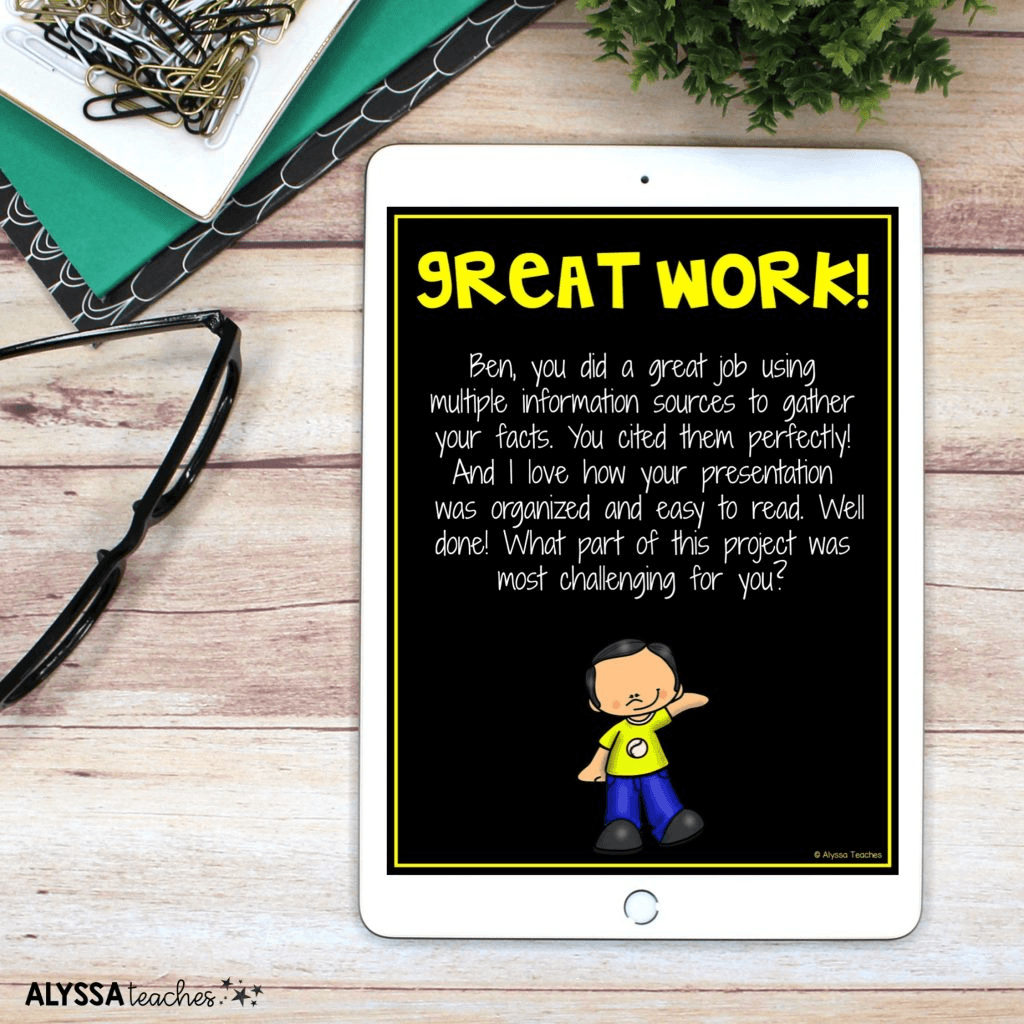
How to give useful feedback on a classmate's paper
By
Princeton Journal of Pre-Collegiate Research
Read more

Student editorial boards: how they work
By
Princeton Journal of Pre-Collegiate Research
Read more
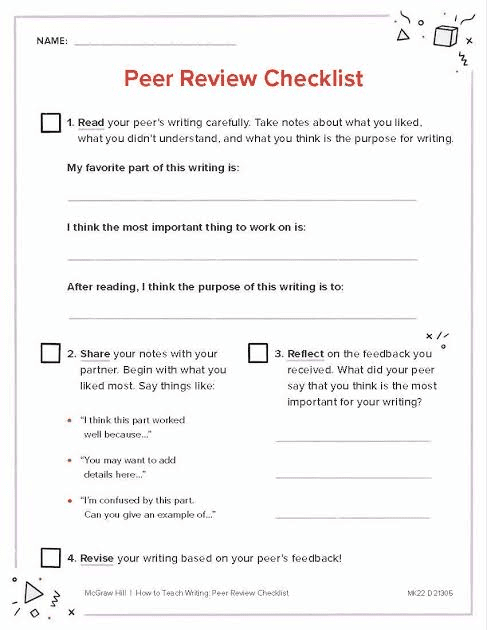
How to write a peer review as a student
By
Princeton Journal of Pre-Collegiate Research
Read more

Peer review etiquette: tone, structure, fairness
By
Princeton Journal of Pre-Collegiate Research
Read more

Version control for research documents
By
Princeton Journal of Pre-Collegiate Research
Read more

Digital vs paper lab notebooks for students
By
Princeton Journal of Pre-Collegiate Research
Read more

Data management basics for student researchers
By
Princeton Journal of Pre-Collegiate Research
Read more
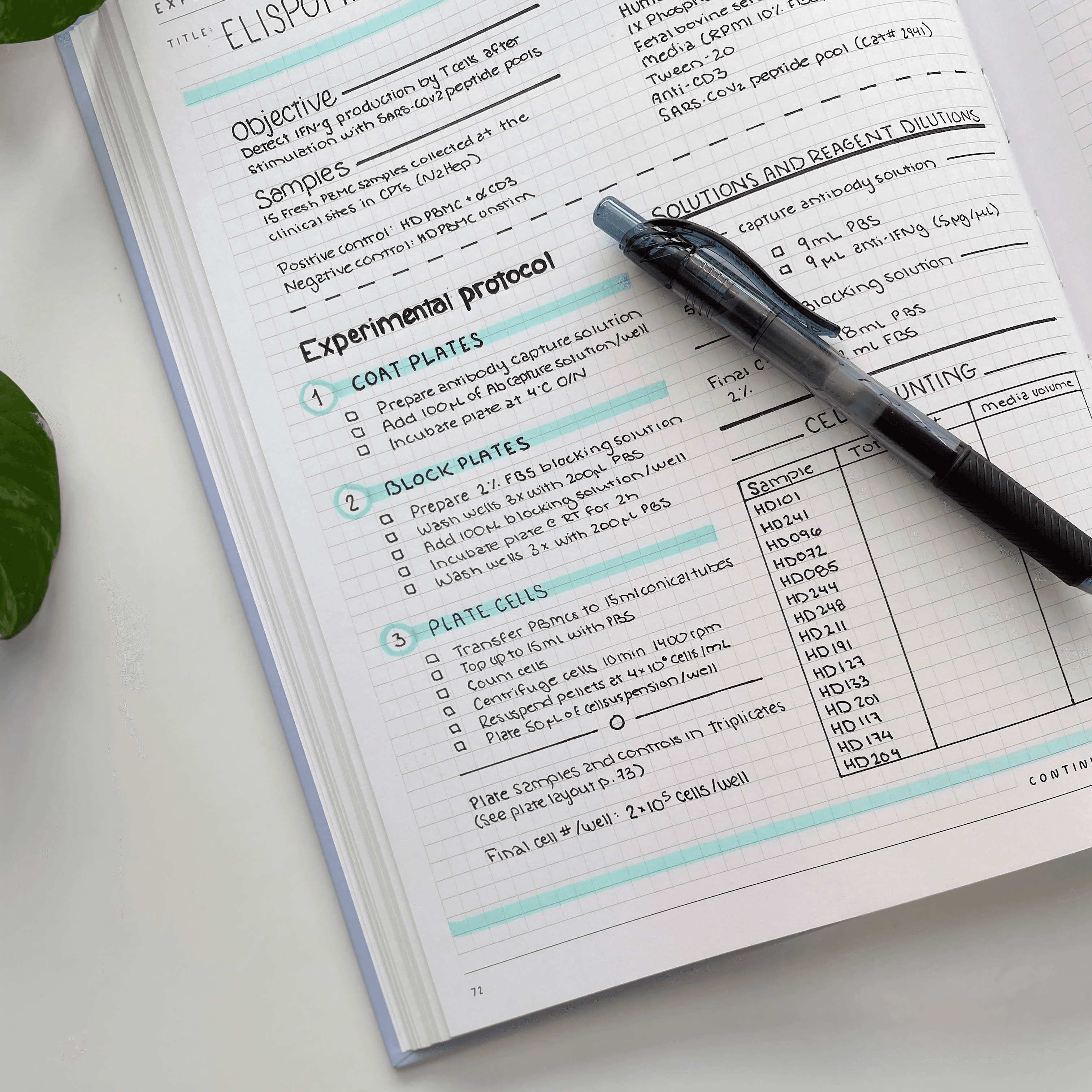
How to keep a lab notebook that reviewers trust
By
Princeton Journal of Pre-Collegiate Research
Read more

How to organize research files across a year-long project
By
Princeton Journal of Pre-Collegiate Research
Read more

How to document your data so you can defend it
By
Princeton Journal of Pre-Collegiate Research
Read more
How to write a grant proposal as a student
By
Princeton Journal of Pre-Collegiate Research
Read more
Free resources that replace research funding
By
Princeton Journal of Pre-Collegiate Research
Read more
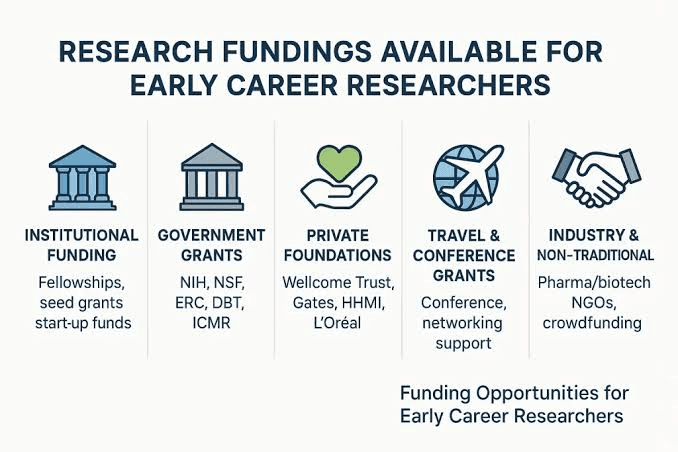
Corporate and nonprofit programs that fund student research
By
Princeton Journal of Pre-Collegiate Research
Read more

Science fair grants and material stipends explained
By
Princeton Journal of Pre-Collegiate Research
Read more

Crowdfunding a student research project: does it work
By
Princeton Journal of Pre-Collegiate Research
Read more

How much does a research project actually cost
By
Princeton Journal of Pre-Collegiate Research
Read more

How to ask your school to fund your project
By
Princeton Journal of Pre-Collegiate Research
Read more

Grants for high school research projects: what exists
By
Princeton Journal of Pre-Collegiate Research
Read more

How to start a research club at your school
By
Princeton Journal of Pre-Collegiate Research
Read more