Corporate and nonprofit programs that fund student research
Princeton Journal of Pre-Collegiate Research
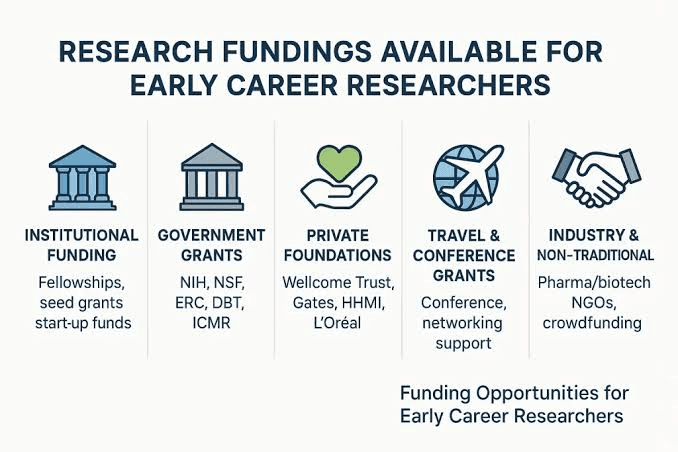
Corporate and Nonprofit Programs That Fund Student Research: A Complete Guide
Finding financial support for academic research can be one of the most challenging aspects of a student's educational journey. Fortunately, corporate and nonprofit programs that fund student research exist in abundance, offering thousands of dollars in grants, fellowships, and stipends to motivated students across disciplines. Whether you are an undergraduate exploring your first research project or a graduate student deep into a dissertation, these programs can provide the financial backing you need to bring your work to life. This guide walks you through the landscape of available funding, how to identify the right opportunities, and how to craft a winning application.
Why Corporate and Nonprofit Programs That Fund Student Research Matter
University budgets are stretched thin, and federal grants are highly competitive. This is precisely why corporate and nonprofit programs that fund student research have become essential pillars of the academic ecosystem. These organizations invest in student research for a variety of reasons: corporations seek innovation pipelines and future talent, while nonprofits aim to advance social good, scientific discovery, or community development.
The benefits to students are significant. Research funding can cover laboratory supplies, travel to conferences, data collection costs, and even living stipends that allow students to focus full-time on their work. Beyond the money, affiliation with a well-known corporate or nonprofit sponsor can enhance a student's resume, open doors to professional networks, and provide mentorship opportunities that last well beyond the grant period.
Understanding how these programs work and what they value is the first step toward securing one. Let's break down the major categories of funders and what they typically support.
Major Corporate Programs That Fund Student Research
Many of the world's largest corporations have established formal research funding programs specifically targeting students. These programs are often administered through corporate foundations or dedicated research divisions.
Technology and Engineering Corporations
Tech giants like Google, Microsoft, and IBM have long recognized the value of investing in student researchers. Google's PhD Fellowship Program, for example, supports outstanding doctoral students in computer science and related fields, providing stipends and opportunities to collaborate with Google researchers. Microsoft Research also offers fellowships and internship-based research funding that can lead to published work and long-term career opportunities.
IBM's PhD Fellowship Awards program is another highly regarded option, supporting students working on problems that are relevant to IBM's research agenda, including artificial intelligence, quantum computing, and cloud technology. These programs typically require students to be nominated by their faculty advisors and to submit detailed research proposals outlining their work and its potential impact.
Pharmaceutical and Biotech Companies
In the life sciences, companies like Pfizer, Merck, and Genentech offer research grants and fellowships to students in biology, chemistry, pharmacology, and related fields. The Genentech Foundation Fellowships, for instance, have historically supported graduate students in biomedical research. Many pharmaceutical companies also partner directly with universities to fund research labs, creating embedded funding opportunities for students working within those labs.
Energy and Environmental Corporations
As sustainability becomes a global priority, energy companies are increasingly funding student research in renewable energy, environmental science, and engineering. ExxonMobil, Shell, and BP all have corporate foundation programs that support STEM education and research. The ExxonMobil Foundation's support for STEM initiatives has channeled millions of dollars toward student researchers over the years.
Top Nonprofit Organizations Offering Student Research Funding
Nonprofit organizations represent another major source of student research funding, often with a mission-driven focus that aligns with specific fields or communities.
Scientific and Academic Foundations
The National Science Foundation (NSF) Research Experiences for Undergraduates (REU) program is one of the most well-known nonprofit-adjacent funding mechanisms in the United States, placing students in funded research positions at universities and research institutions. Similarly, the Howard Hughes Medical Institute (HHMI) offers fellowships and research grants to students in the biological sciences, with a strong emphasis on mentorship and hands-on laboratory experience.
The American Chemical Society (ACS) Scholars Program provides renewable scholarships to underrepresented students in chemistry and chemistry-related fields, many of whom use the funding to support research activities. The American Psychological Association also offers research grants to graduate students through its Science Directorate.
Social Science and Humanities Funders
Research funding is not limited to STEM fields. The Social Science Research Council (SSRC) offers a range of fellowships for students in sociology, political science, economics, and related disciplines. The Mellon Foundation has invested heavily in humanities research, supporting graduate students and early-career scholars through its various grant programs.
The Ford Foundation Fellowship Programs provide support to students committed to diversity and inclusion in their research, offering predoctoral, dissertation, and postdoctoral fellowships. These awards are highly competitive but can provide substantial financial support and prestige.
Community and Social Impact Nonprofits
Beyond academic disciplines, many nonprofits fund research that addresses community needs. Organizations like the Robert Wood Johnson Foundation focus on health equity research, while the Annie E. Casey Foundation supports research related to child welfare and family economic security. Students whose research aligns with these missions can apply for grants that support both their academic work and real-world impact.
How to Find Corporate and Nonprofit Programs That Fund Student Research
Knowing that these programs exist is only half the battle. Finding the right ones for your specific research area requires a strategic approach.
Start With Your University's Research Office
Most universities have an Office of Research or a Sponsored Programs Office that maintains databases of external funding opportunities. These offices often have staff dedicated to helping students identify and apply for grants. Make an appointment with a research funding advisor early in your academic career, not just when you need money urgently.
Use Online Funding Databases
Several online platforms aggregate research funding opportunities. Pivot-RP (formerly Community of Science), Grants.gov, and the Foundation Center's Candid database are excellent starting points. Many universities provide free access to these databases for enrolled students. You can filter by discipline, career stage, citizenship requirements, and funding amount to find opportunities that match your profile.
Follow Professional Associations in Your Field
Professional associations almost always maintain lists of funding opportunities relevant to their members. If you are a student member of the American Sociological Association, the American Institute of Chemical Engineers, or any other professional body, check their website regularly for fellowship and grant announcements. Many associations also send funding opportunity newsletters to members.
Network With Faculty and Peers
Word of mouth remains one of the most effective ways to learn about funding opportunities. Talk to your faculty advisor, attend departmental seminars, and connect with advanced graduate students who have successfully secured external funding. They can share insights about which programs are worth applying to and what reviewers are looking for.
Crafting a Winning Application for Student Research Funding
Once you have identified promising funding opportunities, the next challenge is putting together a compelling application. Competition for these awards is fierce, so every element of your application must be polished and persuasive.
Align Your Research With the Funder's Mission
This cannot be overstated: funders want to support research that advances their goals. Before writing a single word of your proposal, study the funder's mission statement, past grant recipients, and any published priorities or strategic plans. Tailor your research narrative to show explicitly how your work contributes to what the funder cares about most.
Write a Clear and Compelling Research Narrative
Your research proposal should tell a story. Begin with the problem your research addresses and why it matters. Then explain your methodology, timeline, and expected outcomes. Use clear, accessible language that a non-specialist reviewer can understand, while still demonstrating your command of the subject matter. Avoid jargon unless it is absolutely necessary and always defined.
Demonstrate Feasibility and Impact
Funders want to know that you can actually complete the research you are proposing and that it will make a difference. Include a realistic timeline, a detailed budget justification, and evidence that you have the skills, resources, and mentorship needed to succeed. Letters of support from faculty advisors can be particularly powerful in demonstrating feasibility.
Proofread and Seek Feedback
Grammatical errors, unclear writing, and formatting issues can sink an otherwise strong application. Have multiple people review your proposal before submission, including your faculty advisor, a writing center consultant, and ideally someone outside your field who can assess clarity. Give yourself enough time to revise based on feedback.
Maximizing the Benefits of Your Research Funding
Securing funding is a major achievement, but how you manage and leverage that funding matters just as much as winning it.
Keep meticulous records of how you spend grant funds, as most funders require detailed financial reporting. Communicate regularly with your program officer or corporate liaison, as these relationships can lead to future funding opportunities or professional connections. Present your research at conferences and publish your findings, as demonstrated productivity strengthens your case for future grants.
Also, consider how your current funding can serve as a stepping stone. Many students use a successful corporate or nonprofit research grant as evidence of their competence and potential when applying for larger federal grants from agencies like the NSF or NIH. Building a track record of funded research early in your career pays dividends for years to come.
Conclusion: Taking Action to Secure Student Research Funding
The landscape of corporate and nonprofit programs that fund student research is rich and varied, offering opportunities for students in virtually every discipline and at every stage of their academic careers. The key is to start early, search strategically, apply thoughtfully, and persist through rejection. Most successful research grant recipients applied multiple times before winning their first award.
Take the time to explore the programs mentioned in this guide, connect with your university's research support offices, and begin building relationships with faculty mentors who can support your funding applications. The investment of time and effort you make now in securing research funding will pay off not just in dollars, but in skills, connections, and opportunities that will shape your entire career.
Read More

How to write a grant proposal as a student
By
Princeton Journal of Pre-Collegiate Research
Read more

Free resources that replace research funding
By
Princeton Journal of Pre-Collegiate Research
Read more
Corporate and nonprofit programs that fund student research
By
Princeton Journal of Pre-Collegiate Research
Read more

Science fair grants and material stipends explained
By
Princeton Journal of Pre-Collegiate Research
Read more

Crowdfunding a student research project: does it work
By
Princeton Journal of Pre-Collegiate Research
Read more

How much does a research project actually cost
By
Princeton Journal of Pre-Collegiate Research
Read more

How to ask your school to fund your project
By
Princeton Journal of Pre-Collegiate Research
Read more

Grants for high school research projects: what exists
By
Princeton Journal of Pre-Collegiate Research
Read more

How to start a research club at your school
By
Princeton Journal of Pre-Collegiate Research
Read more

How to organize a school research symposium
By
Princeton Journal of Pre-Collegiate Research
Read more

Turning a school club into a research pipeline
By
Princeton Journal of Pre-Collegiate Research
Read more

How to start a student research journal at your school
By
Princeton Journal of Pre-Collegiate Research
Read more

How to find a faculty sponsor for a research club
By
Princeton Journal of Pre-Collegiate Research
Read more

How to propose an independent study for research credit
By
Princeton Journal of Pre-Collegiate Research
Read more

Running a peer-review workshop at your school
By
Princeton Journal of Pre-Collegiate Research
Read more

How to get school funding for student research
By
Princeton Journal of Pre-Collegiate Research
Read more

How to do research as a team of students
By
Princeton Journal of Pre-Collegiate Research
Read more

Dividing work fairly in a group research project
By
Princeton Journal of Pre-Collegiate Research
Read more

Group research vs solo research: pros and cons
By
Princeton Journal of Pre-Collegiate Research
Read more

Resolving disagreements in group research
By
Princeton Journal of Pre-Collegiate Research
Read more

What to do when a co-author stops contributing
By
Princeton Journal of Pre-Collegiate Research
Read more