How to avoid plagiarism in a high school research paper
Princeton Journal of Pre-Collegiate Research

Plagiarism can end a research career before it starts. Learning how to avoid plagiarism in a high school research paper is not just about following rules — it is about building the habits that define a credible scholar.
Every serious academic journal, including peer-reviewed publications for pre-collegiate researchers, treats plagiarism as a disqualifying offense. The good news: avoiding it is entirely within your control. This guide gives you the tools, strategies, and mindset to produce original, properly attributed work from the first draft to the final submission.
What Plagiarism Actually Means (and Why It Matters)
Plagiarism is presenting someone else's words, ideas, data, or structure as your own. It is not limited to copying sentences word for word. Paraphrasing without attribution, using an image without credit, and submitting someone else's argument as your own analysis all count as plagiarism.
The consequences are real. At the high school level, plagiarism can result in a failing grade or academic disciplinary action. At the publication level, it results in rejection and, in some cases, a permanent record that follows a student into college admissions. Academic integrity is not a formality — it is the foundation of every credible research contribution.
Understanding what plagiarism includes is the first step. Many students plagiarize unintentionally because they do not fully grasp the scope of the problem. That changes now.
The Four Types of Plagiarism High School Researchers Encounter
1. Direct Copying
This is the most obvious form: lifting text verbatim from a source without quotation marks or citation. Even one sentence copied without attribution is plagiarism. When you use a source's exact words, place them in quotation marks and cite the source immediately.
2. Mosaic Plagiarism
Mosaic plagiarism involves weaving together phrases from multiple sources with minimal changes. A student might swap a few words or rearrange sentence structure while keeping the original ideas and phrasing intact. This is still plagiarism, even if no single sentence matches a source exactly. Your writing must reflect your own synthesis, not a patchwork of borrowed language.
3. Improper Paraphrasing
Paraphrasing means restating an idea in your own words — not just replacing a few words with synonyms. If your paraphrase follows the same sentence structure and sequence of ideas as the original, it is not a genuine paraphrase. A properly paraphrased passage reads differently from the source and still carries a citation.
4. Self-Plagiarism
Submitting work you have already submitted for another class or publication without disclosure is self-plagiarism. This surprises many students, but academic journals treat it as a serious integrity violation. Your submission must be original work prepared for that specific purpose.
How to Avoid Plagiarism in a High School Research Paper: Core Strategies
Start with Strong Note-Taking Habits
The most effective way to avoid plagiarism is to build citation habits into your research process from the very beginning. When you take notes, record the full source information alongside every idea you capture. Mark direct quotes with quotation marks in your notes so you never confuse them with your own words later.
Use a separate column or color code to distinguish between direct quotes, paraphrases, and your own analysis. This prevents the common mistake of returning to your notes days later and forgetting what came from a source. Strong note-taking is the foundation of clean, original writing.
Understand Your Sources Before You Write
Read your sources thoroughly before you begin drafting. When you deeply understand the material, you can explain it in your own words naturally. Students who skim sources and then try to write around them tend to lean on the original phrasing because they do not have enough intellectual ownership of the ideas yet.
Close the source before you write about it. Draft your explanation from memory, then return to the source to verify accuracy and add the citation. This technique forces genuine comprehension and produces writing that is authentically yours.
Cite as You Write
Do not plan to add citations later. Insert citations the moment you use a source — whether you are quoting, paraphrasing, or referencing a finding. Writing and citing simultaneously eliminates the risk of forgetting which ideas came from which sources. It also saves significant time during the revision stage.
If your paper is in a field like biology or chemistry, you will likely use APA or a field-specific citation style. If you are writing in history or political science, MLA or Chicago may apply. Learn the correct format for your discipline early. Our guides on How To Write A Biology Research Paper For High School and Writing A History Research Paper High School Guide cover discipline-specific citation expectations in detail.
Use Quotations Sparingly and Purposefully
Direct quotations should be reserved for moments when the original phrasing is irreplaceable — a key definition, a distinctive argument, a primary source passage that carries evidential weight. Over-relying on quotations is a signal that a student has not fully processed the material. Most of your paper should be your own analysis, supported by cited evidence.
When you do quote, introduce the quotation, present it with proper punctuation and citation, and then explain its significance in your own words. A floating quotation with no context or follow-up analysis does not serve your argument.
Paraphrase Correctly
Effective paraphrasing requires genuine intellectual engagement with the source. Read the passage. Set it aside. Write what it means in your own words, from your own understanding. Then cite the source. Compare your version to the original — if the sentence structure mirrors the source closely, revise until your phrasing is genuinely independent.
A useful test: could you explain this idea to a classmate without looking at your notes? If yes, you understand it well enough to paraphrase it authentically.
Tools That Help You Avoid Plagiarism
Plagiarism Detection Software
Run your draft through a plagiarism detection tool before submission. Turnitin, Grammarly, and Copyscape are widely used. These tools flag text that matches existing sources, giving you the opportunity to revise before submitting. Treat the similarity report as a diagnostic, not a verdict — some matches are acceptable (common phrases, properly cited quotations), while others require revision.
Many academic journals run submitted manuscripts through detection software as a standard part of the review process. If you plan to submit to a peer-reviewed publication, assume your work will be checked.
Citation Management Tools
Tools like Zotero, Mendeley, and even Google Scholar's citation export feature help you organize sources and generate formatted citations. These tools reduce formatting errors and ensure you do not lose track of sources mid-project. Set up your citation library at the start of your research, not at the end.
Style Guides
Every major citation style has an official guide. The APA Publication Manual, the MLA Handbook, and the Chicago Manual of Style are authoritative references. When in doubt about how to cite a specific source type — a dataset, a social media post, a government report — consult the official guide directly. Do not guess.
How to Avoid Plagiarism in a High School Research Paper Across Different Disciplines
The principles of academic integrity apply across every field, but citation practices vary by discipline. A physics paper follows different conventions than a political science paper. Understanding the norms of your field is part of writing credibly within it.
If you are working in computer science, data attribution and code sourcing carry specific integrity requirements. Our guide on How To Write Computer Science Research Paper High School addresses these conventions directly. For students working in public health or biomedical research, data sourcing and methodology transparency are especially critical — see our resources on How To Write Public Health Research Paper High School and How To Do Biomedical Research In High School.
For students exploring economics or political science, where data interpretation and argument attribution are central, review our guides on High School Economics Research Paper Ideas Examples and How To Write Political Science Research Paper High School.
Common Mistakes That Lead to Accidental Plagiarism
Copying notes without marking the source: You write something down, forget it came from a source, and later treat it as your own idea. Always tag every note with its origin.
Relying too heavily on a single source: When one source dominates your paper, it becomes difficult to distinguish your analysis from the source's argument. Diversify your sources and synthesize across them.
Forgetting to cite images, charts, and data tables: Visual elements require attribution just as text does. If you reproduce a graph or adapt a table from a published source, cite it.
Assuming common knowledge does not need citation: If you learned a specific fact from a specific source, cite it. True common knowledge (widely known, undisputed facts) does not require citation, but the line is narrower than most students assume.
Submitting a draft that was heavily edited by someone else: Receiving feedback is legitimate. Having someone rewrite your sentences for you is not. The words and ideas must remain yours.
Building a Culture of Academic Integrity
Avoiding plagiarism is not just a technical skill — it is a commitment to intellectual honesty. Every time you properly attribute an idea, you are acknowledging that knowledge is built collectively and that every contributor deserves credit. That is the ethos of serious scholarship.
The researchers, professors, and reviewers who evaluate your work have spent careers building that culture. When you submit original, properly cited work, you are signaling that you belong in that conversation. When you cut corners, you undermine not just your own credibility, but the integrity of the research record itself.
High school is the right time to build these habits. The researchers who produce exceptional work at the undergraduate and graduate level almost always developed rigorous citation and attribution practices years earlier. Start now, and the habits will follow you forward.
How to Avoid Plagiarism in a High School Research Paper: Final Checklist
Every direct quotation is in quotation marks with a full citation.
Every paraphrase is written in your own words and sentence structure, with a citation.
Every idea, finding, or argument borrowed from a source is attributed, even if you do not quote it directly.
Images, charts, tables, and data sets are cited.
Your paper has been reviewed with a plagiarism detection tool before submission.
Your citation format matches the style required by your discipline or publication.
The work is original to this submission and has not been submitted elsewhere without disclosure.
Ready to Submit Your Original Research?
Knowing how to avoid plagiarism in a high school research paper is one of the most important skills you will develop as a young researcher. It protects your credibility, strengthens your writing, and signals to reviewers that your work meets the standards of serious academic inquiry.
If you have done the work — original research, honest attribution, rigorous methodology — the next step is putting it in front of a real academic audience. The Princeton Journal of Pre-Collegiate Research publishes original work by high school students across 50+ disciplines, with double-blind peer review and permanent DOI assignment. Your research deserves a platform that takes it as seriously as you do.
Review our guide on How To Submit Research Paper High School Student to understand the submission process. Then explore our Blogs for discipline-specific writing guidance across every major research area. The work you produce now can become part of a permanent, searchable academic record. Make it count.
Read More

Can high school students be peer reviewers
By
Princeton Journal of Pre-Collegiate Research
Read more

What reviewing other papers teaches you about your own
By
Princeton Journal of Pre-Collegiate Research
Read more
How to give useful feedback on a classmate's paper
By
Princeton Journal of Pre-Collegiate Research
Read more

Student editorial boards: how they work
By
Princeton Journal of Pre-Collegiate Research
Read more
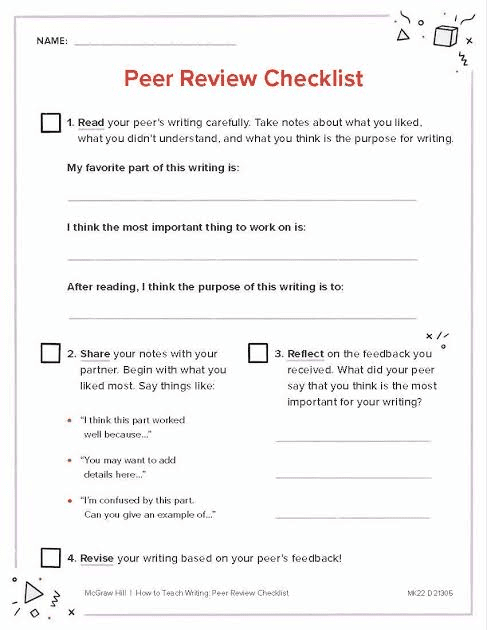
How to write a peer review as a student
By
Princeton Journal of Pre-Collegiate Research
Read more

Peer review etiquette: tone, structure, fairness
By
Princeton Journal of Pre-Collegiate Research
Read more

Version control for research documents
By
Princeton Journal of Pre-Collegiate Research
Read more

Digital vs paper lab notebooks for students
By
Princeton Journal of Pre-Collegiate Research
Read more

Data management basics for student researchers
By
Princeton Journal of Pre-Collegiate Research
Read more
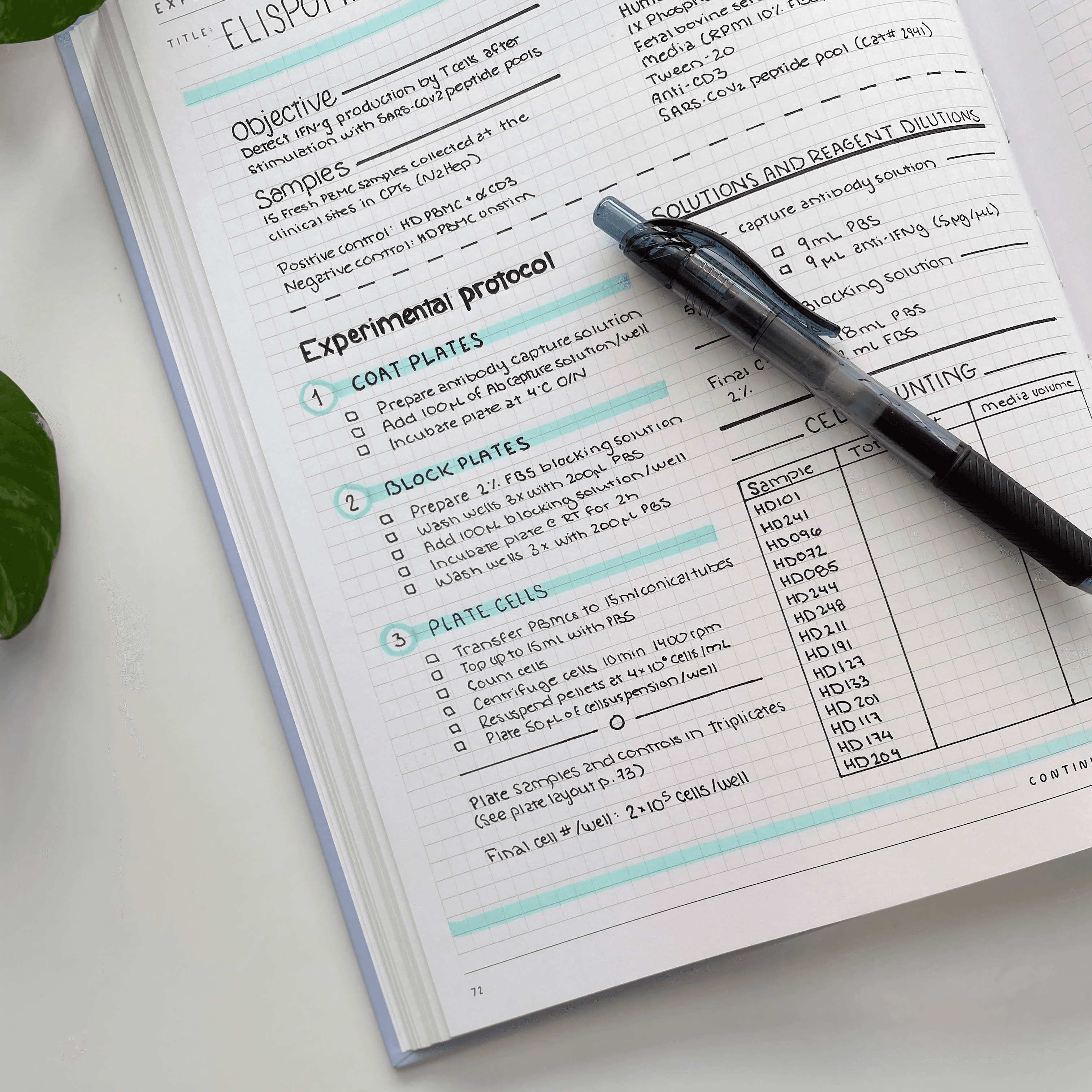
How to keep a lab notebook that reviewers trust
By
Princeton Journal of Pre-Collegiate Research
Read more

How to organize research files across a year-long project
By
Princeton Journal of Pre-Collegiate Research
Read more

How to document your data so you can defend it
By
Princeton Journal of Pre-Collegiate Research
Read more

How to write a grant proposal as a student
By
Princeton Journal of Pre-Collegiate Research
Read more
Free resources that replace research funding
By
Princeton Journal of Pre-Collegiate Research
Read more
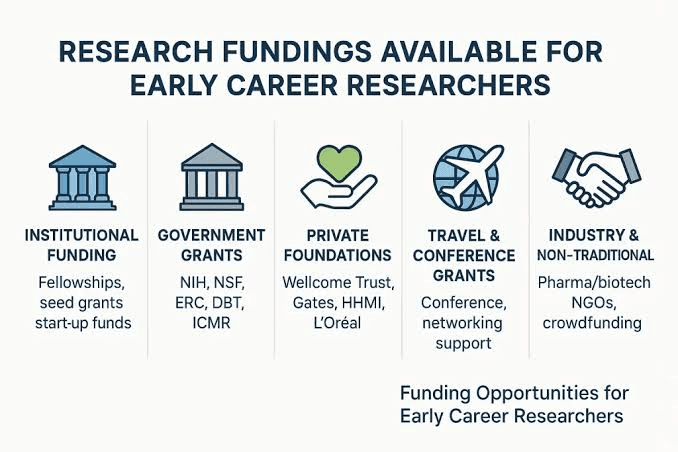
Corporate and nonprofit programs that fund student research
By
Princeton Journal of Pre-Collegiate Research
Read more

Science fair grants and material stipends explained
By
Princeton Journal of Pre-Collegiate Research
Read more

Crowdfunding a student research project: does it work
By
Princeton Journal of Pre-Collegiate Research
Read more

How much does a research project actually cost
By
Princeton Journal of Pre-Collegiate Research
Read more

How to ask your school to fund your project
By
Princeton Journal of Pre-Collegiate Research
Read more

Grants for high school research projects: what exists
By
Princeton Journal of Pre-Collegiate Research
Read more

How to start a research club at your school
By
Princeton Journal of Pre-Collegiate Research
Read more