How long does it take to write a high school research paper
Princeton Journal of Pre-Collegiate Research

Most students underestimate this. They block off a weekend, open a blank document, and wonder why nothing comes together. How long does it take to write a high school research paper? The honest answer is: longer than you think, and shorter than it feels when you plan correctly.
This guide breaks down every phase of the process, gives you realistic time estimates, and shows you how to build a schedule that produces work you can actually be proud of. Whether you are writing for a class assignment or aiming to publish in a peer-reviewed journal, the timeline matters as much as the content.
The Short Answer: Four to Eight Weeks for Serious Work
A high school research paper written at a serious academic level takes between four and eight weeks from topic selection to final submission. That range accounts for paper length, discipline, access to sources, and your prior experience with research writing. A five-page history essay sits at the shorter end. A twenty-page empirical study with original data collection sits at the longer end.
Students who compress this into one or two weeks almost always show it in the final product (rushed arguments, thin citations, conclusions that do not follow from the evidence). The timeline below is not padding. Every phase does real work.
Phase One: Topic Selection and Narrowing (Three to Five Days)
This phase is chronically underestimated. Choosing a topic is not a single decision made in ten minutes. It is an iterative process of testing whether a question is researchable, whether sources exist, and whether the scope is appropriate for your paper length.
Start broad, then narrow. If you are interested in climate change, that is not a topic yet. Climate change and adolescent mental health outcomes in coastal communities is closer. A focused, arguable question drives everything that follows.
Spend at least three days here. Use one day to brainstorm freely. Use the next to scan available literature and confirm that credible sources exist. Use the third to write your research question in one clear sentence. If you cannot do that, narrow further.
For discipline-specific guidance on selecting topics, the Chemistry Research Paper Topics High School Students guide and the High School Economics Research Paper Ideas Examples resource offer concrete starting points across two very different fields.
Phase Two: Literature Review and Source Collection (One to Two Weeks)
This is where the real intellectual work begins. You are not just gathering sources. You are building a map of what has already been argued, where the gaps are, and where your paper fits into the existing conversation.
Plan for seven to ten days here. Use the first few days to search databases like Google Scholar, JSTOR, PubMed, or your school library's resources. Collect more than you think you need (you will cut later, and having options is better than scrambling). Use the remaining days to read critically, take notes, and begin organizing sources by argument or theme rather than by author.
Annotated bibliographies are worth the extra time. Writing two to three sentences about each source as you read it saves hours during the drafting phase. You will not have to re-read everything to remember what each source argued.
Proper citation practice starts here, not at the end. Every source you collect should be formatted correctly from the moment you record it. This directly prevents the problems covered in the guide on How To Avoid Plagiarism In A High School Research Paper.
Phase Three: Outlining and Argument Construction (Two to Four Days)
Do not skip the outline. Students who skip the outline spend twice as long revising because the structure of the argument was never clear to begin with. An outline is not a bureaucratic formality. It is a thinking tool.
Your outline should include your thesis statement, each major section with its central claim, the evidence you will use to support each claim, and a clear transition logic between sections. At the high school level, a strong outline takes two to four days to develop properly.
The thesis is the hardest part. It should make a specific, defensible claim that requires evidence to support. It should not summarize your topic. It should not state an obvious fact. It should say something that a reasonable person could disagree with, and then your paper should prove it.
Phase Four: First Draft (One to Two Weeks)
How long does it take to write a high school research paper's first draft? For most students working at a serious level, plan for seven to fourteen days. This assumes you are writing in focused sessions of sixty to ninety minutes rather than marathon sittings that produce diminishing returns.
Write the body sections first. The introduction and conclusion are easier to write once you know exactly what the paper argues and proves. Starting with the introduction often leads to vague, over-broad opening paragraphs that have to be rewritten anyway.
Do not edit while you draft. These are two different cognitive modes, and switching between them slows both down. Write the section, move to the next, and save the critical eye for revision. A rough first draft that exists is more valuable than a perfect first draft that is half-finished.
Paper length shapes this phase significantly. If you are uncertain about appropriate scope, the resource on How Long Should A High School Research Paper Be provides clear benchmarks by assignment type and academic level.
Phase Five: Abstract and Section Headers (One Day)
If your paper requires an abstract, write it after the first draft is complete. An abstract summarizes what the paper argues, what method was used, and what the findings or conclusions are. It is not a teaser. It is a precise, compressed version of the whole paper.
For students submitting to academic journals, the abstract is often the first thing reviewers read (and sometimes the only thing, if the paper is immediately out of scope). Getting it right matters. The guide on How To Write An Abstract For A High School Research Journal walks through this with specific structure and length guidance.
Phase Six: Revision (One to Two Weeks)
Revision is where good papers become strong ones. This is not proofreading. Revision means re-reading the entire paper with the question: does every paragraph advance the argument? If a paragraph does not do that, it gets cut or restructured, regardless of how well it is written.
Plan for at least one full week of revision. Use the first pass to address structure and argument. Use the second pass to address paragraph-level clarity and evidence integration. Use the third pass for sentence-level precision and citation formatting. These are three separate tasks and they require three separate reads.
Get feedback from someone who will be honest (a teacher, a mentor, a peer who writes well). Feedback from someone who will only say it is good is not useful. You want someone who will tell you when an argument does not hold or when a transition is unclear.
Phase Seven: Final Proofread and Formatting (Two to Three Days)
The final phase is mechanical but not trivial. Check every citation against your bibliography. Confirm your formatting matches the required style guide (APA, MLA, Chicago, or whatever your instructor or journal specifies). Read the paper aloud to catch awkward phrasing that silent reading misses.
If you are submitting to a journal, review the submission guidelines in detail before you format. Font size, margin width, heading style, and reference format are all specified, and deviating from them signals carelessness to reviewers. The guide on How To Submit Research Paper High School Student covers what to check before you click submit.
How the Timeline Shifts by Discipline
How long does it take to write a high school research paper varies meaningfully by subject area. Empirical disciplines like biology, computer science, and engineering require additional time for methodology design and data collection or analysis. Humanities disciplines like history and political science require deeper engagement with primary sources and historiographical context.
A biology paper that involves an original experiment can add two to four weeks to the timeline for the experimental phase alone. A history paper analyzing primary documents may require more time in the literature review phase than a social science paper relying on secondary data.
Discipline-specific guides help here. The How To Write A Biology Research Paper For High School guide, the How To Write Computer Science Research Paper High School resource, and the Writing A History Research Paper High School Guide each address the specific conventions, source types, and structural expectations of their fields.
A Realistic Eight-Week Schedule
Week 1: Topic selection, research question, initial source scan
Week 2: Deep literature review, annotated bibliography
Week 3: Outline, thesis refinement, argument structure
Week 4: First draft, body sections
Week 5: Complete first draft, introduction and conclusion
Week 6: Structural revision, argument review
Week 7: Paragraph and sentence revision, peer feedback integration
Week 8: Final proofread, formatting, submission preparation
This schedule assumes roughly five to eight hours of focused work per week. That is manageable alongside a full course load if you treat research writing as a recurring commitment rather than a crisis to manage at the deadline.
What Slows Students Down Most
The most common causes of timeline collapse are not lack of intelligence or effort. They are structural. Students spend too long on topic selection because they are afraid to commit. They collect sources without reading them critically. They draft without an outline and then face a structural revision that takes longer than the original draft. They leave formatting and citation cleanup to the last day.
The fix for all of these is the same: treat each phase as its own task with its own deadline, not as a single undifferentiated block called writing the paper. Compartmentalization is not just a productivity trick. It produces better work because each phase gets the focused attention it requires.
When You Are Writing for Publication
Students writing for peer-reviewed publication should add additional time to every phase. Reviewer feedback often requires a substantial revision round (sometimes two). Journals like Princeton JPCR conduct rigorous double-blind peer review, which means the feedback you receive is substantive and requires real engagement, not cosmetic changes.
That revision process is also where the most learning happens (you leave a better researcher than you arrived). Publication-track papers benefit from starting earlier, seeking faculty or mentor guidance during the literature review phase, and building in time for at least one full revision cycle before initial submission.
Princeton JPCR is not affiliated with Princeton University. It is an independent, international peer-reviewed journal publishing original research by high school students across 50+ academic disciplines, read by audiences on six continents.
Conclusion: Plan the Time Before You Write the Paper
How long does it take to write a high school research paper? For a serious, well-executed paper, plan for four to eight weeks. For a publication-quality submission, plan for eight to twelve weeks including revision cycles. The students who produce the strongest work are not necessarily the most talented. They are the ones who started early enough to let each phase do its job.
Build your schedule before you open a blank document. Commit to your research question before you collect your first source. Draft before you edit. Revise before you proofread. Each phase is distinct, and each one matters. If you are ready to put that work into something that earns a permanent, citable, DOI-assigned place in the academic record, explore what publishing with Princeton JPCR looks like. The standard is high. That is the point.
Read More

Can high school students be peer reviewers
By
Princeton Journal of Pre-Collegiate Research
Read more

What reviewing other papers teaches you about your own
By
Princeton Journal of Pre-Collegiate Research
Read more
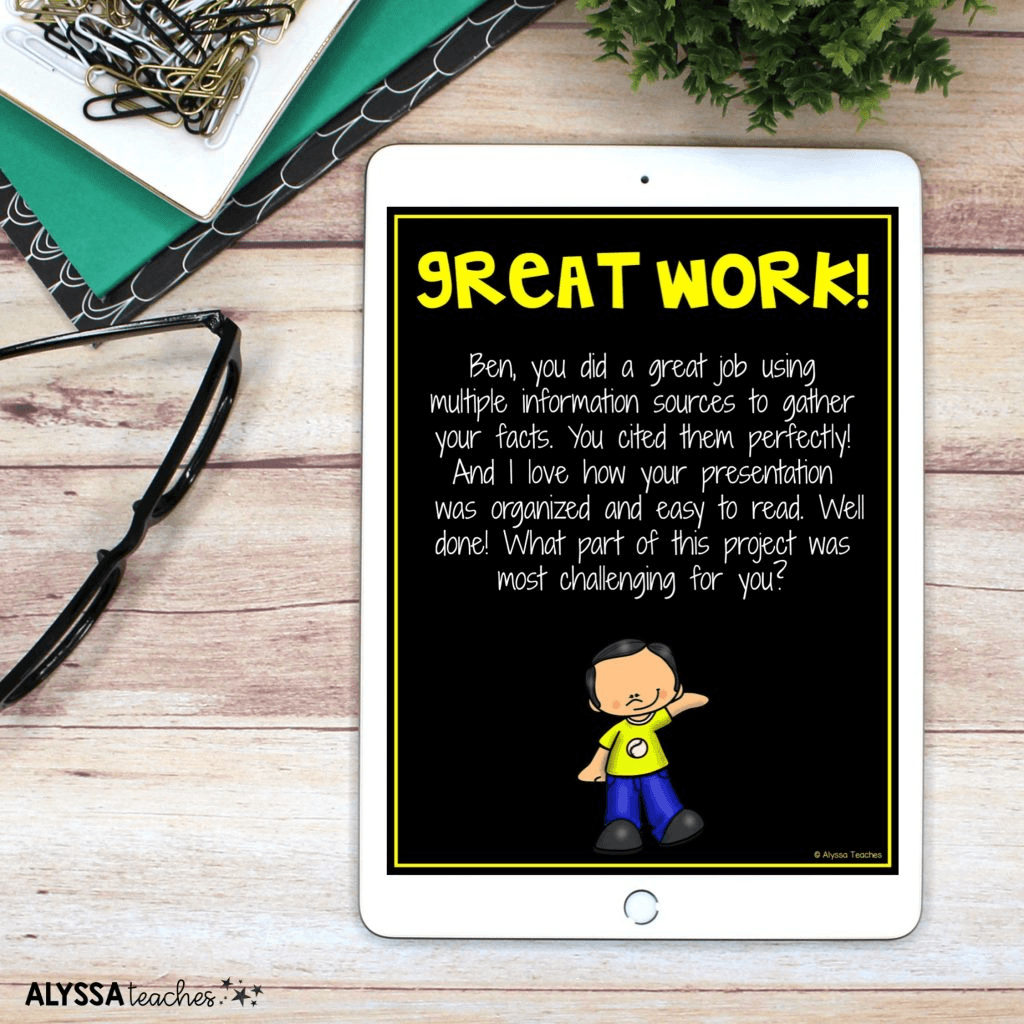
How to give useful feedback on a classmate's paper
By
Princeton Journal of Pre-Collegiate Research
Read more

Student editorial boards: how they work
By
Princeton Journal of Pre-Collegiate Research
Read more
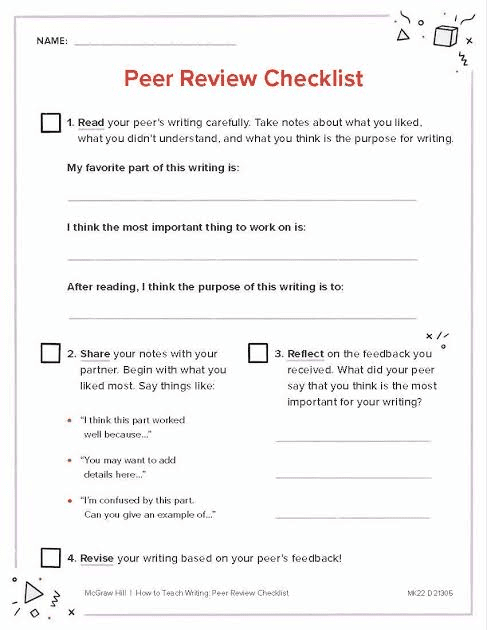
How to write a peer review as a student
By
Princeton Journal of Pre-Collegiate Research
Read more

Peer review etiquette: tone, structure, fairness
By
Princeton Journal of Pre-Collegiate Research
Read more

Version control for research documents
By
Princeton Journal of Pre-Collegiate Research
Read more

Digital vs paper lab notebooks for students
By
Princeton Journal of Pre-Collegiate Research
Read more

Data management basics for student researchers
By
Princeton Journal of Pre-Collegiate Research
Read more
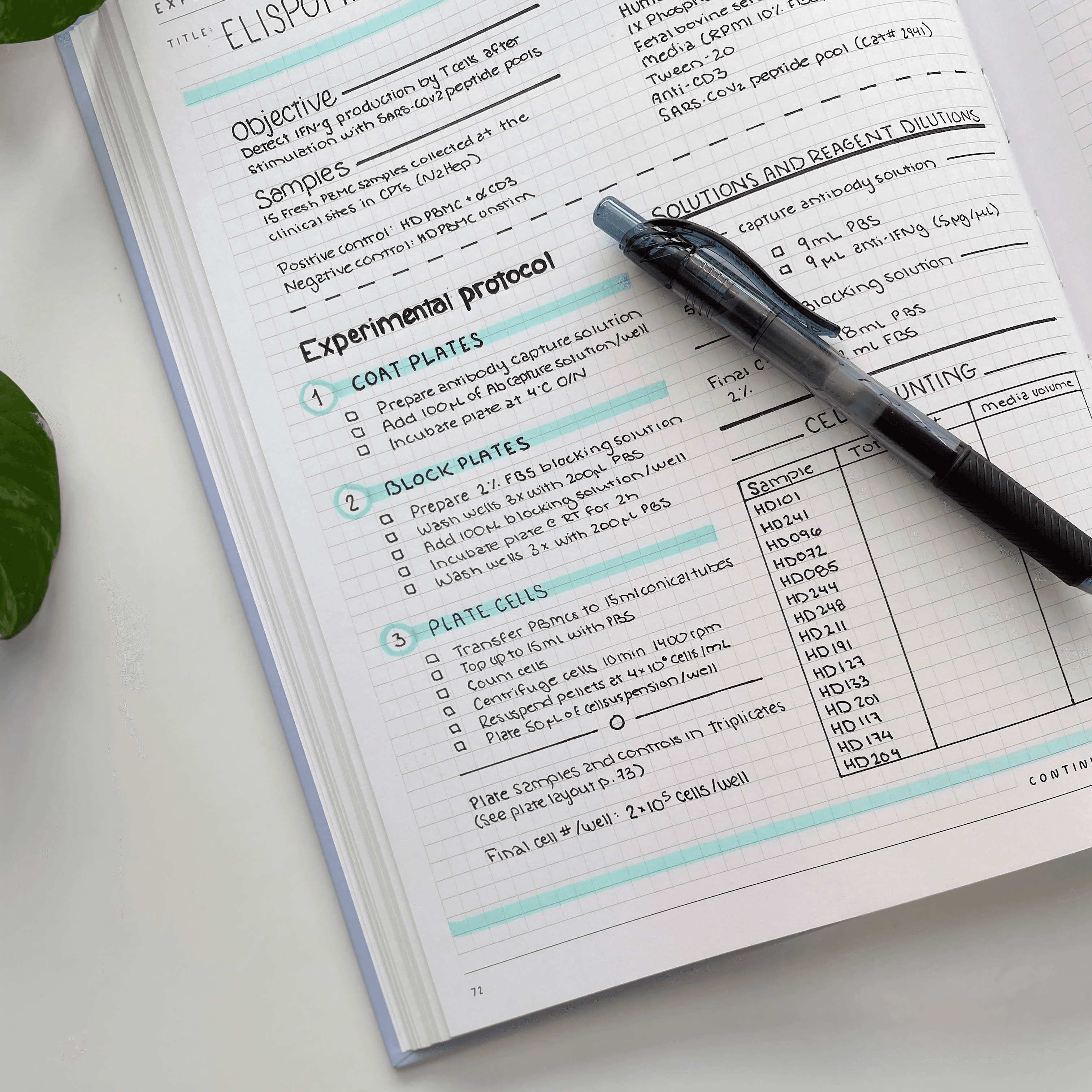
How to keep a lab notebook that reviewers trust
By
Princeton Journal of Pre-Collegiate Research
Read more

How to organize research files across a year-long project
By
Princeton Journal of Pre-Collegiate Research
Read more

How to document your data so you can defend it
By
Princeton Journal of Pre-Collegiate Research
Read more

How to write a grant proposal as a student
By
Princeton Journal of Pre-Collegiate Research
Read more
Free resources that replace research funding
By
Princeton Journal of Pre-Collegiate Research
Read more
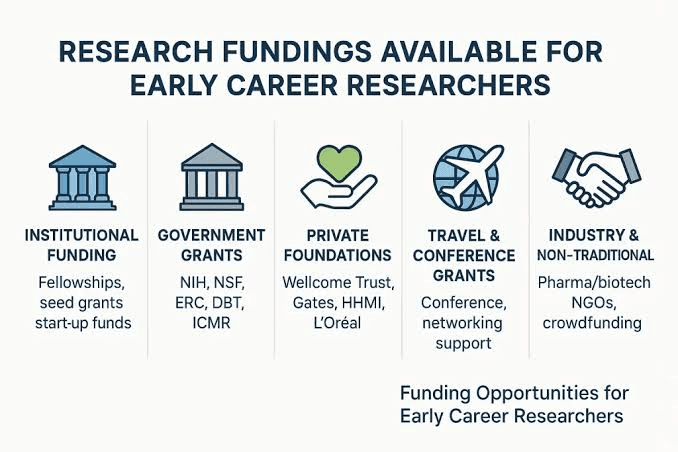
Corporate and nonprofit programs that fund student research
By
Princeton Journal of Pre-Collegiate Research
Read more

Science fair grants and material stipends explained
By
Princeton Journal of Pre-Collegiate Research
Read more

Crowdfunding a student research project: does it work
By
Princeton Journal of Pre-Collegiate Research
Read more

How much does a research project actually cost
By
Princeton Journal of Pre-Collegiate Research
Read more

How to ask your school to fund your project
By
Princeton Journal of Pre-Collegiate Research
Read more

Grants for high school research projects: what exists
By
Princeton Journal of Pre-Collegiate Research
Read more

How to start a research club at your school
By
Princeton Journal of Pre-Collegiate Research
Read more