Can you use AI tools like ChatGPT in your research paper
Princeton Journal of Pre-Collegiate Research

The question is everywhere right now, and it deserves a direct answer. Can you use AI tools like ChatGPT in your research paper? The honest answer is: it depends entirely on how you use them, and the line between helpful and harmful is sharper than most students realize.
AI tools have changed how students draft, revise, and research. That is not a bad thing on its own. But academic publishing has standards that exist for a reason, and understanding where AI fits within those standards is essential before you submit anything to a peer-reviewed journal.
What AI Tools Can and Cannot Do
AI language models like ChatGPT generate text by predicting likely word sequences based on training data. They do not think. They do not conduct experiments. They do not form original arguments grounded in lived inquiry. What they do is produce fluent, plausible-sounding prose, which is useful in some contexts and dangerous in others.
Understanding this distinction is not a technicality. It is the foundation of everything that follows. A research paper is a record of your intellectual work. The moment someone else's thinking, human or machine, replaces your own, the paper stops being yours in any meaningful sense.
Where AI Can Legitimately Help
There are legitimate uses of AI tools in the research process. These are supporting roles, not authoring roles. The distinction matters enormously.
Brainstorming and early ideation: AI can help you generate a list of potential research angles or identify gaps you had not considered. You still choose the direction. You still do the intellectual work of evaluating which angle is worth pursuing.
Grammar and clarity checks: Running a draft through an AI tool to catch awkward phrasing or grammatical errors is comparable to using a spell checker. It is a mechanical assist, not a ghostwriting service. (that said, developing your own editing instincts matters more long-term.)
Understanding unfamiliar concepts: If you encounter a statistical method or a theoretical framework you do not fully understand, asking an AI to explain it in plain language can accelerate your learning. You still need to verify that explanation against peer-reviewed sources.
Formatting and citation structure: AI can help you understand how to format a citation or structure a bibliography entry. It cannot verify that your sources are real or accurately represented.
Before you finalize any draft, a thorough self-review is non-negotiable. Our guide on How To Edit Your Own Research Paper Before Submission walks through what that process should look like at the high school level.
Where AI Use Becomes Academic Misconduct
This is the part students need to read carefully. Using AI tools like ChatGPT to generate the core content of your research paper is not a gray area in academic publishing. It is a violation of research integrity standards at virtually every credible journal, including Princeton JPCR.
Submitting AI-generated text as your own written analysis constitutes plagiarism. The source happens to be a machine rather than a human, but the principle is identical: you are presenting work that is not yours as if it were. Many journals now use AI detection tools alongside traditional plagiarism checkers, and the consequences of detection at the submission stage are significant.
Fabricated citations are a related and serious problem. ChatGPT and similar tools are known to generate plausible-sounding but entirely fictional references. (this has caught many students off guard, and it is not a minor error.) Submitting a paper with fabricated sources is grounds for immediate rejection and potential flagging across publishing platforms.
Can You Use AI Tools Like ChatGPT in Your Research Paper Without Disclosing It?
No. Most reputable academic journals now require disclosure of any AI assistance used in the preparation of a manuscript. This is not optional fine print. It is a condition of ethical submission. Failing to disclose AI use when it occurred is a form of academic dishonesty, even if the AI was used only in a minor supporting capacity.
Disclosure requirements vary by journal. Some require a dedicated statement in the methods section. Others ask for a general acknowledgment. Princeton JPCR expects full transparency about the tools and methods used in preparing a submission. When in doubt, disclose. Reviewers and editors are experienced, and undisclosed AI use is increasingly detectable.
The Deeper Problem With Leaning on AI
Beyond the ethical and policy issues, there is a practical problem with over-relying on AI tools. It undermines the very skills that make a research paper worth writing in the first place.
Writing a research paper teaches you to construct a logical argument from evidence, to identify weaknesses in your own reasoning, and to communicate complex ideas with precision. These are not incidental benefits. They are the point. If AI does that work for you, you leave the process no more capable than when you arrived. (and that is a significant cost, especially for a student preparing for university-level academic work.)
Building a strong argument from your own analysis is a skill that takes practice. Our resource on How To Structure An Argument In A Research Paper breaks down that process in concrete terms. Read it before you reach for an AI shortcut.
What Peer Reviewers Actually See
Princeton JPCR uses a rigorous double-blind peer review process. Reviewers are evaluating the quality of your thinking, not just your prose. AI-generated writing tends to be generic, confident without depth, and structurally smooth but intellectually thin. Experienced reviewers notice this. They are looking for a genuine research voice, specific claims grounded in real evidence, and analytical moves that reflect actual engagement with the material.
A paper that reads as though it was assembled rather than argued will not pass review, regardless of how polished it looks on the surface. The feedback you receive from our reviewers is designed to develop your skills as a researcher. That feedback only has value if the work being reviewed is genuinely yours.
If you want to understand what happens after you click submit, read What Happens After You Submit Your Research Paper. Knowing the process helps you prepare work that can actually survive it.
Practical Guidelines for Responsible AI Use
Here is a clear framework for navigating AI tools responsibly during the research and writing process.
Use AI to understand, not to produce. If AI helps you grasp a concept, that is legitimate learning support. If AI writes your analysis, that is substitution, not support.
Verify every source independently. Never cite a source that you have not read and confirmed exists. AI-generated citations are frequently fabricated. Check every reference against the original publication.
Write your own first draft. The first draft should always come from you. It does not need to be good. It needs to be yours. Revise from there using your own judgment, not AI rewrites.
Disclose any AI assistance. If you used an AI tool at any stage of preparation, note it. Transparency is not weakness. Concealment is a problem.
Run your own grammar and style review. Developing your own editing instincts is part of becoming a stronger writer. Our guide on Common Grammar Mistakes In Academic Research Papers is a useful starting point for that process.
Can You Use AI Tools Like ChatGPT in Your Research Paper and Still Get Published?
The answer depends entirely on the role AI played. A student who used AI to understand a methodology, wrote their own analysis, verified every source, and disclosed their AI use in the manuscript is operating within ethical bounds. A student who used AI to generate their literature review, argument, and conclusion is submitting work that is not theirs and will not survive peer review at any credible journal.
The goal of publishing in a peer-reviewed journal is not to produce a document. It is to develop as a researcher, contribute original thinking to a field, and build a record of intellectual work that reflects your actual capabilities. Shortcuts undermine all three goals simultaneously.
If you are unsure whether your paper is ready for submission, getting structured feedback first is always the right move. Our resource on How To Get Feedback On A Research Paper Before Submitting outlines how to make that process productive.
A Note on Thesis and Argument Integrity
One of the clearest signs of AI overuse in a research paper is a thesis statement that sounds impressive but commits to nothing specific. Strong thesis statements are precise, arguable, and grounded in your actual findings. AI tends to generate thesis statements that hedge, generalize, and avoid the kind of specific claim that real research demands.
If your thesis was generated or substantially rewritten by an AI tool, it may not accurately represent what your paper actually argues. That creates structural problems that no amount of polished prose can fix. Our guide on How To Write A Strong Thesis Statement Research Paper explains what a genuinely strong thesis looks like and how to build one from your own research.
The Bottom Line
Can you use AI tools like ChatGPT in your research paper? You can use them as learning aids, organizational supports, and grammar-checking tools, with full disclosure. You cannot use them to generate your ideas, write your analysis, or produce your argument. That work belongs to you, and it only has value if you do it.
Princeton JPCR publishes original research by high school students across 50+ academic disciplines. Every paper goes through rigorous double-blind peer review. What reviewers are looking for is your thinking, your evidence, and your voice. (no shortcuts, no rubber stamps.) AI cannot give you any of those things. Only genuine engagement with your research can.
If you are ready to develop your research skills and submit work that reflects your actual intellectual capabilities, explore more resources on our Blogs page. The standards are high. The opportunity is real. The work has to be yours.
Read More

Can high school students be peer reviewers
By
Princeton Journal of Pre-Collegiate Research
Read more

What reviewing other papers teaches you about your own
By
Princeton Journal of Pre-Collegiate Research
Read more
How to give useful feedback on a classmate's paper
By
Princeton Journal of Pre-Collegiate Research
Read more

Student editorial boards: how they work
By
Princeton Journal of Pre-Collegiate Research
Read more
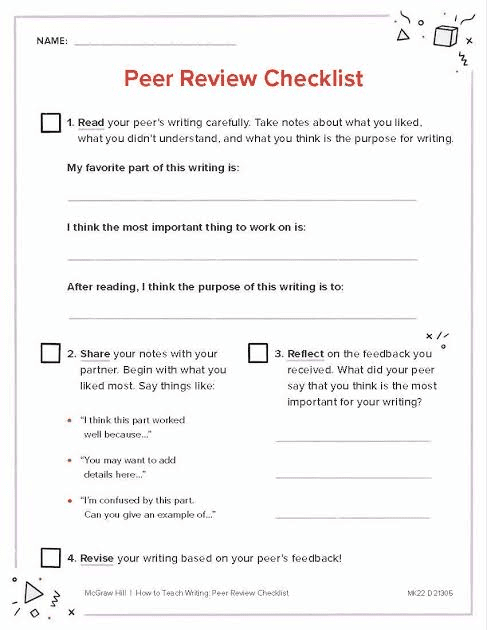
How to write a peer review as a student
By
Princeton Journal of Pre-Collegiate Research
Read more

Peer review etiquette: tone, structure, fairness
By
Princeton Journal of Pre-Collegiate Research
Read more

Version control for research documents
By
Princeton Journal of Pre-Collegiate Research
Read more

Digital vs paper lab notebooks for students
By
Princeton Journal of Pre-Collegiate Research
Read more

Data management basics for student researchers
By
Princeton Journal of Pre-Collegiate Research
Read more
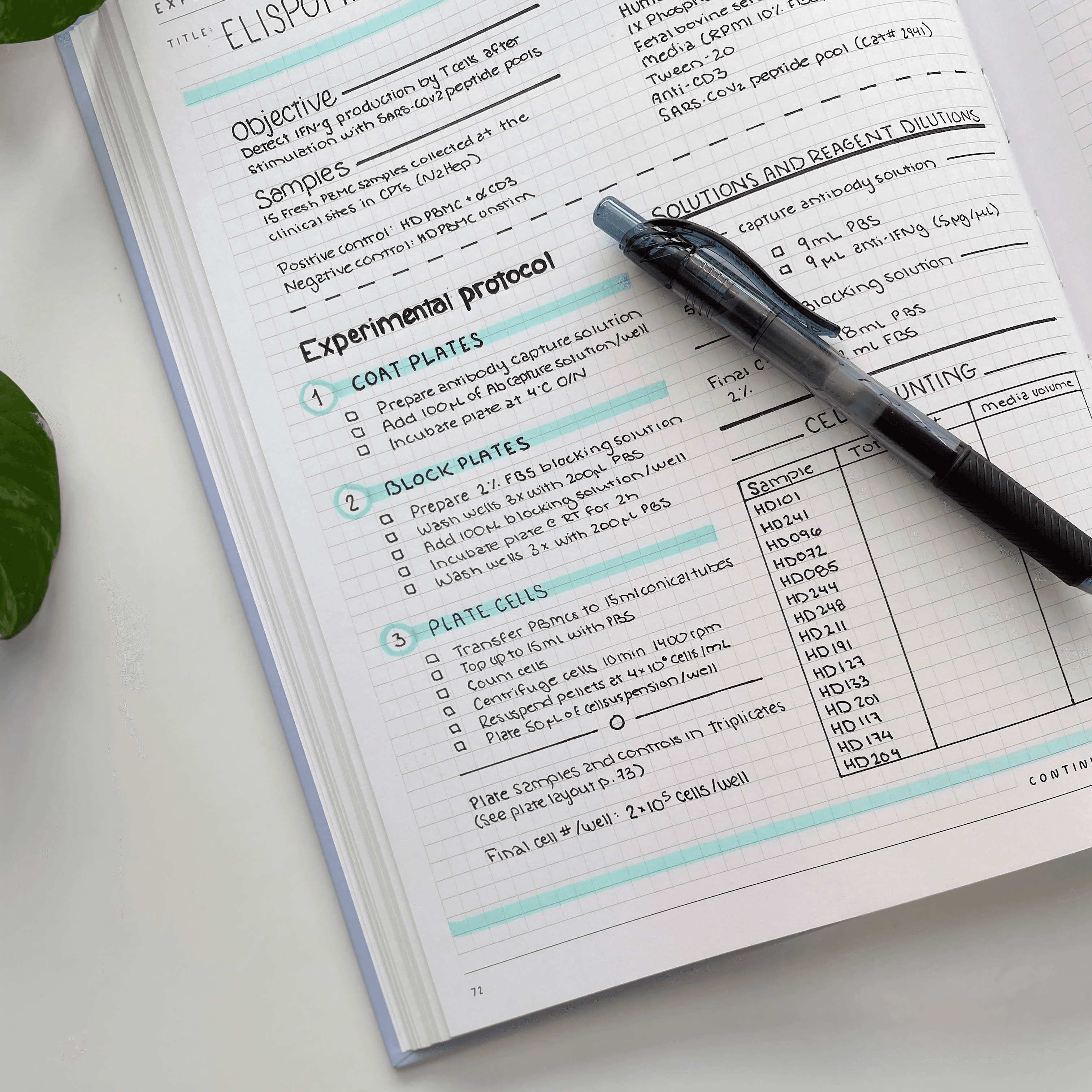
How to keep a lab notebook that reviewers trust
By
Princeton Journal of Pre-Collegiate Research
Read more

How to organize research files across a year-long project
By
Princeton Journal of Pre-Collegiate Research
Read more

How to document your data so you can defend it
By
Princeton Journal of Pre-Collegiate Research
Read more
How to write a grant proposal as a student
By
Princeton Journal of Pre-Collegiate Research
Read more
Free resources that replace research funding
By
Princeton Journal of Pre-Collegiate Research
Read more
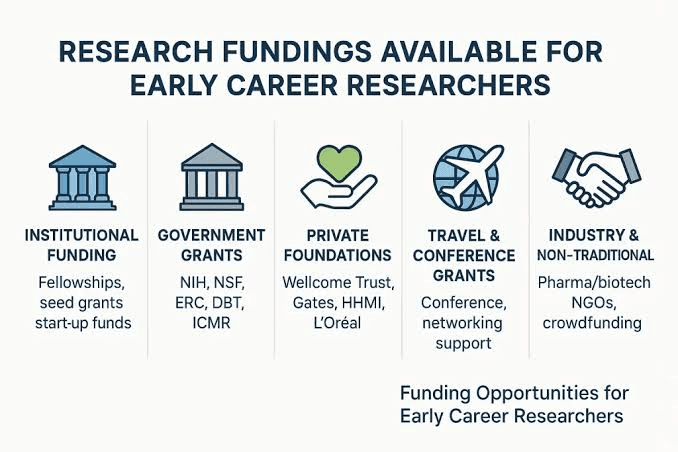
Corporate and nonprofit programs that fund student research
By
Princeton Journal of Pre-Collegiate Research
Read more

Science fair grants and material stipends explained
By
Princeton Journal of Pre-Collegiate Research
Read more

Crowdfunding a student research project: does it work
By
Princeton Journal of Pre-Collegiate Research
Read more

How much does a research project actually cost
By
Princeton Journal of Pre-Collegiate Research
Read more

How to ask your school to fund your project
By
Princeton Journal of Pre-Collegiate Research
Read more

Grants for high school research projects: what exists
By
Princeton Journal of Pre-Collegiate Research
Read more

How to start a research club at your school
By
Princeton Journal of Pre-Collegiate Research
Read more