What grade should you start research in for college applications
Princeton Journal of Pre-Collegiate Research

The question is not whether research will strengthen your college application. It will. The real question is what grade should you start research in for college applications, and whether you have left yourself enough time to do it right.
The answer depends on your goals, your discipline, and how seriously you want to pursue publication. But there is a framework that works, and it starts earlier than most students expect.
The Short Answer: 9th or 10th Grade
If you want a published, peer-reviewed research paper on your college application, starting in 9th or 10th grade gives you the best chance of getting there. Research takes time. Topic development, literature review, methodology, data collection, writing, revision, peer review, and publication do not happen in a semester (most students underestimate this by a significant margin). Starting early means you can submit to a journal by the end of 10th grade or early 11th, leaving time for revisions and acceptance before applications open in senior year.
Starting in 9th grade is not too early. It is, for many students, exactly right.
What Grade Should You Start Research in for College Applications: A Grade-by-Grade Breakdown
9th Grade: Build the Foundation
Ninth grade is the ideal time to begin exploring what genuinely interests you. You do not need a research question yet. You need intellectual curiosity and the discipline to follow it. Use this year to read widely in fields that excite you, identify gaps or questions that no one has answered to your satisfaction, and start developing the academic habits that research demands.
If you can identify a mentor in 9th grade, a teacher, a university professor, a professional in your field, that relationship becomes the scaffolding for everything that follows. Many students who publish by junior year trace the origin of their project to a conversation they had in 9th grade. The earlier you start building those connections, the more options you have.
10th Grade: Develop Your Question and Begin the Work
Tenth grade is where serious research begins for most high-achieving students. By now, you have enough academic background to formulate a focused research question. You understand your subject well enough to know what has already been studied and where the gaps are. This is the year to commit to a topic, conduct your literature review, and begin building your methodology.
Students who start in 10th grade and work consistently through the year can realistically submit a paper for peer review by the end of that year or the beginning of 11th grade. That timeline works well for college applications. It gives you a publication or a submission in progress to discuss in your essays, interviews, and activity lists (which matters more than most students realize).
11th Grade: The Pressure Window
Starting research in 11th grade is still viable, but the margin for error shrinks considerably. Junior year is already demanding: standardized tests, advanced coursework, leadership responsibilities, and the beginning of serious college planning. Adding a full research project on top of that is achievable, but it requires exceptional time management and a clear, focused research question from day one.
The risk in starting junior year is that you run out of time before publication. A paper submitted in late 11th grade may still be in peer review when your applications are due. That is not disqualifying, a paper under review still demonstrates serious academic commitment, but a published paper with a DOI is a stronger credential than a paper that is pending. If you start in 11th grade, move fast and choose a journal with a clear, structured review timeline.
For more on how admissions offices weigh these credentials, read what colleges actually think about high school research.
12th Grade: Too Late for Most Purposes
Starting original research in senior year with the goal of publication before college applications are submitted is, for most students, not realistic. The timeline does not work. Applications are due in October or January. Research, done properly, takes six to twelve months at minimum. Senior year research is not wasted, it can strengthen graduate school applications and deepen your intellectual development, but it will not appear as a credential on your undergraduate applications.
If you are a senior reading this, the better question is how to present the research experience you already have. That is a different challenge, and it is one worth solving well.
Why Starting Early Matters Beyond the Timeline
The grade you start research in affects more than your publication timeline. It affects the quality of the work itself. Research improves with iteration. A student who has spent two years thinking about a problem produces sharper analysis than one who spent two months on it. Admissions readers can tell the difference (they read thousands of applications, and depth is not something you can fake).
Starting early also gives you time to fail productively. A hypothesis that does not hold, a methodology that needs revision, a dataset that yields unexpected results: these are not setbacks. They are the substance of real research. Students who start early have room to encounter these challenges and work through them. Students who start late often have to abandon complexity in favor of something safer and more superficial.
The research experience itself, independent of publication, builds skills that show up everywhere in your application. Critical thinking, academic writing, intellectual persistence, the ability to synthesize complex information: these are qualities that admissions officers are looking for, and research develops all of them in ways that classroom work alone does not.
What Grade Should You Start Research in for College Applications If You Want to Publish
If publication is your goal, and it should be, 9th or 10th grade is the answer. Here is why the timeline matters so specifically.
A rigorous peer-reviewed journal does not accept papers in a week. Double-blind review, editorial feedback, revision cycles, and final acceptance can take three to six months after submission. That means your paper needs to be submission-ready before that clock starts. Add the time required to conduct the research and write the paper, and you are looking at a minimum of twelve to eighteen months from first question to published paper.
Students who start in 9th grade and submit in 10th have a realistic path to publication before junior year. Students who start in 10th grade and submit in 11th can still make the timeline work for most application deadlines. Students who start later are racing against a calendar that does not bend.
To understand exactly how much a published paper can move the needle, read whether a published research paper is worth it for college admissions.
How to Use Your Research Across the Application
Starting early does not just give you a publication. It gives you material for every part of your application. Your research question can anchor your college essays. Your methodology can be the subject of an interview answer. Your findings can appear in your activity descriptions. A student who has been working on a research project for two years has a coherent intellectual narrative that runs through their entire application (and that coherence is exactly what top admissions offices are looking for).
For guidance on translating research into compelling application materials, see how to write about research in your college essay and how to present research in a college interview.
Research also interacts with other parts of your profile in ways that compound its value. A student who conducts research and pairs it with relevant extracurriculars, competitions, or summer programs builds a profile that is more than the sum of its parts. For more on this, see extracurriculars that combine well with research for college.
Independent Research vs. Structured Programs
Some students pursue research through formal summer programs. Others conduct independent research with a mentor. Both paths can lead to publication, but they have different timelines and different strengths. Summer programs offer structure, community, and institutional credibility. Independent research offers depth, ownership, and flexibility.
The grade you start in affects which path is available to you. Many competitive summer research programs are designed for rising juniors or seniors, which means they are not available to 9th graders. Independent research, by contrast, can begin at any grade level. If you want to start in 9th or 10th grade, independent research with a mentor is often the more realistic path.
For a detailed comparison, read research summer programs vs. independent research for college.
What If You Are Starting Later Than Ideal
If you are reading this in 11th grade and have not started yet, do not spend time on regret. Start now. Choose a focused, manageable research question. Find a mentor or advisor who can help you move efficiently. Submit to a journal with a clear and structured review process. A paper under review is still a meaningful credential, and the skills you develop will serve you in college and beyond.
If you are a sophomore or junior wondering whether research is worth the investment alongside your other commitments, the answer is yes, provided you approach it seriously. Research done superficially does not impress anyone. Research done rigorously, even on a modest topic, demonstrates exactly the kind of intellectual maturity that selective colleges are trying to find.
For a broader view of how to build a research-centered application strategy, see how to build a research portfolio for college admissions.
What Grade Should You Start Research in for College Applications: The Final Answer
Start in 9th grade if you can. Start in 10th grade if you are reading this now as a freshman who has not yet begun. Start in 11th grade if that is where you are, and move with urgency. Do not start in 12th grade expecting publication before applications close.
The students who build the strongest research credentials for college applications are not necessarily the most naturally gifted researchers. They are the ones who started early, stayed consistent, and treated the work as seriously as any other academic commitment. They gave themselves time to do it right (and doing it right is the only version that actually matters).
PJPCR publishes original research by high school students across 50+ academic disciplines, with rigorous double-blind peer review and a DOI on every accepted paper. If you are ready to begin or if you have a paper ready to submit, learn more about publishing with Princeton JPCR. Not affiliated with Princeton University.
Read More

Can high school students be peer reviewers
By
Princeton Journal of Pre-Collegiate Research
Read more

What reviewing other papers teaches you about your own
By
Princeton Journal of Pre-Collegiate Research
Read more

How to give useful feedback on a classmate's paper
By
Princeton Journal of Pre-Collegiate Research
Read more

Student editorial boards: how they work
By
Princeton Journal of Pre-Collegiate Research
Read more
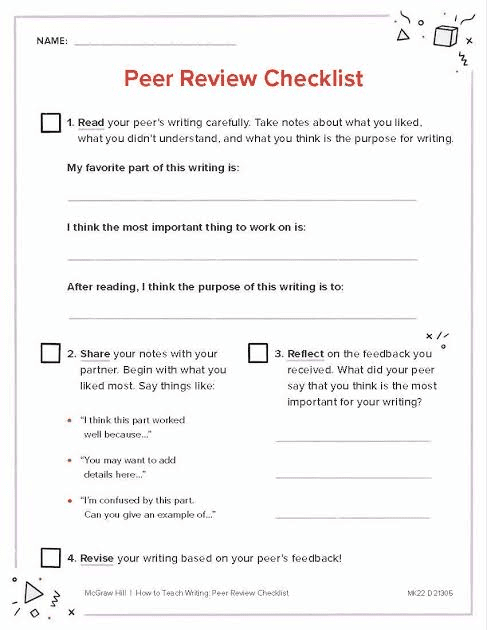
How to write a peer review as a student
By
Princeton Journal of Pre-Collegiate Research
Read more

Peer review etiquette: tone, structure, fairness
By
Princeton Journal of Pre-Collegiate Research
Read more

Version control for research documents
By
Princeton Journal of Pre-Collegiate Research
Read more

Digital vs paper lab notebooks for students
By
Princeton Journal of Pre-Collegiate Research
Read more

Data management basics for student researchers
By
Princeton Journal of Pre-Collegiate Research
Read more
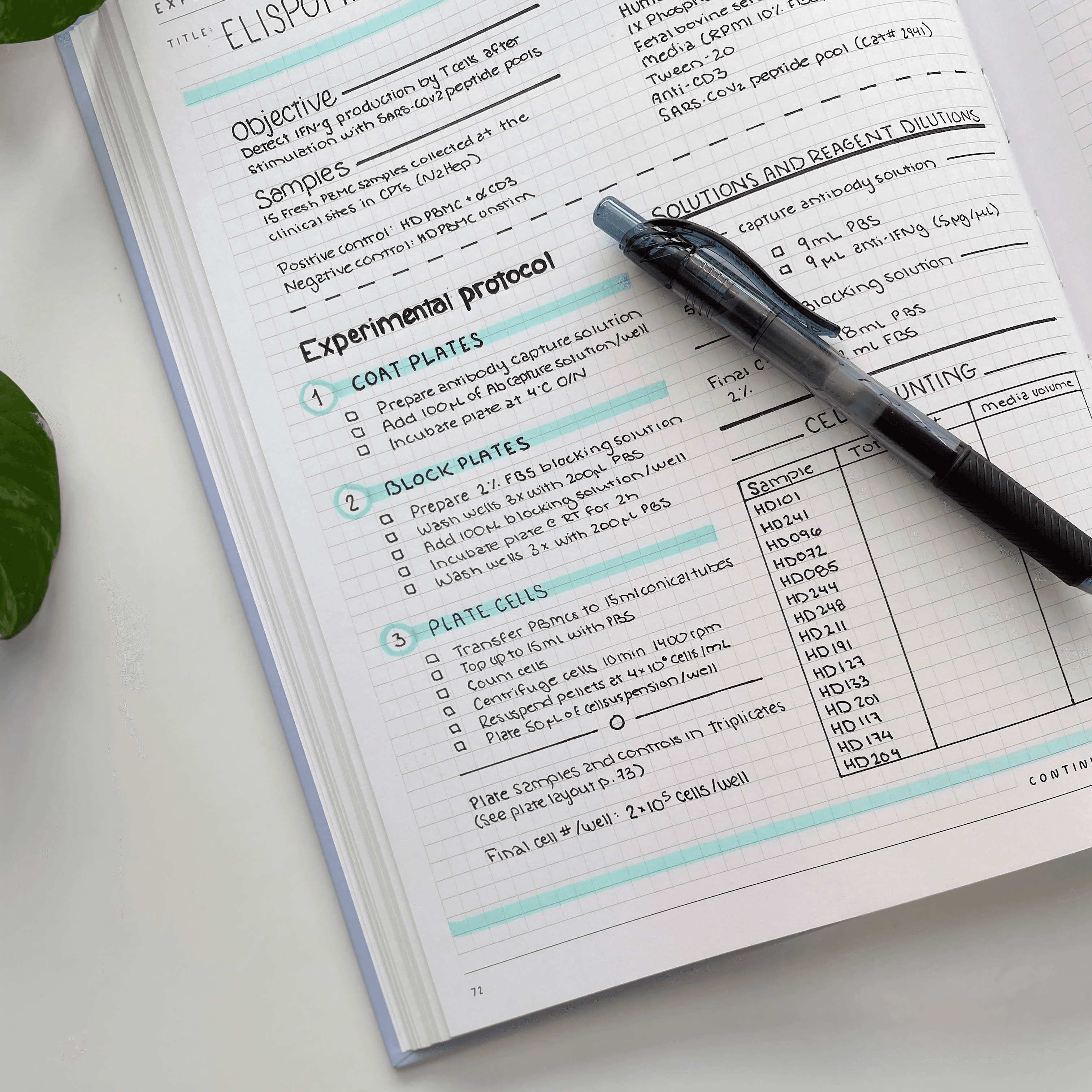
How to keep a lab notebook that reviewers trust
By
Princeton Journal of Pre-Collegiate Research
Read more

How to organize research files across a year-long project
By
Princeton Journal of Pre-Collegiate Research
Read more

How to document your data so you can defend it
By
Princeton Journal of Pre-Collegiate Research
Read more

How to write a grant proposal as a student
By
Princeton Journal of Pre-Collegiate Research
Read more
Free resources that replace research funding
By
Princeton Journal of Pre-Collegiate Research
Read more
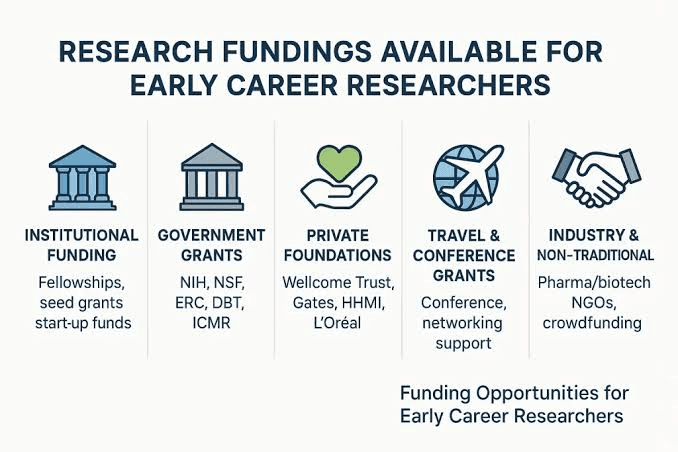
Corporate and nonprofit programs that fund student research
By
Princeton Journal of Pre-Collegiate Research
Read more

Science fair grants and material stipends explained
By
Princeton Journal of Pre-Collegiate Research
Read more

Crowdfunding a student research project: does it work
By
Princeton Journal of Pre-Collegiate Research
Read more

How much does a research project actually cost
By
Princeton Journal of Pre-Collegiate Research
Read more

How to ask your school to fund your project
By
Princeton Journal of Pre-Collegiate Research
Read more

Grants for high school research projects: what exists
By
Princeton Journal of Pre-Collegiate Research
Read more

How to start a research club at your school
By
Princeton Journal of Pre-Collegiate Research
Read more