What happens if a published paper is later found to have errors
Princeton Journal of Pre-Collegiate Research

Errors in published research are more common than most people admit, and knowing what happens next matters whether you are a reader, a researcher, or a first-time author. What happens if a published paper is later found to have errors is a question that shapes how science corrects itself, how authors protect their credibility, and how the academic record stays trustworthy over time.
The Academic Record Is Not Frozen
A common misconception is that publication is the final word. It is not. Academic publishing has built-in mechanisms specifically designed to handle post-publication problems. These mechanisms exist because no peer review process, however rigorous, catches everything. Errors surface after publication all the time, and the system is designed to respond.
The response depends on the nature of the error. A minor calculation mistake that does not change the conclusions is handled very differently from a fundamental flaw that invalidates the central findings. Understanding that spectrum is the first step toward understanding how journals actually operate.
Types of Errors That Surface After Publication
Not all errors carry equal weight. Journals and editors categorize post-publication problems into distinct types, and the corrective action follows from that categorization.
Typographical or formatting errors: Misprints, incorrect figure labels, or formatting inconsistencies that do not affect the research conclusions.
Data transcription errors: Mistakes in how data was recorded or reported, which may or may not change the interpretation of results.
Methodological errors: Flaws in the research design or analytical approach that could undermine the validity of the findings.
Ethical violations: Fabricated data, plagiarism, or undisclosed conflicts of interest that call the entire paper into question.
Honest mistakes in interpretation: Conclusions that were drawn in good faith but that subsequent research or re-analysis has shown to be incorrect.
Each category triggers a different institutional response. Minor errors may require nothing more than a brief correction notice. Serious methodological or ethical problems can result in full retraction.
Corrections: The First Line of Response
When a published paper is later found to have errors that are minor and do not invalidate the findings, the standard response is a correction notice (sometimes called an erratum or corrigendum, depending on who introduced the error). The journal publishes the correction alongside the original paper, and both are linked in the database record.
This process is transparent by design. Anyone who finds the original paper will also find the correction. The paper remains in the literature, the authors retain credit for their work, and the record is updated. Corrections are not shameful. They are the system working as intended.
For student researchers publishing for the first time, this is an important reassurance. A corrected paper is not a failed paper. It is a paper that went through the process honestly.
Expressions of Concern
When an editor or editorial board becomes aware of a potential problem but does not yet have enough information to determine its severity, many journals issue an expression of concern. This is a formal notice that alerts readers to the fact that the paper is under review for a possible issue.
Expressions of concern are used when an investigation is ongoing, when a dispute between authors cannot be resolved quickly, or when the journal is waiting on an institutional inquiry. They are essentially a placeholder that maintains transparency without prematurely judging the outcome. The paper remains accessible, but readers are informed that something is being examined.
What Happens If a Published Paper Is Later Found to Have Errors Serious Enough to Retract
Retraction is the most serious outcome, and it is reserved for papers where the errors or violations are significant enough that the findings can no longer be trusted. What happens if a published paper is later found to have errors of this magnitude is that the journal issues a formal retraction notice, which is published and indexed alongside the original paper.
A retracted paper is not deleted from the database. It remains accessible, clearly marked as retracted, so that researchers who previously cited it can see the status change. The DOI still resolves. The paper still exists in the record, but its status is permanently altered. This is intentional. Removing a paper entirely would make it harder to track citations and correct the downstream literature that may have relied on it.
Retraction Watch, an independent organization that monitors retractions across academic publishing, maintains a public database of retracted papers. A retraction is a matter of permanent public record (which is exactly why the integrity of the original submission matters so much).
Who Discovers the Errors
Errors are discovered through several different channels, and the source of the discovery often influences how the process unfolds.
The authors themselves: Researchers who discover their own errors are expected to contact the journal immediately and request a correction. Self-reported errors are handled more favorably than errors uncovered by others.
Other researchers: Peer scrutiny does not stop at publication. Scientists who attempt to replicate findings or build on prior work often discover problems in the original research.
Post-publication peer review: Platforms dedicated to open scientific critique allow the broader community to flag concerns about published work.
Editors and reviewers: Occasionally, a reviewer or editor notices something after the paper has gone to press.
Institutional investigations: Universities and research institutions sometimes investigate misconduct that leads back to specific publications.
The discovery pathway matters because it shapes the institutional response and, in cases involving misconduct, the consequences for the authors involved.
Consequences for Authors
The consequences for authors depend heavily on whether the error was honest or intentional. Honest mistakes, properly disclosed and corrected, rarely result in lasting damage to a researcher's reputation. The academic community understands that errors happen. What it does not forgive is concealment.
Authors who fabricate data, commit plagiarism, or knowingly publish false results face consequences that extend well beyond a retraction notice. These can include loss of funding, institutional sanctions, and in some cases, termination of academic positions. The retraction itself becomes a permanent marker in that researcher's publication history.
For student researchers, the lesson is straightforward. Accuracy and transparency are not optional. If you discover an error in your own work after submission or publication, the correct action is to report it immediately. Attempting to hide a mistake creates a far larger problem than the mistake itself.
How Journals Protect the Integrity of the Record
Journals with serious peer review processes invest significantly in protecting the integrity of the academic record. This includes pre-publication screening for plagiarism, statistical review, and double-blind peer review that evaluates the methodology before the paper is accepted. These measures reduce the likelihood of errors reaching publication in the first place.
At PJPCR (not affiliated with Princeton University), every submission goes through rigorous double-blind peer review. Reviewers evaluate the research on its merits without knowing who wrote it. This process is designed to catch methodological weaknesses, logical inconsistencies, and unsupported claims before they become part of the published record. You can read more about what happens after you submit your research paper to understand exactly how that review process works from the inside.
Pre-publication rigor is the most effective defense against post-publication problems. A paper that has been genuinely stress-tested by qualified reviewers is far less likely to contain errors that later require correction or retraction.
The Role of DOIs in Error Tracking
Every paper published with a DOI (Digital Object Identifier) carries a permanent, unique address in the academic record. That address does not disappear when a correction or retraction is issued. Instead, the DOI record is updated to reflect the new status, and the correction or retraction notice is linked directly to the original paper.
This is why DOIs matter beyond simple discoverability. They create an auditable trail. When a paper is corrected, the correction is attached to the same permanent identifier. Anyone who cites the original paper and later checks the DOI will see the updated record. The system is designed to propagate corrections forward through the literature (not to bury them).
What This Means for High School Researchers
If you are a high school student preparing to publish original research, understanding what happens if a published paper is later found to have errors is part of understanding what publication actually means. A DOI is a permanent credential. It also carries permanent accountability.
This is not a reason to avoid publishing. It is a reason to publish carefully. The rigor you apply to your methodology, your citations, and your data reporting directly determines the long-term integrity of your published record. A paper that was written honestly and reviewed seriously is a paper you can stand behind for years.
Many student researchers wonder whether publication has real value in competitive academic environments. The answer is yes, but the value is tied to the integrity of the process. You can explore that question in depth through our post on whether a published research paper is worth it for college admissions. The short answer is that a credible publication from a rigorous journal carries weight precisely because it is hard to fake.
Once your paper is published, you will also want to know how to represent it accurately in applications and academic profiles. Our guide on how to list published papers on a high school resume covers the specifics of doing that correctly.
The Broader Picture: Science Corrects Itself
The existence of corrections and retractions is not a sign that academic publishing is broken. It is a sign that it is working. A field that never corrects itself is a field that cannot be trusted. The mechanisms for post-publication review, correction, and retraction are what separate genuine scholarship from static claims that cannot be challenged.
High school researchers who engage seriously with this process, who submit work that has been genuinely interrogated and honestly reported, are joining a tradition of self-correcting inquiry. That tradition is the foundation of every credible discipline, from environmental science to economics to materials engineering. Published papers in our journal, ranging from composite materials research in geotechnical engineering to analysis of digital payment adoption in India, represent student researchers who took that responsibility seriously.
Conclusion: Integrity Is the Foundation
What happens if a published paper is later found to have errors depends entirely on the nature of those errors and the honesty of the response. Minor errors are corrected and the paper continues to stand. Serious errors, especially those involving misconduct, result in retraction and lasting consequences. The academic record is designed to be accurate, not perfect, and the correction mechanisms exist to maintain that accuracy over time.
For student researchers, the takeaway is clear. Publish work you can defend. Report errors you discover. Engage with the process honestly. The permanent nature of publication is what makes it valuable, and that permanence cuts both ways. A paper that was written with integrity will remain a credential you are proud of long after the submission deadline has passed.
If you are ready to submit original research to a journal that takes peer review seriously, PJPCR is built for exactly that. And if you want to understand more about how publication intersects with admissions outcomes, read our analysis on whether a published paper helps with college admissions. The process is rigorous. The credential is real. The standard is yours to meet.
Read More

Can high school students be peer reviewers
By
Princeton Journal of Pre-Collegiate Research
Read more

What reviewing other papers teaches you about your own
By
Princeton Journal of Pre-Collegiate Research
Read more
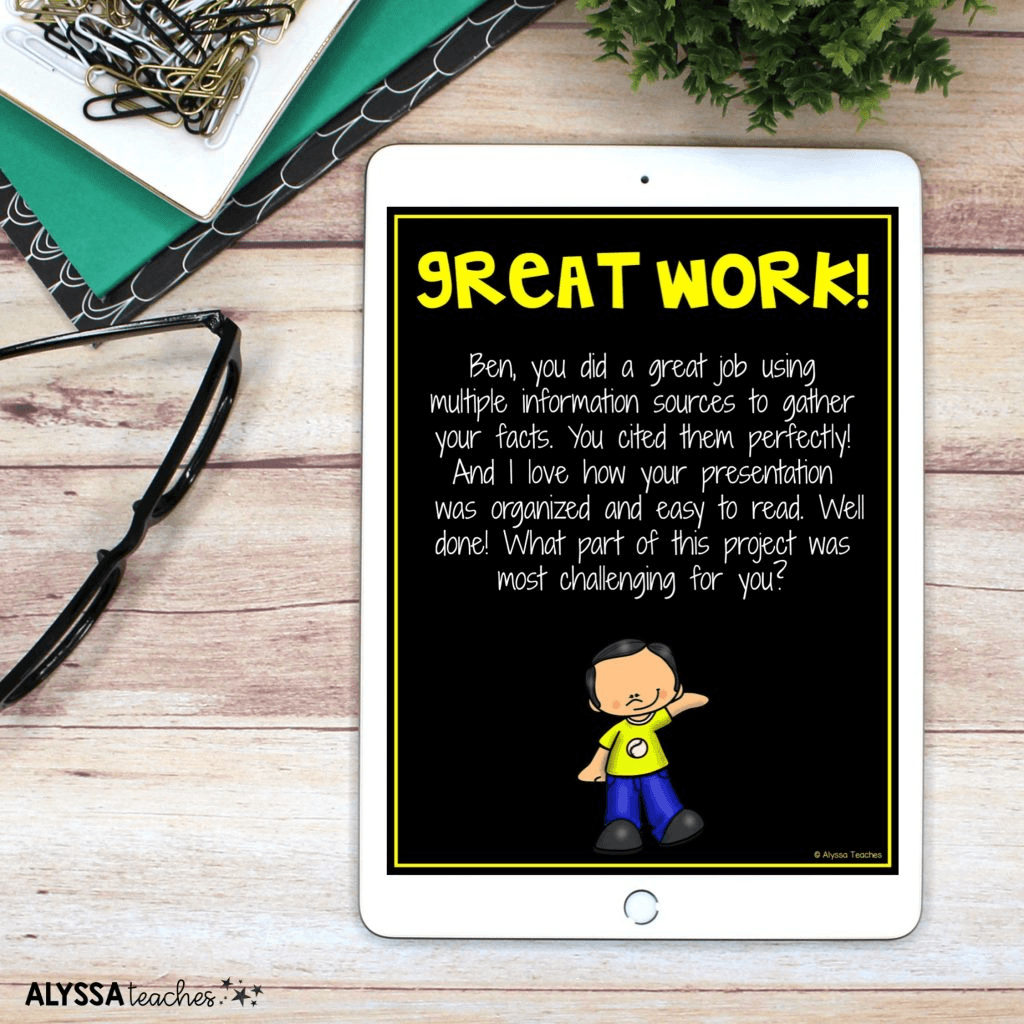
How to give useful feedback on a classmate's paper
By
Princeton Journal of Pre-Collegiate Research
Read more

Student editorial boards: how they work
By
Princeton Journal of Pre-Collegiate Research
Read more
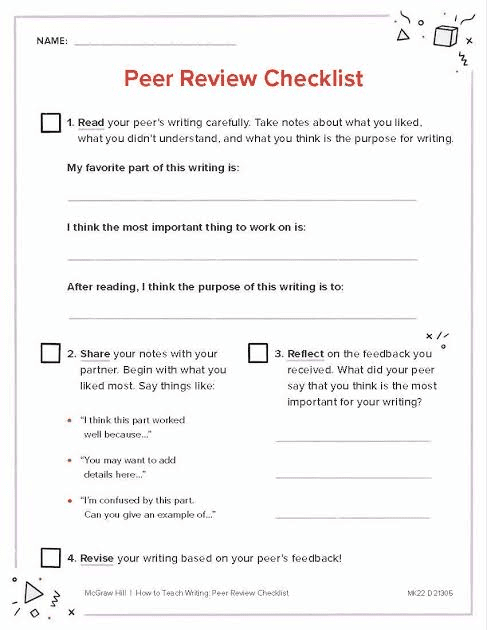
How to write a peer review as a student
By
Princeton Journal of Pre-Collegiate Research
Read more

Peer review etiquette: tone, structure, fairness
By
Princeton Journal of Pre-Collegiate Research
Read more

Version control for research documents
By
Princeton Journal of Pre-Collegiate Research
Read more

Digital vs paper lab notebooks for students
By
Princeton Journal of Pre-Collegiate Research
Read more

Data management basics for student researchers
By
Princeton Journal of Pre-Collegiate Research
Read more

How to keep a lab notebook that reviewers trust
By
Princeton Journal of Pre-Collegiate Research
Read more

How to organize research files across a year-long project
By
Princeton Journal of Pre-Collegiate Research
Read more

How to document your data so you can defend it
By
Princeton Journal of Pre-Collegiate Research
Read more
How to write a grant proposal as a student
By
Princeton Journal of Pre-Collegiate Research
Read more

Free resources that replace research funding
By
Princeton Journal of Pre-Collegiate Research
Read more
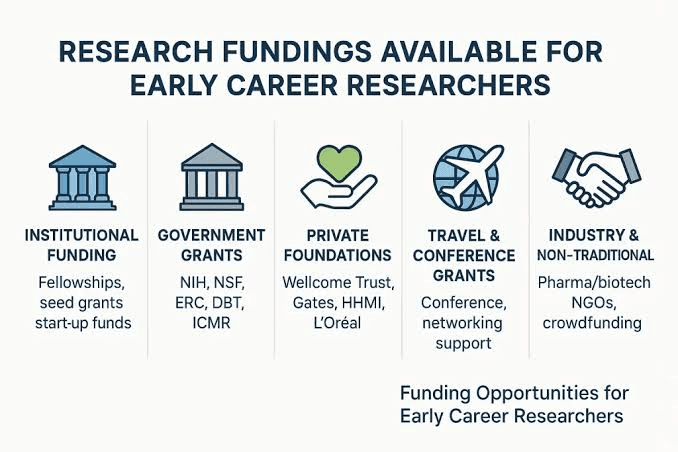
Corporate and nonprofit programs that fund student research
By
Princeton Journal of Pre-Collegiate Research
Read more

Science fair grants and material stipends explained
By
Princeton Journal of Pre-Collegiate Research
Read more

Crowdfunding a student research project: does it work
By
Princeton Journal of Pre-Collegiate Research
Read more

How much does a research project actually cost
By
Princeton Journal of Pre-Collegiate Research
Read more
How to ask your school to fund your project
By
Princeton Journal of Pre-Collegiate Research
Read more

Grants for high school research projects: what exists
By
Princeton Journal of Pre-Collegiate Research
Read more

How to start a research club at your school
By
Princeton Journal of Pre-Collegiate Research
Read more