How to balance research with AP classes and extracurriculars
Princeton Journal of Pre-Collegiate Research

You are already stretched thin. AP coursework demands hours of deep reading, extracurriculars pull you in three directions at once, and somewhere in that schedule you are trying to conduct original research. This is not impossible. Thousands of high school students publish peer-reviewed work every year without sacrificing grades or burning out. The difference is strategy, not superhuman capacity.
This guide breaks down exactly how to balance research with AP classes and extracurriculars in a way that is sustainable, productive, and genuinely rewarding. No vague advice about time management. Concrete systems that work.
Why the Overwhelm Happens (and Why It Does Not Have To)
Most students approach research as a separate, additive obligation sitting on top of everything else. That framing is the problem. Research is not a fifth commitment competing with your other four. It is a skill-building practice that overlaps with and strengthens everything you are already doing.
Your AP Biology lab report sharpens the same analytical muscles you use in a research methodology section. Your debate preparation trains the argumentative precision required in academic writing. Your economics class introduces the quantitative frameworks that underpin data-driven research. Once you see these connections, the mental load shrinks considerably.
The students who struggle are those who treat research as an isolated project. The students who thrive are those who integrate it into their existing intellectual life.
Start With an Honest Audit of Your Time
Before you add research to your schedule, map what already lives there. Track a typical week in fifteen-minute blocks for one full week. Most students discover two things: they have more discretionary time than they assumed, and that time is being spent in fragmented, low-productivity ways.
You do not need twenty hours a week to conduct meaningful research. Many published student papers were built on four to six focused hours per week sustained over several months. Consistency beats intensity every time (a single all-nighter produces nothing publishable).
Once you have your audit, identify two or three recurring time blocks that are genuinely protected. Early mornings before school, weekend afternoons, or the hour after a lighter class day are common candidates. These become your research hours. Guard them with the same seriousness you give AP exam prep.
Choose a Research Topic That Connects to What You Already Know
One of the fastest ways to reduce the burden of balancing research with AP classes and extracurriculars is to choose a topic that intersects with coursework you are already completing. If you are taking AP Environmental Science, a research question about local ecological data is not extra work. It is an extension of material you are already processing.
This approach has a second advantage. Your AP teachers become informal resources. They can point you toward credible sources, help you evaluate your methodology, and sometimes serve as faculty advisors. That is mentorship you did not have to seek externally.
If you are unsure how to identify a strong research question, start with a gap. What does your AP textbook treat as settled that you suspect is more complicated? What local or community-level phenomenon does your coursework describe in abstract terms? The best student research often emerges from that tension between textbook simplicity and real-world complexity. For more structured guidance, read How To Come Up With A Research Question High School.
Build a Realistic Research Timeline
Vague intentions do not survive contact with AP exam season. A written timeline does. Break your research project into discrete phases and assign each phase a deadline that accounts for your academic calendar.
A workable structure for most student research projects looks like this:
Weeks 1-3: Literature review and research question refinement
Weeks 4-6: Methodology design and data collection planning
Weeks 7-12: Data collection or primary analysis
Weeks 13-15: Writing the first draft
Weeks 16-18: Revision, formatting, and submission preparation
Mark your AP exam dates on this timeline before you finalize it. Build in two-week buffers before major exams where research output expectations drop significantly. This is not procrastination. It is intelligent scheduling that prevents the project from collapsing under academic pressure.
If your research involves secondary sources rather than original experiments, the timeline compresses considerably. How To Do Secondary Research Without Original Experiments walks through exactly how to structure that kind of project efficiently.
How to Balance Research With AP Classes and Extracurriculars During Peak Periods
Peak periods are when balance breaks down. AP exam season in April and May, midterms, major athletic competitions, and performance seasons all create compression. The students who maintain research momentum through these periods share one habit: they define a minimum viable research output for each week.
A minimum viable output is the smallest amount of research work that still moves the project forward. During exam season, that might be thirty minutes of reading one relevant paper and annotating it. During a normal week, it might be two hours of writing. The point is never to let a week pass with zero research activity. Momentum is easier to maintain than to rebuild from zero.
Extracurriculars present a different challenge. The solution is not to drop activities. Selective pausing is more effective. Identify which extracurriculars have natural low-intensity periods and align your heaviest research sprints with those windows. A student athlete, for example, has significantly more discretionary time in the off-season. A theater student has a clear post-production lull. Plan accordingly.
Use Your Extracurriculars as Research Amplifiers
The most effective student researchers do not separate their extracurricular identities from their research identities. They use them as amplifiers. A student who leads the school environmental club and conducts research on local water quality is not doing two separate things. They are building a coherent intellectual and civic identity that becomes extraordinarily compelling in applications.
This integration also generates research opportunities that would not exist otherwise. Club leadership often means access to community partners, local organizations, and real datasets. Athletic participation produces firsthand knowledge of sports science, psychology, and physiology. Debate experience sharpens the argumentation skills that make research papers persuasive.
For a deeper look at how extracurriculars and research reinforce each other strategically, read Extracurriculars That Combine Well With Research College. The overlap is more deliberate than most students realize.
Write in Shorter, More Frequent Sessions
Students who wait for a free Saturday to write their entire paper almost never finish. Academic writing does not work that way. It requires iteration, not marathon sessions. Thirty minutes of focused writing five days a week produces more coherent work than a single three-hour block on the weekend.
The reason is cognitive. Short sessions allow ideas to develop between writing periods. You return with fresh perspective. Problems that seemed intractable at 11pm on Thursday resolve themselves by Friday morning. The paper improves in ways that sustained single-session writing cannot replicate.
Apply this principle to every stage of the writing process. Draft your thesis in one session. Outline your argument structure in another. Write one section at a time. The paper accumulates without overwhelming your schedule. For guidance on building the structural foundation of your argument before you start drafting, see How To Structure An Argument In A Research Paper.
Protect Your Writing Quality Under Time Pressure
When schedules compress, writing quality is usually the first casualty. Students rush, produce unclear prose, and submit work that undermines the research itself. This is avoidable with a few disciplined habits.
First, write your thesis statement before you write anything else (not after). A clear thesis organizes every paragraph that follows and prevents the rambling that consumes revision time. For a structured approach to this, read How To Write A Strong Thesis Statement Research Paper.
Second, prioritize clarity over complexity. Academic writing does not require ornate sentences. It requires precise ones. Short, declarative constructions communicate more effectively than elaborate constructions that obscure your actual argument. How To Write Clearly And Concisely In Academic Research provides practical techniques for achieving this under time pressure.
Third, build a revision pass specifically for citations and academic integrity. When students are rushed, citation errors and unintentional plagiarism increase. A dedicated pass for this purpose, separate from content revision, catches problems before they become disqualifying. See How To Avoid Plagiarism In A High School Research Paper for a complete checklist.
Know When to Ask for Help
Independent research does not mean isolated research. The most productive student researchers know exactly when to ask for guidance and who to ask. AP teachers, school librarians, university outreach programs, and online academic communities are all legitimate resources. Using them is not a sign of weakness. It is efficient research practice.
If you do not have access to a faculty mentor or laboratory, that is not a barrier to publication. Many disciplines support rigorous research conducted entirely through secondary sources, publicly available datasets, and analytical frameworks that require no lab access at all. Journals That Accept High School Research Without Mentor documents exactly where and how to publish work produced independently.
The Longer-Term Payoff of Getting This Right
Learning how to balance research with AP classes and extracurriculars is not just a scheduling exercise. It is preparation for every demanding environment you will encounter in college and beyond. The student who can manage a research project alongside a full academic and extracurricular load has demonstrated something that a transcript alone cannot convey: sustained intellectual initiative under real constraints.
That demonstration matters in college admissions. It matters in scholarship applications. It matters when you arrive on a university campus and your peers are learning time management skills you already have. The research publication is the credential. The process of producing it is the education (and that part is yours permanently, regardless of what any admissions committee decides).
For a direct look at how published research affects scholarship outcomes, read How Research Helps With Scholarship Applications. The evidence is more concrete than most students expect.
How to Balance Research With AP Classes and Extracurriculars: The Core Principles
To summarize the approach this guide has outlined:
Integrate, do not add. Choose research topics that overlap with your coursework and activities.
Schedule with specificity. Assign research to named time blocks, not vague intentions.
Define minimum viable output. Keep momentum alive during peak periods with small, consistent effort.
Write in short, frequent sessions. Iteration produces better work than marathon drafting.
Use your extracurriculars. They are research amplifiers, not competitors for your time.
Protect quality under pressure. A dedicated revision pass for clarity and citations pays dividends.
Ask for help strategically. Independent research and isolated research are not the same thing.
These are not abstract principles. They are the operating habits of students who successfully publish original research while maintaining strong academic records and full extracurricular lives.
Ready to Publish Your Research?
Princeton JPCR (not affiliated with Princeton University) publishes original research by high school students across 50+ academic disciplines. Every submission receives rigorous double-blind peer review and a DOI upon acceptance. Your work becomes permanently findable, permanently citable, and permanently yours.
If you have a research project in progress or an idea you are ready to develop, the path to publication is more accessible than you think. Visit Princeton JPCR to review submission guidelines and take the next step. You have already done the hardest part: you started.
Read More

Can high school students be peer reviewers
By
Princeton Journal of Pre-Collegiate Research
Read more

What reviewing other papers teaches you about your own
By
Princeton Journal of Pre-Collegiate Research
Read more
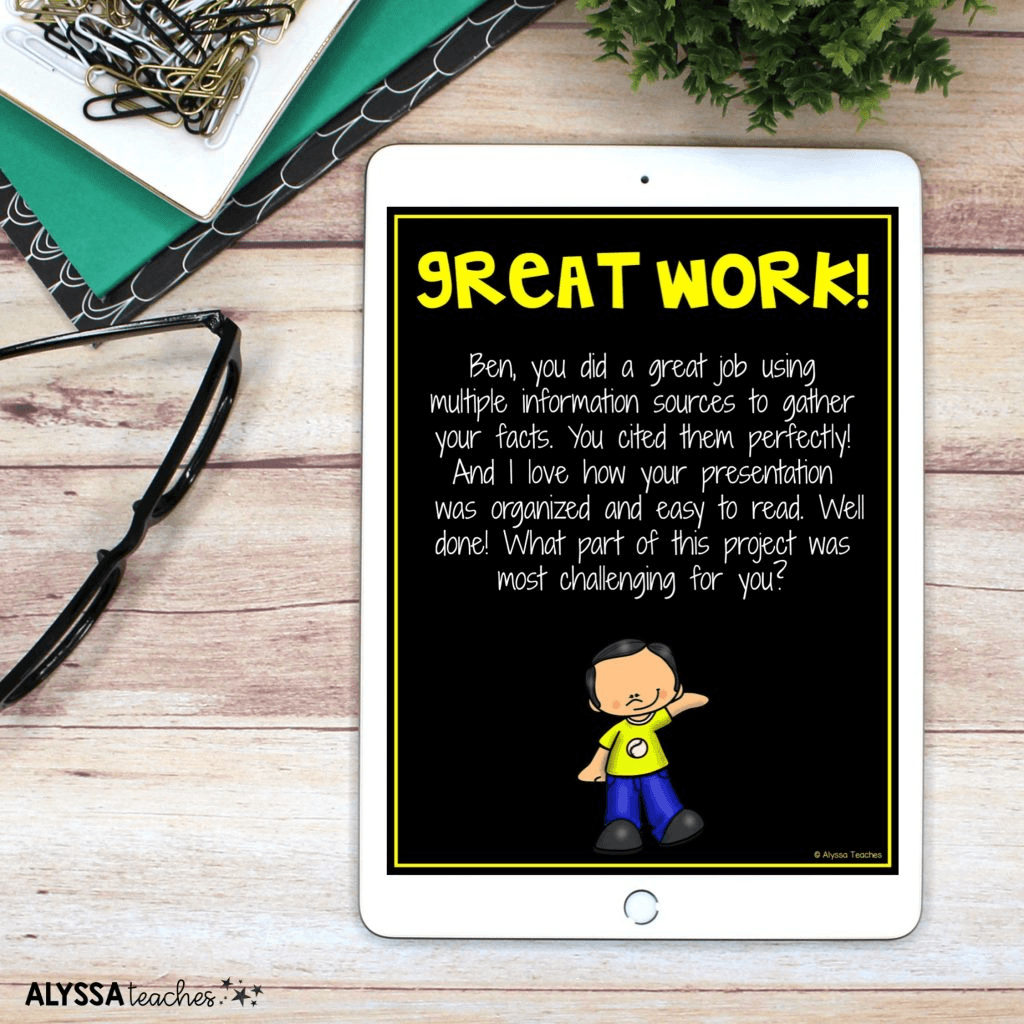
How to give useful feedback on a classmate's paper
By
Princeton Journal of Pre-Collegiate Research
Read more

Student editorial boards: how they work
By
Princeton Journal of Pre-Collegiate Research
Read more
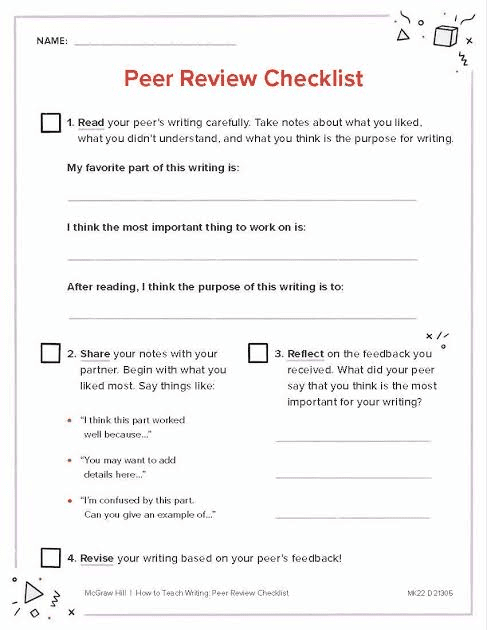
How to write a peer review as a student
By
Princeton Journal of Pre-Collegiate Research
Read more

Peer review etiquette: tone, structure, fairness
By
Princeton Journal of Pre-Collegiate Research
Read more

Version control for research documents
By
Princeton Journal of Pre-Collegiate Research
Read more

Digital vs paper lab notebooks for students
By
Princeton Journal of Pre-Collegiate Research
Read more

Data management basics for student researchers
By
Princeton Journal of Pre-Collegiate Research
Read more
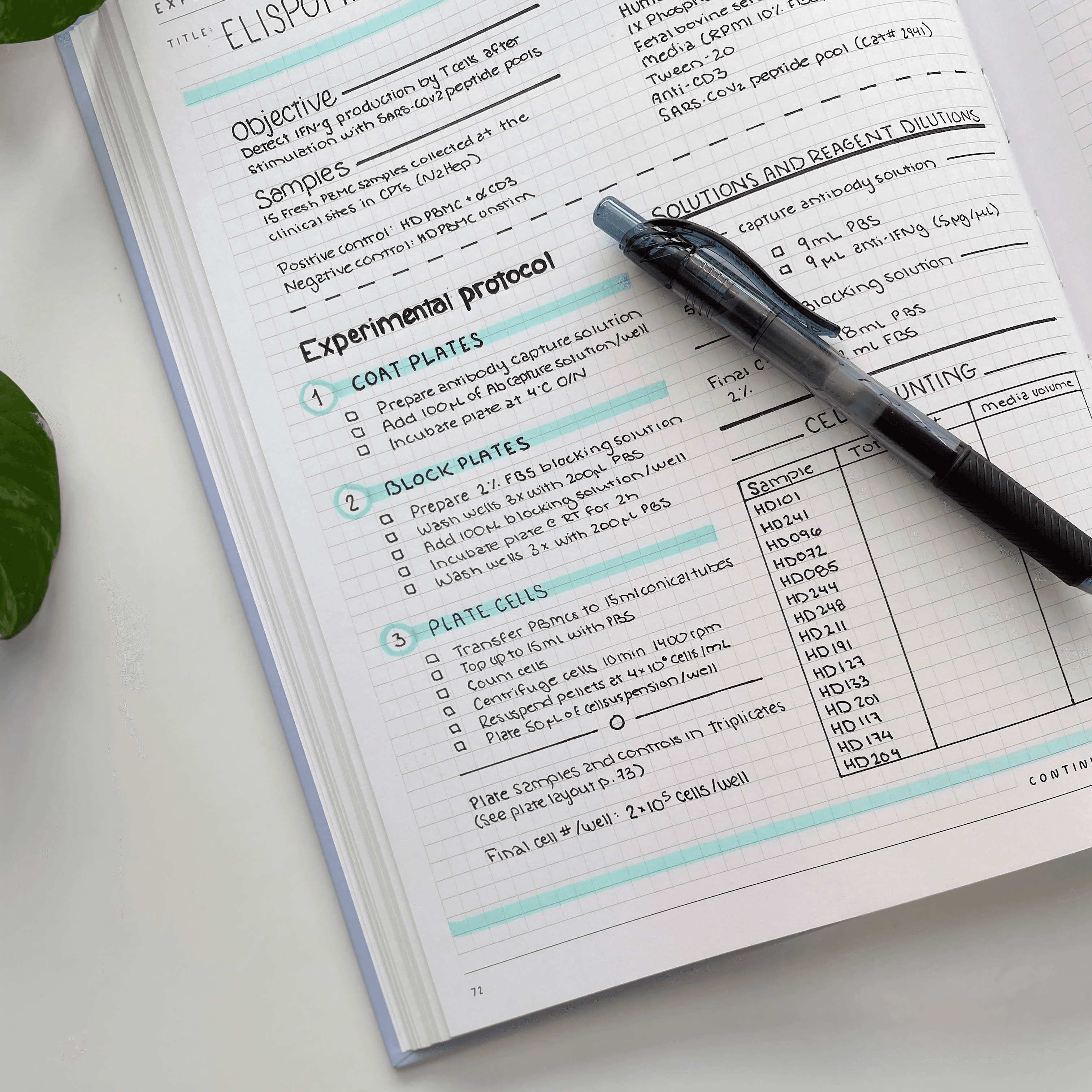
How to keep a lab notebook that reviewers trust
By
Princeton Journal of Pre-Collegiate Research
Read more

How to organize research files across a year-long project
By
Princeton Journal of Pre-Collegiate Research
Read more

How to document your data so you can defend it
By
Princeton Journal of Pre-Collegiate Research
Read more

How to write a grant proposal as a student
By
Princeton Journal of Pre-Collegiate Research
Read more
Free resources that replace research funding
By
Princeton Journal of Pre-Collegiate Research
Read more
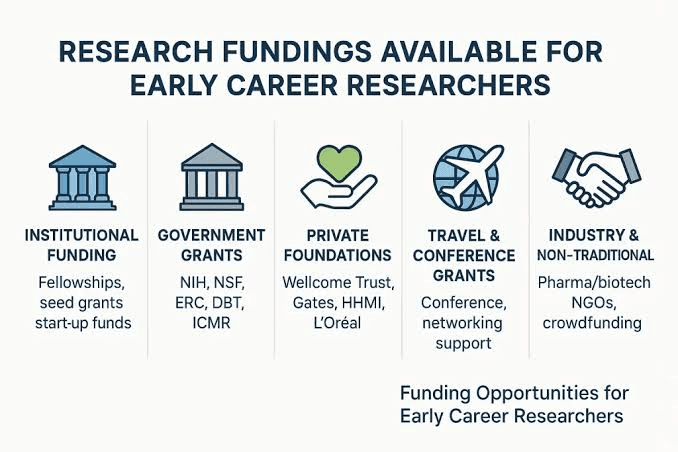
Corporate and nonprofit programs that fund student research
By
Princeton Journal of Pre-Collegiate Research
Read more

Science fair grants and material stipends explained
By
Princeton Journal of Pre-Collegiate Research
Read more

Crowdfunding a student research project: does it work
By
Princeton Journal of Pre-Collegiate Research
Read more

How much does a research project actually cost
By
Princeton Journal of Pre-Collegiate Research
Read more

How to ask your school to fund your project
By
Princeton Journal of Pre-Collegiate Research
Read more

Grants for high school research projects: what exists
By
Princeton Journal of Pre-Collegiate Research
Read more

How to start a research club at your school
By
Princeton Journal of Pre-Collegiate Research
Read more