What to do if you fall behind on your research timeline
Princeton Journal of Pre-Collegiate Research

Falling behind on your research timeline does not mean your project is over. It means you need a plan, and you need it now.
Every serious researcher, at every level, has faced the moment where the calendar says one thing and the work says another. The difference between researchers who finish and those who abandon is not talent. It is how they respond when the schedule breaks down. If you are asking what to do if you fall behind on your research timeline, you are already asking the right question.
Understand Why You Fell Behind Before You Fix Anything
Jumping straight into recovery mode without diagnosing the problem is a mistake. You will repeat the same pattern within two weeks. Before you reschedule a single deadline, spend thirty minutes being honest about what actually happened.
Did your research question turn out to be broader than you expected? Did data collection take longer than planned? Did school obligations compress your available hours? Or did you underestimate how long the literature review would take (most first-time researchers do)? The cause shapes the solution. A timeline that collapsed because of scope creep requires a different fix than one that collapsed because of poor time blocking.
Write down the cause in one sentence. That sentence becomes the constraint you are designing around.
Conduct an Honest Audit of Where You Actually Stand
Pull out your original timeline and mark every milestone as complete, partially complete, or untouched. Do not estimate. Look at what exists: drafted sections, collected data, annotated sources, completed analyses. What you have in front of you is your real starting point, not the one you planned.
This audit will likely reveal two things. First, you are probably further along than you feel. Anxiety about falling behind tends to make progress feel invisible. Second, there is almost always one specific bottleneck, one section or task, that is holding everything else back. Identify it. That bottleneck is where your first recovery effort goes.
If you are unsure how to evaluate the quality of what you have already produced, read through our guide on How To Edit Your Own Research Paper Before Submission to benchmark your drafts against submission-ready standards.
Rebuild Your Timeline From Today, Not From the Original Start Date
The original timeline is no longer useful as a schedule. It is only useful as a reference for what remains. Stop measuring how far behind you are from the original plan. Start measuring how many days you have until your real deadline and what must happen inside that window.
List every remaining task. Assign each one a realistic duration based on what you now know, not what you hoped when you started. Stack those tasks against your available hours. If the math does not work, something has to change: the scope, the deadline, or the depth of certain sections. That is a real decision, and you need to make it explicitly rather than hoping the calendar will somehow cooperate.
Build in buffer time. If a task should take three days, schedule four. Researchers who leave no margin fall behind again within the first week of their recovery plan.
What to Do If You Fall Behind on Your Research Timeline and the Deadline Is Fixed
Some deadlines are immovable. A journal submission window, a science fair cutoff, a class requirement with a set date. When the deadline cannot move, the scope must. This is not failure. This is how professional researchers operate under real constraints.
Identify the core argument or finding that your research must deliver. Everything else is secondary. A tightly argued paper that answers one focused question clearly is stronger than an ambitious paper that answers three questions poorly. Narrow your scope to what you can execute with rigor in the time remaining. Cut the sections that would require more time than you have. Document what you are cutting and why, because that becomes the basis for future research directions you can name in your conclusion.
If you are still in the early stages of defining your project, understanding What Is A Research Gap And How Do You Find One can help you refocus your question to something more achievable within your remaining window.
Protect Your Remaining Time Ruthlessly
Once you have a rebuilt timeline, every hour you committed to research must actually be research. This sounds obvious. It is not easy. The same habits that contributed to the original delay, checking notifications, letting a thirty-minute session stretch into distraction, agreeing to obligations that compress your schedule, will reassert themselves immediately.
Treat your research sessions as fixed appointments. Block them in your calendar. Tell the people around you those hours are unavailable. Work in locations where the work actually happens for you, not where it feels like it should happen. If you know a two-hour block in the library produces more than a four-hour block at home, schedule the library. You do not have time to optimize for comfort right now.
For practical strategies on fitting research into an already full schedule, our guide on How To Plan A Research Project Around Your School Schedule offers a framework built specifically for high school researchers managing competing demands.
Address the Emotional Weight, Then Set It Aside
Falling behind creates a specific kind of stress that compounds itself. You feel behind, so you avoid the work, so you fall further behind, so the avoidance deepens. Recognizing this cycle does not eliminate it, but naming it interrupts it.
Give yourself a defined period, fifteen minutes, to acknowledge that the situation is frustrating. Then close that window and open the work. Sustained guilt about being behind is not productive and it is not the same as accountability. Accountability means showing up to the rebuilt timeline tomorrow and the day after, regardless of how far behind the original plan you are.
Research at the high school level is genuinely hard. The students who complete it are not the ones who never struggled. They are the ones who kept working after the struggle started.
Communicate With Anyone Who Needs to Know
If you have a faculty mentor, an advisor, or a teacher overseeing your project, do not go silent when you fall behind. Silence is interpreted as abandonment. A direct, honest update is interpreted as maturity. Tell them where you are, what caused the delay, and what your revised plan is. Most mentors respond to that kind of communication with support, not judgment.
If you are submitting to a journal and you are uncertain whether your timeline allows for a complete, rigorous submission, it is better to wait for the next submission window than to rush a paper that does not represent your best work. Peer reviewers can identify rushed analysis. A paper submitted before it is ready does not serve your goals.
Understanding What Happens After You Submit Your Research Paper can help you calibrate whether your work is genuinely ready for that process or whether another revision cycle is the right call.
Prevent the Next Timeline Collapse
Recovery is not just about finishing this project. It is about becoming the kind of researcher who finishes the next one without the same crisis. That requires extracting specific lessons from this experience while they are still fresh.
Ask yourself three questions once you have completed the project. Where did the original timeline underestimate the work? What external factors compressed your schedule that you could have anticipated? What would you build into the next timeline differently? Write the answers down. They are worth more than any template you could download.
The researchers who develop the strongest timelines are the ones who have recovered from a broken one. You are building that experience right now (it does not feel like an asset yet, but it is).
What to Do If You Fall Behind on Your Research Timeline and Consider Quitting
There is a version of this situation where the delay is severe enough, and the remaining deadline tight enough, that quitting feels rational. Before you make that decision, distinguish between two different things: abandoning a project because the timeline is unworkable, and abandoning a project because the discomfort of being behind feels unbearable.
The first is sometimes the right call. If the remaining time genuinely cannot produce work you stand behind, pausing and restarting with a better plan is legitimate. The second is almost never the right call. Discomfort is not a signal that the project is wrong. It is a signal that the project is real and demanding.
If you are weighing whether to continue, read what What Colleges Actually Think About High School Research says about the value of completed work. Completion matters more than most students realize, and the gap between a student who finished a difficult project and one who did not is visible to admissions readers.
The Standard Does Not Drop Because the Timeline Slipped
This is the part that separates recoverable delays from ones that produce weak work. When you fall behind, the temptation is to lower your standards to match the compressed timeline. Resist this. A rushed literature review that misses key sources, a data analysis section that skips over limitations, a conclusion that overstates findings because there was no time to qualify them: these are not shortcuts. They are problems that reviewers catch and that undermine the entire submission.
Narrow the scope if you must. Simplify the methodology if the original design was too ambitious. But do not produce work you know is incomplete and submit it anyway. The integrity of the work is the point (not just for publication, but for what you are building as a researcher).
Understanding concepts like What Is Research Bias And How To Control For It becomes especially important when you are working under pressure. Rushed work is more susceptible to bias, not less. Build the check into your recovery plan.
Move Forward From Where You Are
If you are asking what to do if you fall behind on your research timeline, the answer is structured and actionable: diagnose the cause, audit your real progress, rebuild the timeline from today, protect your remaining hours, and hold the standard of the work. None of these steps require that you were on schedule to begin with. They only require that you start now.
The researchers who publish are not the ones who never fell behind. They are the ones who recovered with a plan and finished anyway. PJPCR publishes original research by high school students across 50+ disciplines through rigorous double-blind peer review. When your work is ready, we are here. Explore our Blogs for more guidance on every stage of the research process, from first question to final submission.
Not affiliated with Princeton University.
Read More

Can high school students be peer reviewers
By
Princeton Journal of Pre-Collegiate Research
Read more

What reviewing other papers teaches you about your own
By
Princeton Journal of Pre-Collegiate Research
Read more
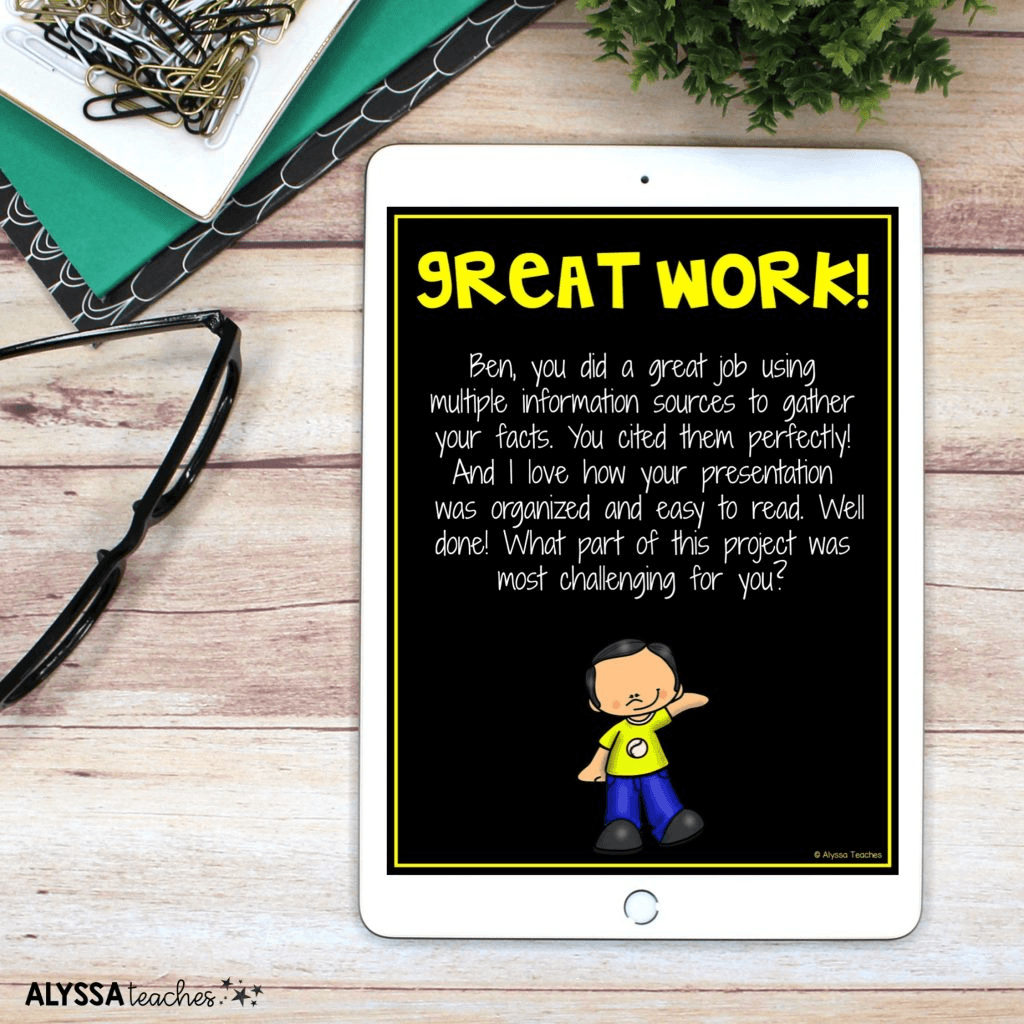
How to give useful feedback on a classmate's paper
By
Princeton Journal of Pre-Collegiate Research
Read more

Student editorial boards: how they work
By
Princeton Journal of Pre-Collegiate Research
Read more
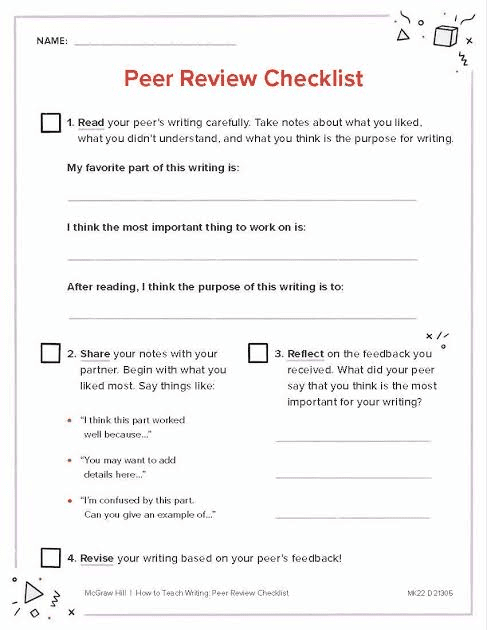
How to write a peer review as a student
By
Princeton Journal of Pre-Collegiate Research
Read more

Peer review etiquette: tone, structure, fairness
By
Princeton Journal of Pre-Collegiate Research
Read more

Version control for research documents
By
Princeton Journal of Pre-Collegiate Research
Read more

Digital vs paper lab notebooks for students
By
Princeton Journal of Pre-Collegiate Research
Read more

Data management basics for student researchers
By
Princeton Journal of Pre-Collegiate Research
Read more
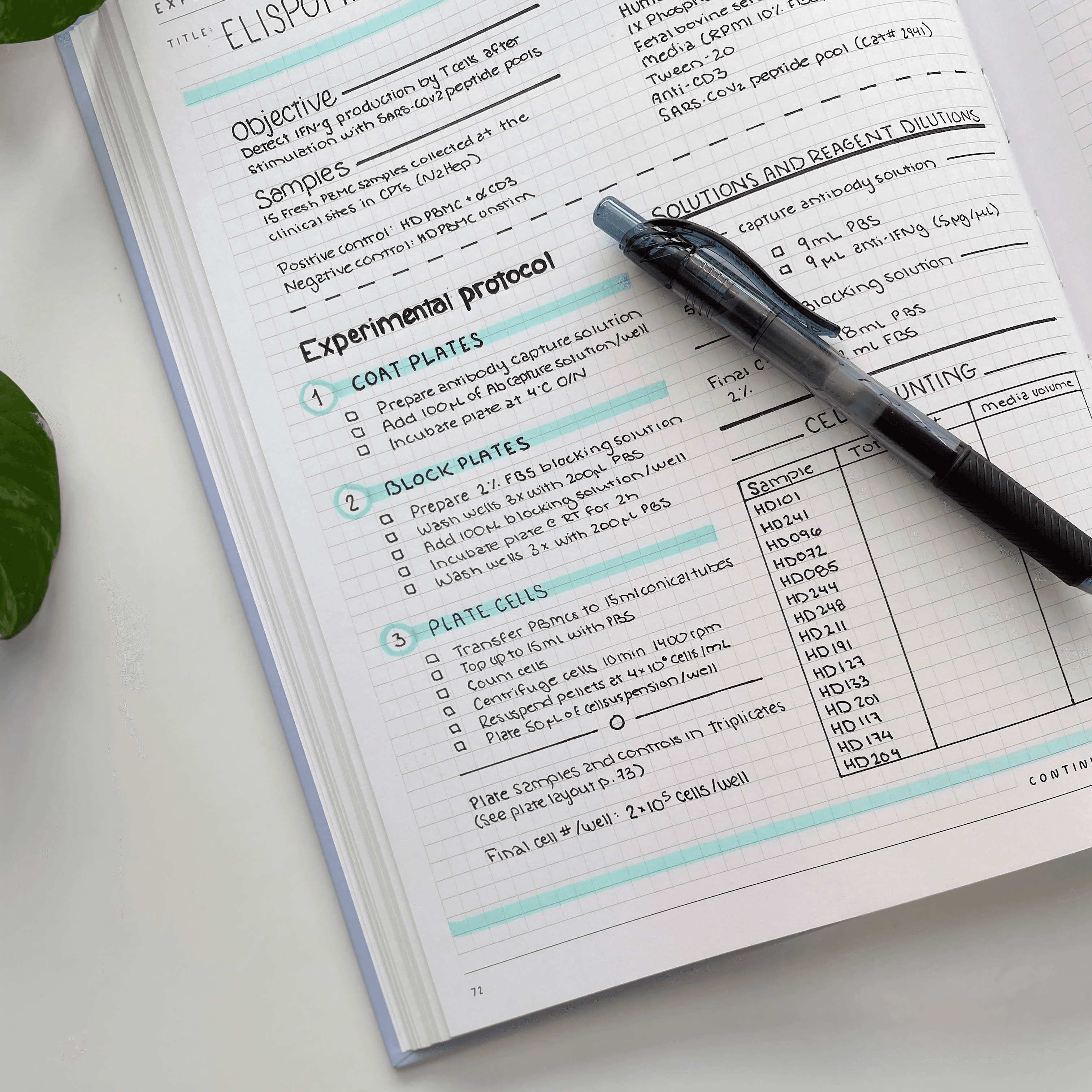
How to keep a lab notebook that reviewers trust
By
Princeton Journal of Pre-Collegiate Research
Read more

How to organize research files across a year-long project
By
Princeton Journal of Pre-Collegiate Research
Read more

How to document your data so you can defend it
By
Princeton Journal of Pre-Collegiate Research
Read more

How to write a grant proposal as a student
By
Princeton Journal of Pre-Collegiate Research
Read more
Free resources that replace research funding
By
Princeton Journal of Pre-Collegiate Research
Read more
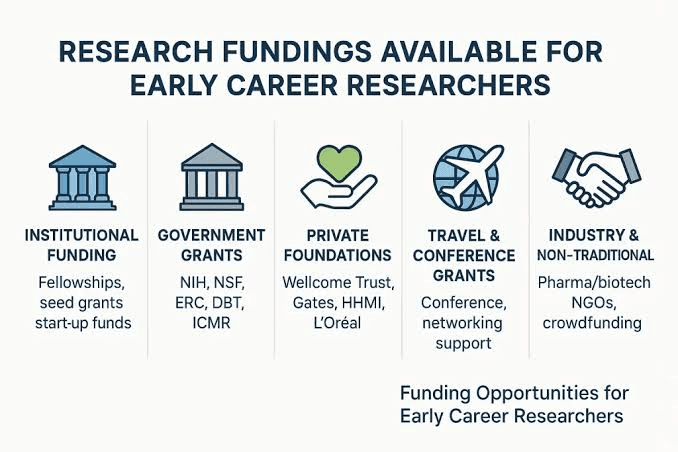
Corporate and nonprofit programs that fund student research
By
Princeton Journal of Pre-Collegiate Research
Read more

Science fair grants and material stipends explained
By
Princeton Journal of Pre-Collegiate Research
Read more

Crowdfunding a student research project: does it work
By
Princeton Journal of Pre-Collegiate Research
Read more

How much does a research project actually cost
By
Princeton Journal of Pre-Collegiate Research
Read more

How to ask your school to fund your project
By
Princeton Journal of Pre-Collegiate Research
Read more

Grants for high school research projects: what exists
By
Princeton Journal of Pre-Collegiate Research
Read more

How to start a research club at your school
By
Princeton Journal of Pre-Collegiate Research
Read more