Can you publish your EPQ (Extended Project Qualification) in a journal
Princeton Journal of Pre-Collegiate Research

You spent months on your EPQ. The research is solid, the argument is developed, and the final report is sitting on your desk. Now the question arrives: can you publish your EPQ (Extended Project Qualification) in a journal? The answer is yes, and more students are doing exactly that.
Publishing an EPQ is not a pipe dream reserved for university students or professional academics. Pre-collegiate journals exist specifically to evaluate and publish rigorous student research. If your EPQ meets the bar, it belongs in print (and in a permanent, indexed, citable record).
What Makes an EPQ Publishable?
The EPQ is already structured like a research project. You identify a question, review existing literature, gather or analyse evidence, and produce a written report of 5,000 words or more. That structure maps closely onto what academic journals expect from a submission.
Not every EPQ will cross the threshold, and that honesty matters. Journals that publish student research still apply peer review. Reviewers assess whether your argument is original, whether your methodology is sound, and whether your conclusions follow from your evidence. A well-executed EPQ clears those bars more often than students expect.
The distinguishing factor is usually depth. EPQs that go beyond summarising existing knowledge, that test a hypothesis, analyse primary data, or develop a genuinely new interpretive framework, are the ones that attract serious editorial attention.
Can You Publish Your EPQ (Extended Project Qualification) in a Journal Without Changing It?
Rarely, and that is not a criticism of your work. Academic journals have specific formatting requirements, citation standards, and structural conventions that differ from the EPQ mark scheme. Your report may be excellent as an EPQ but still need revision before it functions as a journal article.
The good news is that revision is part of the process (for everyone, at every level). Most journals that accept student submissions offer editorial feedback. That feedback is not rejection dressed up in polite language. It is a genuine guide to making your work stronger.
Common adjustments include tightening the abstract, reformatting citations to match the journal's preferred style, and sharpening the research question so it is stated explicitly in the introduction. These are technical changes, not fundamental rewrites. If your EPQ argument is strong, the substance survives the revision.
Formatting Your EPQ for Journal Submission
Most journals will provide author guidelines. Read them before you submit. Key elements to check include word count limits, referencing format (APA, MLA, Chicago, or Harvard), abstract length, and whether figures and tables need separate file uploads.
Your EPQ supervisor may have already pushed you toward a structured format. If so, you are ahead. If your report reads more like an extended essay than a research article, the main structural task is separating your literature review, methodology, findings, and discussion into clearly labelled sections.
Which Journals Accept EPQ-Level Research?
This is where students often lose time. Not every academic journal accepts pre-collegiate submissions. Most university and professional journals require authors to hold institutional affiliations. Submitting a high school EPQ to a standard academic journal will almost always result in immediate rejection on eligibility grounds alone.
The right category is pre-collegiate or high school research journals. These are peer-reviewed publications built specifically to evaluate work produced by students before university. They apply real review standards, assign DOIs, and publish work that enters the permanent academic record.
If you are still identifying where your EPQ topic fits, the guide on How To Find A Journal That Accepts Your Research Topic walks through the selection process in practical terms. It covers discipline fit, review standards, and what to look for in a journal's credibility signals.
For a broader comparison of options, the Best Journals For High School Students 2026 resource gives a current overview of where student research is being published and evaluated seriously.
STEM EPQs vs. Humanities EPQs: Does It Matter?
It matters for choosing the right journal, but not for whether publication is possible. Both STEM and humanities EPQs have a clear pathway to peer-reviewed publication. The evaluation criteria differ, but the opportunity is the same.
A STEM EPQ based on original data collection, a controlled experiment, or a computational model will be evaluated on methodology, data integrity, and reproducibility. A humanities EPQ developing a new reading of a historical event, a literary text, or a philosophical argument will be evaluated on the quality of the interpretive framework and the use of primary and secondary sources.
If you are deciding between journals that lean toward one or the other, the comparison at Stem Vs Humanities High School Journals How To Choose breaks down the key differences clearly.
The Peer Review Process for EPQ Submissions
Submitting your EPQ to a peer-reviewed journal means it will be read and evaluated by subject-matter reviewers who do not know your name or school. That is the double-blind model, and it is the standard that makes a publication credential meaningful.
Reviewers will assess your work on its merits. They will look at whether your research question is clearly defined, whether your methodology is appropriate for the question, whether your analysis is accurate, and whether your conclusions are supported by your evidence. They will not know whether you attend a selective school or a comprehensive one (blind to background, as it should be).
Feedback from this process is substantive. Even if a submission requires revision, the reviewer comments identify exactly what needs to change and why. Students who go through this process report that the editorial feedback taught them more about research than any single classroom assignment.
What Happens After You Submit?
After submission, the editorial team conducts an initial screening to confirm the work meets basic eligibility and quality thresholds. Submissions that pass are sent to peer reviewers. The review timeline varies by journal, but most pre-collegiate journals aim to return decisions within six to twelve weeks.
Possible outcomes include acceptance, acceptance with revisions, major revision required, or rejection with feedback. Acceptance without any revision is rare at any level of academic publishing. Revisions are not failure (they are the process working as intended).
Can You Publish Your EPQ (Extended Project Qualification) in a Journal and Use It for University Applications?
Yes, and this is one of the most concrete benefits. A peer-reviewed publication gives you something specific and verifiable to reference in a personal statement, a college application, or a conversation with an admissions officer. It is not a claim that you did research. It is documented evidence that your research was evaluated independently and found to meet an academic standard.
Admissions readers have seen thousands of personal statements describing research projects. A student who can cite a published, DOI-assigned paper occupies a different category. The publication exists in the permanent record (findable by anyone, cited by future researchers if the work is relevant).
This is not about gaming the admissions process. It is about doing work that is genuinely good and ensuring that work receives the recognition it deserves. Publishing your EPQ is the logical completion of the project.
Free vs. Paid Journals: What to Know Before You Submit
Some journals charge a publication fee for accepted papers. Others are free to submit and free to publish. Understanding this distinction matters before you invest time in preparing a submission.
The presence of a fee does not indicate a predatory journal, and the absence of a fee does not guarantee quality. What matters is whether the journal applies genuine peer review, whether it assigns DOIs, whether it is indexed in academic databases, and whether published papers are accessible to readers globally.
The detailed breakdown at Free Vs Paid High School Research Journals covers what each model means in practice and what to verify before submitting your EPQ anywhere.
Preparing Your EPQ for Submission: A Practical Checklist
Confirm eligibility: Verify that the journal accepts pre-collegiate submissions from high school students.
Read the author guidelines: Match your formatting, citation style, and word count to the journal's requirements before submitting.
Write a strong abstract: Your abstract is the first thing reviewers read. It should state your question, method, key findings, and significance in 150 to 250 words.
Check your citations: Every source referenced in the text must appear in the reference list. Every entry in the reference list must be cited in the text.
Proofread for academic register: Remove informal phrasing, contractions, and first-person casual constructions that would not appear in a published academic paper.
Prepare a cover letter: Many journals request a brief cover letter stating the paper's topic, its originality, and confirmation that it has not been submitted elsewhere simultaneously.
What If Your EPQ Is Not Ready Yet?
Some EPQs need more development before they are submission-ready. That is not a reason to abandon the goal. It is a reason to treat the EPQ as a first draft rather than a final product.
If your project stalled or the research question needs sharpening, the resource on How To Restart A Research Project That Has Stalled provides a structured approach to picking up where you left off and moving toward a submission-ready paper.
For students still in the planning phase, understanding how to build a research timeline that fits around school commitments is covered in detail at How To Plan A Research Project Around Your School Schedule.
Publishing at PJPCR
The Princeton Journal of Pre-Collegiate Research (not affiliated with Princeton University) is an international, peer-reviewed journal publishing original research by high school students across 50+ academic disciplines. Every submission undergoes rigorous double-blind peer review. Papers that meet the standard receive a DOI, enter the permanent academic record, and are accessible to readers across six continents.
EPQ research is welcome across all disciplines, from biology and computer science to history, economics, philosophy, and interdisciplinary work. The review process is the same regardless of subject. Reviewers evaluate the quality of the research, not the prestige of the school or the background of the student.
You can explore published student work at The Princeton Journal Of Pre Collegiate Research to see the standard and scope of what has been accepted.
Can You Publish Your EPQ (Extended Project Qualification) in a Journal? The Answer Is Clear.
Yes. If your EPQ is original, methodologically sound, and developed to the standard that peer review demands, it belongs in a journal. The process will require revision and patience (no shortcuts, no rubber stamps). But the outcome is a permanent, citable, DOI-assigned publication that represents your work at its best.
Do not let your EPQ end as a file on a hard drive. Submit it. Go through the review process. Engage with the feedback. You leave a better researcher than you arrived, and you leave with a credential that speaks for itself.
Visit Princeton JPCR to review submission guidelines and take the next step toward publishing your EPQ research.
Read More

Can high school students be peer reviewers
By
Princeton Journal of Pre-Collegiate Research
Read more

What reviewing other papers teaches you about your own
By
Princeton Journal of Pre-Collegiate Research
Read more
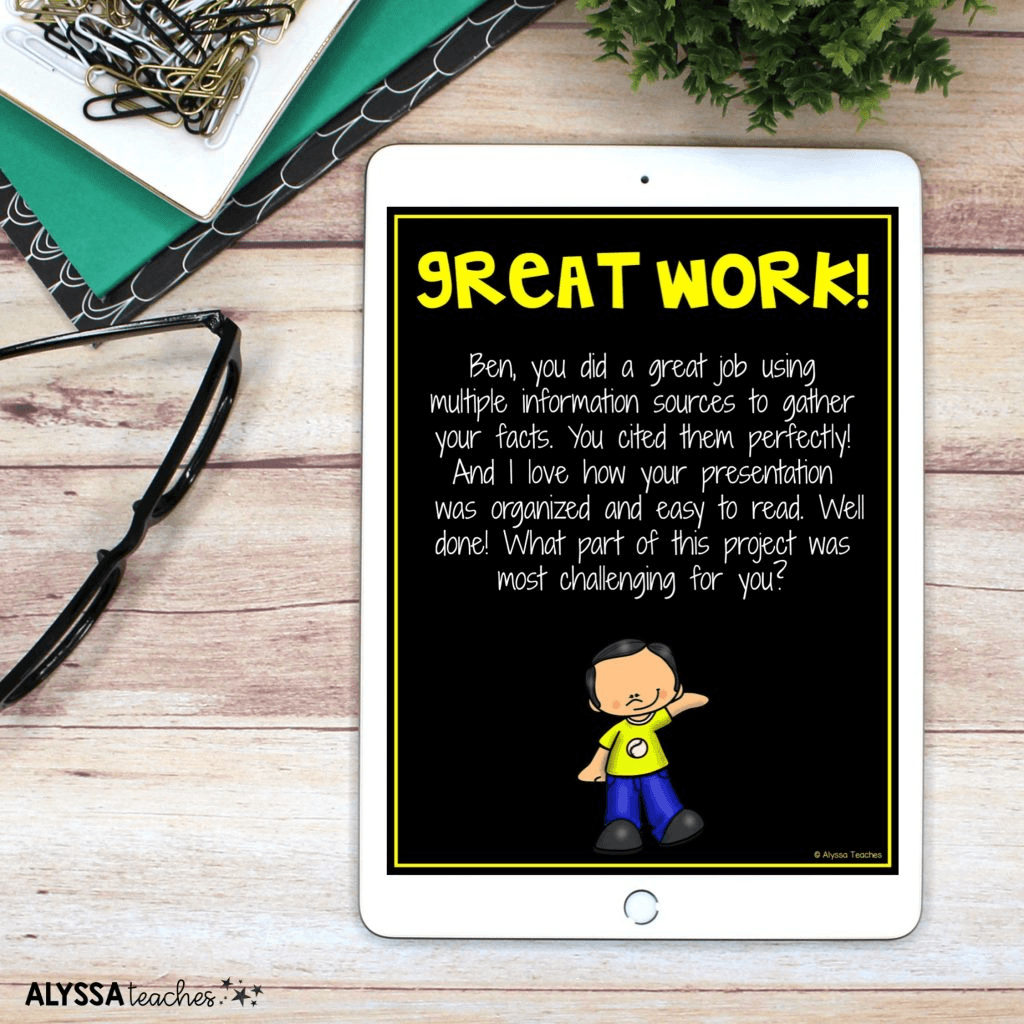
How to give useful feedback on a classmate's paper
By
Princeton Journal of Pre-Collegiate Research
Read more

Student editorial boards: how they work
By
Princeton Journal of Pre-Collegiate Research
Read more
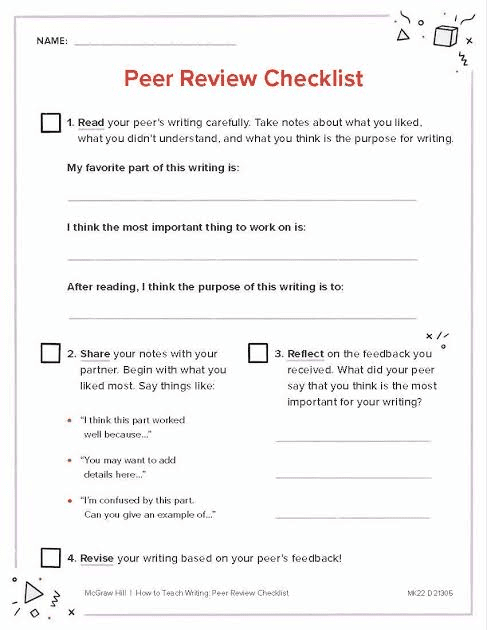
How to write a peer review as a student
By
Princeton Journal of Pre-Collegiate Research
Read more

Peer review etiquette: tone, structure, fairness
By
Princeton Journal of Pre-Collegiate Research
Read more

Version control for research documents
By
Princeton Journal of Pre-Collegiate Research
Read more

Digital vs paper lab notebooks for students
By
Princeton Journal of Pre-Collegiate Research
Read more

Data management basics for student researchers
By
Princeton Journal of Pre-Collegiate Research
Read more
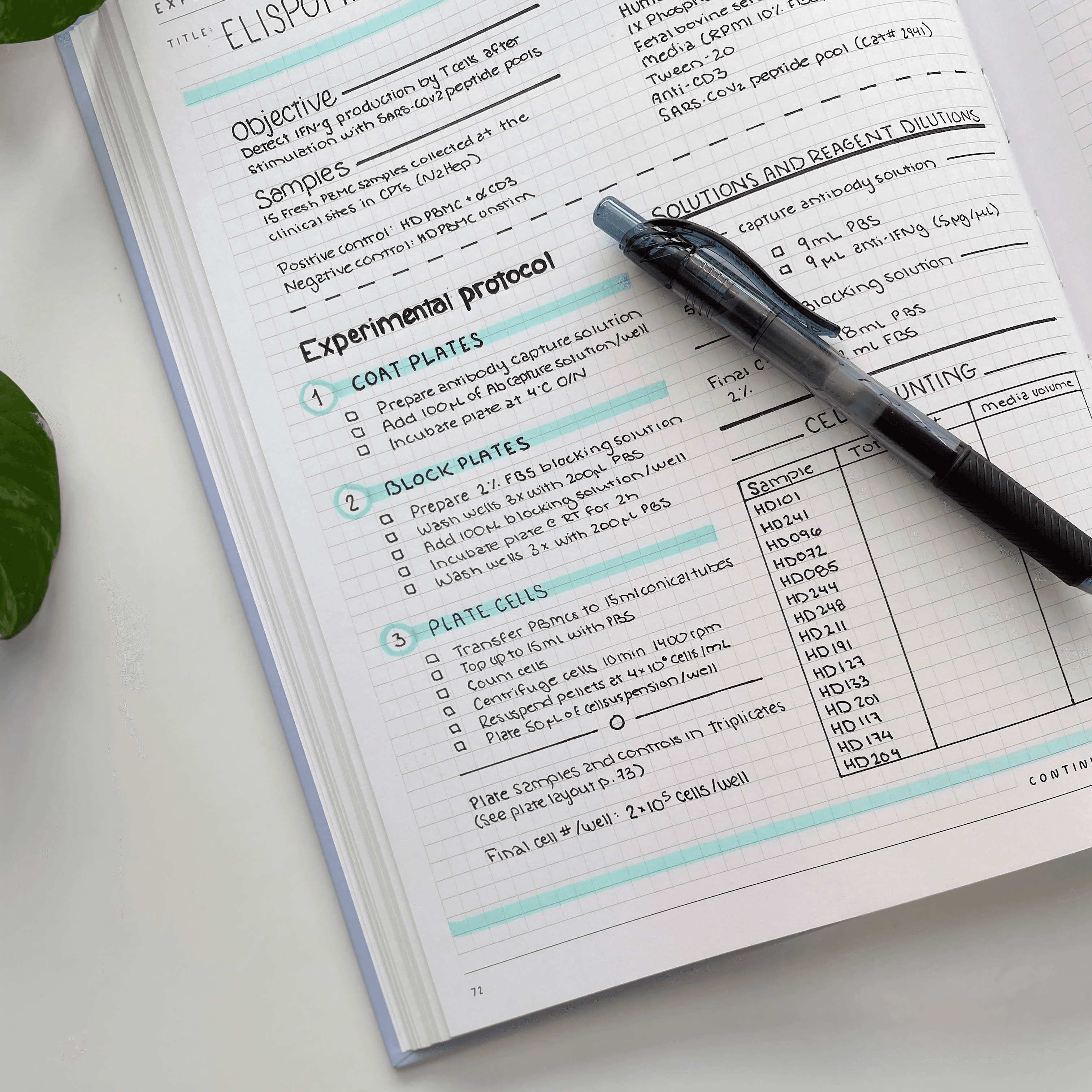
How to keep a lab notebook that reviewers trust
By
Princeton Journal of Pre-Collegiate Research
Read more

How to organize research files across a year-long project
By
Princeton Journal of Pre-Collegiate Research
Read more

How to document your data so you can defend it
By
Princeton Journal of Pre-Collegiate Research
Read more
How to write a grant proposal as a student
By
Princeton Journal of Pre-Collegiate Research
Read more
Free resources that replace research funding
By
Princeton Journal of Pre-Collegiate Research
Read more
Corporate and nonprofit programs that fund student research
By
Princeton Journal of Pre-Collegiate Research
Read more

Science fair grants and material stipends explained
By
Princeton Journal of Pre-Collegiate Research
Read more

Crowdfunding a student research project: does it work
By
Princeton Journal of Pre-Collegiate Research
Read more

How much does a research project actually cost
By
Princeton Journal of Pre-Collegiate Research
Read more

How to ask your school to fund your project
By
Princeton Journal of Pre-Collegiate Research
Read more

Grants for high school research projects: what exists
By
Princeton Journal of Pre-Collegiate Research
Read more

How to start a research club at your school
By
Princeton Journal of Pre-Collegiate Research
Read more