STEM vs humanities high school journals: how to choose
Princeton Journal of Pre-Collegiate Research

You have finished your research. Now comes the decision that shapes how the world receives it. When it comes to STEM vs humanities high school journals, the choice is not arbitrary. It determines your audience, your credibility, and the long-term value of your work.
This guide breaks down exactly what separates STEM and humanities journals at the high school level, what to look for in each, and how to make the right call for your specific paper. No guesswork. No vague advice.
Why the STEM vs Humanities Distinction Matters for High School Researchers
Academic publishing is not one-size-fits-all. STEM journals and humanities journals operate by different conventions, evaluate submissions through different lenses, and serve different scholarly communities. A paper on CRISPR gene editing and a paper on postcolonial literary theory are both rigorous research. But they belong in different homes.
Submitting to the wrong type of journal is one of the most common mistakes high school researchers make. It wastes time, invites rejection, and can dilute the impact of strong work. Understanding the landscape before you submit is not optional. It is foundational.
If you are still building your understanding of what separates strong journals from weak ones, start with what to look for in a high school research journal before going further.
How STEM Journals for High School Students Work
What STEM Journals Prioritize
STEM journals at the high school level evaluate research on methodology, data integrity, reproducibility, and logical conclusions drawn from evidence. Reviewers want to see a clear hypothesis, a sound experimental or computational design, and results that are honestly interpreted. The writing style is precise and economical. Every sentence carries information.
Strong STEM submissions typically include an abstract, introduction, methods section, results, and discussion (the IMRaD structure). Deviating from this format without good reason signals unfamiliarity with the field. Journals that publish STEM work expect this structure because it allows peer reviewers to evaluate each component independently.
What Makes a STEM Journal Credible
Credibility in STEM publishing comes down to a few non-negotiable markers. Double-blind peer review is the standard (reviewers do not know the author's identity, and authors do not know the reviewers'). DOI assignment ensures your paper is permanently indexed and findable. Indexing in recognized academic databases signals that the journal is part of the legitimate scholarly record.
Be cautious of journals that accept STEM papers without requesting a methods section or that skip peer review entirely. These are red flags. For a deeper look at how to spot problematic outlets, read how to avoid predatory journals as a high school student.
Disciplines That Typically Fall Under STEM Journals
Biology, biochemistry, and molecular science
Computer science, data science, and artificial intelligence
Physics, chemistry, and materials science
Environmental science and ecology
Mathematics and statistics
Biomedical research and public health
If your research falls in biomedical territory, the process of getting there is its own challenge. How to do biomedical research in high school walks through what that path actually looks like.
How Humanities Journals for High School Students Work
What Humanities Journals Prioritize
Humanities journals evaluate research on the strength of argumentation, the sophistication of textual or archival analysis, theoretical engagement, and clarity of expression. The question is not whether your data is reproducible. The question is whether your interpretation is well-supported, original, and in conversation with existing scholarship.
Humanities papers tend to be more discursive. The introduction establishes a research question and situates it within a scholarly debate. The body builds an argument through evidence and analysis. The conclusion draws out implications. This is a different architecture than IMRaD, and humanities reviewers read for it specifically.
What Makes a Humanities Journal Credible
The same core markers apply: peer review, DOI, and transparent editorial standards. But humanities journals also signal credibility through the range and quality of disciplines they publish. A journal that publishes serious work in history, philosophy, literature, and political theory demonstrates editorial range. One that publishes only loosely framed opinion pieces does not.
Selectivity matters too. Journals that accept everything are not journals. They are repositories. For a comparative view of how journals stack up, high school research journals ranked by selectivity provides useful context.
Disciplines That Typically Fall Under Humanities Journals
History, political theory, and international relations
Literature, linguistics, and cultural studies
Philosophy and ethics
Anthropology and sociology
Education policy and pedagogy
Art history and media studies
Anthropology is a discipline that often gets miscategorized. It sits at the intersection of social science and humanistic inquiry. Anthropology research topics for high school students shows how to frame work in this space effectively.
Key Differences Between STEM and Humanities Journals
Review Criteria
STEM reviewers ask: Is the methodology sound? Are the results valid? Are the conclusions supported by data? Humanities reviewers ask: Is the argument original? Is the evidence interpreted rigorously? Does this paper engage meaningfully with existing scholarship? Both sets of questions demand serious intellectual work. They simply demand different kinds.
Paper Length and Structure
STEM papers at the high school level typically run 2,000 to 5,000 words and follow a standardized structure. Humanities papers can run longer and have more structural flexibility, depending on the argument. Neither is inherently harder to write. Both require mastery of their respective conventions.
Citation Style
STEM journals typically use numbered citation systems (APA, Vancouver, or journal-specific formats). Humanities journals typically use footnotes or author-date systems (Chicago, MLA, or Turabian). Submitting a humanities paper with STEM citation formatting signals that you have not read the journal's submission guidelines. Reviewers notice.
Review Timelines
Review timelines vary by journal type and volume of submissions. STEM journals with high submission rates can take longer. Humanities journals with smaller editorial teams can also create delays. Understanding what to expect before you submit prevents unnecessary anxiety. How review timelines vary across high school journals gives you a realistic picture.
What to Do When Your Research Crosses Disciplines
Interdisciplinary research is increasingly common among high school researchers, and it creates a genuine challenge. A paper on the environmental perceptions of high school students, for example, sits at the intersection of environmental science and social science methodology. Where does it belong?
The answer is to lead with your primary method. If you collected and analyzed quantitative data, your paper behaves like a STEM paper and should go to a journal that handles empirical social science or environmental research. If your argument is primarily interpretive and draws on qualitative analysis, it belongs in a social science or humanities-oriented outlet.
Some journals publish across both domains. PJPCR, for instance, publishes original research across 50+ academic disciplines, which means a paper like a study of environmental risk perceptions and awareness among high school students finds a legitimate home without being forced into an ill-fitting category.
How to Evaluate Any Journal Before You Submit
Whether you are looking at a STEM or humanities outlet, apply the same evaluation checklist. This is not optional due diligence. It is how you protect the integrity of your work.
Peer review process: Is it double-blind? Is it described transparently on the journal's website?
DOI assignment: Will your paper receive a permanent digital identifier that makes it findable and citable?
Editorial board: Are the editors and reviewers identified? Do they have relevant credentials?
Published work: Can you read previously published papers? Do they meet the standard you expect?
Acceptance rate: Does the journal publish selectively? Or does it appear to accept everything submitted?
Indexing: Is the journal indexed in recognized academic databases?
For a full framework on applying these criteria, how to tell if a high school journal is credible covers each marker in depth.
Does Your Journal Choice Affect College Admissions?
Yes, and the distinction matters more than many students realize. Admissions officers at selective universities are increasingly familiar with the landscape of high school research journals. A publication in a rigorous, peer-reviewed journal with a real acceptance process carries weight. A publication in a journal that accepts everything carries none.
The field of the research matters less than the rigor of the journal. A humanities paper published in a credible peer-reviewed outlet is as impressive as a STEM paper published in the same context. What admissions readers evaluate is the quality of the process you went through, not just the topic you chose. For a closer look at how universities weigh this, does UPenn care about high school research examines how selective institutions actually think about student publications.
STEM vs Humanities High School Journals: How to Choose in Practice
The decision framework is straightforward once you know what you are working with. Ask yourself four questions.
First: What is the primary method of your research? Experimental, computational, or quantitative analysis points toward STEM journals. Textual, archival, or interpretive analysis points toward humanities journals.
Second: Who is the intended audience for your argument? Researchers in biology or chemistry, or researchers in history or political science? Your answer tells you which scholarly community you are joining.
Third: What citation and formatting conventions does your paper currently follow? Aligning with a journal that matches your existing format reduces revision burden.
Fourth: Does the journal you are considering publish work of comparable scope and rigor to yours? Read three to five published papers before submitting. If your work belongs alongside them, submit. If it does not, find a better fit.
If you are working in the humanities specifically, best humanities journals for high school submissions provides a curated starting point.
Where PJPCR Fits
The Princeton Journal of Pre-Collegiate Research publishes original research by high school students across all academic disciplines, including STEM, humanities, social sciences, and interdisciplinary fields. Every submission goes through rigorous double-blind peer review (no shortcuts, no rubber stamps). Accepted papers receive DOI assignment and permanent indexing, which means your work exists in the scholarly record and is findable by anyone.
PJPCR is not affiliated with Princeton University. It is an independent journal built specifically to hold high school research to the same standards as professional academic publishing. That standard is the point. Students who publish here leave the process as better researchers than when they arrived.
The Right Journal Starts with the Right Understanding
When it comes to STEM vs humanities high school journals, the choice is not about prestige or perception. It is about fit, rigor, and the long-term value of your work. A well-placed paper in the right journal, reviewed seriously by qualified peers, is a credential that holds. A hastily submitted paper in the wrong outlet, or a credible-sounding journal with no real review process, is neither.
Do the work to understand the landscape. Read the journals you are considering. Match your method to the outlet's expectations. And when you are ready to submit research that deserves a serious home, PJPCR is built for exactly that.
Read More

Can high school students be peer reviewers
By
Princeton Journal of Pre-Collegiate Research
Read more

What reviewing other papers teaches you about your own
By
Princeton Journal of Pre-Collegiate Research
Read more
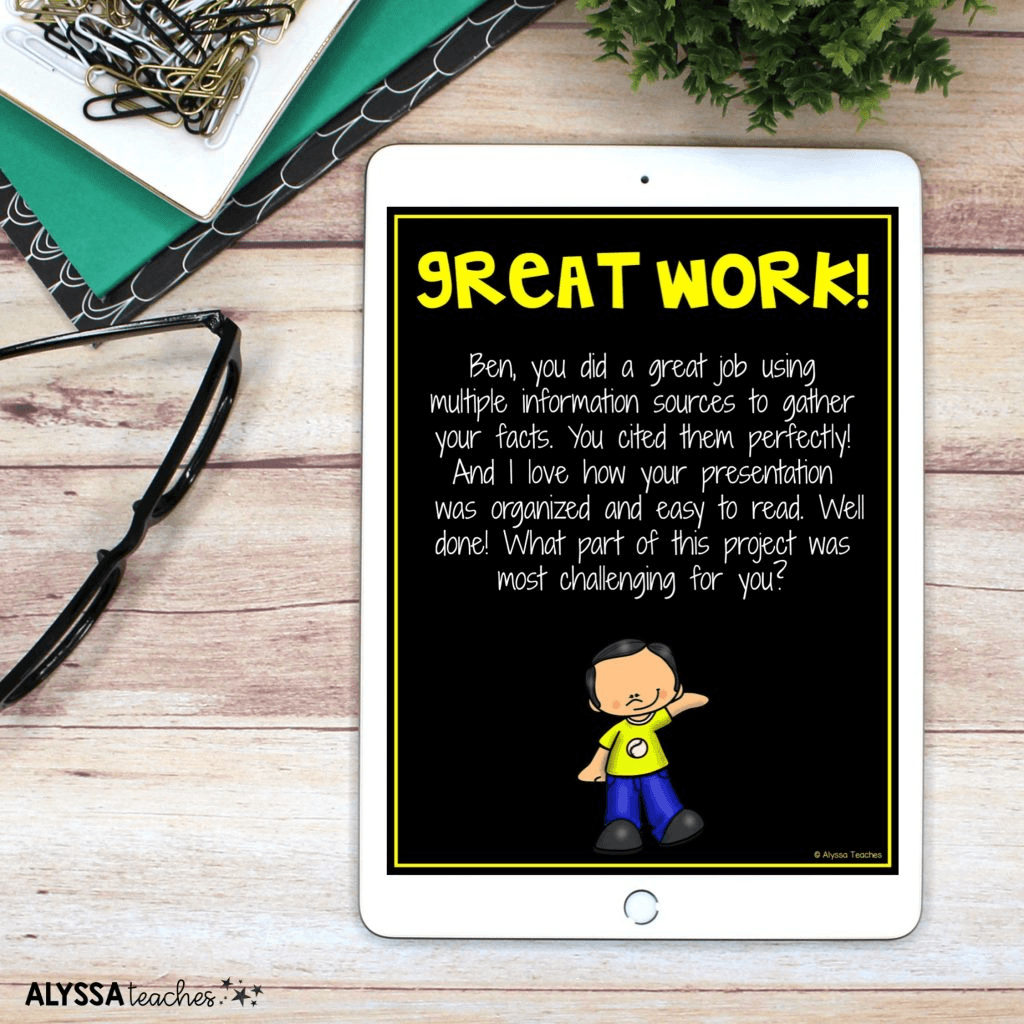
How to give useful feedback on a classmate's paper
By
Princeton Journal of Pre-Collegiate Research
Read more

Student editorial boards: how they work
By
Princeton Journal of Pre-Collegiate Research
Read more
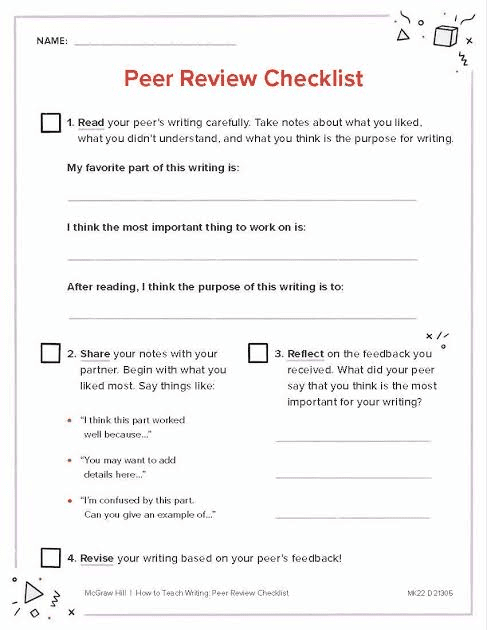
How to write a peer review as a student
By
Princeton Journal of Pre-Collegiate Research
Read more

Peer review etiquette: tone, structure, fairness
By
Princeton Journal of Pre-Collegiate Research
Read more

Version control for research documents
By
Princeton Journal of Pre-Collegiate Research
Read more

Digital vs paper lab notebooks for students
By
Princeton Journal of Pre-Collegiate Research
Read more

Data management basics for student researchers
By
Princeton Journal of Pre-Collegiate Research
Read more
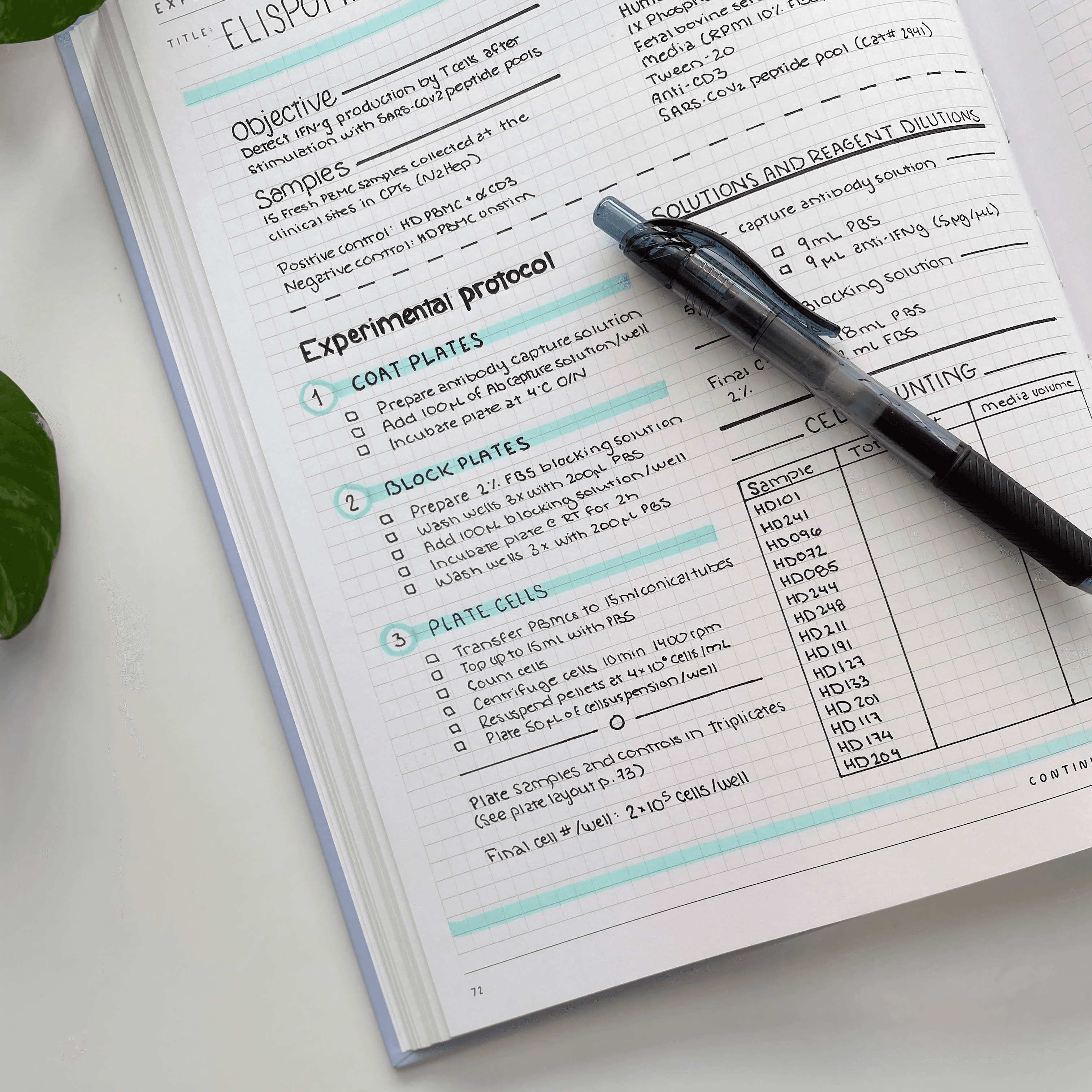
How to keep a lab notebook that reviewers trust
By
Princeton Journal of Pre-Collegiate Research
Read more

How to organize research files across a year-long project
By
Princeton Journal of Pre-Collegiate Research
Read more

How to document your data so you can defend it
By
Princeton Journal of Pre-Collegiate Research
Read more

How to write a grant proposal as a student
By
Princeton Journal of Pre-Collegiate Research
Read more
Free resources that replace research funding
By
Princeton Journal of Pre-Collegiate Research
Read more
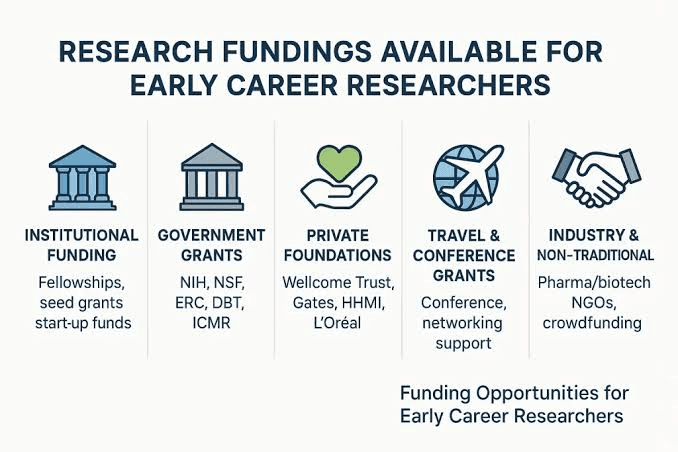
Corporate and nonprofit programs that fund student research
By
Princeton Journal of Pre-Collegiate Research
Read more

Science fair grants and material stipends explained
By
Princeton Journal of Pre-Collegiate Research
Read more

Crowdfunding a student research project: does it work
By
Princeton Journal of Pre-Collegiate Research
Read more

How much does a research project actually cost
By
Princeton Journal of Pre-Collegiate Research
Read more

How to ask your school to fund your project
By
Princeton Journal of Pre-Collegiate Research
Read more

Grants for high school research projects: what exists
By
Princeton Journal of Pre-Collegiate Research
Read more

How to start a research club at your school
By
Princeton Journal of Pre-Collegiate Research
Read more