Can you publish your AP Seminar paper
Princeton Journal of Pre-Collegiate Research

You spent months on that AP Seminar paper. The research is real, the argument is original, and the work deserves more than a grade. So the question is worth asking directly: can you publish your AP Seminar paper in a peer-reviewed journal?
The answer is yes (with conditions). Not every AP Seminar paper is ready for publication as written, but many contain the raw material of a genuine scholarly contribution. Understanding the gap between a high-scoring AP paper and a publishable research paper is the first step toward closing it.
What AP Seminar Actually Produces
AP Seminar is designed to teach research methodology, argumentation, and evidence-based writing. Students complete an Academic Research Paper (ARP) and a Team Multimedia Presentation, among other assessments. The ARP, in particular, mirrors the structure of academic research: a focused question, a literature review, original analysis, and a conclusion grounded in evidence.
That structure matters. Journals do not publish essays. They publish research. The fact that AP Seminar trains students to think and write like researchers means the foundational work is already done. What often needs adjustment is depth, scope, and methodological rigor (more on that below).
AP Seminar papers typically run between 2,000 and 5,000 words. Most peer-reviewed journals for high school students accept submissions in a similar range. The format alignment is not accidental. It reflects the fact that AP Seminar was built to approximate real academic practice.
Can You Publish Your AP Seminar Paper Without Changes?
Rarely. The honest answer is that most AP Seminar papers require revision before they are submission-ready. This is not a criticism of the work. It reflects the difference between writing for a classroom rubric and writing for peer reviewers who evaluate research on its scholarly merit.
Here is what typically needs attention before submission:
Original contribution: Journals look for research that adds something new to existing knowledge. If your paper synthesizes sources without generating its own analysis, data, or argument, it reads as a literature review rather than original research. Identify what your paper contributes that no cited source already says.
Methodology section: AP Seminar does not always require a formal methodology section. Journals do. Explain how you gathered and analyzed your evidence, why you chose those methods, and what the limitations are.
Citation format: AP Seminar accepts multiple citation styles. Most journals specify one (APA, MLA, Chicago). Standardize your references before submission.
Abstract: Most journals require a 150-250 word abstract. If your AP paper does not include one, write it last, after you have revised the full paper.
Scope tightening: AP Seminar rewards broad, interdisciplinary thinking. Journals reward focused, defensible claims. If your paper covers three related topics, consider whether one of them is strong enough to anchor a standalone submission.
Revision is not failure. Every published paper goes through revision. Treating your AP Seminar paper as a first draft rather than a finished product is the right professional instinct. Before you submit anywhere, read our guide on how to edit your own research paper before submission to sharpen the work systematically.
What Kinds of AP Seminar Papers Publish Well
Not every topic has equal publication potential, but the discipline is rarely the limiting factor. AP Seminar spans every academic domain, and so do peer-reviewed journals for pre-collegiate researchers. STEM papers, humanities arguments, social science analyses, and interdisciplinary work all find homes in the right journals.
The papers that publish well tend to share a few characteristics:
A clearly stated research question that the paper actually answers
Evidence that goes beyond secondary sources (original data, primary sources, case studies, or novel synthesis)
A conclusion that articulates the implications of the findings, not just a summary of the argument
Acknowledgment of counterarguments and limitations
If your AP Seminar paper checked those boxes for your teacher, it is worth evaluating it against those same criteria for a journal audience. The standards are comparable. The audience is simply different.
Which Journals Accept High School Research
This is where students often get stuck. Most mainstream academic journals are written by and for credentialed researchers. They do not consider high school submissions. But a growing number of peer-reviewed journals exist specifically to publish original research by pre-collegiate students, and the quality bar at the best of them is genuinely high (no participation trophies, no rubber stamps).
The Princeton Journal of Pre-Collegiate Research (PJPCR) is one such journal. PJPCR is not affiliated with Princeton University. It publishes original research by high school students across 50+ academic disciplines, from astrophysics to political theory to public health. Every submission undergoes rigorous double-blind peer review, meaning reviewers do not know who you are, where you go to school, or what your GPA is. The work is evaluated on its merits.
Every accepted paper receives a DOI (Digital Object Identifier), which makes it permanently citable and findable by anyone conducting research in your field (it exists forever, findable by anyone). That is not a credential that disappears when the school year ends.
If you are outside the United States, the submission process is the same. Students in Canada, Australia, India, and across six continents have published through journals like PJPCR. The research community is global, and so is the opportunity.
The Peer Review Process: What to Expect
If you have never submitted to a peer-reviewed journal, the process can feel opaque. Here is what actually happens after you submit your AP Seminar paper to a journal like PJPCR.
First, the editorial team conducts an initial review to confirm that your submission meets basic requirements: appropriate length, correct formatting, a coherent research question, and original work. Papers that clear this stage move to double-blind peer review, where subject-matter reviewers evaluate the quality, rigor, and contribution of the research.
Reviewers return one of several decisions: accept, revise and resubmit, or reject. Most first submissions receive a revise and resubmit decision. This is normal. It means the research has merit but needs refinement. The feedback you receive is substantive (the kind that makes your work better, not the kind that just tells you it is wrong).
To understand the full timeline and what each stage involves, read our detailed breakdown of what happens after you submit your research paper. Knowing what to expect reduces anxiety and helps you respond to reviewer feedback professionally.
If your paper is rejected, that is not the end. Rejection is part of the process for every researcher at every level. Read our guide on what to do if your child's research paper gets rejected for a clear-eyed look at next steps.
Does Publishing Your AP Seminar Paper Help College Admissions?
This question comes up constantly, and it deserves a direct answer. A peer-reviewed publication is one of the most credible academic credentials a high school student can hold. It demonstrates independent thinking, sustained effort, and the ability to meet a standard set by experts outside your school.
Admissions officers at selective universities see thousands of applications from students who claim to be passionate about research. Very few of those students have a published paper with a DOI. The distinction is not subtle. A publication is verifiable, permanent, and discipline-specific in a way that most extracurricular activities are not.
That said, publication is not a magic formula. It matters most when it is connected to a coherent narrative about your intellectual interests and academic goals. A published paper in environmental science from a student applying to environmental studies programs carries real weight. The same paper submitted by a student with no other connection to the field reads as a credential grab (and admissions readers can tell the difference).
For a thorough analysis of how publication affects your application, read our post on whether a published paper helps college admissions. And if you are wondering how to present a publication on your application materials, our guide on how to list published papers on a high school resume walks through the specifics.
A Note for Parents and Advisors
If you are a parent or school counselor reading this, the question of whether to support a student in pursuing publication is worth taking seriously. The process teaches skills that no classroom assignment replicates: responding to expert criticism, revising under pressure, and meeting external standards rather than internal ones.
There is a publication fee associated with accepted papers at journals like PJPCR. This is standard practice in academic publishing and covers editorial and production costs. If you are weighing whether the investment is worthwhile, our post on whether it is worth paying for your child's research to be published addresses the question directly and without spin.
The short version: if the research is genuine and the student is committed to the revision process, the return on investment is substantial. You are not buying a credential. You are funding a process that produces one (and that distinction matters).
Can You Publish Your AP Seminar Paper: A Practical Checklist
Before you submit, run your paper through this checklist:
Does your paper answer a specific research question, or does it argue a general position? Journals want the former.
Does your paper include original analysis, data, or synthesis that goes beyond summarizing sources?
Have you written a formal methodology section explaining how you conducted your research?
Is your abstract between 150 and 250 words, accurately summarizing the question, method, findings, and implications?
Are your citations formatted consistently in the style required by your target journal?
Have you read at least two published papers in your target journal to understand the expected tone, depth, and structure?
Has someone outside your class read the paper and given you honest feedback?
If you can answer yes to all seven, you are ready to submit. If not, you know exactly where to focus your revision energy.
The Opportunity in Front of You
AP Seminar exists to teach you how to think like a researcher. Publishing your AP Seminar paper is the logical next step: taking that thinking into the real world and subjecting it to real scrutiny. The process is demanding. The feedback will challenge you. The revision will take longer than you expect.
That is precisely what makes it worth doing.
Can you publish your AP Seminar paper? Yes. The work you have already done is closer to publication-ready than you probably think. What stands between you and a peer-reviewed publication is revision, the right journal, and the willingness to engage seriously with feedback (you leave a better researcher than you arrived).
PJPCR accepts submissions from high school students across all disciplines, in all countries, at all stages of their research journey. If your AP Seminar paper has something original to say, we want to read it. Submit your research today and find out where the work can go.
For more resources on navigating the publication process as a high school student, visit our Blogs section, where we cover every stage from first draft to final DOI.
Read More

Can high school students be peer reviewers
By
Princeton Journal of Pre-Collegiate Research
Read more

What reviewing other papers teaches you about your own
By
Princeton Journal of Pre-Collegiate Research
Read more
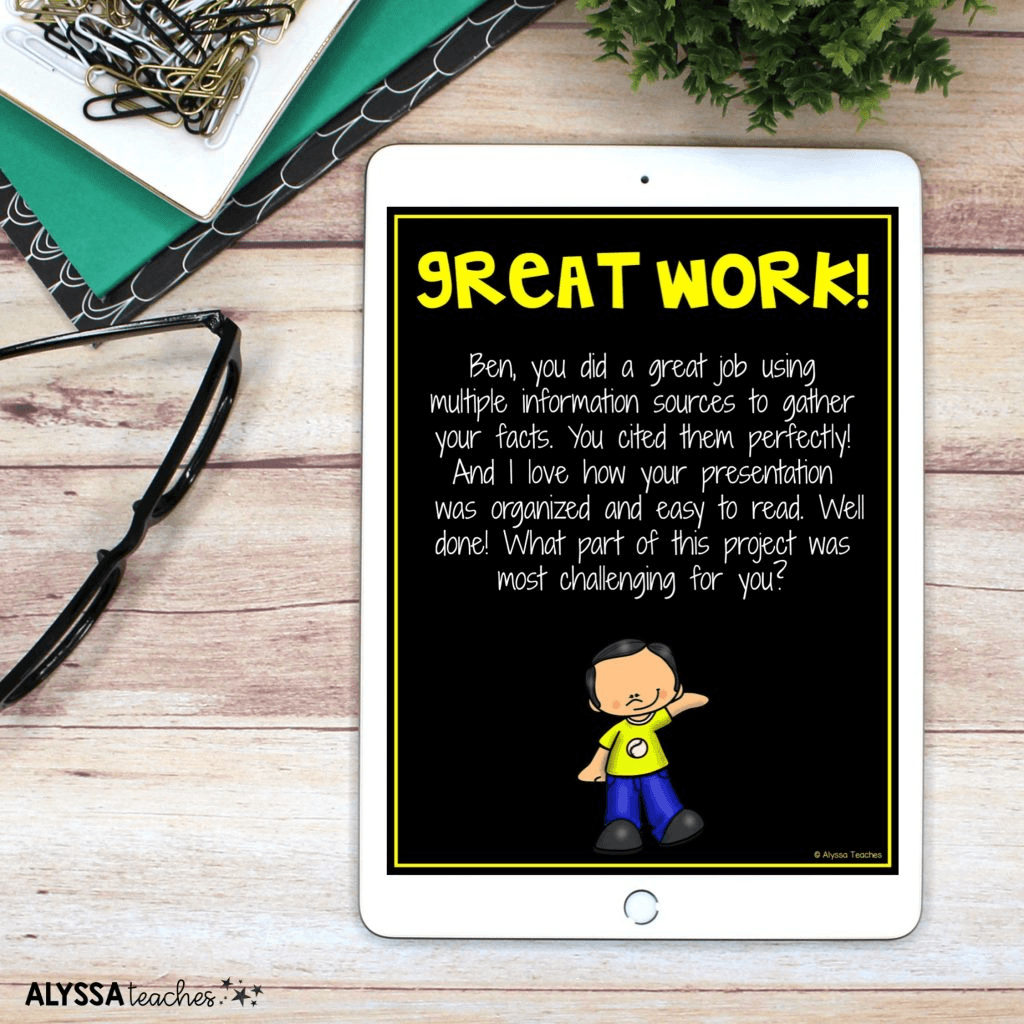
How to give useful feedback on a classmate's paper
By
Princeton Journal of Pre-Collegiate Research
Read more

Student editorial boards: how they work
By
Princeton Journal of Pre-Collegiate Research
Read more
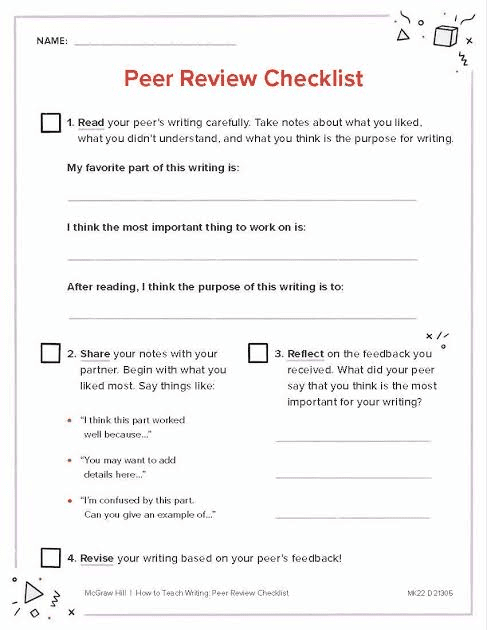
How to write a peer review as a student
By
Princeton Journal of Pre-Collegiate Research
Read more

Peer review etiquette: tone, structure, fairness
By
Princeton Journal of Pre-Collegiate Research
Read more

Version control for research documents
By
Princeton Journal of Pre-Collegiate Research
Read more

Digital vs paper lab notebooks for students
By
Princeton Journal of Pre-Collegiate Research
Read more

Data management basics for student researchers
By
Princeton Journal of Pre-Collegiate Research
Read more
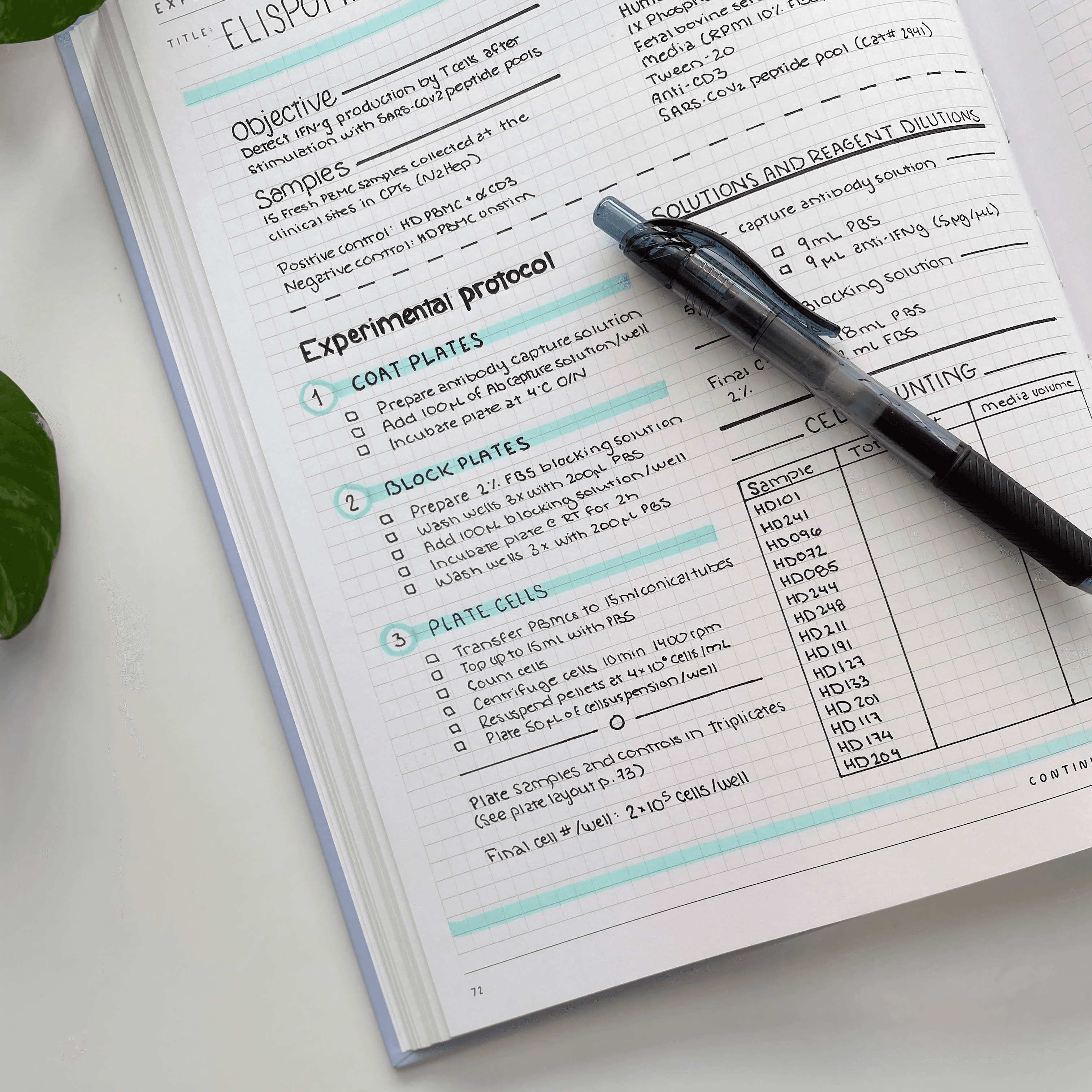
How to keep a lab notebook that reviewers trust
By
Princeton Journal of Pre-Collegiate Research
Read more

How to organize research files across a year-long project
By
Princeton Journal of Pre-Collegiate Research
Read more

How to document your data so you can defend it
By
Princeton Journal of Pre-Collegiate Research
Read more
How to write a grant proposal as a student
By
Princeton Journal of Pre-Collegiate Research
Read more
Free resources that replace research funding
By
Princeton Journal of Pre-Collegiate Research
Read more
Corporate and nonprofit programs that fund student research
By
Princeton Journal of Pre-Collegiate Research
Read more

Science fair grants and material stipends explained
By
Princeton Journal of Pre-Collegiate Research
Read more

Crowdfunding a student research project: does it work
By
Princeton Journal of Pre-Collegiate Research
Read more

How much does a research project actually cost
By
Princeton Journal of Pre-Collegiate Research
Read more

How to ask your school to fund your project
By
Princeton Journal of Pre-Collegiate Research
Read more

Grants for high school research projects: what exists
By
Princeton Journal of Pre-Collegiate Research
Read more

How to start a research club at your school
By
Princeton Journal of Pre-Collegiate Research
Read more