How to turn your AP Research paper into a journal publication
Princeton Journal of Pre-Collegiate Research

You spent a full academic year on your AP Research paper. You defended it, graded it, and moved on. But that paper does not have to stop there. Learning how to turn your AP Research paper into a journal publication is one of the highest-leverage moves a high school student can make before college applications open.
This guide walks you through every step, from evaluating your existing work to submitting a polished manuscript to a peer-reviewed journal. (no fluff, no vague encouragement, just the process.)
Why AP Research Papers Are Already Halfway There
AP Research is not a typical high school assignment. The College Board requires students to produce an original, evidence-based Academic Paper of 4,000 to 5,000 words. That paper must include a literature review, a clearly stated research question, a methodology, findings, and a conclusion. That structure maps almost directly onto what peer-reviewed journals expect from a submitted manuscript.
Most students do not realize this. They submit their paper to College Board, receive their score, and assume the work is done. It is not done. It is a draft with serious academic bones, and with targeted revision, it can become a published, citable, DOI-assigned piece of scholarship.
The gap between an AP Research paper and a journal-ready manuscript is real but closeable. Understanding that gap is the first step.
Step One: Audit Your Paper Honestly
Before you revise anything, read your paper as if you are a peer reviewer seeing it for the first time. Ask three questions: Is the research question original? Is the methodology replicable? Do the conclusions follow logically from the data?
If you can answer yes to all three, you have a publishable foundation. If any answer is uncertain, that is your revision priority. Journals are not grading effort or ambition. They are evaluating whether the research holds up under scrutiny.
AP Research papers sometimes rely on secondary data or literature synthesis rather than primary research. That is not a disqualifier. Many strong journals, including those that publish high school work, welcome literature analysis and systematic review papers. (a well-argued synthesis is still original scholarship.)
Check your paper for the following before moving forward:
A clearly defined research question or thesis
A literature review that situates your work in existing scholarship
A transparent methodology section
Results or findings presented without overreach
A discussion section that acknowledges limitations
Properly formatted citations in a consistent style
Step Two: Understand What Journals Actually Want
Every journal publishes an author guidelines document. Read it. This is not optional. Journals specify word counts, citation formats, section headers, abstract length, and figure requirements. Submitting a paper that ignores these guidelines signals carelessness before a single reviewer reads your argument.
For high school students specifically, the most important filter is finding a journal that accepts pre-collegiate authors. Most university journals do not. Some student-run journals accept high school submissions but lack rigorous review processes. (not all peer review is equal, and admissions readers know the difference.)
Princeton JPCR publishes original research by high school students across more than 50 academic disciplines. Every submission goes through double-blind peer review, meaning reviewers do not know who you are and you do not know who they are. That process protects the integrity of the evaluation. If you want to understand what separates credible publication from vanity press, read about How To Find A Journal That Accepts Your Research Topic before you submit anywhere.
Step Three: Revise for an Academic Audience, Not a Classroom
Your AP Research paper was written for a College Board evaluator who already knows you are a high school student. A journal manuscript is written for scholars in your field who have no context for your background. That shift changes everything about how you write.
Remove all first-person narrative about your learning journey. Journals do not want to know that you found the topic fascinating. They want to know what you found. Tighten every sentence. Cut any passage that does not directly advance your argument, methodology, or findings.
Your abstract needs to be self-contained. A reader who sees only your abstract should understand your research question, your method, your key finding, and why it matters. Most AP Research papers do not include a strong abstract because College Board does not require one in the same form journals do. Write it fresh.
Pay close attention to your literature review. AP Research papers sometimes summarize sources without synthesizing them. A journal-ready literature review shows how existing scholarship relates to each other and where your work fills a gap. That gap justification is what makes your paper worth publishing. For a detailed walkthrough of this process, see How To Write A Literature Analysis Paper For Publication.
Step Four: Format the Manuscript Correctly
Formatting errors are the fastest way to get a desk rejection before peer review even begins. A desk rejection means an editor looked at your submission, saw that it did not meet basic requirements, and returned it without review. You do not want that.
Standard academic manuscripts use 12-point Times New Roman or a similar serif font, double spacing, one-inch margins, and page numbers. Your title page should include the paper title and abstract only, with no author identification, because double-blind review requires anonymity. Author information goes on a separate cover page.
Citations must be consistent throughout. If you used MLA for your AP Research paper, you may need to convert to APA or Chicago depending on the journal. Do not mix formats. Every citation in your reference list must correspond to an in-text citation, and every in-text citation must appear in your reference list.
For a complete formatting checklist, How To Format A Research Paper For Publication covers the full process step by step.
Step Five: Self-Edit Before You Submit
Peer reviewers evaluate your ideas, but they also notice your prose. A paper full of grammatical errors or unclear sentences signals that the author did not take the work seriously enough to proofread it. That impression colors the entire review.
Read your paper aloud. Every sentence that sounds awkward when spoken aloud is a sentence that needs revision. Read it backward, paragraph by paragraph, to catch errors your brain autocorrects when reading forward. Have someone unfamiliar with your topic read the abstract and introduction. If they cannot explain your argument back to you, your writing is not clear enough yet.
Do not rely on grammar checkers alone. They catch surface errors but miss logical gaps, unsupported claims, and structural weaknesses. (the paper has to make sense, not just parse correctly.) Before submitting, work through the full checklist at How To Edit Your Own Research Paper Before Submission.
Step Six: Understand the Submission and Review Process
Once you submit, the journal's editorial team will conduct an initial review to confirm your paper meets their scope and formatting requirements. If it passes that stage, it goes to peer reviewers, typically two to three scholars or advanced students with expertise in your field.
Reviewers will return one of four decisions: accept, accept with minor revisions, revise and resubmit, or reject. Most first submissions receive a revise and resubmit decision. That is not a rejection. It is an invitation to improve the paper with specific, expert feedback. Treat reviewer comments as a gift. (they are telling you exactly what the paper needs.)
To understand the full timeline and what each stage involves, read What Happens After You Submit Your Research Paper. Knowing what to expect prevents the anxiety that causes students to withdraw strong papers prematurely.
What Happens If Your Paper Is Rejected
Rejection is part of academic publishing. Professional researchers with decades of experience receive rejections. A rejection from one journal does not mean your paper is unpublishable. It means that paper was not the right fit for that journal at that time, or it needs specific revisions before it is ready.
Read the rejection letter carefully. If reviewers provided feedback, use it. Revise accordingly and submit to another journal. If the rejection was a desk rejection with no feedback, check whether your paper actually fit the journal's stated scope and whether your formatting met their requirements.
For parents supporting a student through this experience, What To Do If Your Childs Research Paper Gets Rejected provides practical guidance on next steps without undermining the student's confidence in their work.
How Publication Strengthens Your College Application
A published, peer-reviewed paper with a DOI is a permanent, verifiable academic credential. It appears in search engines. It is findable by admissions readers, faculty, and future collaborators. (it exists forever, findable by anyone.) That is categorically different from a class project or a competition placement.
When you list a publication on your Common App, you are not making a claim that requires a recommender to validate. The paper exists. The DOI resolves to it. The journal's peer review record supports it. That kind of evidence is rare at the high school level, and admissions readers at competitive universities know it.
To use this credential effectively in your application, see How To Include Research Publications Common App for specific guidance on where and how to list your publication.
How to Turn Your AP Research Paper Into a Journal Publication: The Short Version
The path from AP Research paper to journal publication requires honest self-assessment, targeted revision, correct formatting, and the right journal match. None of those steps require extraordinary resources. They require discipline and attention to detail.
Audit your paper against journal standards, not College Board rubrics.
Find a journal that accepts high school authors and publishes your discipline.
Revise for an academic audience: tighten your prose, strengthen your literature review, and write a clean abstract.
Format the manuscript exactly to the journal's author guidelines.
Self-edit rigorously before submitting.
Submit, engage with reviewer feedback, and revise if needed.
The work you already did in AP Research is real scholarship. It deserves a real audience.
Submit Your AP Research Paper to Princeton JPCR
Princeton JPCR is an international, peer-reviewed journal publishing original research by high school students across STEM, humanities, social sciences, and interdisciplinary fields. (not affiliated with Princeton University.) Every accepted paper receives a DOI, ensuring permanent discoverability. Every submission receives double-blind peer review and structured feedback, whether accepted or not. You leave a better researcher than you arrived.
If you are ready to learn how to turn your AP Research paper into a journal publication and take that final step, The Princeton Journal Of Pre Collegiate Research is where that work belongs. Submit your manuscript and let the work speak for itself.
Read More

Can high school students be peer reviewers
By
Princeton Journal of Pre-Collegiate Research
Read more

What reviewing other papers teaches you about your own
By
Princeton Journal of Pre-Collegiate Research
Read more
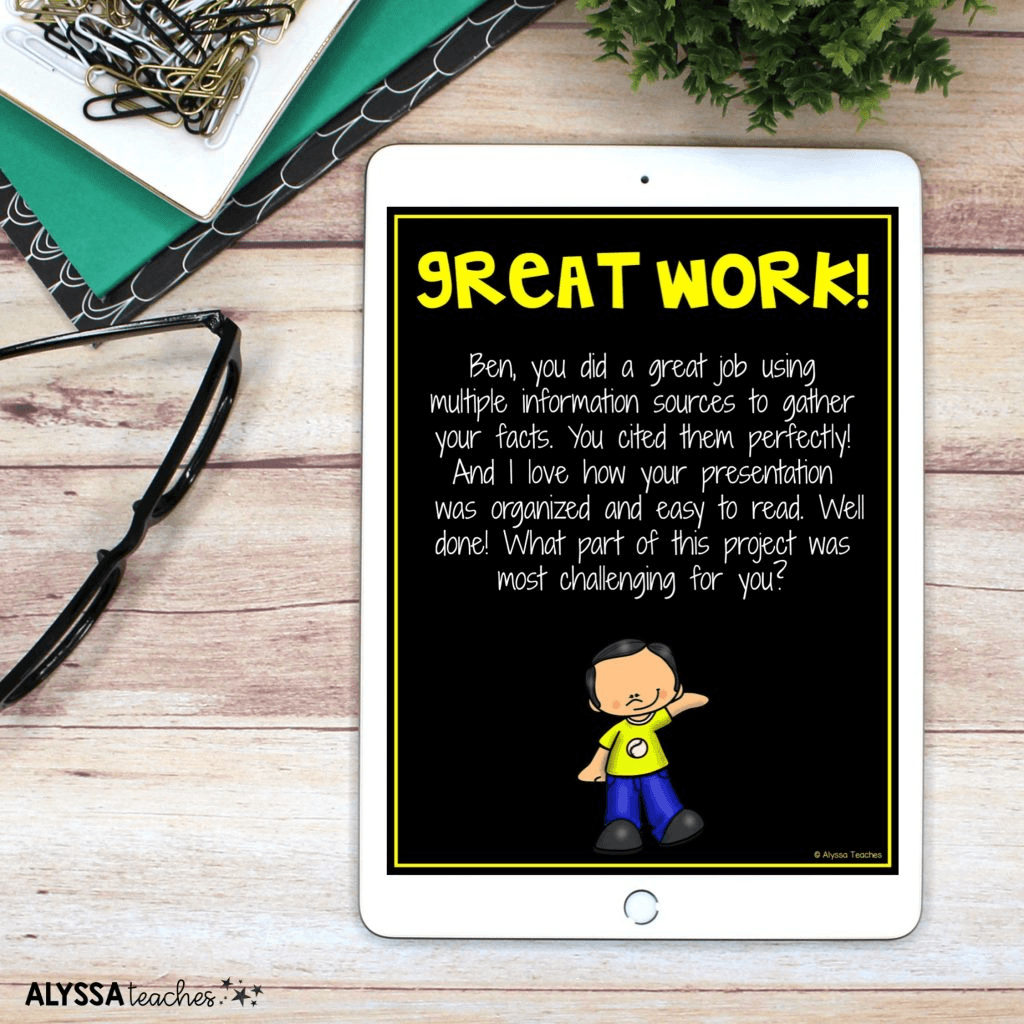
How to give useful feedback on a classmate's paper
By
Princeton Journal of Pre-Collegiate Research
Read more

Student editorial boards: how they work
By
Princeton Journal of Pre-Collegiate Research
Read more
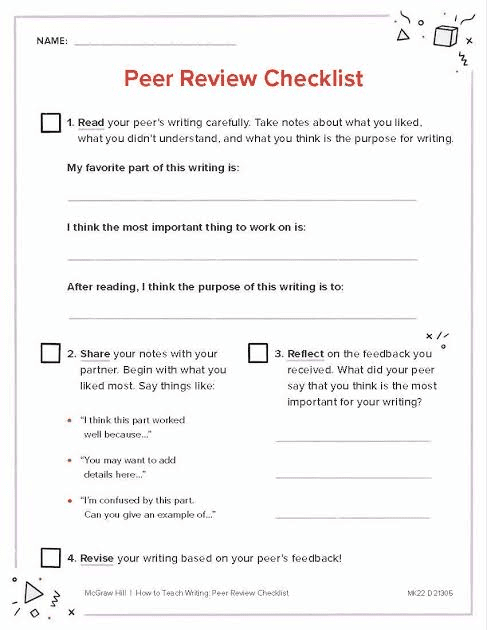
How to write a peer review as a student
By
Princeton Journal of Pre-Collegiate Research
Read more

Peer review etiquette: tone, structure, fairness
By
Princeton Journal of Pre-Collegiate Research
Read more

Version control for research documents
By
Princeton Journal of Pre-Collegiate Research
Read more

Digital vs paper lab notebooks for students
By
Princeton Journal of Pre-Collegiate Research
Read more

Data management basics for student researchers
By
Princeton Journal of Pre-Collegiate Research
Read more
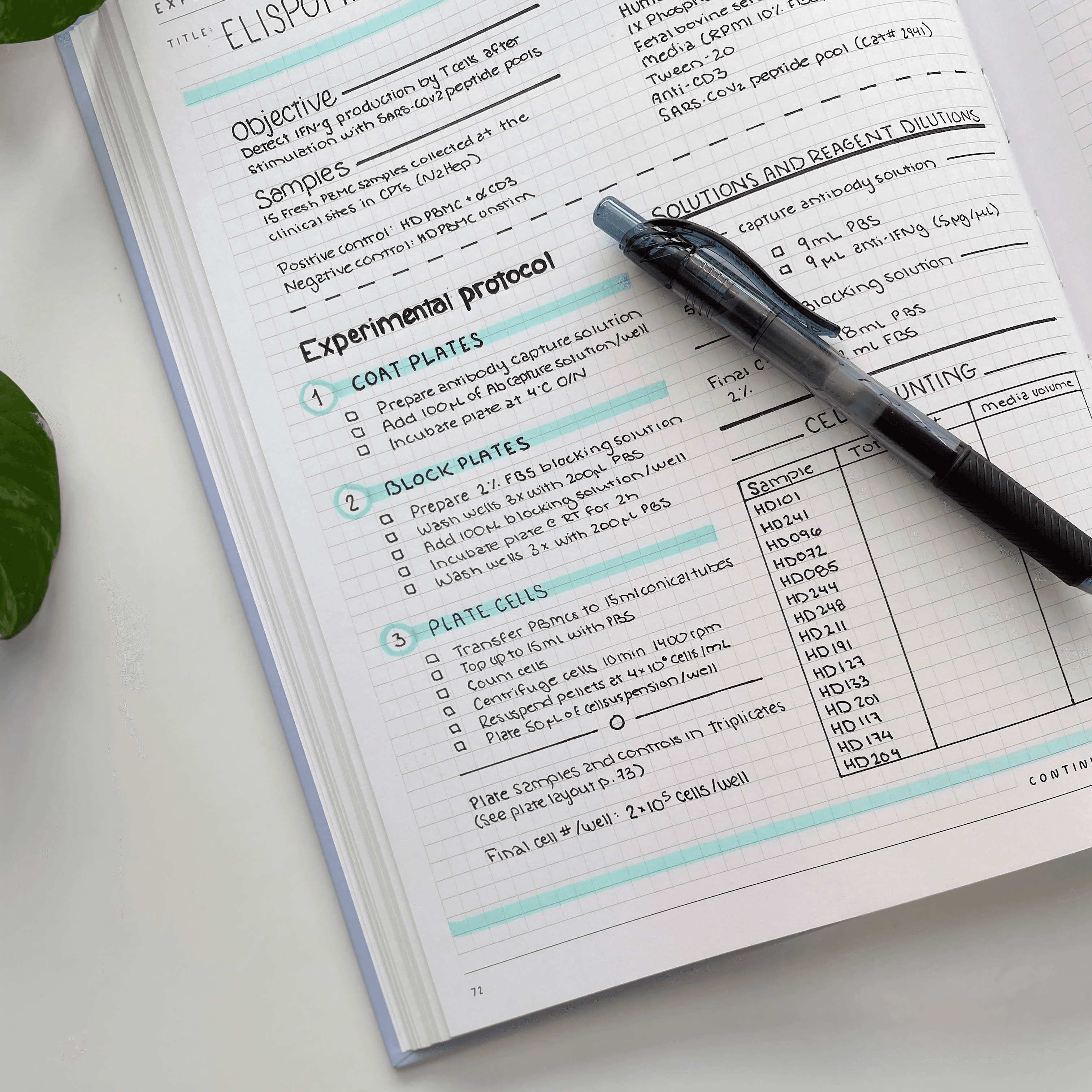
How to keep a lab notebook that reviewers trust
By
Princeton Journal of Pre-Collegiate Research
Read more

How to organize research files across a year-long project
By
Princeton Journal of Pre-Collegiate Research
Read more

How to document your data so you can defend it
By
Princeton Journal of Pre-Collegiate Research
Read more
How to write a grant proposal as a student
By
Princeton Journal of Pre-Collegiate Research
Read more

Free resources that replace research funding
By
Princeton Journal of Pre-Collegiate Research
Read more
Corporate and nonprofit programs that fund student research
By
Princeton Journal of Pre-Collegiate Research
Read more

Science fair grants and material stipends explained
By
Princeton Journal of Pre-Collegiate Research
Read more

Crowdfunding a student research project: does it work
By
Princeton Journal of Pre-Collegiate Research
Read more

How much does a research project actually cost
By
Princeton Journal of Pre-Collegiate Research
Read more

How to ask your school to fund your project
By
Princeton Journal of Pre-Collegiate Research
Read more

Grants for high school research projects: what exists
By
Princeton Journal of Pre-Collegiate Research
Read more

How to start a research club at your school
By
Princeton Journal of Pre-Collegiate Research
Read more