Can you publish a paper you wrote for a class
Princeton Journal of Pre-Collegiate Research

You wrote it. You researched it. You defended it in front of your teacher and maybe a room full of peers. Now you are wondering: can you publish a paper you wrote for a class? The short answer is yes, but with conditions that matter.
Class papers and publishable research are not automatically the same thing. A strong class assignment can absolutely become a published paper. But it takes honest self-assessment, meaningful revision, and an understanding of what peer-reviewed journals actually require. This guide walks you through exactly that.
What Makes a Class Paper Different From a Published Paper
A class paper is written for an audience of one: your instructor. It demonstrates that you understand course material, can synthesize sources, and meet an assignment rubric. A published paper is written for the global academic community. It must contribute something original to a field, not just summarize what others have said.
That distinction is fundamental. A literature review written for AP Research or an IB Extended Essay might be thorough and well-cited, but if it does not present original data, a novel argument, or a new analytical framework, it is not yet ready for peer review. The question is not whether the paper is good. The question is whether it advances knowledge.
Most class papers fall into one of three categories when evaluated for publication potential:
Ready with revision: The paper presents original research, has a clear thesis, and needs editing for format and depth.
Needs significant development: The core idea is publishable, but the methodology, analysis, or literature review requires substantial expansion.
Not suitable as written: The paper is a summary, a reflection, or a response to a prompt that does not lend itself to original contribution.
Knowing which category your paper falls into saves you time and protects your credibility.
Can You Publish a Paper You Wrote for a Class Without Rewriting It?
Rarely. Even strong class papers require meaningful revision before submission to a journal. This is not a flaw in your original work. It reflects the fact that academic publishing has a specific structure, tone, and standard of evidence that classroom assignments are not designed to meet.
Here is what typically needs to change:
Abstract: Most class papers do not include a formal abstract. Journals require one, usually 150 to 250 words summarizing the research question, methodology, findings, and significance.
Literature review: A class paper might cite ten sources. A publishable paper in most disciplines requires a comprehensive review of existing scholarship, demonstrating you know where your work fits in the broader conversation.
Methodology section: If your paper involves original data, experiments, surveys, or analysis, the methodology must be described in enough detail that another researcher could replicate it.
Citation format: Journals specify citation styles. Your class paper might use MLA. The journal might require APA, Chicago, or a discipline-specific format.
Word count and structure: Academic journals have strict submission guidelines. A 2,000-word class essay may need to become a 4,000-word research paper, or vice versa.
Revision is not a sign that your original paper failed. It is the standard process every researcher follows before submission.
The Originality Question: Does Your Paper Contribute Something New?
This is the most important question in academic publishing, and it is the one most students underestimate. Peer-reviewed journals do not publish papers that restate existing knowledge. They publish papers that add to it.
Original contribution does not require a laboratory or a university affiliation. High school students publish original research every year across STEM, humanities, social sciences, and interdisciplinary fields. Originality can take several forms:
A new dataset collected through surveys, interviews, or field observation
A novel application of an existing theory to a new context
A comparative analysis that has not been conducted before
A replication study that tests prior findings in a different population or setting
A close reading or argument about a text, event, or phenomenon that existing scholarship has not addressed
Read your paper with this lens. Ask yourself: what does this paper say that no other paper has said? If you can answer that clearly, you have the foundation of a publishable submission.
Copyright and Prior Submission: What You Need to Know
Before submitting any class paper to a journal, check two things. First, does your school retain any rights to work produced in class? This is uncommon at the high school level, but some research programs and competitions require participants to assign intellectual property rights. Read any agreements you signed.
Second, has any version of this paper been submitted elsewhere? Academic journals require that submitted work is not under review at another journal simultaneously and has not been published in any form previously. A paper posted publicly on a class website, a competition platform, or a school blog may complicate this. Some journals consider prior public posting a form of prior publication. Others do not. Check the journal's submission guidelines carefully before proceeding.
If your paper was submitted to a competition like Regeneron STS or Scholastic Art and Writing Awards, that submission typically does not constitute prior publication. But confirm this with the journal directly if you are uncertain.
How to Evaluate Whether Your Class Paper Is Publishable
Apply these criteria honestly before investing time in revision and submission:
Does it present original research or analysis? Not a summary of others' work, but your own contribution.
Is the argument or finding specific and defensible? Vague theses do not survive peer review.
Is the methodology sound? If you collected data, how did you collect it? How did you control for bias? Can the process be replicated?
Does it engage with existing scholarship? You need to demonstrate awareness of what others have said and explain how your work relates to it.
Is the writing precise and formal? Academic writing is not casual. Every claim must be supported. Every term must be defined.
If your paper meets most of these criteria, it is worth pursuing. If it meets fewer than half, consider whether a more substantial rewrite or a new project would serve you better.
Can You Publish a Paper You Wrote for a Class in a High School Journal?
Yes, and this is often the most appropriate path for first-time authors. Journals specifically designed for pre-collegiate researchers apply peer review standards calibrated to the high school research context. They evaluate work on its merit within that context, not against the output of doctoral researchers or tenured faculty.
Princeton JPCR (not affiliated with Princeton University) publishes original research by high school students across 50+ academic disciplines. Every submission undergoes rigorous double-blind peer review. Accepted papers receive a DOI (digital object identifier), which means the work is permanently indexed and findable by anyone searching the academic literature (it exists forever, findable by anyone). Reviewers provide substantive feedback whether or not a paper is accepted, which means you leave the process a stronger researcher regardless of outcome.
If you are weighing whether this kind of publication is worth pursuing, the evidence on its value for college admissions is worth reading. See Does Published Paper Help College Admissions for a direct analysis of how admissions officers interpret student publications.
The Revision Process: Turning a Class Paper Into a Submission
Approach this as a distinct project, not a quick edit. Set aside the original paper for a few days, then return to it with fresh eyes and ask what a peer reviewer who has never met you would think reading it cold.
Work through these steps in order:
Identify the core contribution. Write one sentence describing what your paper adds to its field. If you cannot write that sentence, the paper needs more development before submission.
Expand the literature review. Use Google Scholar, JSTOR, and discipline-specific databases to find recent scholarship on your topic. Cite sources published within the last five years where possible.
Strengthen the methodology. If your paper involves original data, describe your methods in a dedicated section. Include sample size, data collection procedures, and any limitations.
Revise for precision. Remove vague language. Replace phrases like "many researchers believe" with specific citations. Every claim needs a source or a demonstration.
Format for the target journal. Download the journal's author guidelines and follow them exactly. Journals reject papers on formatting grounds before peer review even begins.
For students outside the United States navigating this process, the path is the same but the resources available locally may differ. Students in India, Canada, and Australia have successfully published class-derived research in international journals. See How To Publish Research High School Student India and How To Get Research Published High School Student Canada for region-specific guidance.
What Happens After You Submit
Peer review takes time. Expect a wait of several weeks to a few months depending on the journal. During that time, do not submit the same paper elsewhere (this is called simultaneous submission and most journals prohibit it explicitly).
When you receive a decision, it will typically be one of four outcomes: accept, accept with minor revisions, revise and resubmit, or reject. Rejection is not failure. Most published papers were rejected at least once before finding a home. Use reviewer feedback to strengthen the paper and submit to another journal.
If your paper is accepted and published, document it carefully. A published paper with a DOI is a permanent academic credential. If you are unsure how to represent it on applications and resumes, How To List Published Papers Resume High School covers the exact format and placement conventions.
And if you are a parent evaluating whether the investment of time and, in some cases, a publication fee is worthwhile, Is It Worth Paying For My Childs Research To Be Published addresses that question directly.
Can You Publish a Paper You Wrote for a Class? Yes, If You Do the Work
The answer is yes, but the conditions are real. A class paper is a starting point, not a finished submission. The students who successfully publish their class work are the ones who treat revision as seriously as the original research, who engage honestly with peer review, and who choose journals with genuine standards (not every journal that accepts student work applies meaningful review).
Original contribution matters. Methodology matters. Engagement with existing scholarship matters. These are not bureaucratic hurdles. They are the standards that make published research worth reading.
If your class paper has something original to say, do not let it sit in a folder. Revise it, format it, and submit it. The peer review process will tell you where it stands, and the feedback will make you a stronger researcher either way (you leave better than you arrived).
Explore more on the Blogs page, or visit Princeton JPCR to review submission guidelines and begin the process.
Read More

Can high school students be peer reviewers
By
Princeton Journal of Pre-Collegiate Research
Read more

What reviewing other papers teaches you about your own
By
Princeton Journal of Pre-Collegiate Research
Read more
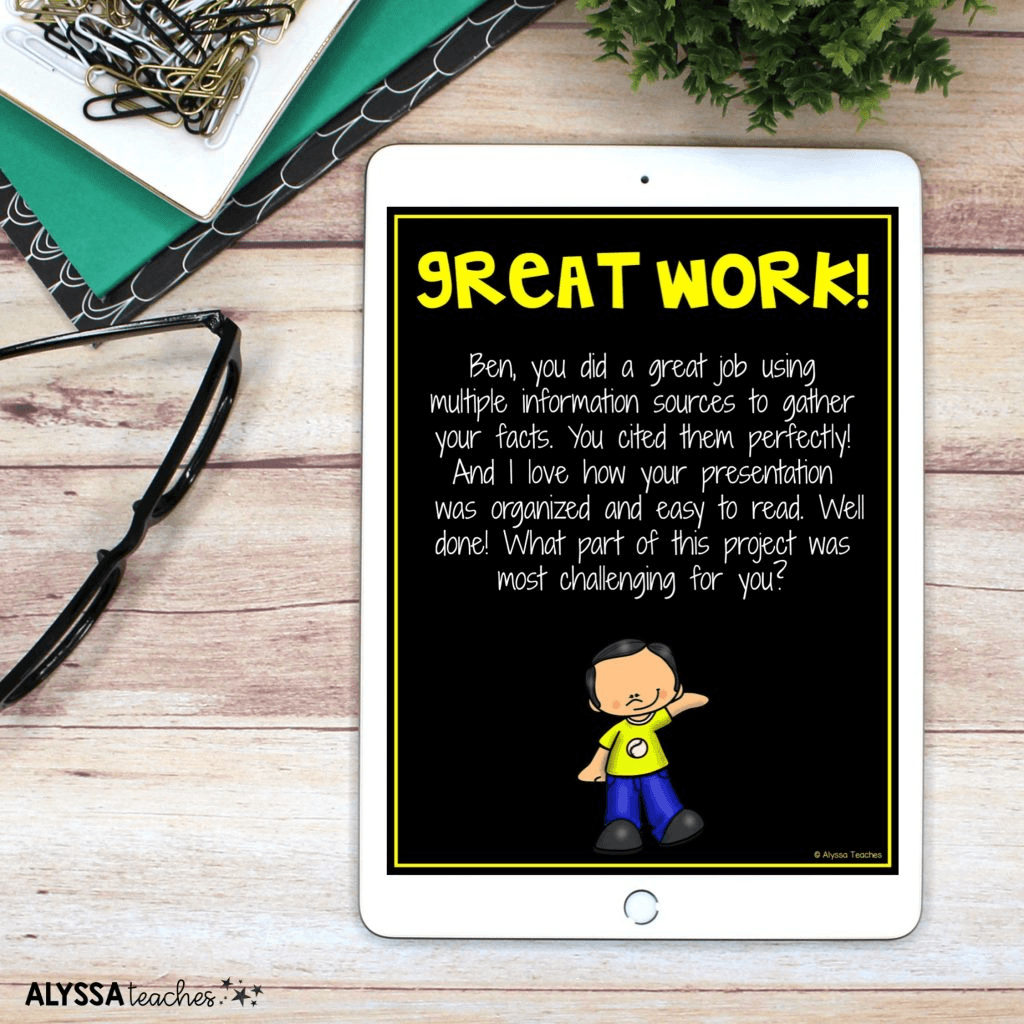
How to give useful feedback on a classmate's paper
By
Princeton Journal of Pre-Collegiate Research
Read more

Student editorial boards: how they work
By
Princeton Journal of Pre-Collegiate Research
Read more
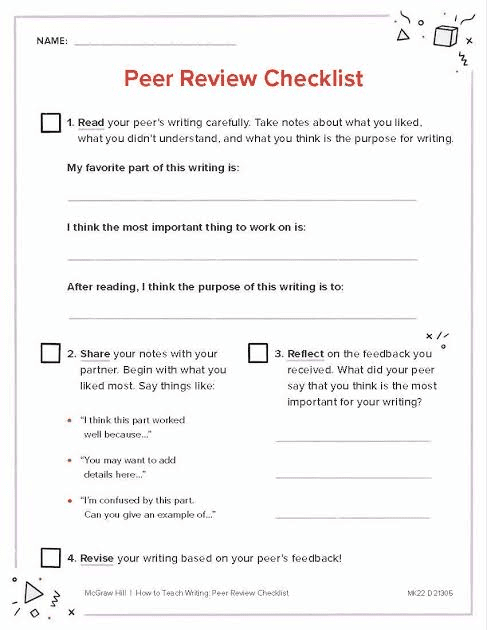
How to write a peer review as a student
By
Princeton Journal of Pre-Collegiate Research
Read more

Peer review etiquette: tone, structure, fairness
By
Princeton Journal of Pre-Collegiate Research
Read more

Version control for research documents
By
Princeton Journal of Pre-Collegiate Research
Read more

Digital vs paper lab notebooks for students
By
Princeton Journal of Pre-Collegiate Research
Read more

Data management basics for student researchers
By
Princeton Journal of Pre-Collegiate Research
Read more
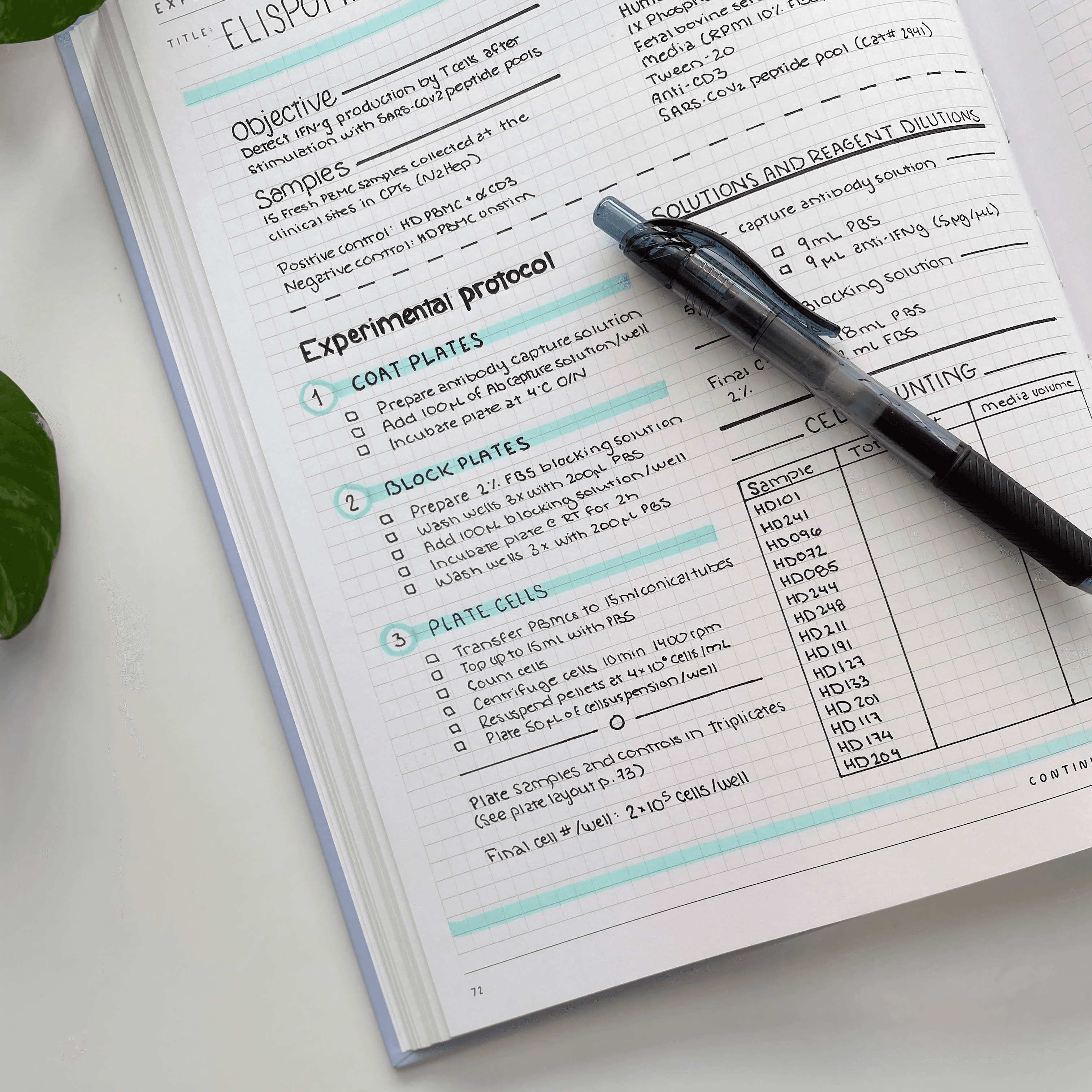
How to keep a lab notebook that reviewers trust
By
Princeton Journal of Pre-Collegiate Research
Read more

How to organize research files across a year-long project
By
Princeton Journal of Pre-Collegiate Research
Read more

How to document your data so you can defend it
By
Princeton Journal of Pre-Collegiate Research
Read more
How to write a grant proposal as a student
By
Princeton Journal of Pre-Collegiate Research
Read more
Free resources that replace research funding
By
Princeton Journal of Pre-Collegiate Research
Read more
Corporate and nonprofit programs that fund student research
By
Princeton Journal of Pre-Collegiate Research
Read more

Science fair grants and material stipends explained
By
Princeton Journal of Pre-Collegiate Research
Read more

Crowdfunding a student research project: does it work
By
Princeton Journal of Pre-Collegiate Research
Read more

How much does a research project actually cost
By
Princeton Journal of Pre-Collegiate Research
Read more

How to ask your school to fund your project
By
Princeton Journal of Pre-Collegiate Research
Read more

Grants for high school research projects: what exists
By
Princeton Journal of Pre-Collegiate Research
Read more

How to start a research club at your school
By
Princeton Journal of Pre-Collegiate Research
Read more