How to turn a school capstone project into a published paper
Princeton Journal of Pre-Collegiate Research

If you've recently completed a capstone project, you may be sitting on more value than you realize. Learning how to turn a school capstone project into a published paper is one of the most rewarding steps you can take as a student or early-career researcher. Your capstone already contains original research, structured arguments, and academic rigor — the core ingredients of a publishable manuscript. With the right approach, you can transform that hard work into a peer-reviewed publication that advances your career and contributes to your field.
This guide walks you through every stage of the process, from evaluating your capstone's publication potential to submitting your final manuscript to a journal.
Why How to Turn a School Capstone Project into a Published Paper Matters for Your Career
Publishing your capstone project signals to graduate schools, employers, and academic communities that you can produce original, credible work. A published paper strengthens your CV, demonstrates intellectual initiative, and opens doors to research collaborations. Many students assume that only PhD dissertations are worth publishing, but undergraduate and master's capstone projects are frequently accepted by peer-reviewed journals, especially in fields like education, public health, social sciences, engineering, and business.
Beyond career benefits, publishing contributes to the collective body of knowledge in your discipline. Your findings — even if narrowly focused — may fill a gap that other researchers have overlooked.
Step 1: Evaluate Your Capstone's Publication Potential
Not every capstone project is immediately ready for publication, but most have a strong foundation. Begin by asking yourself these questions:
Does my project present original data, analysis, or a novel theoretical framework?
Does it address a gap in existing literature?
Is the methodology sound and replicable?
Are the conclusions supported by evidence?
If you answered yes to most of these, your project has real publication potential. Even if your sample size was small or your scope was limited, many journals welcome focused, well-executed studies. Niche journals, in particular, value depth over breadth.
Talk to your capstone advisor or a faculty mentor about your intentions. They can give you an honest assessment and may even offer to co-author the paper with you, which can significantly improve your chances of acceptance.
Step 2: Identify the Right Journal Before You Rewrite
One of the biggest mistakes student researchers make is rewriting their capstone without a target journal in mind. Different journals have different formatting requirements, word limits, citation styles, and audience expectations. Choosing your target journal first saves you from doing double the work.
Here's how to find the right fit:
Search databases: Use Google Scholar, PubMed, JSTOR, or your institution's library portal to find journals that publish work similar to yours.
Check the journals your capstone cites: If you cited a journal frequently, it likely covers your topic area.
Review the journal's scope and aims: Most journals publish this information on their website. Make sure your paper aligns with their stated focus.
Consider open-access options: Journals like PLOS ONE or MDPI publications are peer-reviewed and open access, making them accessible to a wider audience.
Look at impact factor and indexing: Higher-impact journals are more competitive but carry more prestige. Start with journals that are realistic for your level of experience.
Once you've identified two or three candidate journals, read several published articles in each to understand the tone, structure, and depth expected.
Step 3: Restructure Your Capstone into a Journal Article Format
A capstone project and a journal article are structurally different. Capstones often include extensive background sections, reflective components, and appendices that journals don't want. You'll need to restructure your content to fit the standard academic article format, which typically includes:
Abstract: A concise summary of your research question, methodology, findings, and implications (usually 150–300 words).
Introduction: Establishes the research problem, reviews relevant literature, and states your research question or hypothesis.
Methodology: Describes your research design, data collection methods, and analytical approach in enough detail for replication.
Results: Presents your findings objectively, often using tables, figures, or statistical summaries.
Discussion: Interprets your results, connects them to existing literature, and addresses limitations.
Conclusion: Summarizes key takeaways and suggests directions for future research.
References: Formatted according to the journal's required citation style.
Cut anything that doesn't serve the argument. Capstones often run 40–80 pages, while most journal articles are 5,000–8,000 words. Be ruthless about trimming redundancy, excessive background, and tangential discussions.
Step 4: Sharpen Your Literature Review and Theoretical Framework
Journals expect your literature review to be current, focused, and directly relevant to your argument. Review the sources you cited in your capstone and ask whether they are still the most relevant and up-to-date references available. Add any recent publications (within the last two to three years) that have emerged since you completed your project.
Your theoretical framework should be clearly articulated and consistently applied throughout the paper. If your capstone used a framework loosely, tighten it up. Reviewers will scrutinize whether your analysis genuinely reflects the theoretical lens you claim to use.
Step 5: Strengthen Your Methodology Section
Peer reviewers pay close attention to methodology. Your methods section must be transparent, detailed, and defensible. Address the following:
Why did you choose your research design (qualitative, quantitative, mixed methods)?
How did you select your sample or data sources?
What instruments or tools did you use, and were they validated?
How did you analyze the data?
What steps did you take to ensure validity and reliability?
What are the limitations of your approach?
If your capstone had methodological weaknesses, acknowledge them honestly in the limitations section. Reviewers respect transparency far more than they respect overconfidence.
How to Turn a School Capstone Project into a Published Paper: Navigating the Submission Process
Once your manuscript is polished, it's time to submit. Here's what the process typically looks like:
Prepare your submission package. Most journals require a cover letter, your manuscript (often anonymized for blind review), and sometimes supplementary materials. Your cover letter should briefly explain what your paper contributes to the field and why it's a good fit for that specific journal.
Follow formatting guidelines exactly. Journals are strict about formatting. Use the correct citation style, adhere to word limits, format headings correctly, and follow any specific instructions for figures and tables. Failure to follow guidelines is one of the most common reasons manuscripts are desk-rejected before peer review even begins.
Submit through the journal's online portal. Most journals use platforms like ScholarOne, Editorial Manager, or Open Journal Systems. Create an account, follow the submission steps, and upload your files.
Wait for the editorial decision. Peer review typically takes four to twelve weeks, though timelines vary widely. You may receive one of four responses: acceptance, minor revisions, major revisions, or rejection. Minor and major revision requests are actually positive signs — they mean the journal sees merit in your work.
Step 6: Respond to Peer Review Feedback Professionally
If you receive a request for revisions, respond carefully and professionally. Create a detailed response document that addresses each reviewer comment point by point. Explain what changes you made and why. If you disagree with a suggestion, explain your reasoning respectfully and provide evidence to support your position.
Revisions are a normal part of the publication process. Even experienced researchers rarely publish without revisions. Treat reviewer feedback as free expert consultation — it almost always makes your paper stronger.
Step 7: Handle Rejection and Resubmit Strategically
Rejection is common and does not mean your work lacks value. Many landmark papers were rejected multiple times before finding the right home. When you receive a rejection, read the reviewer comments carefully. Use the feedback to improve your manuscript, then identify your next target journal and resubmit.
Each rejection is an opportunity to refine your work. Keep a list of journals ranked by fit and prestige, and work your way through the list systematically. Persistence is the defining trait of successful academic authors.
Practical Tips to Accelerate Your Path to Publication
Work with a mentor: A faculty advisor or experienced researcher can guide you through the process, help you avoid common mistakes, and may offer to co-author the paper.
Use your institution's writing center: Many universities offer academic writing support specifically for research manuscripts.
Join a writing group: Peer accountability helps you stay on schedule and get constructive feedback before submission.
Consider conference presentations first: Presenting your research at a conference can help you refine your argument and build connections with journal editors and reviewers in your field.
Be patient: The publication process takes time. Start early and set realistic milestones for each stage.
Final Thoughts
Understanding how to turn a school capstone project into a published paper is a skill that pays dividends throughout your academic and professional life. Your capstone represents months of focused effort, original thinking, and disciplined research. With strategic restructuring, targeted journal selection, and persistence through the review process, that work can reach a global audience and make a genuine contribution to your field.
Start today. Review your capstone with fresh eyes, identify your target journal, and take the first step toward becoming a published researcher. The process is challenging, but it is entirely achievable — and the rewards are well worth the effort.
Read More

Can high school students be peer reviewers
By
Princeton Journal of Pre-Collegiate Research
Read more

What reviewing other papers teaches you about your own
By
Princeton Journal of Pre-Collegiate Research
Read more
How to give useful feedback on a classmate's paper
By
Princeton Journal of Pre-Collegiate Research
Read more

Student editorial boards: how they work
By
Princeton Journal of Pre-Collegiate Research
Read more
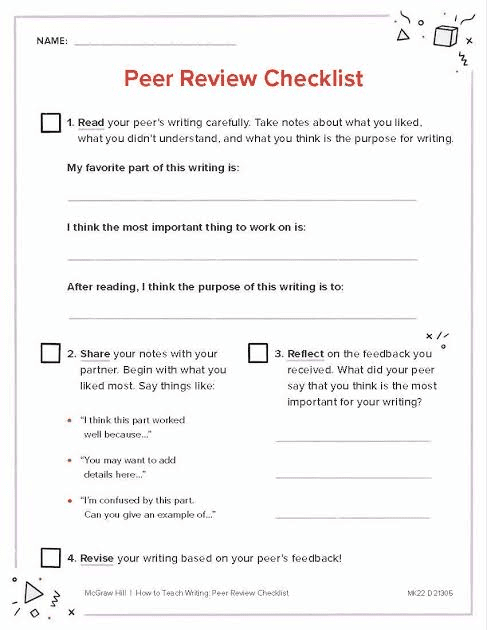
How to write a peer review as a student
By
Princeton Journal of Pre-Collegiate Research
Read more

Peer review etiquette: tone, structure, fairness
By
Princeton Journal of Pre-Collegiate Research
Read more

Version control for research documents
By
Princeton Journal of Pre-Collegiate Research
Read more

Digital vs paper lab notebooks for students
By
Princeton Journal of Pre-Collegiate Research
Read more

Data management basics for student researchers
By
Princeton Journal of Pre-Collegiate Research
Read more
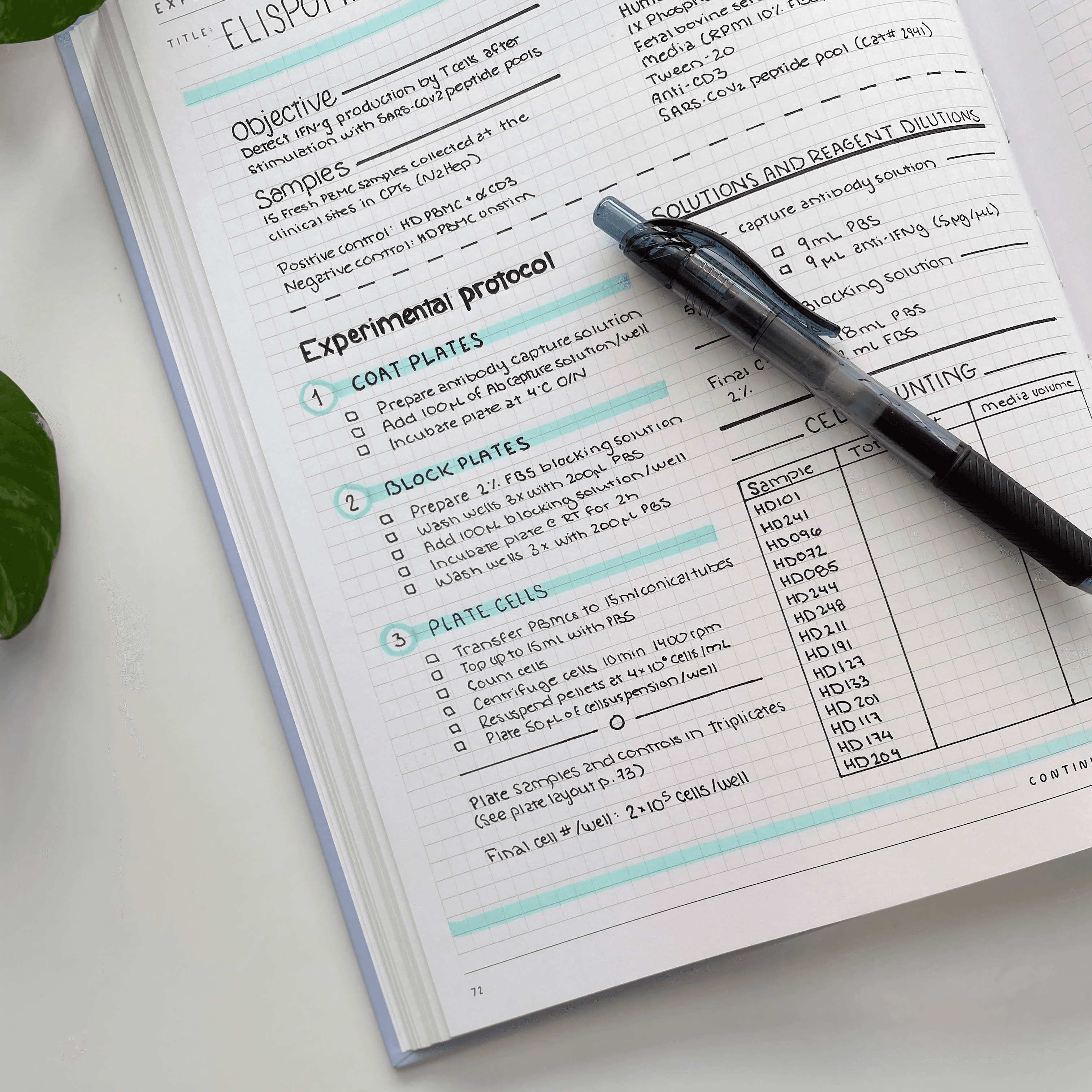
How to keep a lab notebook that reviewers trust
By
Princeton Journal of Pre-Collegiate Research
Read more

How to organize research files across a year-long project
By
Princeton Journal of Pre-Collegiate Research
Read more

How to document your data so you can defend it
By
Princeton Journal of Pre-Collegiate Research
Read more
How to write a grant proposal as a student
By
Princeton Journal of Pre-Collegiate Research
Read more
Free resources that replace research funding
By
Princeton Journal of Pre-Collegiate Research
Read more
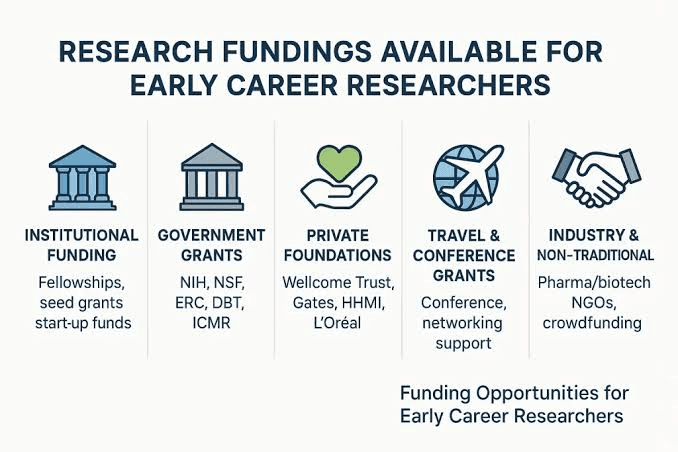
Corporate and nonprofit programs that fund student research
By
Princeton Journal of Pre-Collegiate Research
Read more

Science fair grants and material stipends explained
By
Princeton Journal of Pre-Collegiate Research
Read more

Crowdfunding a student research project: does it work
By
Princeton Journal of Pre-Collegiate Research
Read more

How much does a research project actually cost
By
Princeton Journal of Pre-Collegiate Research
Read more

How to ask your school to fund your project
By
Princeton Journal of Pre-Collegiate Research
Read more

Grants for high school research projects: what exists
By
Princeton Journal of Pre-Collegiate Research
Read more

How to start a research club at your school
By
Princeton Journal of Pre-Collegiate Research
Read more