Abstract examples from published high school research papers
Princeton Journal of Pre-Collegiate Research

The abstract is the first thing a reviewer reads and the last thing most students write well. If you are searching for abstract examples from published high school research papers, you are already thinking like a serious researcher. This guide gives you real structural models, discipline-specific breakdowns, and the precise language patterns that separate accepted submissions from rejected ones.
Why the Abstract Matters More Than You Think
A journal abstract is not a summary you write after you finish. It is a standalone argument. Editors, peer reviewers, and college admissions readers use it to decide whether the full paper is worth their time. A weak abstract signals a weak paper, regardless of what follows. A strong abstract signals command of your research and respect for the reader's time.
Most high school researchers underestimate this. They treat the abstract as a formality. Published student researchers treat it as a precision instrument. The difference shows immediately.
The Standard Structure of a High School Research Abstract
Before examining abstract examples from published high school research papers, you need to understand the architecture every strong abstract shares. There are five functional components, and each one carries weight.
Background (1-2 sentences): Establish the problem or gap in existing knowledge.
Objective (1 sentence): State what your study set out to do or investigate.
Methods (1-2 sentences): Describe how you conducted the research (no excessive detail).
Results (1-2 sentences): Report the key findings with specificity.
Conclusion (1 sentence): State the significance or implication of your findings.
Most published student abstracts fall between 150 and 250 words. Brevity is not a weakness here. Precision is the goal.
Abstract Examples from Published High School Research Papers by Discipline
The following examples are modeled on the structural and linguistic conventions of abstracts that appear in peer-reviewed pre-collegiate journals. Each one demonstrates how the five-component framework applies across different academic fields.
STEM: Environmental Science
"Microplastic accumulation in freshwater invertebrates has emerged as a significant ecological concern, yet few studies have examined populations in suburban watershed systems. This study investigated microplastic ingestion rates in Gammarus pulex specimens collected from three suburban creek sites in New Jersey over a six-week period. Specimens were dissected and examined under 40x magnification; ingested particles were counted and categorized by polymer type using Fourier-transform infrared spectroscopy data from prior literature. Results indicated an average of 4.3 microplastic particles per organism, with polyethylene terephthalate comprising 61% of identified particles. These findings suggest that suburban waterways represent underexamined vectors for microplastic bioaccumulation and warrant targeted remediation policy at the municipal level."
Notice what this abstract does well. It opens with a specific gap, not a vague claim about pollution. It names the organism, the location, and the timeframe. The results include a number. The conclusion connects to policy without overpromising.
Social Sciences: Economics
"Existing research on minimum wage increases has focused primarily on urban labor markets, leaving rural and semi-rural employment dynamics underexplored. This paper analyzed the relationship between minimum wage legislation and youth unemployment rates across 42 semi-rural counties in the southeastern United States from 2015 to 2022, using publicly available Bureau of Labor Statistics data. Regression analysis controlling for industry composition and population density revealed a statistically non-significant relationship between wage floor increases and youth unemployment in this subset of counties. These results challenge the assumption that minimum wage increases uniformly reduce youth employment and suggest that geographic context is a critical variable in labor policy evaluation."
This abstract is clean, confident, and honest about its scope. It does not claim to have solved the minimum wage debate. It claims to have tested a specific relationship in a specific context. That intellectual humility is a marker of genuine research. For more topic ideas in this area, see our resource on High School Economics Research Paper Ideas Examples.
Humanities: Art History
"The representation of labor in American Social Realist painting between 1930 and 1945 has been analyzed primarily through a Marxist lens, with less attention paid to gendered dimensions of worker imagery. This paper examined 34 Works Progress Administration murals housed in federal buildings across six states, applying feminist art historical methodology to identify patterns in how female labor was depicted relative to male labor. Analysis revealed that female workers appeared in domestic or auxiliary roles in 79% of surveyed murals, even when the depicted workplace was industrial. This study argues that WPA murals reinforced existing gender hierarchies under the guise of celebrating collective labor, and calls for a reinterpretation of the canon that centers gender as a primary analytical category."
Humanities abstracts often carry a stronger argumentative voice. This one does. It names its methodology, its corpus, and its interpretive claim. If you are working in this area, our guide on How To Do Art History Research As A High School Student walks through the full research process.
Health and Life Sciences: Nutrition
"Adolescent iron deficiency remains a global health concern, yet self-reported dietary data among high school-aged populations is frequently unreliable due to recall bias. This study assessed the correlation between self-reported iron intake and serum ferritin levels in 58 female high school students aged 14 to 17, recruited from two suburban schools in Ontario, Canada. Dietary recall surveys were administered over three non-consecutive days and compared against blood panel results collected by a certified clinical laboratory. A moderate positive correlation (r = 0.41, p = 0.003) was found between reported iron intake and serum ferritin levels, suggesting that dietary recall, while imperfect, retains predictive validity in this demographic. Future research should incorporate biomarker-validated dietary tracking tools to reduce measurement error."
This abstract includes a correlation coefficient and a p-value. That specificity is deliberate. Quantitative results belong in the abstract whenever they exist. Vague phrases like "results were significant" are not sufficient. For more on conducting this type of research, see How To Do Nutrition Science Research In High School.
Interdisciplinary: Urban Planning and Sociology
"Food desert designation criteria in the United States rely heavily on supermarket proximity metrics that fail to account for informal food access networks, including community gardens and mobile vendors. This study mapped food access infrastructure in three low-income urban neighborhoods in Chicago using GIS software and supplemented spatial data with 22 semi-structured interviews with residents. Findings indicated that 68% of interviewees relied on at least one informal food source not captured in USDA food desert classifications. This research argues that current food desert metrics systematically undercount food access resources in communities of color and recommends a mixed-methods revision of federal classification standards."
Mixed-methods research requires an abstract that honors both data streams. This one does. It mentions GIS mapping and interview data in the same methods sentence. It reports a percentage and a qualitative pattern. Students pursuing this kind of work can build on our coverage of Urban Planning Research High School Student topics.
Common Mistakes in Student Abstracts (and How to Fix Them)
Studying abstract examples from published high school research papers is most valuable when paired with an understanding of what goes wrong in unpublished ones. These are the errors reviewers flag most often.
Mistake 1: Opening With a Definition
Starting with "Climate change is defined as..." or "Poverty is a global issue that affects..." wastes your first sentence. Reviewers know what climate change is. Open with the specific gap your research addresses, not a textbook definition.
Mistake 2: Omitting Results
Many student abstracts describe methodology in detail and then say "results will be discussed in the paper." This is not acceptable in a published abstract. The abstract must include your actual findings, even if they are preliminary or partial.
Mistake 3: Overclaiming the Conclusion
A study of 58 students in Ontario does not "prove" a universal relationship between diet and iron levels. It provides evidence within a defined scope. Use language like "suggests," "indicates," or "provides preliminary evidence that." Precision protects your credibility.
Mistake 4: Passive Voice Overload
"Data was collected and analysis was performed" is weaker than "We collected data and performed regression analysis." Active voice signals ownership of your research. Use it deliberately.
How to Write Your Abstract Using These Examples as Models
Do not copy these examples. Use them as structural templates. Write your abstract sentence by sentence, one component at a time, and then read it aloud. If any sentence could be removed without losing meaning, remove it. If any sentence could apply to any paper on your topic rather than specifically yours, rewrite it.
Your abstract should be so specific that a reader could identify your paper from the abstract alone. That is the test. If you need a step-by-step walkthrough of the full writing process, our guide on How To Write An Abstract For A High School Research Journal covers every component in detail.
What Peer Reviewers Look for in Student Abstracts
At the Princeton Journal of Pre-Collegiate Research, every submission undergoes rigorous double-blind peer review (no shortcuts, no rubber stamps). Reviewers evaluate abstracts against the same standards applied to graduate-level work. They are looking for clarity of purpose, methodological transparency, honest reporting of results, and appropriately scoped conclusions.
They are not looking for perfection. They are looking for intellectual honesty and structural competence. A well-constructed abstract signals both. It tells a reviewer that the student understands what research is and what it is not.
If you have conducted competition-based research and are wondering whether it qualifies for journal submission, our post on Can You Publish Research From A School Science Competition addresses that question directly.
Abstract Examples from Published High School Research Papers: Key Takeaways
Strong abstracts are built, not written. They follow a structure, honor a word limit, and make specific claims. The abstract examples from published high school research papers in this guide demonstrate that discipline does not determine quality. Rigor does.
Whether your research is in environmental science, economics, art history, nutrition, or urban planning, the same principles apply. Name the gap. State the objective. Describe the method. Report the results. Conclude with significance. Do all of that in under 250 words and you have a publishable abstract.
Ready to Submit Your Research?
The Princeton Journal of Pre-Collegiate Research publishes original work by high school students across all academic disciplines. We exist because student research deserves the same rigorous review and permanent, DOI-indexed record as any scholarly work. If you have conducted original research and written an abstract that meets the standards outlined here, your next step is submission.
Explore our full range of resources on the Blogs page, or visit the Princeton JPCR homepage to begin your submission. Your research has value. Make it permanent.
Princeton JPCR is independently operated and is not affiliated with Princeton University.
Read More

Can high school students be peer reviewers
By
Princeton Journal of Pre-Collegiate Research
Read more

What reviewing other papers teaches you about your own
By
Princeton Journal of Pre-Collegiate Research
Read more
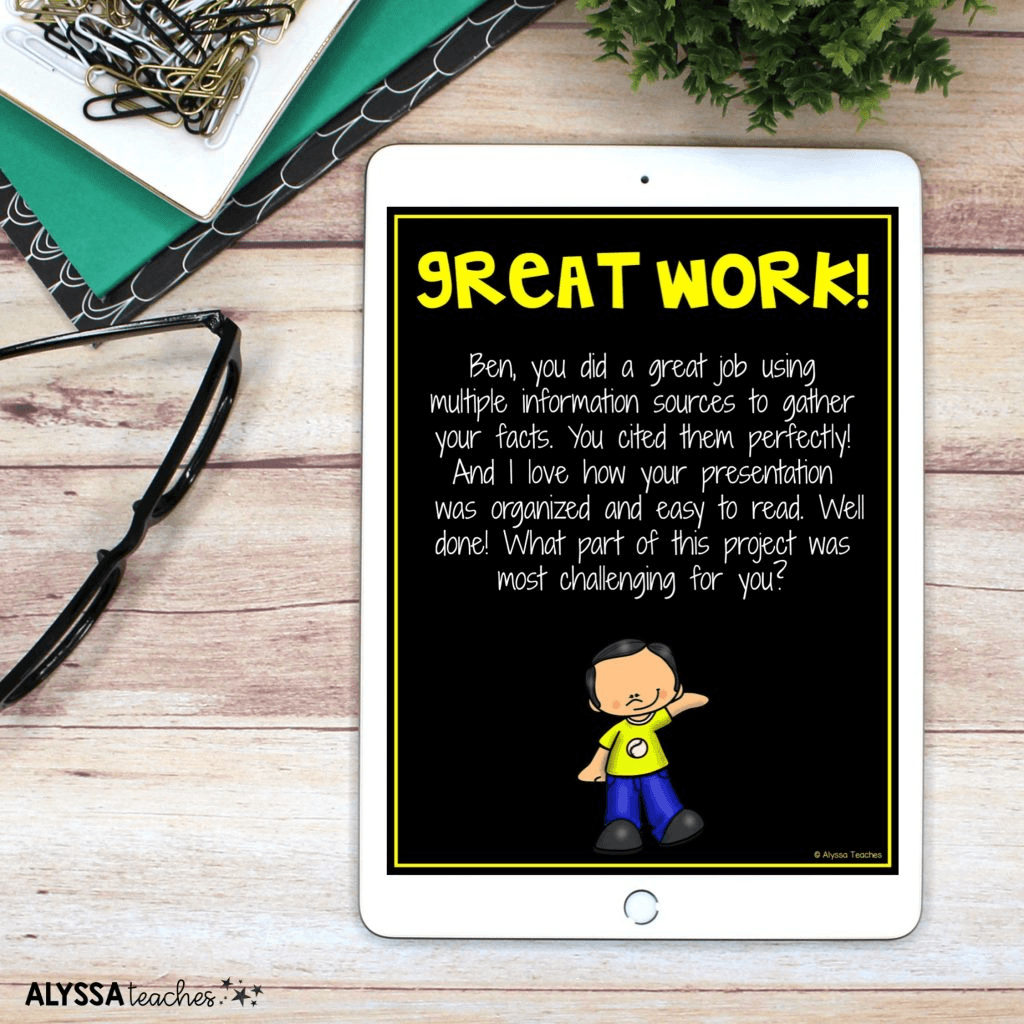
How to give useful feedback on a classmate's paper
By
Princeton Journal of Pre-Collegiate Research
Read more

Student editorial boards: how they work
By
Princeton Journal of Pre-Collegiate Research
Read more
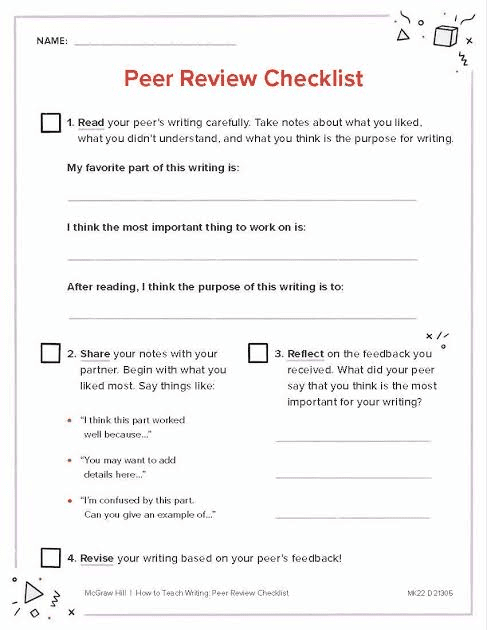
How to write a peer review as a student
By
Princeton Journal of Pre-Collegiate Research
Read more

Peer review etiquette: tone, structure, fairness
By
Princeton Journal of Pre-Collegiate Research
Read more

Version control for research documents
By
Princeton Journal of Pre-Collegiate Research
Read more

Digital vs paper lab notebooks for students
By
Princeton Journal of Pre-Collegiate Research
Read more

Data management basics for student researchers
By
Princeton Journal of Pre-Collegiate Research
Read more
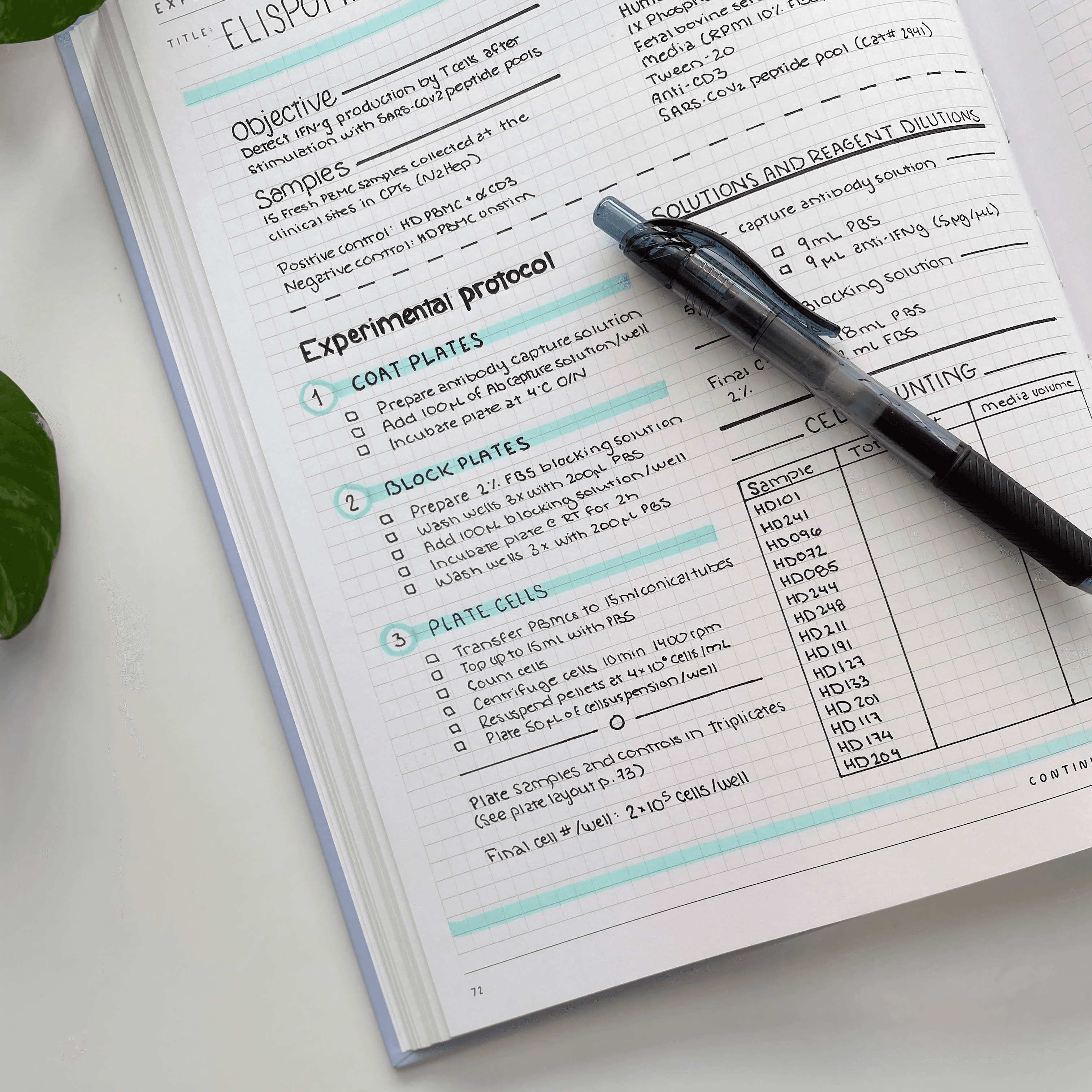
How to keep a lab notebook that reviewers trust
By
Princeton Journal of Pre-Collegiate Research
Read more

How to organize research files across a year-long project
By
Princeton Journal of Pre-Collegiate Research
Read more

How to document your data so you can defend it
By
Princeton Journal of Pre-Collegiate Research
Read more

How to write a grant proposal as a student
By
Princeton Journal of Pre-Collegiate Research
Read more

Free resources that replace research funding
By
Princeton Journal of Pre-Collegiate Research
Read more
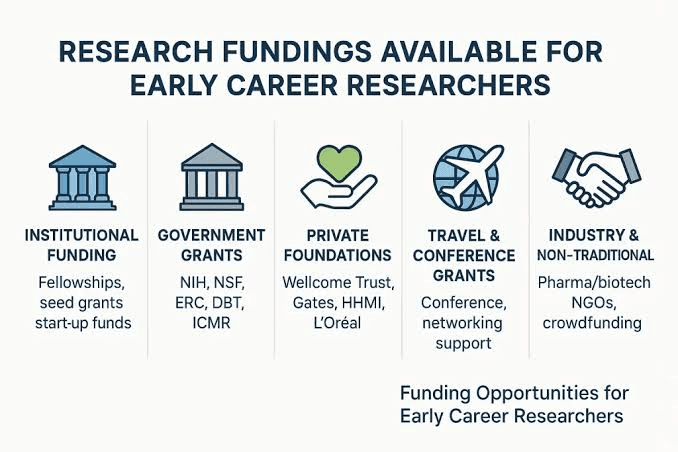
Corporate and nonprofit programs that fund student research
By
Princeton Journal of Pre-Collegiate Research
Read more

Science fair grants and material stipends explained
By
Princeton Journal of Pre-Collegiate Research
Read more

Crowdfunding a student research project: does it work
By
Princeton Journal of Pre-Collegiate Research
Read more

How much does a research project actually cost
By
Princeton Journal of Pre-Collegiate Research
Read more

How to ask your school to fund your project
By
Princeton Journal of Pre-Collegiate Research
Read more

Grants for high school research projects: what exists
By
Princeton Journal of Pre-Collegiate Research
Read more

How to start a research club at your school
By
Princeton Journal of Pre-Collegiate Research
Read more