Research paper title examples: strong vs weak titles compared
Princeton Journal of Pre-Collegiate Research

Your title is the first thing a reviewer reads. It is also the last thing many readers remember. If you are looking at research paper title examples to understand what separates a strong title from a weak one, you are already asking the right question.
A weak title loses readers before they reach your abstract. A strong title earns their attention and signals that the research inside is worth their time. This guide breaks down exactly what makes the difference, with direct comparisons you can apply to your own work immediately.
Why Your Research Paper Title Matters More Than You Think
Academic journals receive hundreds of submissions. Reviewers are busy. A vague or bloated title signals one of two things: the researcher does not understand their own contribution, or they did not take the writing seriously. Neither impression serves you well.
A well-crafted title does three things simultaneously. It identifies the topic with precision. It communicates the scope of the study. And it gives the reader a reason to keep reading. Titles that accomplish all three are rare, which is exactly why they stand out.
For high school researchers submitting to peer-reviewed journals, this matters even more. You are already working against assumptions about student-level work. A sharp, professional title immediately counters those assumptions. It signals rigor before a single sentence of your paper is read.
If you want a deeper foundation before tackling your title, start with How To Write A Strong Title For A Research Paper for a full structural walkthrough.
The Anatomy of a Strong Research Paper Title
Strong titles share a consistent structure. They are specific without being exhaustive. They use precise language rather than broad descriptors. They often signal the methodology or the finding, not just the general subject area.
Here are the core components of a strong title:
Specificity: Names the exact phenomenon, population, or variable under study
Scope: Communicates what the paper covers and, implicitly, what it does not
Clarity: Uses plain academic language, not jargon for its own sake
Accuracy: Reflects what the paper actually argues or finds
Length: Typically 10 to 15 words (long enough to be specific, short enough to be readable)
Weak titles fail on at least one of these dimensions. Most fail on two or three. The comparison examples below make this concrete.
Research Paper Title Examples: Strong vs Weak Titles Compared
This is where the real learning happens. Read each pair carefully. Notice not just what changes, but why the change matters.
Example 1: Environmental Science
Weak: "A Study on Pollution and Its Effects"
Strong: "Microplastic Concentration in Urban Stormwater Runoff: A Comparative Analysis of Three Mid-Atlantic Watersheds"
The weak title tells us almost nothing. What kind of pollution? What effects? On whom or what? The strong title identifies the specific contaminant (microplastics), the specific source (urban stormwater runoff), the methodology (comparative analysis), and the geographic scope (three Mid-Atlantic watersheds). A reader knows exactly what they are getting before they open the paper.
Example 2: Psychology and Behavioral Science
Weak: "Social Media and Mental Health in Teenagers"
Strong: "Passive Social Media Use and Depressive Symptoms Among Adolescents Ages 14-17: Evidence from a Cross-Sectional Survey"
The weak version is a topic, not a title. It describes a broad conversation, not a specific study. The strong version distinguishes passive use from active use (a meaningful methodological distinction), names the outcome variable (depressive symptoms), specifies the population (ages 14-17), and signals the study design (cross-sectional survey). Every word is doing work.
Example 3: History and Humanities
Weak: "Women in World War II"
Strong: "Labor Mobilization and Gender Norms: The Transformation of Women's Industrial Roles in Britain, 1939-1945"
The weak title could describe a textbook chapter, a documentary, or a 500-page monograph. It communicates nothing about argument or angle. The strong title signals a specific analytical lens (labor mobilization and gender norms), a geographic focus (Britain), and a defined time period. It also implies a thesis: that roles were transformed, not simply expanded.
Example 4: Computer Science and Technology
Weak: "Machine Learning for Better Predictions"
Strong: "Gradient Boosting vs. Neural Networks for Short-Term Energy Demand Forecasting in Residential Buildings"
The weak title is almost meaningless. Better predictions of what? Using which methods? The strong title names the competing methodologies (gradient boosting vs. neural networks), the application domain (energy demand forecasting), the time frame (short-term), and the setting (residential buildings). A specialist reading this title knows immediately whether the paper is relevant to their work.
Example 5: Public Health and Social Science
Weak: "Food Deserts and Health Outcomes"
Strong: "Proximity to Grocery Stores and Obesity Rates Among Low-Income Children in Chicago's South Side: A Geospatial Analysis"
The weak title uses a familiar term (food deserts) without specifying what aspect of the problem is being studied or what health outcomes are in scope. The strong title names the independent variable (proximity to grocery stores), the dependent variable (obesity rates), the population (low-income children), the location (Chicago's South Side), and the method (geospatial analysis). Nothing is left to guesswork.
Common Patterns in Weak Titles (And How to Fix Them)
After reviewing these examples, patterns emerge. Weak titles tend to fall into predictable categories. Recognizing them in your own draft is the first step to correcting them.
The Topic Dump
This is the most common error. The writer lists a broad subject area without indicating what angle, argument, or method the paper takes. "Climate Change and Agriculture" is a topic dump. It tells us the general neighborhood, not the address. Fix it by asking: what specifically about this topic? What did you find or argue?
The Vague Descriptor
Words like "effects," "impact," "study," "analysis," and "investigation" appear in thousands of titles. They are not wrong on their own, but they become weak when they replace specificity rather than support it. "An Analysis of Leadership" is vague. "Transformational vs. Transactional Leadership Styles and Employee Retention in Small Tech Startups" is specific.
The Overclaimed Title
Some titles promise more than the paper delivers. "Solving the Opioid Crisis Through Community Intervention" is an overclaim for a paper based on a single pilot program in one county. Your title must be accurate. Reviewers will flag the mismatch immediately, and it damages your credibility before the review even begins.
The Jargon Overload
The opposite problem also exists. A title packed with technical abbreviations and field-specific shorthand may signal expertise, but it excludes interdisciplinary readers and search engines alike. Aim for precision using terms that are standard and widely understood within your field, not insider shorthand that only three specialists recognize.
How Title Quality Connects to the Rest of Your Paper
A strong title does not exist in isolation. It is the entry point to a coherent research argument. If you struggle to write a specific title, that often signals a deeper issue: your thesis may not be focused enough to support a precise title.
This is actually useful diagnostic information. If you cannot summarize your paper's core contribution in 12 words, you may need to revisit the argument itself. Read our guide on How To Write A Strong Thesis Statement Research Paper to tighten your central claim before finalizing your title.
The title and thesis work together. One should reflect the other. When they do, the paper has a clarity and coherence that reviewers notice immediately.
Titles for Specific Paper Types: Additional Considerations
Different kinds of papers have different title conventions. Understanding these distinctions helps you calibrate your approach.
Empirical Studies
These papers benefit from titles that signal the method and the population. Including the study design (survey, experiment, longitudinal analysis) in the title sets accurate expectations. Reviewers and readers know what kind of evidence they are about to encounter.
Literature Reviews and Meta-Analyses
These papers often use a colon structure: a conceptual phrase followed by a scope-defining subtitle. "Mindfulness Interventions in Adolescent Populations: A Systematic Review of Randomized Controlled Trials" is a clean example. The first half names the subject; the second half names the method and scope.
Theoretical and Argumentative Papers
Humanities and social science papers that advance an argument rather than report data can use more conceptually framed titles. But even here, specificity matters. "Justice, Power, and Surveillance: Rethinking Foucault's Panopticon in the Age of Algorithmic Policing" is conceptual but specific. It names the theorist, the concept, and the contemporary application.
If your paper began as a class project or competition entry, the title conventions may need significant revision before journal submission. See our guide on How To Revise Old Research Paper For Journal Submission for a full revision framework.
A Practical Checklist Before You Finalize Your Title
Run your draft title through these questions before submitting:
Does the title name the specific topic, not just the general subject area?
Does it reflect what the paper actually argues or finds?
Is it between 10 and 15 words (excluding any subtitle)?
Does it avoid vague descriptors like "effects" or "impact" without additional specificity?
Would a reader in your field immediately understand the paper's scope?
Does it align with your thesis statement?
Is it free of unnecessary filler words ("A Study of," "An Investigation Into")?
If you answer yes to all seven, your title is ready. If not, revise the specific element that falls short.
What Happens After You Submit
Even a strong title does not guarantee acceptance. Peer review evaluates the full paper: methodology, evidence, argumentation, and contribution. But a strong title earns you a fair read. It signals professionalism and precision from the very first line.
If your submission is not accepted on the first attempt, that is not the end of the process. Read What To Do After Research Paper Gets Rejected Journal to understand how to use reviewer feedback constructively and resubmit with a stronger paper.
High school researchers across all disciplines submit original work to The Princeton Journal Of Pre Collegiate Research every submission cycle. The review process is rigorous and blind (no shortcuts, no rubber stamps). Every paper is evaluated on the merit of its research and writing, and that evaluation begins with the title.
Research Paper Title Examples: Strong vs Weak Titles Compared - Final Takeaways
The gap between a strong title and a weak one is not a matter of talent. It is a matter of specificity, accuracy, and deliberate revision. Every example in this guide illustrates the same principle: strong titles tell readers exactly what they are getting, while weak titles leave them guessing.
Apply the checklist above to your current draft. Compare your title against the strong examples in this post. If your title reads like the weak column, revise it until it reads like the strong column. The standard is achievable, and the payoff is real.
If you are ready to put your research in front of a rigorous, expert review panel, explore the submission process at Princeton JPCR. Original research by high school students is exactly what we exist to publish, across all disciplines, from researchers on six continents. Your work deserves a title that does it justice. Start there.
Read More

Can high school students be peer reviewers
By
Princeton Journal of Pre-Collegiate Research
Read more

What reviewing other papers teaches you about your own
By
Princeton Journal of Pre-Collegiate Research
Read more
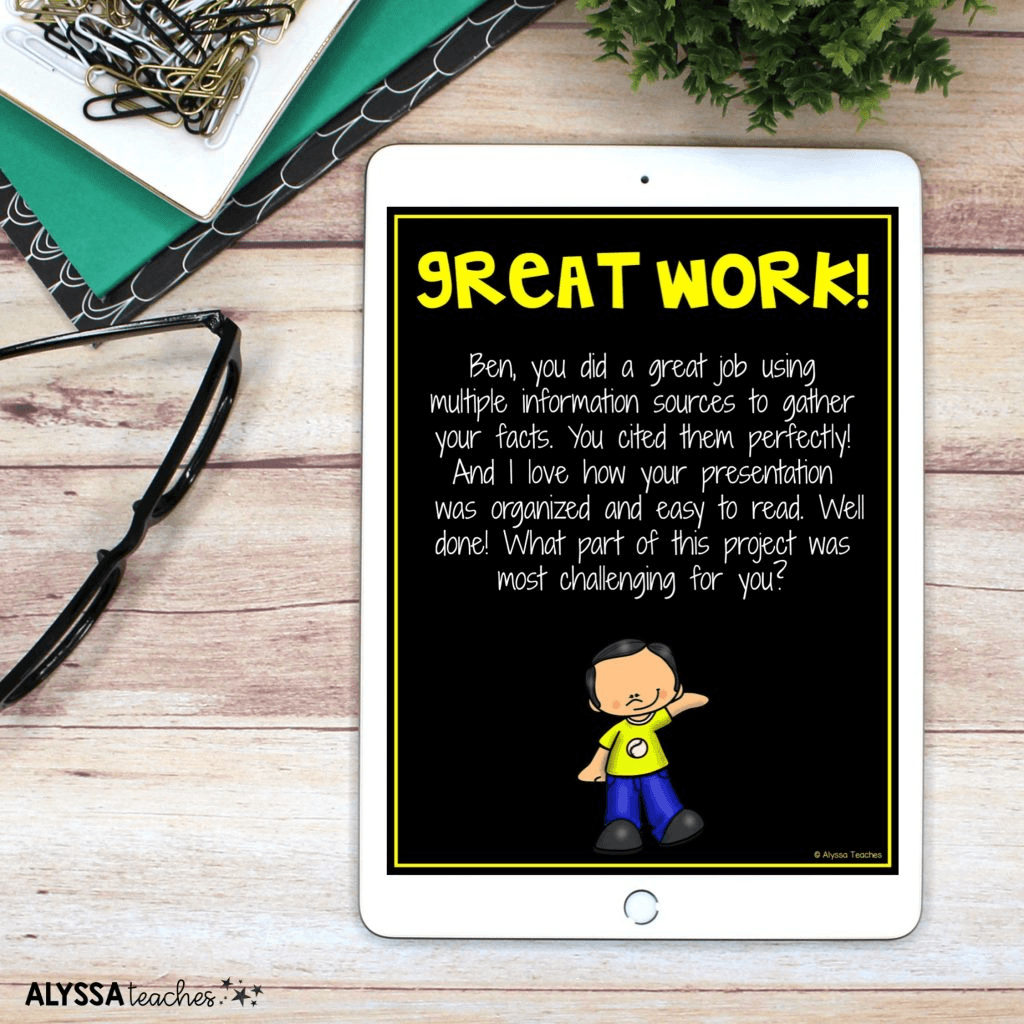
How to give useful feedback on a classmate's paper
By
Princeton Journal of Pre-Collegiate Research
Read more

Student editorial boards: how they work
By
Princeton Journal of Pre-Collegiate Research
Read more
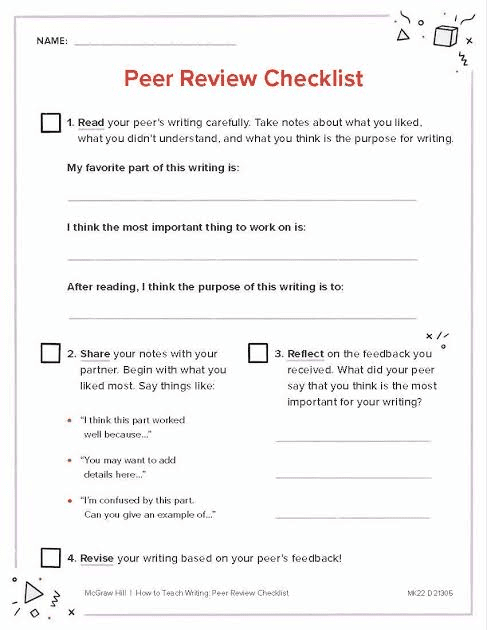
How to write a peer review as a student
By
Princeton Journal of Pre-Collegiate Research
Read more

Peer review etiquette: tone, structure, fairness
By
Princeton Journal of Pre-Collegiate Research
Read more

Version control for research documents
By
Princeton Journal of Pre-Collegiate Research
Read more

Digital vs paper lab notebooks for students
By
Princeton Journal of Pre-Collegiate Research
Read more

Data management basics for student researchers
By
Princeton Journal of Pre-Collegiate Research
Read more
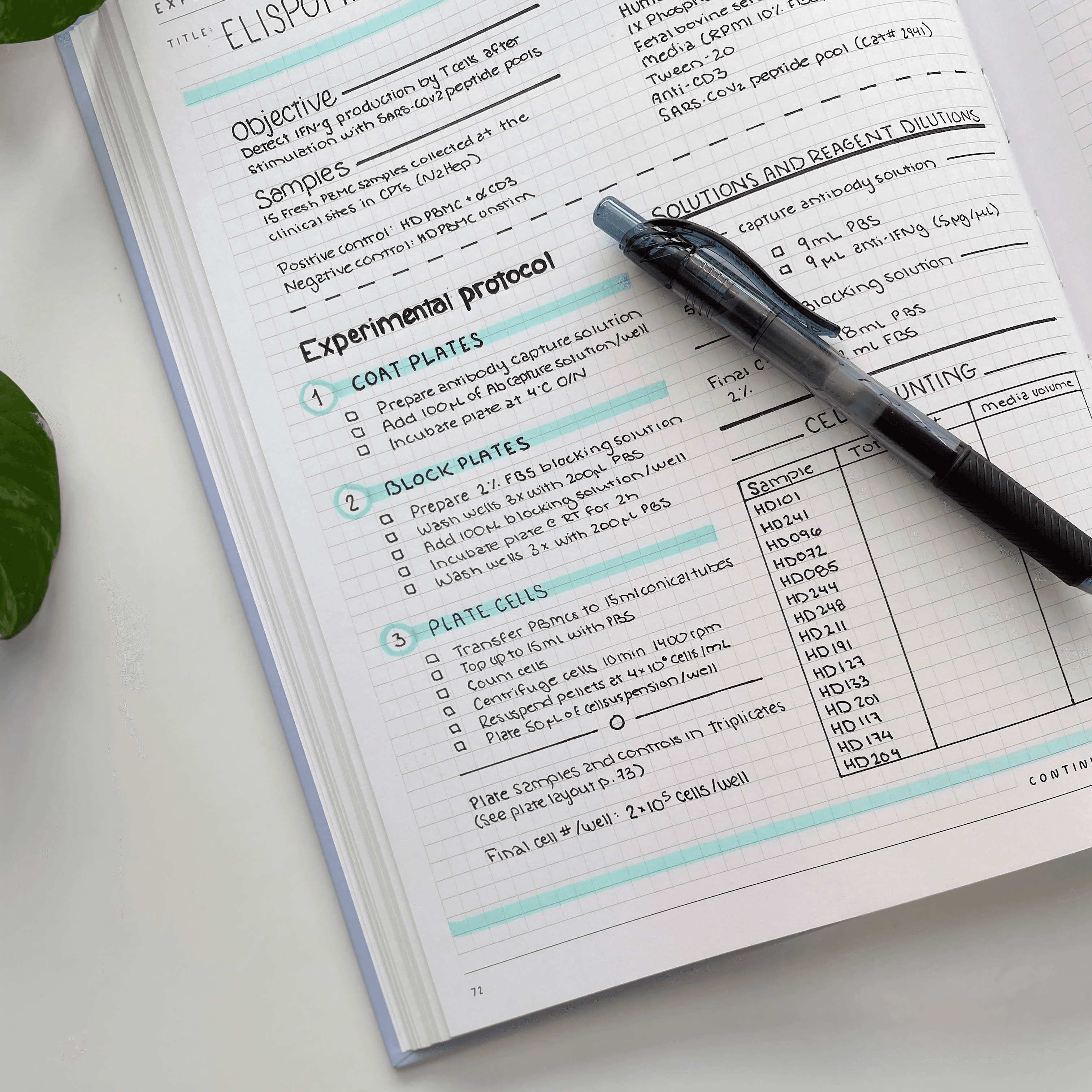
How to keep a lab notebook that reviewers trust
By
Princeton Journal of Pre-Collegiate Research
Read more

How to organize research files across a year-long project
By
Princeton Journal of Pre-Collegiate Research
Read more

How to document your data so you can defend it
By
Princeton Journal of Pre-Collegiate Research
Read more

How to write a grant proposal as a student
By
Princeton Journal of Pre-Collegiate Research
Read more

Free resources that replace research funding
By
Princeton Journal of Pre-Collegiate Research
Read more
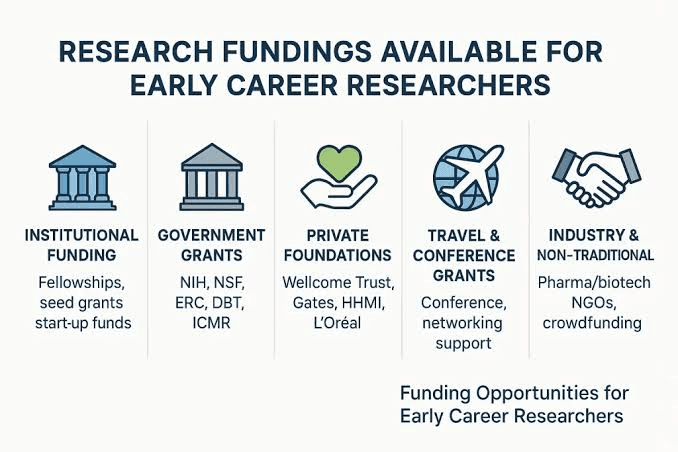
Corporate and nonprofit programs that fund student research
By
Princeton Journal of Pre-Collegiate Research
Read more

Science fair grants and material stipends explained
By
Princeton Journal of Pre-Collegiate Research
Read more

Crowdfunding a student research project: does it work
By
Princeton Journal of Pre-Collegiate Research
Read more

How much does a research project actually cost
By
Princeton Journal of Pre-Collegiate Research
Read more

How to ask your school to fund your project
By
Princeton Journal of Pre-Collegiate Research
Read more

Grants for high school research projects: what exists
By
Princeton Journal of Pre-Collegiate Research
Read more

How to start a research club at your school
By
Princeton Journal of Pre-Collegiate Research
Read more