How to tell if your child is ready to do independent research
Princeton Journal of Pre-Collegiate Research

Most parents ask this question too late, after their child has already committed to a program, a mentor, or a submission deadline. Knowing how to tell if your child is ready to do independent research before that moment saves everyone time, money, and frustration.
Independent research is not an advanced version of a school project. It is a sustained, self-directed inquiry that produces an original contribution to a field. The student defines the question, designs the methodology, collects and analyzes data, and defends their conclusions in writing. No teacher assigns the topic. No rubric tells them what counts as success. That is a fundamentally different cognitive and emotional challenge than anything most high schoolers have encountered.
This guide gives parents, counselors, and advisors a clear, honest framework for assessing readiness. Not every motivated student is ready. And readiness is not fixed, it can be built deliberately.
What Independent Research Actually Demands
Before you can assess readiness, you need an accurate picture of what the work requires. Independent research demands four things simultaneously: intellectual curiosity deep enough to sustain months of effort, organizational discipline to manage a long-horizon project without external checkpoints, emotional resilience to absorb failure and revision, and enough foundational knowledge in a subject to ask a question that is actually original.
Most high school students have one or two of these. A student who is genuinely ready tends to have all four, even if some are underdeveloped. The goal of this assessment is not to find perfection. It is to find the honest gaps so they can be addressed before the work begins.
Sign One: They Already Read Beyond the Curriculum
This is the single most reliable early indicator. A student who is ready for independent research does not wait for a teacher to assign reading. They follow their curiosity into primary sources, journal articles, Wikipedia rabbit holes that lead to actual papers, or books that have nothing to do with their coursework.
Ask your child to describe the last thing they learned that no one required them to learn. If they answer quickly and with specificity, that is a meaningful signal. If they struggle to name anything, that does not mean they are not intelligent. It means they have not yet developed the intrinsic intellectual drive that independent research requires.
This drive is not the same as academic ambition. A student can want excellent grades, strong test scores, and impressive extracurriculars without being genuinely curious about ideas. Research readiness requires curiosity, not just ambition (those two things look similar from the outside but feel very different to the student doing the work).
Sign Two: They Can Tolerate Ambiguity
Independent research produces uncertainty constantly. The literature review reveals that the question has already been answered, or worse, that it cannot be answered with the methods available to a high schooler. The data does not support the hypothesis. The mentor is unavailable for two weeks. The journal rejects the paper.
A student who needs clear instructions, immediate feedback, and predictable outcomes will find independent research deeply uncomfortable. That discomfort is not a character flaw. It is a mismatch between the task and the student's current developmental stage.
Watch how your child responds when a plan falls apart. Do they regroup and adapt, or do they shut down and wait for an adult to fix it? Do they treat a wrong answer as information, or as failure? The ability to sit with an unsolved problem and keep working is not innate. It is a skill. But a student who has never developed it will struggle significantly without support structures in place.
For more on how to help a student navigate setbacks in the research process, the post on Support Your Child Through Research Paper Rejection is worth reading before any submission deadline arrives.
Sign Three: They Have a Genuine Question, Not Just a Topic
There is a critical difference between a topic and a research question. A topic is a subject area: climate change, machine learning, the French Revolution. A research question is a specific, answerable inquiry that has not been conclusively resolved: How does urban heat island effect vary by neighborhood income level in mid-sized American cities? What machine learning architectures perform best on low-resource language translation tasks?
A student who is ready for independent research can usually articulate something they genuinely want to know, not just a subject they find vaguely interesting. Ask them directly: what do you actually want to find out? If they answer with a topic, probe further. If they answer with a question, and especially if they can explain why the answer is not already obvious, that is a strong readiness signal.
Students who arrive at research programs with only a topic often spend the first several weeks just finding a question. That is not wasted time, but it does mean the student is not yet ready to work independently. They are still in the orientation phase.
Sign Four: They Can Manage a Long-Horizon Project
A research paper from initial question to submission typically takes three to nine months for a high school student working independently. That timeline includes literature review, methodology design, data collection, analysis, drafting, revision, and the submission process itself. There are no weekly grades to keep them on track. There is no teacher checking in every Friday.
Look at how your child handles long-term projects at school. Not whether they complete them, but how. Do they start early and work in sustained bursts, or do they procrastinate until the night before? Do they break large tasks into smaller steps independently, or do they need a parent or teacher to create that structure for them?
A student who consistently needs external scaffolding to manage time is not unready forever. But they will need significant support structures before attempting independent research. The post on How To Plan A Research Project Around Your School Schedule offers practical frameworks that can help build those skills before the research begins.
Sign Five: They Understand What Rigor Means
Independent research is not an opinion piece with citations. It is not a report summarizing what others have found. It is original inquiry held to methodological standards. A student who is ready understands, at least intuitively, that claims require evidence, that evidence requires a defensible collection method, and that conclusions must be proportionate to what the data actually shows.
You do not need to quiz your child on research methodology. Instead, ask them how they would find out whether something is true. How would they know if their answer was right? What would count as evidence? A student who thinks carefully about these questions, even without formal training, is demonstrating the epistemic instincts that research requires.
Conversely, a student who conflates correlation with causation, dismisses contradictory evidence, or assumes that a strong argument is the same as proof is not yet ready. Those are learnable distinctions, but they need to be learned before the research begins, not during it.
How to Tell If Your Child Is Ready: A Direct Checklist
Run through these questions honestly. They are not a formal instrument. They are a structured conversation starter between you and your child, and between you and any mentor or program director you are considering.
Can they name a specific question they want to answer? Not a topic. A question.
Have they read anything in that area beyond what school required? Primary sources, articles, books, anything.
Can they describe what a good answer would look like? What evidence would satisfy them?
Do they have a track record of managing long projects independently? Even partial independence counts.
How do they respond to being wrong? Adaptation is the goal, not indifference to error.
Are they pursuing this because they want to, or because they think it will look good? Both motivations can coexist, but intrinsic curiosity needs to be present.
Do they understand that publication is not guaranteed? And are they willing to do the work regardless?
A student who answers well on most of these is likely ready to begin, with appropriate mentorship and support. A student who struggles with several of them needs preparation before the research itself starts.
What to Do If They Are Not Quite Ready
Readiness is not a fixed state. It is a set of skills and dispositions that can be developed deliberately. If your child is not yet ready for fully independent research, that does not mean they should wait passively. It means they should be building toward it.
Structured research programs can be a useful bridge. They provide mentorship, accountability, and methodological training that independent work does not automatically include. The comparison between these two paths is worth examining carefully before committing. The post on Is Independent Research Better Than Structured Program breaks down the tradeoffs honestly.
Reading primary literature in the subject area is another high-leverage preparation activity. A student who has read twenty papers in a field before beginning their own research is in a fundamentally different position than one who has read none. Encourage them to read not just for content but for structure: how do researchers frame questions, present methods, and discuss limitations?
Finally, smaller writing projects build the skills that research demands. A student who has never written an argumentative piece longer than five pages will find a twenty-page research paper structurally overwhelming. The post on How To Edit Your Own Research Paper Before Submission is useful preparation reading even before a first draft exists.
A Note on Choosing the Right Journal
If your child is ready to begin and is working toward publication, the journal they submit to matters as much as the research itself. Not every journal that accepts student work is legitimate. Some charge fees without providing genuine peer review. Others provide review in name only (a rubber stamp is not the same as rigorous feedback).
Before any submission, read How To Tell If A Research Journal Is Legitimate and What To Look For Before Child Submits Research Journal. These two posts together give parents and students the framework to evaluate any journal before committing time and money to the submission process.
How to Tell If Your Child Is Ready: The Bottom Line
Knowing how to tell if your child is ready to do independent research comes down to one honest question: can they sustain curiosity-driven, self-directed work over months, absorb uncertainty and failure without shutting down, and produce a written argument that holds up to scrutiny? If the answer is yes, even partially, they are ready to begin with the right support in place.
If the answer is not yet, that is not a verdict on their intelligence or potential. It is a starting point. Use it to build the skills they need before the work demands them.
Princeton JPCR publishes original research by high school students across 50+ academic disciplines, with rigorous double-blind peer review and a DOI assigned to every accepted paper. If your child is ready to take that step, explore what publishing with PJPCR involves and what the submission process looks like. The work is real. The review is real. And the credential, when earned, reflects that.
Not affiliated with Princeton University.
Read More

Can high school students be peer reviewers
By
Princeton Journal of Pre-Collegiate Research
Read more

What reviewing other papers teaches you about your own
By
Princeton Journal of Pre-Collegiate Research
Read more
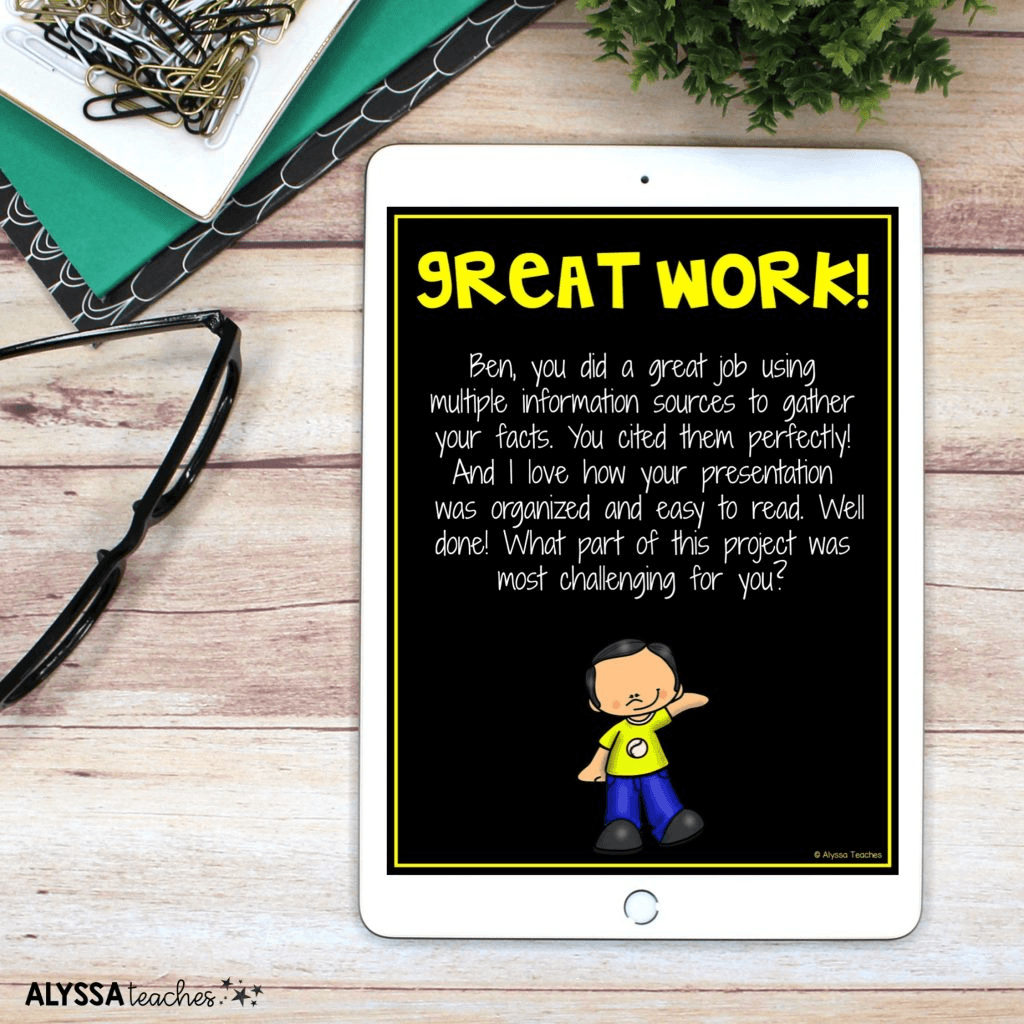
How to give useful feedback on a classmate's paper
By
Princeton Journal of Pre-Collegiate Research
Read more

Student editorial boards: how they work
By
Princeton Journal of Pre-Collegiate Research
Read more
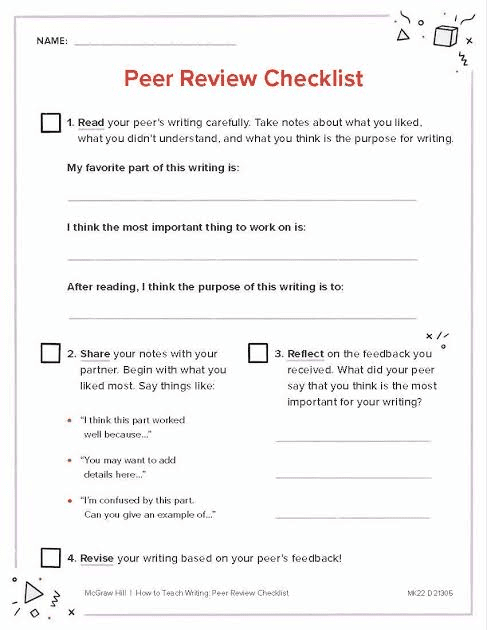
How to write a peer review as a student
By
Princeton Journal of Pre-Collegiate Research
Read more

Peer review etiquette: tone, structure, fairness
By
Princeton Journal of Pre-Collegiate Research
Read more

Version control for research documents
By
Princeton Journal of Pre-Collegiate Research
Read more

Digital vs paper lab notebooks for students
By
Princeton Journal of Pre-Collegiate Research
Read more

Data management basics for student researchers
By
Princeton Journal of Pre-Collegiate Research
Read more
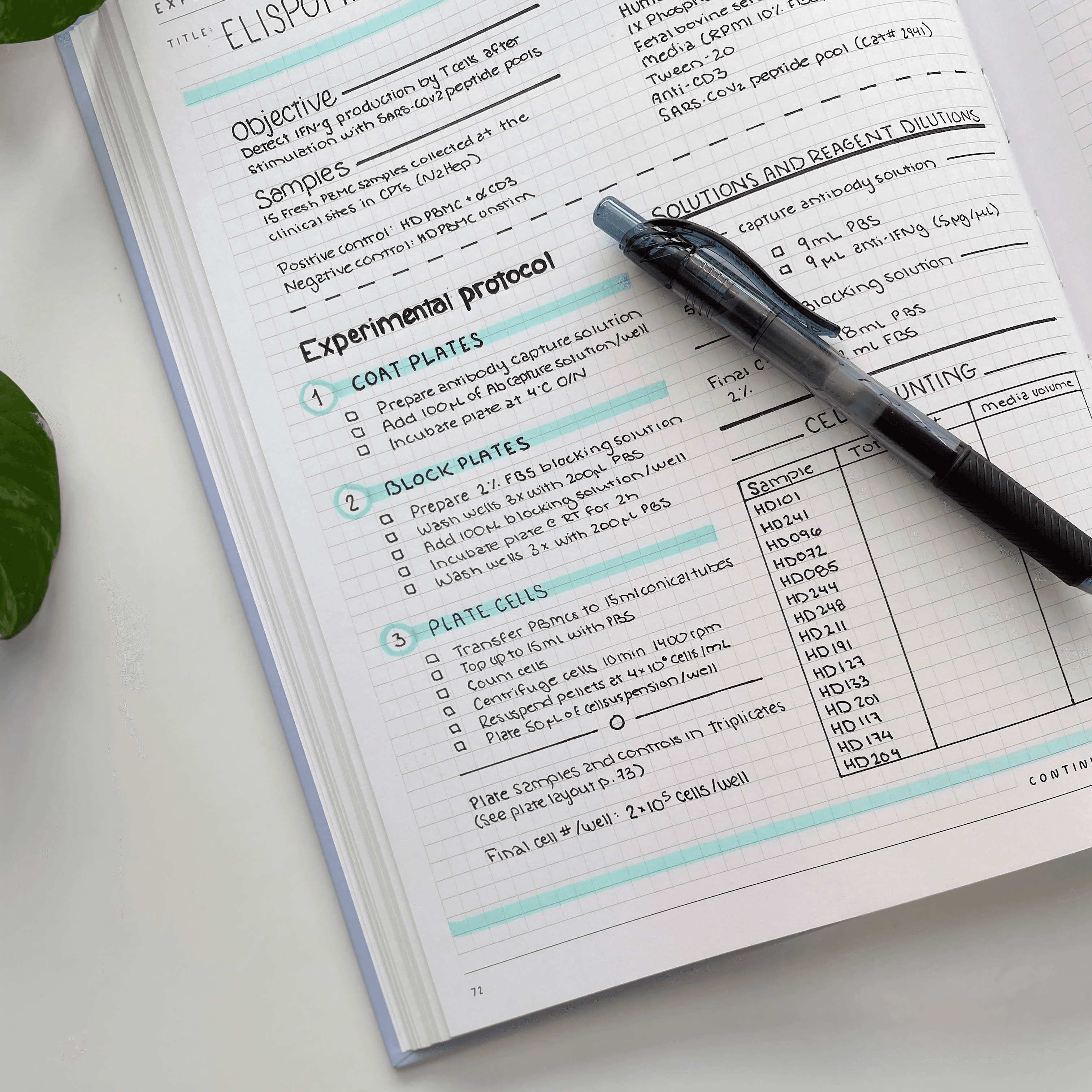
How to keep a lab notebook that reviewers trust
By
Princeton Journal of Pre-Collegiate Research
Read more

How to organize research files across a year-long project
By
Princeton Journal of Pre-Collegiate Research
Read more

How to document your data so you can defend it
By
Princeton Journal of Pre-Collegiate Research
Read more

How to write a grant proposal as a student
By
Princeton Journal of Pre-Collegiate Research
Read more
Free resources that replace research funding
By
Princeton Journal of Pre-Collegiate Research
Read more
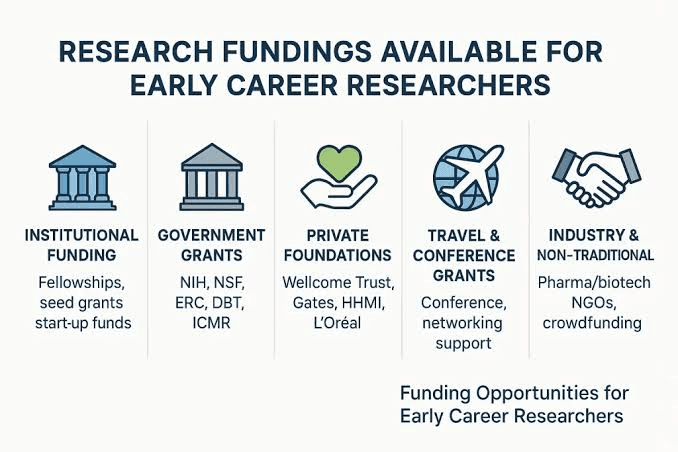
Corporate and nonprofit programs that fund student research
By
Princeton Journal of Pre-Collegiate Research
Read more

Science fair grants and material stipends explained
By
Princeton Journal of Pre-Collegiate Research
Read more

Crowdfunding a student research project: does it work
By
Princeton Journal of Pre-Collegiate Research
Read more

How much does a research project actually cost
By
Princeton Journal of Pre-Collegiate Research
Read more

How to ask your school to fund your project
By
Princeton Journal of Pre-Collegiate Research
Read more

Grants for high school research projects: what exists
By
Princeton Journal of Pre-Collegiate Research
Read more

How to start a research club at your school
By
Princeton Journal of Pre-Collegiate Research
Read more