Should you hire a research mentor for your child
Princeton Journal of Pre-Collegiate Research

Your child has an idea. A real one. Something that could become a published research paper, a college application centerpiece, or the beginning of a serious academic identity. The question is whether they can get there alone, or whether hiring a research mentor is the move that actually makes it happen.
This is not a trivial decision. Mentorship costs money, time, and trust. Done right, it accelerates everything. Done wrong, it produces a paper that does not belong to your child in any meaningful sense. So before you sign a contract or wire a deposit, read this carefully.
What a Research Mentor Actually Does
A research mentor is not a tutor. They do not teach your child the material from scratch. They guide the research process: helping define a question, identifying appropriate methodology, reviewing drafts, and flagging logical gaps. The best mentors push students to think more rigorously without doing the thinking for them (that distinction matters more than most families realize).
A mentor might be a graduate student, a postdoctoral researcher, a university professor, or a working professional in a relevant field. They bring domain expertise and methodological experience that most high school students simply do not have access to through their school alone. That access is the core value proposition.
What a mentor should never do is write sections of the paper, select the argument, or manufacture the intellectual contribution. If the paper could not exist without the mentor's direct intellectual labor, it is not your child's research. Journals that conduct rigorous peer review will often detect this, and the ethical problems extend far beyond rejection. If you want to understand how to properly attribute a mentor's contribution, the guidance on how to credit a research mentor or advisor properly is worth reading before any mentorship arrangement begins.
Should You Hire a Research Mentor for Your Child: The Case For
There are legitimate reasons to bring in a mentor, and they are worth stating plainly.
Access to Expertise Your Child Cannot Get Elsewhere
Most high schools do not have faculty with active research agendas. A student interested in computational biology, behavioral economics, or environmental policy is unlikely to find a teacher who can supervise that work at a meaningful depth. A mentor fills that gap. They know the literature, the standard methods, and the common mistakes. That knowledge saves months of wasted effort.
Accountability and Structure
Research is slow. It requires sustained attention over weeks or months without a grade attached to each milestone. Many students, even highly motivated ones, stall without external structure. A mentor provides deadlines, check-ins, and the social pressure of having someone else invested in the outcome. For students who thrive with accountability, this alone justifies the cost.
A Stronger, More Credible Paper
Mentored research tends to be more methodologically sound. The research question is better scoped. The literature review is more comprehensive. The analysis is more defensible. A student who publishes mentored research in a peer-reviewed journal has demonstrated something real: the ability to produce scholarly work under professional guidance. That credential carries weight.
Early Exposure to Academic Norms
Peer review, citation standards, academic integrity, IRB considerations for human subjects research, these are not intuitive. A good mentor introduces students to how scholarship actually works. That education is valuable regardless of whether the paper gets published. Students who understand what informed consent means and when their research requires it are better prepared for undergraduate research programs than those who do not.
Should You Hire a Research Mentor for Your Child: The Case Against
The case for mentorship is real. So is the case against. Both deserve honest consideration.
Dependency Over Development
Some mentorship arrangements cross a line. The mentor becomes the researcher and the student becomes the typist. The paper gets published, but the student has not actually learned to conduct research. They have learned to follow instructions. When that student arrives at a university lab expecting to contribute, the gap becomes apparent quickly. Colleges and admissions committees are increasingly aware of this pattern (and increasingly skeptical of research credentials that look too polished for the student's apparent skill level).
Cost Without Proportional Return
Mentorship programs vary enormously in price. Some charge thousands of dollars for what amounts to light editing and a certificate. Others provide genuine scientific supervision worth every dollar. Families who do not know the difference can spend significant money on an experience that adds minimal value to their child's development or application. The question of how much research publication should actually cost is one every parent should investigate before committing to any program.
Not Every Student Needs One
Some students are genuinely self-directed. They read primary literature independently, identify a gap, design a study, and produce a coherent paper with minimal external guidance. These students exist. If your child is one of them, a formal mentorship arrangement may add bureaucratic overhead without adding intellectual value. There are journals that accept high school research without a mentor, and for the right student, that path is entirely legitimate.
How to Evaluate Whether Your Child Is Ready
Before deciding whether to hire a mentor, assess where your child actually is. Ask them to explain their research idea in two minutes without notes. Can they identify the gap in existing knowledge they want to address? Can they name three to five sources they have already read? Do they have a sense of what methodology would be appropriate?
If the answers are vague, a mentor will help them develop the idea. If the answers are specific and grounded, the student may need less hand-holding than you assume. The goal is to match the level of support to the actual need, not to purchase the most expensive program available and assume it produces the best outcome.
It is also worth considering when in their academic career this is happening. A student starting research in ninth or tenth grade has more time to develop genuine skills. A student starting in eleventh grade with a college application deadline in view is under different pressure, and that pressure changes the risk calculus. The guidance on what grade to start research for college applications provides useful context for thinking through timing.
What to Look for in a Research Mentor
If you decide to hire a mentor, the selection process matters enormously. Not all mentors are equal, and not all mentorship programs are what they claim to be.
Domain Expertise
The mentor should have genuine expertise in the relevant field. A graduate student in molecular biology is qualified to supervise a biology research project. A generalist with a broad educational background is not. Ask for credentials, publications, and institutional affiliations. Verify them independently.
A Clear Philosophy on Student Ownership
Ask directly: what is your approach to student independence? A good mentor will describe a process where the student drives the intellectual contribution and the mentor provides guidance and critique. A red flag is any mentor who describes writing outlines, selecting arguments, or generating analysis on the student's behalf. The paper must belong to the student.
Transparency About Process and Deliverables
Before signing anything, understand exactly what the mentorship includes. How many sessions? How long? What does the mentor review? What feedback format do they use? What happens if the paper is not ready for submission? The questions you should ask before your child joins any research program are worth working through systematically. A resource on questions to ask before your child joins a research program can help you prepare for that conversation.
Honest Expectations About Publication
No reputable mentor can guarantee publication. Any program that promises acceptance at a peer-reviewed journal as part of its offering is either operating a pay-to-publish scheme or misrepresenting how peer review works. Legitimate journals evaluate papers on merit. A mentor improves the quality of the work; they do not control the outcome of editorial review.
The Parent's Role in All of This
Hiring a mentor does not mean stepping back entirely. Parents who are too hands-off miss warning signs: a mentor who is doing too much, a student who is disengaged, a paper that does not reflect the student's voice or knowledge. Parents who are too hands-on create a different problem. Understanding where your involvement should begin and end is its own skill. The question of how involved parents should be in their child's research is one worth thinking through before the process starts, not during it.
Your job is to ensure the environment is right: that the mentor is qualified, that the student is genuinely engaged, and that the work is authentically the student's. Beyond that, the research belongs to your child. Let it.
What Happens After the Paper Is Written
A completed paper is not automatically a published paper. Submission, peer review, revision, and acceptance are a separate process with its own demands. Students who have never navigated peer review feedback often find it jarring. Reviewers are not always kind, and rejection is common even for strong work. Knowing how to support your child through research paper rejection is as important as preparing them for success.
The right journal matters too. Before submitting anywhere, families should understand what to look for in a legitimate publication. Predatory journals exist in large numbers, and they target exactly the demographic of motivated high school students seeking credentials. A guide on what to look for before your child submits to a journal can prevent a costly and reputationally damaging mistake.
Should You Hire a Research Mentor for Your Child: The Bottom Line
The answer is: it depends, and the factors that determine the answer are specific to your child, your budget, and your expectations. Mentorship is a tool. Like any tool, its value depends on how it is used.
Hire a mentor if your child has a genuine research interest but lacks access to domain expertise or methodological guidance. Hire one if your child needs accountability structure to sustain long-term independent work. Do not hire one if the goal is to produce a credential that the student cannot defend or explain. Do not hire one if the program cannot demonstrate that the student will own the intellectual contribution.
The students who benefit most from mentorship are those who arrive curious, stay engaged, and leave with a paper they genuinely understand and can speak to with confidence. That outcome is achievable. It requires the right mentor, the right student mindset, and a family that understands what success actually looks like in this context (a published paper is a milestone, not a transaction).
If your child is ready to take research seriously, Princeton JPCR publishes original work by high school students across 50+ disciplines through rigorous double-blind peer review. Every accepted paper receives a DOI and is indexed for permanent global access. The standard is high because the students are capable of meeting it. Start with the research. The publication will follow.
Read More

Can high school students be peer reviewers
By
Princeton Journal of Pre-Collegiate Research
Read more

What reviewing other papers teaches you about your own
By
Princeton Journal of Pre-Collegiate Research
Read more
How to give useful feedback on a classmate's paper
By
Princeton Journal of Pre-Collegiate Research
Read more

Student editorial boards: how they work
By
Princeton Journal of Pre-Collegiate Research
Read more
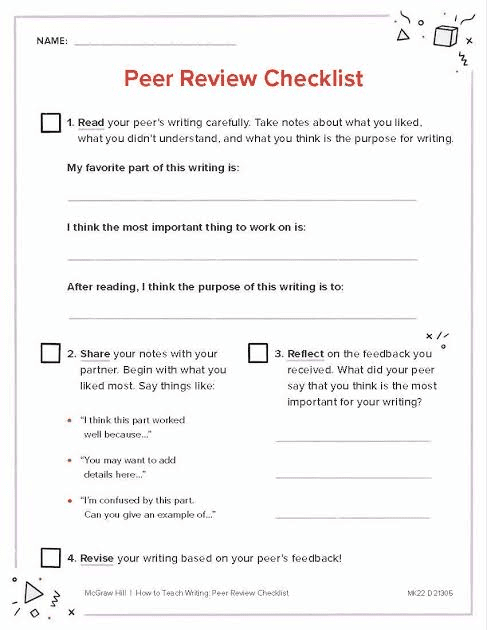
How to write a peer review as a student
By
Princeton Journal of Pre-Collegiate Research
Read more

Peer review etiquette: tone, structure, fairness
By
Princeton Journal of Pre-Collegiate Research
Read more

Version control for research documents
By
Princeton Journal of Pre-Collegiate Research
Read more

Digital vs paper lab notebooks for students
By
Princeton Journal of Pre-Collegiate Research
Read more

Data management basics for student researchers
By
Princeton Journal of Pre-Collegiate Research
Read more

How to keep a lab notebook that reviewers trust
By
Princeton Journal of Pre-Collegiate Research
Read more

How to organize research files across a year-long project
By
Princeton Journal of Pre-Collegiate Research
Read more

How to document your data so you can defend it
By
Princeton Journal of Pre-Collegiate Research
Read more

How to write a grant proposal as a student
By
Princeton Journal of Pre-Collegiate Research
Read more
Free resources that replace research funding
By
Princeton Journal of Pre-Collegiate Research
Read more
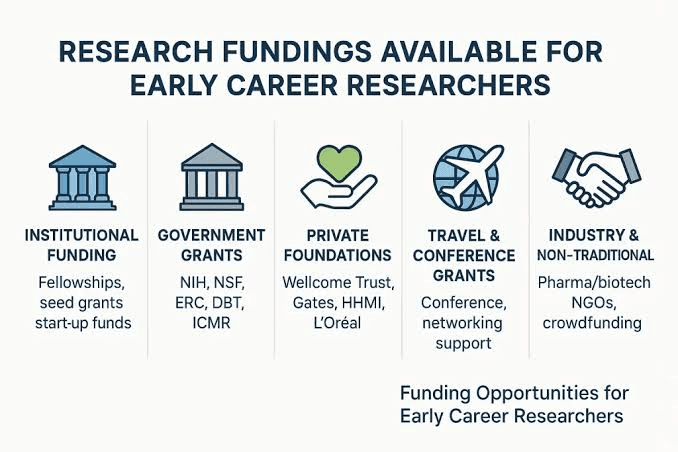
Corporate and nonprofit programs that fund student research
By
Princeton Journal of Pre-Collegiate Research
Read more

Science fair grants and material stipends explained
By
Princeton Journal of Pre-Collegiate Research
Read more

Crowdfunding a student research project: does it work
By
Princeton Journal of Pre-Collegiate Research
Read more

How much does a research project actually cost
By
Princeton Journal of Pre-Collegiate Research
Read more

How to ask your school to fund your project
By
Princeton Journal of Pre-Collegiate Research
Read more

Grants for high school research projects: what exists
By
Princeton Journal of Pre-Collegiate Research
Read more

How to start a research club at your school
By
Princeton Journal of Pre-Collegiate Research
Read more