How to write a religious studies research paper in high school
Princeton Journal of Pre-Collegiate Research

Learning how to write a religious studies research paper in high school is an essential academic skill that helps you explore complex theological, historical, and cultural topics with clarity and depth. Whether you are examining a world religion, comparing belief systems, or analyzing a sacred text, a well-structured research paper demonstrates your ability to think critically and present evidence-based arguments. This guide walks you through every step of the process, from choosing a topic to submitting your final draft.
Why Religious Studies Research Papers Matter in High School
Religious studies courses in high school introduce students to diverse belief systems, ethical frameworks, and historical contexts that shape human civilization. Writing a research paper in this subject pushes you beyond surface-level understanding. You must engage with primary sources such as sacred texts, analyze scholarly interpretations, and form your own reasoned conclusions.
These papers also build transferable skills. You practice academic writing, source evaluation, and argumentation — abilities that serve you well in college and beyond. More importantly, religious studies research encourages respectful inquiry into perspectives that may differ significantly from your own background.
Step 1: Choose a Focused and Manageable Topic
The first step in understanding how to write a religious studies research paper in high school is selecting the right topic. A strong topic is specific enough to be covered thoroughly within your page limit but broad enough to find sufficient sources.
Consider these approaches when brainstorming:
Comparative religion: Examine how two or more religions approach a shared concept such as prayer, afterlife, or morality.
Historical analysis: Investigate how a religious movement developed or influenced a specific historical event.
Textual analysis: Analyze the meaning and interpretation of a passage from a sacred text.
Ethics and religion: Explore how a religious tradition addresses a contemporary ethical issue.
Religious figures: Research the life and impact of a significant religious leader or reformer.
Once you have a general idea, narrow it down. Instead of writing about "Buddhism," consider writing about "The role of mindfulness meditation in Theravada Buddhism and its influence on modern mental health practices." A focused topic makes your research more manageable and your argument more compelling.
Always check with your teacher before finalizing your topic. Some assignments have specific requirements about which religions or time periods you may cover.
Step 2: Conduct Thorough and Credible Research
Quality research is the backbone of any strong paper. For religious studies, you will draw from several types of sources:
Primary sources: Sacred texts (the Bible, Quran, Bhagavad Gita, Torah, etc.), religious documents, sermons, and firsthand accounts.
Secondary sources: Scholarly books, peer-reviewed journal articles, and academic commentaries that analyze primary sources.
Tertiary sources: Encyclopedias and reference materials useful for background information but not typically cited as main sources.
Use your school library and databases such as JSTOR, Google Scholar, or EBSCO to find peer-reviewed articles. Avoid relying solely on websites, as many lack academic credibility. When using online sources, look for those affiliated with universities, established religious organizations, or reputable publishers.
As you research, take organized notes. Record the author, title, publication date, and page numbers for every source. This information is essential when you create your bibliography or works cited page. Use a system — whether digital or handwritten — that allows you to track which ideas came from which sources to avoid accidental plagiarism.
Step 3: Develop a Clear Thesis Statement
Your thesis statement is the central argument of your paper. It tells readers what position you are taking and why it matters. A strong thesis in religious studies is not simply a statement of fact — it makes a claim that requires evidence and analysis to support.
Weak thesis: "Islam is a major world religion with many followers."
Strong thesis: "The Five Pillars of Islam function not only as religious obligations but as a unified social framework that strengthens community bonds among Muslim believers."
Your thesis should appear at the end of your introductory paragraph. Every section of your paper should connect back to and support this central argument. If a paragraph does not relate to your thesis, consider whether it belongs in the paper at all.
Step 4: Create a Detailed Outline
Before writing your first draft, organize your ideas into a clear outline. A typical high school religious studies research paper follows this structure:
Introduction: Hook, background context, and thesis statement.
Body Paragraph 1: First supporting argument with evidence and analysis.
Body Paragraph 2: Second supporting argument with evidence and analysis.
Body Paragraph 3: Third supporting argument or counterargument with rebuttal.
Conclusion: Restatement of thesis, summary of key points, and broader significance.
For longer papers, you may have additional body sections. Each section should focus on one main idea and include specific evidence from your sources. An outline prevents you from going off-topic and ensures your argument flows logically from one point to the next.
How to Write a Religious Studies Research Paper in High School: Drafting Your Paper
With your outline ready, begin writing your first draft. Do not aim for perfection at this stage — focus on getting your ideas onto the page. You can refine your language and structure during revision.
Introduction: Open with an engaging hook. This could be a thought-provoking question, a surprising statistic, or a brief anecdote related to your topic. Provide two to three sentences of background context, then end with your thesis statement.
Body paragraphs: Each paragraph should begin with a topic sentence that introduces the main idea. Follow with evidence from your sources — direct quotes, paraphrases, or data. After presenting evidence, analyze it. Explain how it supports your thesis. Do not assume the connection is obvious; make it explicit for your reader.
Transitions: Use transitional phrases to connect paragraphs and guide your reader through your argument. Words and phrases like "furthermore," "in contrast," "this demonstrates," and "building on this idea" help your paper read smoothly.
Conclusion: Restate your thesis in fresh language — do not simply copy your introduction. Summarize your main supporting points and explain the broader significance of your findings. Why does this topic matter? What does it reveal about religion, culture, or human experience?
Step 5: Cite Your Sources Correctly
Proper citation is non-negotiable in academic writing. It gives credit to the scholars whose work you used and allows readers to verify your sources. The citation style you use depends on your teacher's instructions. Common formats include:
MLA (Modern Language Association): Commonly used in humanities courses, including religious studies.
Chicago/Turabian: Frequently used in history and theology papers; uses footnotes or endnotes.
APA (American Psychological Association): More common in social sciences but occasionally required.
When citing sacred texts, follow your teacher's preferred format. Most style guides have specific rules for citing the Bible, Quran, and other religious scriptures. Include the book, chapter, and verse rather than page numbers.
Use citation management tools such as Zotero, EasyBib, or Citation Machine to help format your references. However, always double-check automatically generated citations for accuracy, as these tools sometimes make errors.
Step 6: Revise, Edit, and Proofread
Revision is where good papers become great. After completing your first draft, set it aside for at least a few hours before reviewing it with fresh eyes. During revision, ask yourself:
Does every paragraph support my thesis?
Is my argument logical and well-organized?
Have I provided enough evidence for each claim?
Are my transitions smooth and clear?
Is my introduction engaging and my conclusion meaningful?
After revising for content and structure, edit for style and clarity. Eliminate wordiness, vary your sentence structure, and ensure your academic tone remains consistent throughout. Religious studies papers should be respectful and objective — avoid language that dismisses or mocks any belief system, even if you are presenting a critical analysis.
Finally, proofread carefully for grammar, spelling, and punctuation errors. Reading your paper aloud is an effective technique for catching mistakes your eyes might skip over. You can also ask a classmate, parent, or teacher to review your work before submission.
Tips for Writing Respectfully About Religion
One unique challenge of religious studies research is maintaining academic objectivity while writing about deeply personal and culturally significant topics. Keep these guidelines in mind:
Use neutral, descriptive language. Say "Muslims believe" or "According to Christian doctrine" rather than making absolute truth claims.
Acknowledge the diversity within religious traditions. Christianity, Islam, Hinduism, and other major religions contain many denominations and interpretive traditions.
Distinguish between your personal views and the academic argument you are making.
Rely on scholarly sources rather than personal testimonies or popular media for factual claims.
Common Mistakes to Avoid
Even strong students make predictable errors in religious studies research papers. Watch out for these pitfalls:
Overgeneralizing: Avoid sweeping statements like "All Christians believe..." or "Buddhism teaches that everyone should..." Religious traditions are complex and varied.
Relying on biased sources: Devotional or promotional materials from religious organizations may not provide the objective analysis required for academic papers.
Neglecting counterarguments: Acknowledging and addressing opposing viewpoints strengthens your argument rather than weakening it.
Weak thesis statements: A thesis that simply describes rather than argues will result in a summary rather than a research paper.
Improper citation: Always cite your sources, including paraphrased ideas, to avoid plagiarism.
Final Checklist Before Submission
Before turning in your paper, run through this final checklist:
Does your title clearly reflect your topic?
Is your thesis statement specific and arguable?
Have you used at least the minimum number of required sources?
Are all sources properly cited in the correct format?
Does your paper meet the required word or page count?
Have you proofread for grammar and spelling errors?
Is your tone respectful and academically appropriate?
Conclusion
Mastering how to write a religious studies research paper in high school takes practice, but the process becomes more manageable when broken into clear steps. Start with a focused topic, gather credible sources, build a strong thesis, and support your argument with well-analyzed evidence. Write with respect for the traditions you study, cite your sources carefully, and revise thoroughly before submission. With dedication and attention to detail, you will produce a paper that demonstrates genuine intellectual engagement with one of humanity's most profound subjects.
Read More

Can high school students be peer reviewers
By
Princeton Journal of Pre-Collegiate Research
Read more

What reviewing other papers teaches you about your own
By
Princeton Journal of Pre-Collegiate Research
Read more
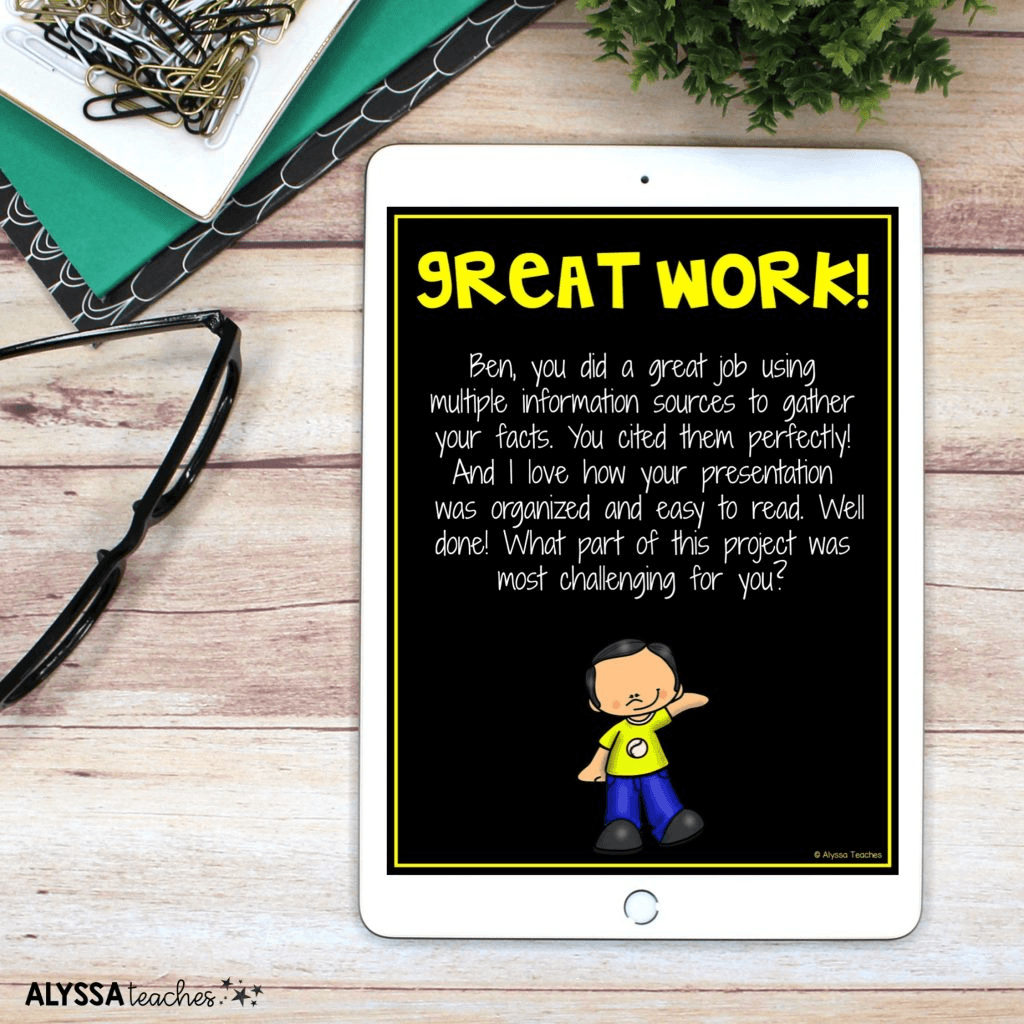
How to give useful feedback on a classmate's paper
By
Princeton Journal of Pre-Collegiate Research
Read more

Student editorial boards: how they work
By
Princeton Journal of Pre-Collegiate Research
Read more
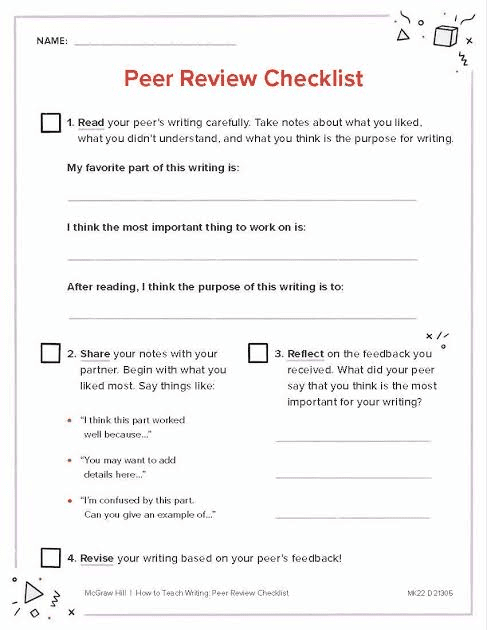
How to write a peer review as a student
By
Princeton Journal of Pre-Collegiate Research
Read more

Peer review etiquette: tone, structure, fairness
By
Princeton Journal of Pre-Collegiate Research
Read more

Version control for research documents
By
Princeton Journal of Pre-Collegiate Research
Read more

Digital vs paper lab notebooks for students
By
Princeton Journal of Pre-Collegiate Research
Read more

Data management basics for student researchers
By
Princeton Journal of Pre-Collegiate Research
Read more

How to keep a lab notebook that reviewers trust
By
Princeton Journal of Pre-Collegiate Research
Read more

How to organize research files across a year-long project
By
Princeton Journal of Pre-Collegiate Research
Read more

How to document your data so you can defend it
By
Princeton Journal of Pre-Collegiate Research
Read more

How to write a grant proposal as a student
By
Princeton Journal of Pre-Collegiate Research
Read more

Free resources that replace research funding
By
Princeton Journal of Pre-Collegiate Research
Read more
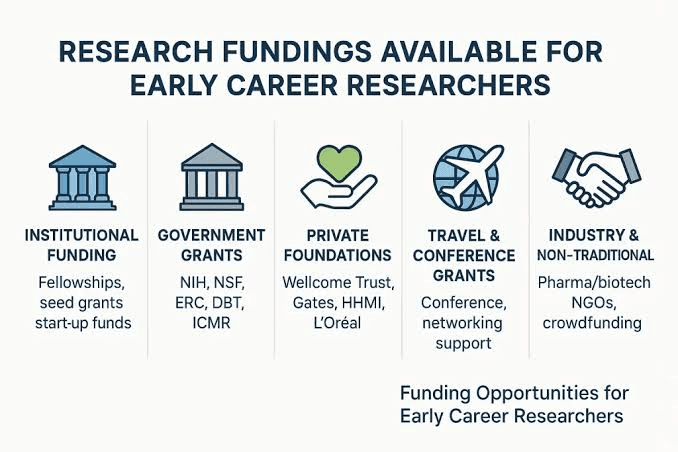
Corporate and nonprofit programs that fund student research
By
Princeton Journal of Pre-Collegiate Research
Read more

Science fair grants and material stipends explained
By
Princeton Journal of Pre-Collegiate Research
Read more

Crowdfunding a student research project: does it work
By
Princeton Journal of Pre-Collegiate Research
Read more

How much does a research project actually cost
By
Princeton Journal of Pre-Collegiate Research
Read more

How to ask your school to fund your project
By
Princeton Journal of Pre-Collegiate Research
Read more

Grants for high school research projects: what exists
By
Princeton Journal of Pre-Collegiate Research
Read more

How to start a research club at your school
By
Princeton Journal of Pre-Collegiate Research
Read more