Research conferences that accept high school presenters
Princeton Journal of Pre-Collegiate Research

This post answers a specific question: which research conferences accept high school presenters, and how does a student prepare to present original work at one? It is written for students in grades 9 through 12 who have completed or are near-completing a research project and want to share it with an academic audience. After reading, a student will know which conference types are realistic to target, what selection committees look for, and how presenting fits alongside publishing. Students whose work is ready for peer review may also consider submitting to the Princeton Journal of Pre-Collegiate Research, an open-access journal publishing original high school research across all disciplines.
What is the landscape of research conferences that accept high school presenters?
Several hundred academic conferences and symposia accept high school presenters each year, ranging from local science fairs to national research symposia with competitive abstract review. The most accessible entry points are regional student research symposia, university-hosted undergraduate and pre-collegiate conferences, and discipline-specific competitions such as the Junior Science and Humanities Symposia (JSHS) programme, which is sponsored by the U.S. Department of Defense and holds regional competitions across 49 regions nationwide.
High school students can present original research at conferences in three broad categories. The first category is competition-based symposia, where students submit abstracts or full papers and are selected through a review process. JSHS is the most prominent national example in STEM fields. The second category is university-hosted student research conferences, where institutions such as MIT, Yale, and various state flagship universities hold annual symposia that explicitly invite pre-collegiate researchers to present alongside undergraduate students. The third category is discipline-specific professional society student events, such as those organised by the American Psychological Association (APA) or the American Sociological Association (ASA), which occasionally feature student poster sessions open to pre-collegiate participants.
The selection criteria across these categories differ significantly. Competition-based symposia evaluate the scientific merit and originality of the research itself, typically requiring a formal abstract submission reviewed by faculty judges. University-hosted conferences tend to use a lighter review process but still require a structured abstract and often a faculty or mentor endorsement. Professional society events vary widely; some require institutional affiliation, which can exclude independent high school researchers without university partnerships.
Students who have conducted independent research without institutional affiliation should review the eligibility requirements of each conference carefully before investing time in an application. A resource on journals that accept high school research without a mentor provides related guidance on navigating independent researcher status in academic submission contexts.
What happens after a student is accepted to present at a research conference?
Acceptance to present at a research conference that accepts high school presenters is not the end of the preparation process. It is the beginning of a distinct phase that requires the student to translate written research into a communicable, defensible oral or poster presentation. This transition is where many first-time presenters underestimate the workload involved.
For oral presentations, most conferences allocate between eight and fifteen minutes for the presentation itself, followed by a question-and-answer period of three to five minutes. The Q&A period is where selection committees and faculty judges form their strongest impressions. A student who can answer an unexpected methodological question clearly and accurately demonstrates a depth of engagement with the material that a polished slide deck alone cannot convey. Preparation for the Q&A requires the student to anticipate the three most likely criticisms of the study design and formulate responses in advance.
For poster presentations, the standard academic poster format follows a structure parallel to the IMRaD framework used in published papers: introduction, methods, results, and discussion. The poster must be legible from approximately one metre away, with the results section occupying the largest visual space. Most conferences specify poster dimensions in their presenter guidelines; the most common format is 36 inches by 48 inches in portrait orientation.
Students presenting work that has also been submitted for peer-reviewed publication should be aware that some journals consider conference presentation a form of prior dissemination. Reviewing the submission guidelines of the target journal before presenting publicly is advisable. The relationship between high school research programmes and academic credentials is relevant context for students managing both tracks simultaneously.
What are the most common mistakes students make when applying to research conferences?
The most consequential errors in conference applications occur at the abstract stage, before a student ever reaches a presentation room. Four mistakes account for the majority of rejections from research conferences that accept high school presenters.
The first mistake is submitting an abstract that describes a literature review rather than original research. Conference selection committees at competitive symposia require that the student collected primary data, ran an original experiment, or conducted original analysis. A paper that synthesises existing studies, however well-written, does not qualify as original research at most venues. Students who have written a review paper should consult the specific conference eligibility rules before applying.
The second mistake is omitting quantitative results from the abstract. According to the abstract submission guidelines of JSHS and comparable symposia, abstracts must include the principal findings of the study, not a statement that results will be presented. Reviewers who read an abstract ending with "results will be discussed" have no basis on which to evaluate the scientific merit of the work and will typically desk-reject the submission.
The third mistake is underestimating the specificity required in the methods description. An abstract that states "surveys were distributed to participants" without specifying sample size, instrument type, or analytical method provides insufficient information for reviewers to assess methodological rigour. Students who want guidance on statistical reporting conventions may find the post on what a p-value is and how to report it directly useful at this stage.
The fourth mistake is failing to match the conference's disciplinary scope. A computational linguistics study submitted to a biology-focused symposium will be evaluated by reviewers who lack the domain expertise to assess it fairly, and the student will be disadvantaged regardless of the quality of the work. Identifying conferences whose scope matches the research discipline is a prerequisite, not an afterthought.
How to apply to a research conference as a high school student, step by step
Confirm that the research is original and complete. The study must have collected primary data and produced analysable results. Do not apply to a competitive symposium with a project still in the data collection phase.
Identify three to five target conferences whose disciplinary scope matches the research topic and whose eligibility criteria explicitly include pre-collegiate or high school presenters. JSHS regional competitions, university-hosted student symposia, and discipline-specific student conferences are the three most productive categories to search within.
Read the abstract submission guidelines in full before writing a single sentence. Note the word limit, required sections, formatting rules, and any specific language about originality requirements.
Write the abstract in IMRaD structure: one to two sentences of field context, two to three sentences describing the methodology with sample size and instruments named, two to three sentences of quantitative results, and one sentence of significance. Keep total length within the specified word limit, typically 250 to 300 words.
Obtain any required faculty or mentor endorsement before the submission deadline. Many university-hosted conferences require a teacher or mentor signature on the application form. Build in at least two weeks for this step.
Prepare the presentation independently of the application outcome. Begin drafting slides or a poster layout while the application is under review. Students who wait for an acceptance before preparing consistently run short on preparation time.
If the research is also ready for peer-reviewed publication, review the submission guidelines at princeton-jpcr.org/submit to determine whether submitting to a journal and presenting at a conference can be pursued in parallel without conflict.
PJPCR publishes original research across all academic disciplines. If your work is ready for peer review, review the submission guidelines at princeton-jpcr.org/submit.
Frequently asked questions about research conferences that accept high school presenters
What is a student research symposium and how is it different from a science fair?
A student research symposium is an academic event where students present original research through oral talks or poster sessions, evaluated by faculty reviewers using criteria similar to those applied in professional academic conferences. A science fair typically uses a project board format judged by volunteers, while a symposium uses a structured abstract review and presentation format aligned with professional academic publishing conventions. The distinction matters because symposia carry greater weight as an academic credential.
How long does it take to prepare a conference presentation after acceptance?
A well-prepared oral conference presentation requires a minimum of four to six weeks of active preparation after acceptance, assuming the underlying research is already complete and written up. Poster presentations typically require two to three weeks. The Q&A component of an oral presentation requires the most preparation time and is the element most students underinvest in. Beginning preparation before an acceptance decision is confirmed is advisable for competitive symposia with short timelines between notification and the event date.
Do high school students need a university mentor to present at a research conference?
Not universally. Many university-hosted student symposia and discipline-specific conferences accept independent high school researchers without a university affiliation. JSHS regional competitions require a sponsoring teacher from the student's school but do not require a university mentor. Students conducting independent research should verify eligibility requirements for each specific conference. The same question arises in journal submission contexts; a related post addresses journals that accept high school research without a mentor in more detail.
What makes a high school research presentation competitive at a national symposium?
Competitive presentations at national student symposia are distinguished by three characteristics: a clearly defined and original research question, a methodologically sound study design with quantitative results, and a presenter who can answer unanticipated questions about the methodology and findings without referring to notes. Reviewers at JSHS national competitions and comparable events consistently identify the Q&A response as the primary differentiator between finalists and non-finalists. Presentation design and visual quality are secondary to the depth of the student's engagement with the research question itself.
What kinds of research does PJPCR publish, and can a student submit work that has also been presented at a conference?
PJPCR publishes original, peer-reviewed research by high school students across all academic disciplines, including STEM, social sciences, humanities, and interdisciplinary fields. Students who have presented work at a conference may still submit that work for peer-reviewed publication, provided the research has not been published in another journal. The standard review and publication timeline is 2 to 3 months; a fast-track option is available for students who need a quicker turnaround. Full eligibility and formatting requirements are detailed on the peer review process page and the submission guidelines.
What to do next
Research conferences that accept high school presenters provide a substantively different form of academic engagement than written publication: they require a student to defend the work in real time, respond to expert critique, and communicate findings to an unfamiliar audience. The three most actionable steps from this guide are to confirm that the research is original and complete before applying, to write the abstract in IMRaD structure with quantitative results included, and to begin presentation preparation before an acceptance decision arrives. Students who want to pursue both conference presentation and peer-reviewed publication simultaneously should verify the dissemination policies of each venue before proceeding. If original research is ready for independent peer review, submit it to PJPCR at princeton-jpcr.org/submit.
Read More
Research conferences that accept high school presenters
By
Princeton Journal of Pre-Collegiate Research
Read more

Poster session vs oral presentation: which to choose
By
Princeton Journal of Pre-Collegiate Research
Read more

How to network at an academic conference as a teen
By
Princeton Journal of Pre-Collegiate Research
Read more

How to write a conference abstract
By
Princeton Journal of Pre-Collegiate Research
Read more

Virtual conferences for student researchers
By
Princeton Journal of Pre-Collegiate Research
Read more

Conference presentation vs journal publication: do both
By
Princeton Journal of Pre-Collegiate Research
Read more
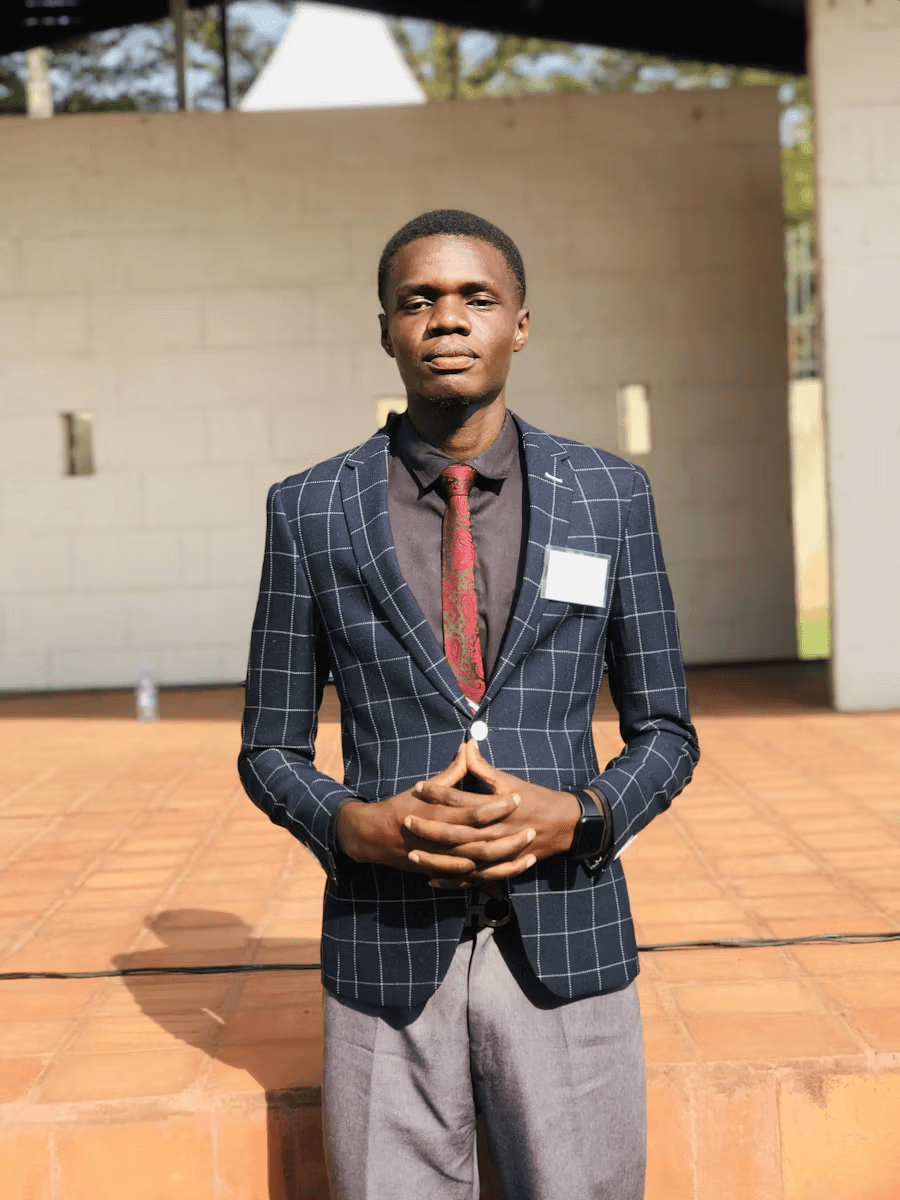
What to wear and bring to your first conference
By
Princeton Journal of Pre-Collegiate Research
Read more

How to handle Q&A after presenting your research
By
Princeton Journal of Pre-Collegiate Research
Read more

Can high school students be peer reviewers
By
Princeton Journal of Pre-Collegiate Research
Read more

What reviewing other papers teaches you about your own
By
Princeton Journal of Pre-Collegiate Research
Read more
How to give useful feedback on a classmate's paper
By
Princeton Journal of Pre-Collegiate Research
Read more

Student editorial boards: how they work
By
Princeton Journal of Pre-Collegiate Research
Read more
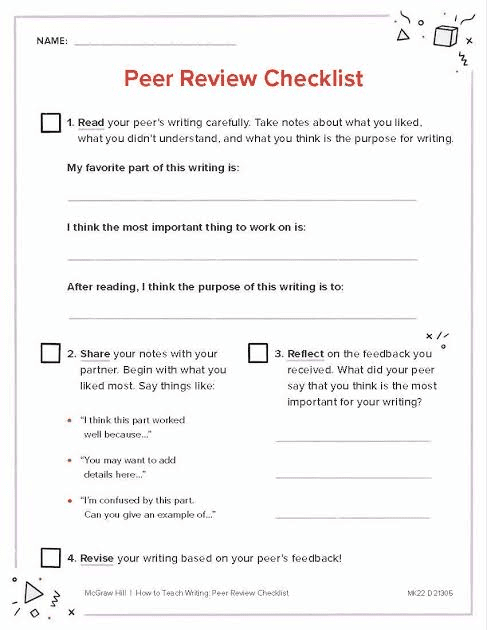
How to write a peer review as a student
By
Princeton Journal of Pre-Collegiate Research
Read more

Peer review etiquette: tone, structure, fairness
By
Princeton Journal of Pre-Collegiate Research
Read more

Version control for research documents
By
Princeton Journal of Pre-Collegiate Research
Read more

Digital vs paper lab notebooks for students
By
Princeton Journal of Pre-Collegiate Research
Read more

Data management basics for student researchers
By
Princeton Journal of Pre-Collegiate Research
Read more
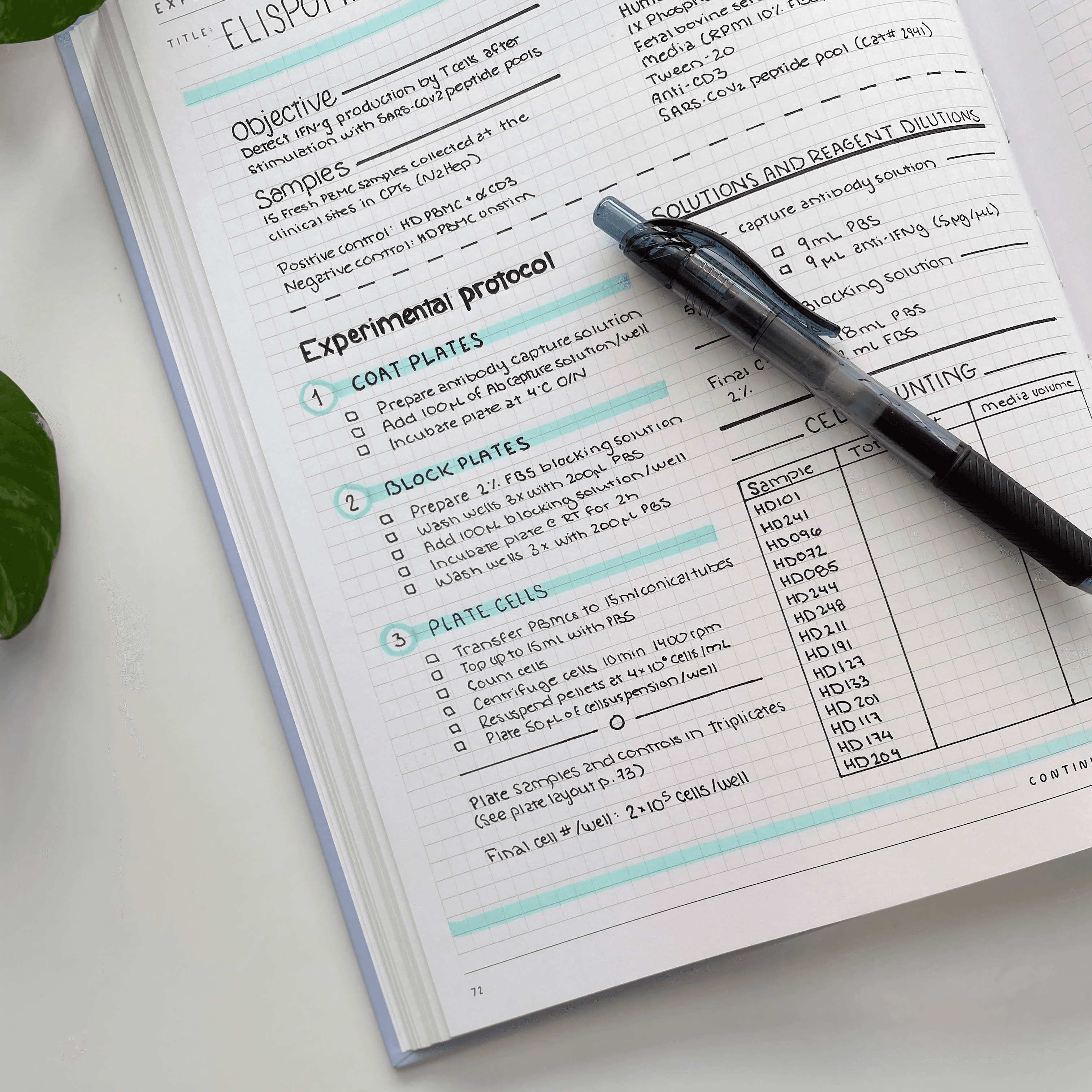
How to keep a lab notebook that reviewers trust
By
Princeton Journal of Pre-Collegiate Research
Read more

How to organize research files across a year-long project
By
Princeton Journal of Pre-Collegiate Research
Read more

How to document your data so you can defend it
By
Princeton Journal of Pre-Collegiate Research
Read more

How to write a grant proposal as a student
By
Princeton Journal of Pre-Collegiate Research
Read more