How to label figures and captions properly
Princeton Journal of Pre-Collegiate Research
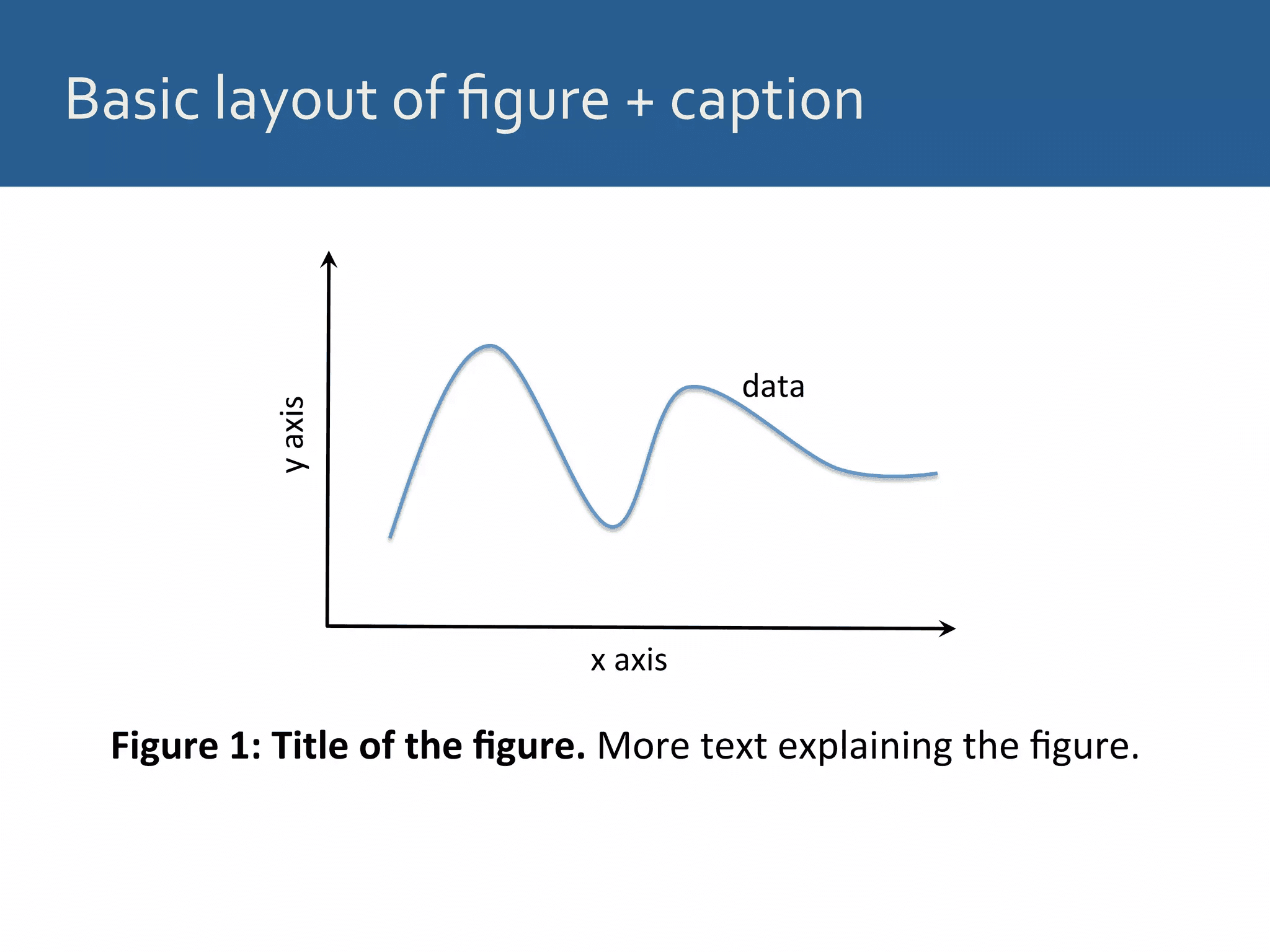
How to label figures and captions properly in a research paper
Incorrect figure labeling is one of the most common technical reasons peer reviewers flag student manuscripts for revision before the paper's argument is even assessed. This guide answers exactly how to label figures and captions properly in an academic research paper. It is written for high school students preparing a manuscript for journal submission. After reading it, you will know the standard conventions for figure numbering, caption structure, and in-text citation of visuals. Students whose work is ready for peer review may submit original research to the Princeton Journal of Pre-Collegiate Research.
Why figure labeling matters in academic research papers
Figures are not decorative. Every graph, photograph, diagram, map, or illustration included in a research paper carries evidentiary weight. When figures are labeled incorrectly or inconsistently, reviewers cannot cross-reference them against the text, and the paper's credibility suffers before a single argument is evaluated.
The American Psychological Association (APA), the American Chemical Society (ACS), and the Council of Science Editors (CSE) each publish explicit standards for figure labeling. While specific formatting details vary by discipline, the underlying logic is consistent: every figure must be numbered, titled, and explained in a caption that stands alone without the surrounding text.
High school students submitting to academic journals frequently underestimate this requirement. A figure labeled only as "Graph 1" with no caption, or a caption that simply restates the axis labels, does not meet the standard expected in peer-reviewed publication.
How do you label figures and captions properly in a research paper?
Label each figure with a number and a concise, descriptive title, followed by a caption of two to five sentences that explains what the figure shows, defines any abbreviations, and states the data source. Use sequential Arabic numerals (Figure 1, Figure 2) in the order each figure first appears in the text. The label and caption appear below the figure in most scientific disciplines.
How to label figures and captions properly: the full standard
The structure of a correctly labeled figure has three components: the figure label, the figure title, and the explanatory caption. Each component serves a distinct function.
The figure label identifies the figure by type and number. Standard format is "Figure 1," "Figure 2," and so on, using Arabic numerals in the sequence the figures appear in the body of the paper. Do not use Roman numerals. Do not restart numbering in each section. Tables are numbered separately from figures: a paper may contain both Figure 1 and Table 1 without conflict.
The figure title follows the label on the same line or immediately after, separated by a period or a colon depending on the style guide your target journal follows. The title should describe the content specifically. "Figure 1. Mean reaction time by age group across three trial conditions" conveys more information than "Figure 1. Results." Titles are written in sentence case, not title case, in most scientific style guides.
The explanatory caption follows the title. A well-written caption does four things:
States what the figure depicts, including the variable on each axis for graphs.
Defines any abbreviations, symbols, or color codes used within the figure.
Identifies the sample size or data source where relevant.
Notes any statistical markers, such as error bars representing standard deviation.
The caption is placed below the figure in the sciences and social sciences. In some humanities disciplines, captions for images may appear differently; consult the specific style guide your journal uses. For guidance on integrating figures with your paper's written analysis, the resource on how to use figures and tables in a research paper provides additional detail on placement and in-text reference conventions.
Every figure must also be cited in the body text before it appears. Write "(see Figure 1)" or "as shown in Figure 1" at the relevant point in your analysis. A figure that appears in a paper but is never referenced in the text should be removed. If a figure is not worth discussing, it is not worth including.
What should a figure caption include to meet journal standards?
A figure caption must be self-contained. A reader who sees only the figure and its caption, with no surrounding text, should understand what the figure shows and why it is meaningful. This is not a stylistic preference; it is a functional requirement of academic publication. Figures are often reproduced, extracted, or cited independently of the full paper.
Self-containment requires specificity. Consider a graph showing survey results from a study on adolescent sleep patterns. A caption that reads "Survey results from the study" tells the reader nothing they cannot see from the axes. A caption that reads "Figure 2. Self-reported nightly sleep duration (hours) among participants aged 14 to 17 (n = 84). Error bars indicate standard deviation. Data collected via anonymous questionnaire administered in October 2023" gives the reader the sample size, the age range, the measurement method, the time frame, and the meaning of the error bars. That is a complete caption.
When a figure is reproduced from another source, the caption must include a citation. The format of that citation follows the style guide of the journal. Reproducing a figure from a published source without attribution is a form of academic misconduct, even when the figure is redrawn rather than copied directly. If you have questions about crediting sources accurately in your manuscript, the guidance on how to credit a research mentor or advisor properly addresses related attribution conventions that apply to collaborative and sourced work.
What are the most common figure labeling mistakes in student research papers?
The four mistakes below account for the majority of figure-related revision requests that peer reviewers raise on student manuscripts. Each one is correctable before submission.
Inconsistent numbering. Students frequently restart figure numbering in each section or mix Arabic and Roman numerals within the same paper. Reviewers rely on sequential numbering to locate figures quickly. Inconsistent numbering forces reviewers to search manually and signals that the manuscript was not carefully proofread. The fix is to number all figures sequentially from Figure 1 through to the last figure in the paper, regardless of section breaks.
Captions that only restate axis labels. A caption reading "Figure 3. Bar graph of test scores" adds no information the reader cannot obtain from the figure itself. According to the APA Publication Manual (7th edition), captions must provide enough information for the figure to be interpreted independently. The fix is to write the caption as if the reader cannot see the figure, then check that every necessary detail is present.
Figures not referenced in the text. A figure that appears without an in-text citation is an orphaned element. Reviewers flag this consistently because it suggests the figure was added without being integrated into the argument. Every figure must be called out in the body text, at or before the point where the figure appears.
Missing source attribution for reproduced figures. Students who adapt a figure from a published paper or dataset frequently omit the source citation from the caption. This is true even when the figure has been redrawn in the student's own software. The original source must be credited in the caption. Omitting it is a reproducibility and integrity issue, not merely a formatting one.
How to label figures and captions properly: a step-by-step checklist
Number all figures sequentially using Arabic numerals (Figure 1, Figure 2) in the order they first appear in the text.
Write a specific, descriptive title immediately after the figure label. Use sentence case. Avoid generic titles such as "Results" or "Data."
Write a caption of two to five sentences that explains what the figure shows, defines abbreviations and symbols, states the sample size or data source, and notes any statistical markers.
Place the label, title, and caption below the figure for scientific and social science papers. Confirm the placement convention for your specific discipline and target journal.
Cite every figure in the body text before or at the point where it appears. Use the format "(see Figure 1)" or "as shown in Figure 1."
If the figure is reproduced or adapted from another source, include the full citation in the caption, formatted according to your journal's style guide.
Read each caption in isolation. If the figure's content and significance are not clear from the caption alone, revise until they are.
Review the submission guidelines for your target journal to confirm any discipline-specific formatting requirements before finalising your manuscript.
PJPCR publishes original research across all academic disciplines. If your manuscript is ready for peer review and your figures are correctly labeled and integrated, review the submission guidelines at princeton-jpcr.org/submit.
Frequently asked questions about labeling figures and captions in research papers
What is a figure caption in a research paper?
A figure caption is a short explanatory text placed below a figure that describes what the figure shows, defines any symbols or abbreviations, and identifies the data source. It must be self-contained, meaning a reader should be able to understand the figure from the caption alone, without reading the surrounding text. Captions are distinct from figure titles, though both are required.
How long should a figure caption be in a student research paper?
A figure caption should be two to five sentences in most cases. The APA Publication Manual specifies that captions must be brief but complete. One sentence is rarely sufficient to meet the self-containment standard. More than five sentences usually indicates that information belonging in the body text has been placed in the caption instead. Aim for completeness, not length.
Do I need a mentor or supervisor to format figures correctly before submitting to a journal?
No. Figure labeling follows published style guide conventions that any student can apply independently. The APA Publication Manual, the CSE Style Manual, and discipline-specific guides are publicly available. A mentor can review your formatting, but correct figure labeling does not require institutional access or supervision. The peer review process at PJPCR includes reviewer feedback on technical formatting where relevant.
What makes a figure presentation publishable in a peer-reviewed journal?
A publishable figure is one that is necessary, accurate, clearly labeled, and fully integrated into the paper's argument. Reviewers assess whether each figure adds evidence that cannot be conveyed in text, whether the caption is self-contained, whether the data is correctly represented, and whether the figure is referenced in the body text. Decorative or redundant figures are typically flagged for removal during peer review. Browse published issues to see how accepted papers present their figures.
What kinds of research does PJPCR publish, and are figures required?
The Princeton Journal of Pre-Collegiate Research publishes original research across the sciences, social sciences, humanities, and interdisciplinary fields. Figures are required when they present data or evidence that supports the paper's argument; they are not required in all disciplines. Humanities papers may include images or maps where relevant. All figures, regardless of discipline, must follow the labeling conventions described in the submission guidelines.
What to do next
Correct figure labeling is a technical requirement, not a stylistic preference. Every figure in a research paper must carry a sequential Arabic numeral label, a specific descriptive title, and a self-contained caption that defines abbreviations, identifies the data source, and explains what the figure shows. Every figure must be cited in the body text. Figures reproduced from other sources must carry a full attribution in the caption.
These conventions apply across disciplines, though specific formatting details vary by style guide and journal. Confirm the requirements of your target journal before finalising your manuscript. If your research is complete and your manuscript is ready for peer review, submit it to PJPCR at princeton-jpcr.org/submit.
Read More

How to write a grant proposal as a student
By
Princeton Journal of Pre-Collegiate Research
Read more

Free resources that replace research funding
By
Princeton Journal of Pre-Collegiate Research
Read more

Corporate and nonprofit programs that fund student research
By
Princeton Journal of Pre-Collegiate Research
Read more

Science fair grants and material stipends explained
By
Princeton Journal of Pre-Collegiate Research
Read more

Crowdfunding a student research project: does it work
By
Princeton Journal of Pre-Collegiate Research
Read more

How much does a research project actually cost
By
Princeton Journal of Pre-Collegiate Research
Read more

How to ask your school to fund your project
By
Princeton Journal of Pre-Collegiate Research
Read more

Grants for high school research projects: what exists
By
Princeton Journal of Pre-Collegiate Research
Read more

How to start a research club at your school
By
Princeton Journal of Pre-Collegiate Research
Read more

How to organize a school research symposium
By
Princeton Journal of Pre-Collegiate Research
Read more

Turning a school club into a research pipeline
By
Princeton Journal of Pre-Collegiate Research
Read more

How to start a student research journal at your school
By
Princeton Journal of Pre-Collegiate Research
Read more

How to find a faculty sponsor for a research club
By
Princeton Journal of Pre-Collegiate Research
Read more

How to propose an independent study for research credit
By
Princeton Journal of Pre-Collegiate Research
Read more

Running a peer-review workshop at your school
By
Princeton Journal of Pre-Collegiate Research
Read more

How to get school funding for student research
By
Princeton Journal of Pre-Collegiate Research
Read more

How to do research as a team of students
By
Princeton Journal of Pre-Collegiate Research
Read more

Dividing work fairly in a group research project
By
Princeton Journal of Pre-Collegiate Research
Read more

Group research vs solo research: pros and cons
By
Princeton Journal of Pre-Collegiate Research
Read more

Resolving disagreements in group research
By
Princeton Journal of Pre-Collegiate Research
Read more
What to do when a co-author stops contributing
By
Princeton Journal of Pre-Collegiate Research
Read more