What to do when you feel your research isn't good enough
Princeton Journal of Pre-Collegiate Research
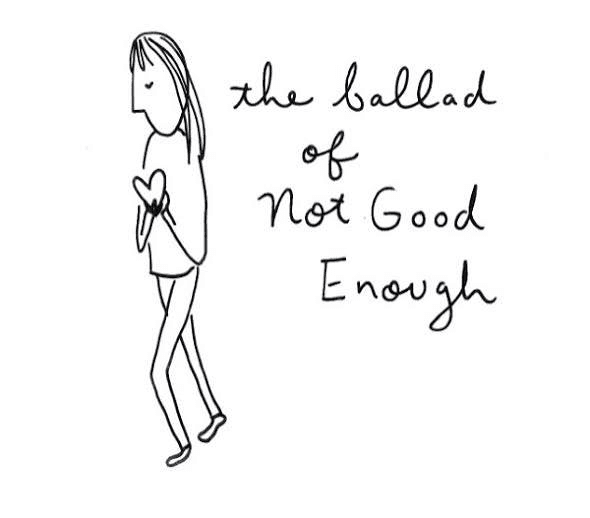
What to Do When You Feel Your Research Isn't Good Enough
If you've ever sat at your desk staring at your work and thought, "This just isn't good enough," you're not alone. Knowing what to do when you feel your research isn't good enough is one of the most important skills any academic, student, or professional researcher can develop. That sinking feeling of inadequacy can be paralyzing, but it doesn't have to be. This guide will walk you through practical, proven strategies to help you move forward, improve your work, and silence that inner critic that keeps telling you your efforts fall short.
Why Researchers Feel Their Work Isn't Good Enough
Before diving into solutions, it helps to understand why this feeling arises in the first place. Research is inherently uncertain. You're venturing into territory where answers aren't always clear, methodologies can be questioned, and results can be ambiguous. This uncertainty breeds self-doubt.
Several common triggers cause researchers to question the quality of their work:
Imposter syndrome: The persistent belief that you don't deserve your position or achievements, and that others will eventually discover you're a fraud.
Comparison culture: Constantly measuring your work against published studies, senior colleagues, or idealized standards that took others years to achieve.
Perfectionism: Setting impossibly high standards that no piece of research could realistically meet.
Feedback anxiety: Dreading criticism from supervisors, peer reviewers, or committee members.
Scope creep: Feeling like your research never covers enough ground or answers enough questions.
Recognizing which of these triggers affects you most is the first step toward addressing the problem constructively.
What to Do When You Feel Your Research Isn't Good Enough: Immediate Steps
When self-doubt strikes hard, you need immediate strategies to stabilize your thinking before you can make meaningful progress. Here's what to do in the moment.
Step Back and Breathe
This sounds simple, but it's genuinely effective. When anxiety about your research peaks, your brain enters a stress response that narrows your thinking. Taking a short break — even just 10 to 15 minutes — can reset your perspective. Go for a walk, make a cup of tea, or do some light stretching. Physical movement has been shown to reduce cortisol levels and improve cognitive flexibility, both of which you need to evaluate your work objectively.
Write Down Your Specific Concerns
Vague feelings of inadequacy are far more damaging than specific, identifiable problems. Grab a piece of paper and write down exactly what you think is wrong with your research. Is your sample size too small? Are your conclusions not strongly supported by your data? Is your literature review missing key sources? When you name the problem precisely, it becomes something you can actually address rather than a shapeless cloud of dread hanging over your work.
Separate Feelings from Facts
Ask yourself: "What is the evidence that my research isn't good enough?" If you can't point to specific, concrete problems, your feelings may be driven by anxiety rather than reality. Feelings are real, but they aren't always accurate reflections of the quality of your work. A useful exercise is to imagine a trusted colleague submitted the same research — would you think it was inadequate? Often, we apply far harsher standards to our own work than we would to anyone else's.
Practical Strategies to Improve Your Research Quality
If after reflection you determine that there are genuine areas for improvement, that's actually good news. It means the path forward is clear. Here are actionable steps to strengthen your research.
Revisit Your Research Question
Sometimes the feeling that research isn't good enough stems from a research question that is too broad, too vague, or not well-aligned with your methodology. Go back to basics. Is your research question clear and specific? Is it answerable with the methods you've chosen? A focused, well-defined research question makes everything else stronger.
Conduct a Targeted Literature Review
One of the most common reasons researchers feel their work is insufficient is the fear that they've missed something important. Rather than trying to read everything ever written on your topic, conduct a targeted search for the most recent and most cited work in your specific area. Use databases like Google Scholar, PubMed, or JSTOR. Set a time limit — perhaps two to three focused hours — and then stop. You will never read everything, and that's okay.
Seek Feedback Early and Often
Many researchers make the mistake of waiting until their work feels "ready" before sharing it with others. But waiting for perfection means waiting forever. Share your work-in-progress with a trusted colleague, mentor, or writing group. Early feedback helps you course-correct before you've invested too much time in a flawed direction. It also normalizes the idea that all research is iterative — it improves through revision, not through getting it perfect on the first attempt.
Evaluate Your Methodology Honestly
If you're concerned about the rigor of your research, take time to honestly evaluate your methodology. Ask yourself whether your data collection methods are appropriate for your research question, whether your sample is representative enough for your claims, and whether your analysis is consistent and transparent. If you find genuine weaknesses, acknowledge them. In academic research, a well-articulated limitations section is a sign of intellectual honesty, not failure.
Use Writing to Clarify Your Thinking
Sometimes research feels inadequate not because it actually is, but because it hasn't been clearly articulated yet. Try writing a plain-language summary of your research — what you did, what you found, and why it matters — as if you were explaining it to someone outside your field. This exercise often reveals that your research is stronger than you thought, or it highlights specific gaps you can address.
What to Do When You Feel Your Research Isn't Good Enough: Long-Term Mindset Shifts
Beyond immediate fixes and practical improvements, addressing research self-doubt requires some deeper shifts in how you think about your work and yourself as a researcher.
Embrace the Concept of "Good Enough for Now"
Research is never truly finished — it's only ever abandoned or published. The goal isn't perfection; it's contribution. Your research doesn't need to answer every question or solve every problem. It needs to make a meaningful, honest contribution to the existing body of knowledge. Ask yourself: "Does this research add something useful?" If the answer is yes, it's good enough to move forward.
Build a Realistic Comparison Framework
Stop comparing your work to polished, published studies. Those papers went through multiple rounds of revision, peer review, and editing. Compare your current draft to your previous drafts, not to finished products. Progress, not perfection, is the appropriate measure of success during the research process.
Develop a Regular Reflection Practice
Set aside time each week to reflect on what you've accomplished, not just what remains to be done. Keep a research journal where you note small wins, insights gained, and problems solved. Over time, this record becomes powerful evidence against the inner voice that says you're not making progress or that your work has no value.
Connect with Other Researchers
Isolation amplifies self-doubt. When you're working alone, it's easy to believe that everyone else has it figured out and you're the only one struggling. Connecting with other researchers — through writing groups, academic conferences, online forums, or informal peer networks — quickly reveals that self-doubt is nearly universal among researchers at every level. Shared experience is a powerful antidote to the feeling that you alone are inadequate.
When to Seek Additional Support
Sometimes self-doubt about research quality is a symptom of a larger issue that deserves more structured support. Consider reaching out for help if:
Your self-doubt is persistent and significantly interfering with your ability to work
You're experiencing symptoms of anxiety or depression that go beyond normal research stress
You feel completely unable to make decisions about your research without reassurance from others
Your supervisor or advisor has expressed concerns about your progress that you're struggling to address
Many universities offer counseling services specifically for graduate students and researchers. Academic coaches and writing coaches can also provide structured support for getting unstuck. There is no shame in seeking help — in fact, doing so is itself a sign of the kind of proactive problem-solving that makes a good researcher.
Reframing What "Good Enough" Actually Means
Perhaps the most important shift you can make is reframing what it means for research to be "good enough." In popular imagination, great research is groundbreaking, definitive, and flawless. In reality, good research is honest, transparent, methodologically sound, and contributes something — however small — to human understanding.
Every landmark study built on dozens of smaller, imperfect studies that came before it. Every famous researcher has a drawer full of work they're not proud of. The difference between researchers who succeed and those who don't often has less to do with the quality of their ideas and more to do with their willingness to keep going despite uncertainty and self-doubt.
Your research doesn't need to change the world. It needs to be your honest best effort, conducted with integrity, and shared with the courage to accept feedback and improve. That is what good research looks like in practice.
Final Thoughts
Knowing what to do when you feel your research isn't good enough is a skill that develops over time. The researchers who thrive aren't those who never doubt themselves — they're the ones who have learned to work through doubt rather than being stopped by it. Use the strategies in this guide to address both the immediate emotional impact of self-doubt and the practical steps you can take to strengthen your work. Remember that feeling uncertain about your research is not evidence that it's bad. It's evidence that you care about doing it well — and that's exactly the right starting point.
Read More

How to write a grant proposal as a student
By
Princeton Journal of Pre-Collegiate Research
Read more
Free resources that replace research funding
By
Princeton Journal of Pre-Collegiate Research
Read more
Corporate and nonprofit programs that fund student research
By
Princeton Journal of Pre-Collegiate Research
Read more

Science fair grants and material stipends explained
By
Princeton Journal of Pre-Collegiate Research
Read more

Crowdfunding a student research project: does it work
By
Princeton Journal of Pre-Collegiate Research
Read more

How much does a research project actually cost
By
Princeton Journal of Pre-Collegiate Research
Read more

How to ask your school to fund your project
By
Princeton Journal of Pre-Collegiate Research
Read more

Grants for high school research projects: what exists
By
Princeton Journal of Pre-Collegiate Research
Read more

How to start a research club at your school
By
Princeton Journal of Pre-Collegiate Research
Read more

How to organize a school research symposium
By
Princeton Journal of Pre-Collegiate Research
Read more

Turning a school club into a research pipeline
By
Princeton Journal of Pre-Collegiate Research
Read more

How to start a student research journal at your school
By
Princeton Journal of Pre-Collegiate Research
Read more

How to find a faculty sponsor for a research club
By
Princeton Journal of Pre-Collegiate Research
Read more

How to propose an independent study for research credit
By
Princeton Journal of Pre-Collegiate Research
Read more

Running a peer-review workshop at your school
By
Princeton Journal of Pre-Collegiate Research
Read more

How to get school funding for student research
By
Princeton Journal of Pre-Collegiate Research
Read more

How to do research as a team of students
By
Princeton Journal of Pre-Collegiate Research
Read more

Dividing work fairly in a group research project
By
Princeton Journal of Pre-Collegiate Research
Read more

Group research vs solo research: pros and cons
By
Princeton Journal of Pre-Collegiate Research
Read more

Resolving disagreements in group research
By
Princeton Journal of Pre-Collegiate Research
Read more

What to do when a co-author stops contributing
By
Princeton Journal of Pre-Collegiate Research
Read more